What is the difference between a canyon and a valley?
Short answer
Valleys are low-lying areas of land between hills or mountains, typically formed by river erosion or glacial movement, often featuring wide, fertile floors. Canyons are a specific, extreme type of valley characterized by very steep, vertical rock walls and narrow passages, usually carved over millions of years by powerful, fast-flowing rivers.
On this page
How are valleys and canyons formed
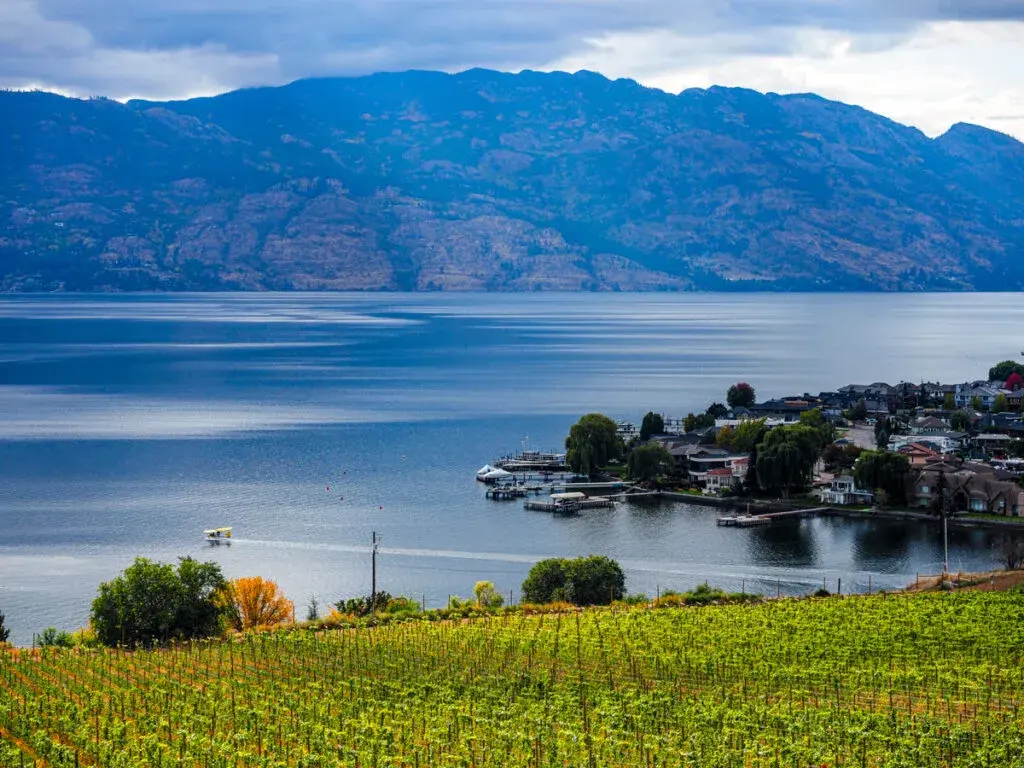
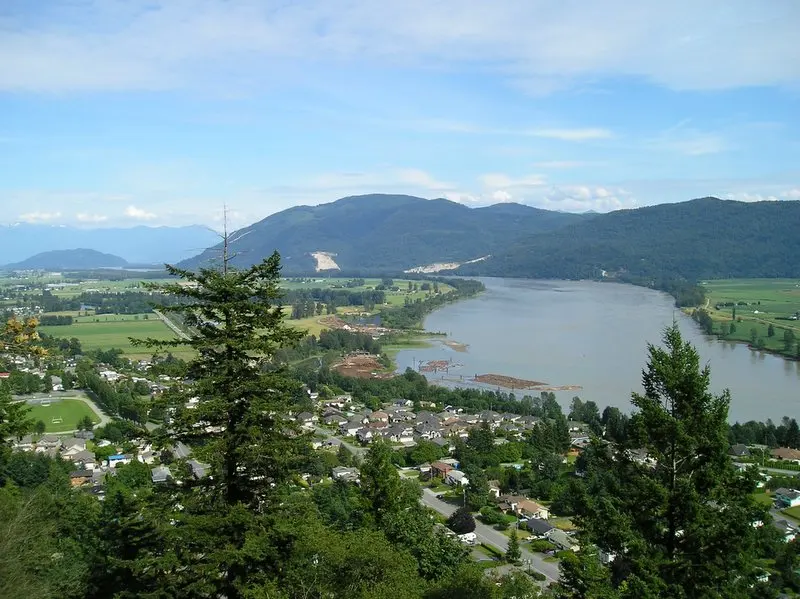
Valleys are generally created through the slow, persistent process of erosion by water, ice, or tectonic activity. A V-shaped valley is typically carved by a river cutting downward into the landscape over time, while a U-shaped valley is formed by the immense weight and grinding action of moving glaciers. These features can span miles in width, providing enough space for floodplains, forests, and human settlements to develop naturally.
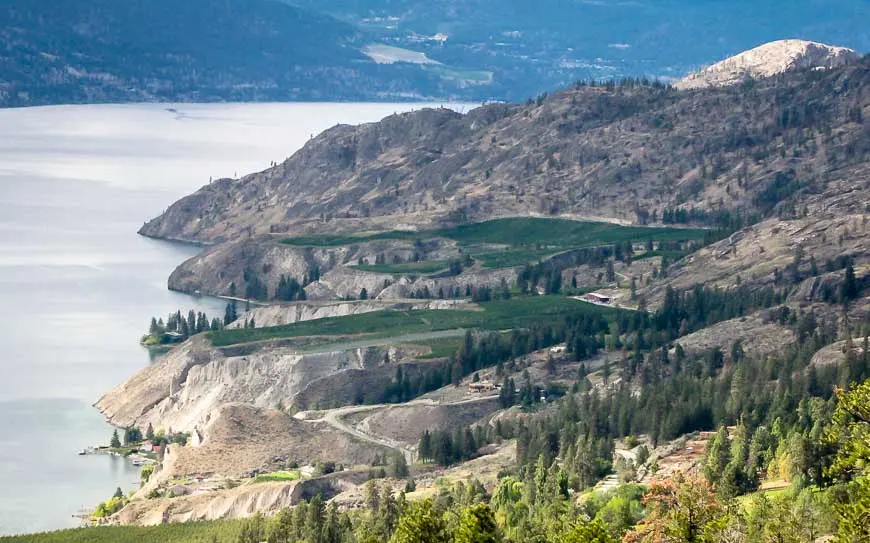
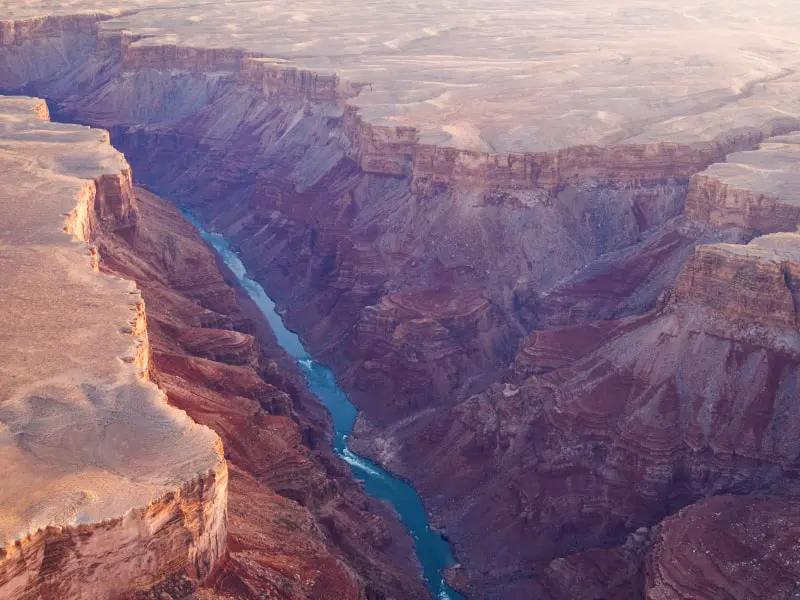
Canyons represent a more aggressive geological evolution. They occur when a river has enough velocity and volume to cut through hard rock layers at a rate faster than the surrounding terrain can erode. This deep incision creates the iconic vertical cliff faces that define a canyon. Because the river is confined to a narrow channel, it focuses all its energy on downward cutting, preventing the wide, sloping sides found in standard valleys.
Key physical differences to look for
The most reliable way to distinguish these landforms is by examining the steepness of their walls and the width of their floors. A valley often has gentle, sloping sides that allow for vegetation growth and easier human traversal. In contrast, a canyon is defined by its sheer, near-vertical walls that often make the bottom inaccessible or extremely difficult to reach without specialized equipment.
- Valleys: Characterized by wide, open spaces and gradual slopes.
- Canyons: Defined by narrow, deep channels with vertical rock faces.
- Floor width: Valleys often have broad, flat plains; canyons have riverbeds that occupy most of the floor.
- Accessibility: Valleys are usually easy to walk through; canyons often require climbing or technical navigation.
These physical traits are dictated by the underlying rock composition and the age of the water source. If the surrounding rock is soft, the land erodes outward, forming a valley. If the rock is dense and resistant, the river cuts deep, rigid fissures, resulting in a canyon.
Where to find famous examples
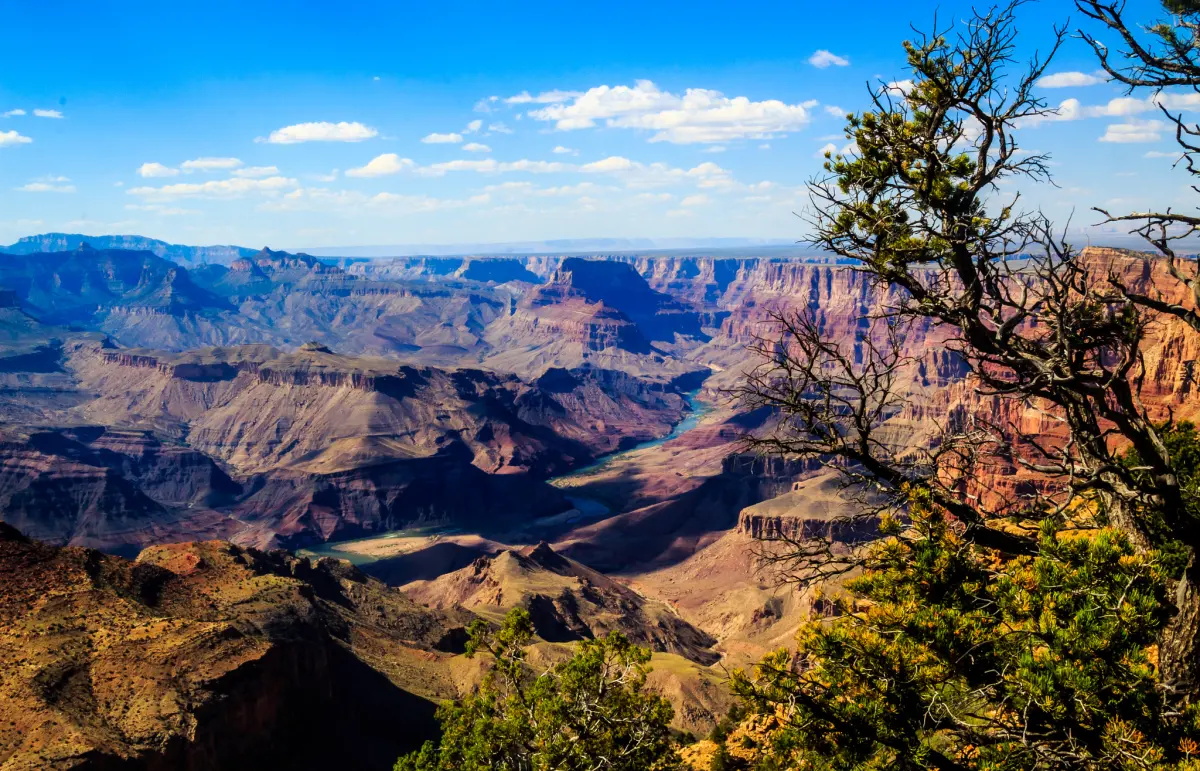
Geology enthusiasts can observe these differences by visiting iconic landscapes across the globe. The Grand Canyon in Arizona, United States, is the premier example of a canyon, carved by the Colorado River over approximately six million years. Its depth reaches over a mile, and its walls expose billions of years of geological history, demonstrating the power of concentrated river erosion.
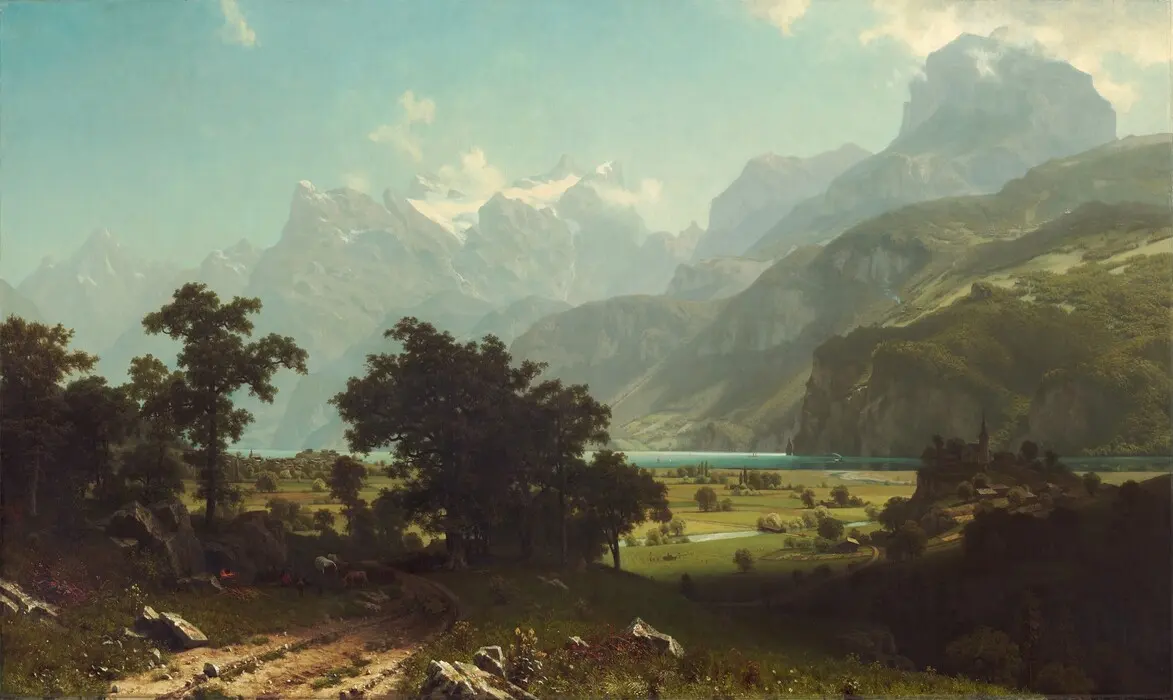
In contrast, the Yosemite Valley in California offers a classic example of a glacial valley. Its wide, flat floor and towering granite cliffs were shaped by ice sheets that widened the original river-cut V-shape into a broad U-shape. Other notable examples include:
- Antelope Canyon (Arizona): A slot canyon formed by flash flooding.
- The Great Rift Valley (East Africa): A massive tectonic valley system.
- Copper Canyon (Mexico): A series of deep canyons larger than the Grand Canyon.
- Lauterbrunnen Valley (Switzerland): A deep, glacier-carved valley known for its many waterfalls.
How to identify them in the field
When you are exploring a new landscape, you can determine if you are in a valley or a canyon by observing the surrounding topography and the behavior of the water. If you can see the horizon clearly from the floor and the slopes are covered in trees or grass, you are likely in a valley. If the sky is restricted to a narrow strip above and you are surrounded by bare, vertical rock, you are likely in a canyon.
Common mistakes when identifying these features include:
- Confusing a gorge with a canyon: Gorges are generally smaller and narrower, often found within larger valley systems.
- Ignoring the scale: Some valleys are so large they contain smaller canyons within them.
- Misidentifying dry beds: A dry canyon is still a canyon, even if the river that formed it has shifted or dried up.
- Assuming all deep cuts are canyons: Some deep, narrow ravines are formed by tectonic shifts rather than water erosion.
Why the distinction matters for hikers
Understanding the difference is essential for safety and navigation when planning outdoor excursions. Valleys are generally safer for beginners, as they offer multiple exit points, easier terrain, and more predictable weather patterns. They are ideal for long-distance hiking, camping, and observing diverse ecosystems that rely on the wide, accessible floor space found in these regions.
Canyons present significant risks that require careful preparation and respect for the environment. Flash flooding is a primary danger, as water can travel through narrow canyon walls with little warning, leaving no room for escape. Furthermore, the steep walls can cause GPS signals to drop and make rescue operations extremely difficult. Always check local meteorological reports and park regulations before entering a canyon, and ensure you have the necessary skills for technical terrain. By recognizing the geological nature of the area, you can better prepare for the specific challenges posed by either a wide valley or a deep, narrow canyon.
Key facts
- A valley is a low-lying area of land between hills or mountains, typically formed by water erosion or glacial movement.
- A canyon is a specific, deep, and narrow type of valley characterized by steep, vertical cliff walls.
- Most valleys are U-shaped or V-shaped, whereas canyons are almost exclusively defined by their narrow, deep V-shaped profiles.
- Rivers are the primary architects of canyons, cutting downward through rock layers over millions of years.
- You can identify a canyon by looking for exposed geological strata on its walls, which reveal the history of the earth’s crust.
- A common mistake is using the terms interchangeably; remember that all canyons are valleys, but not all valleys are canyons.
The bottom line
The fundamental difference lies in shape and scale. A valley is a broad, general depression between higher elevations, often shaped like a U or V. A canyon is a narrow, deep, and steep-walled subset of a valley, primarily carved by persistent river erosion. Understanding this distinction helps in identifying landscape features, as canyons represent more extreme, rapid geological downcutting compared to the wider, gentler nature of typical valleys.
People also ask
How long does it take for a river to carve a canyon?
The process takes millions of years depending on the hardness of the rock and the volume of water. For instance, the Colorado River has been carving the Grand Canyon for approximately five to six million years.
What is the difference between a gorge and a canyon?
These terms are often used synonymously, though a gorge is generally considered smaller and narrower than a canyon. Both features involve steep, rocky walls carved by water, but "canyon" is the broader geographic term.
Can wind create a canyon?
While water is the primary force, wind erosion can shape the appearance of canyon walls over time. Wind carries abrasive particles that smooth rock surfaces, but it lacks the vertical cutting power of a flowing river.
Are all valleys formed by rivers?
No, many valleys are formed by glaciers. These glacial valleys typically feature a distinct, wide U-shape created by the massive weight of ice grinding through mountain terrain.
Why are canyon walls so steep?
The steepness occurs because the river cuts downward through rock faster than the surrounding slopes can erode. This creates a vertical drop, often exposing millions of years of sediment layers in the process.
Where is the deepest canyon in the world?
The Yarlung Tsangpo Grand Canyon in Tibet is widely considered the deepest, reaching depths of over 19,000 feet. It is significantly deeper than the Grand Canyon in the United States, which reaches about 6,000 feet.
This answer was created with the help of AI research tools and reference sources. Spotted an error? Let us know — we correct mistakes quickly. See our editorial policy.