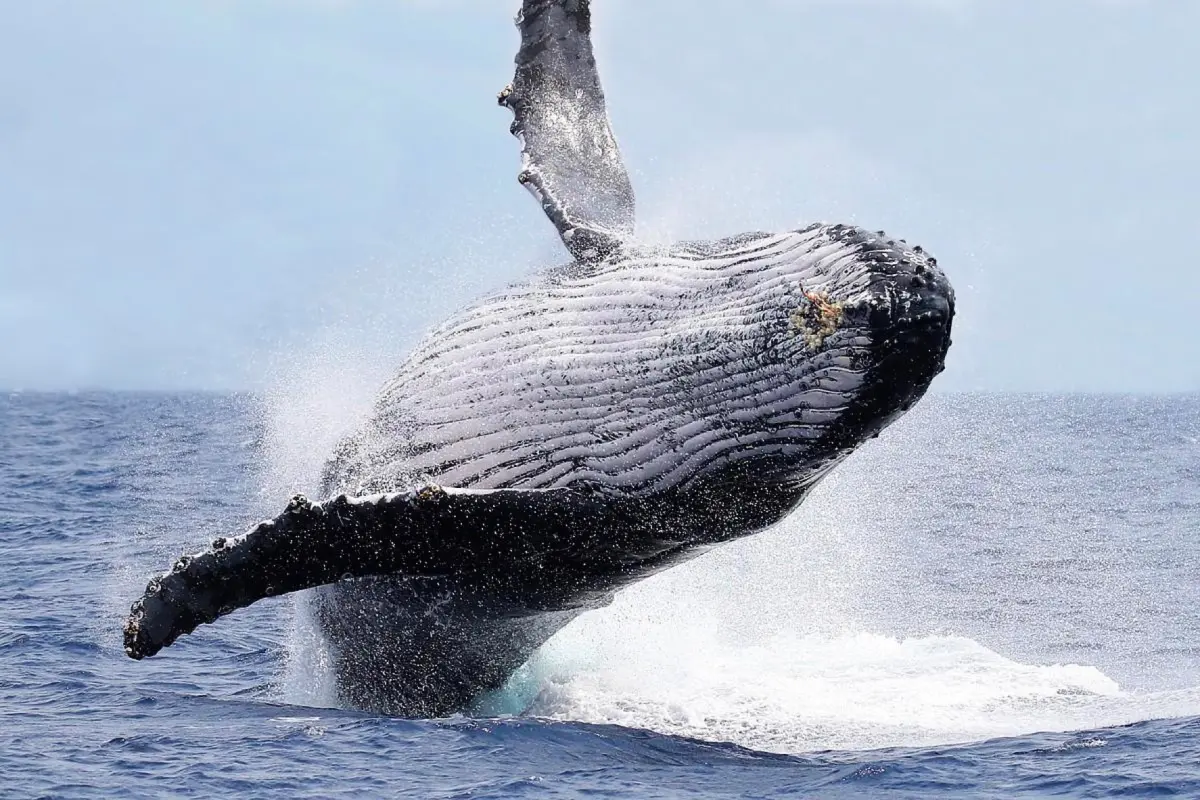
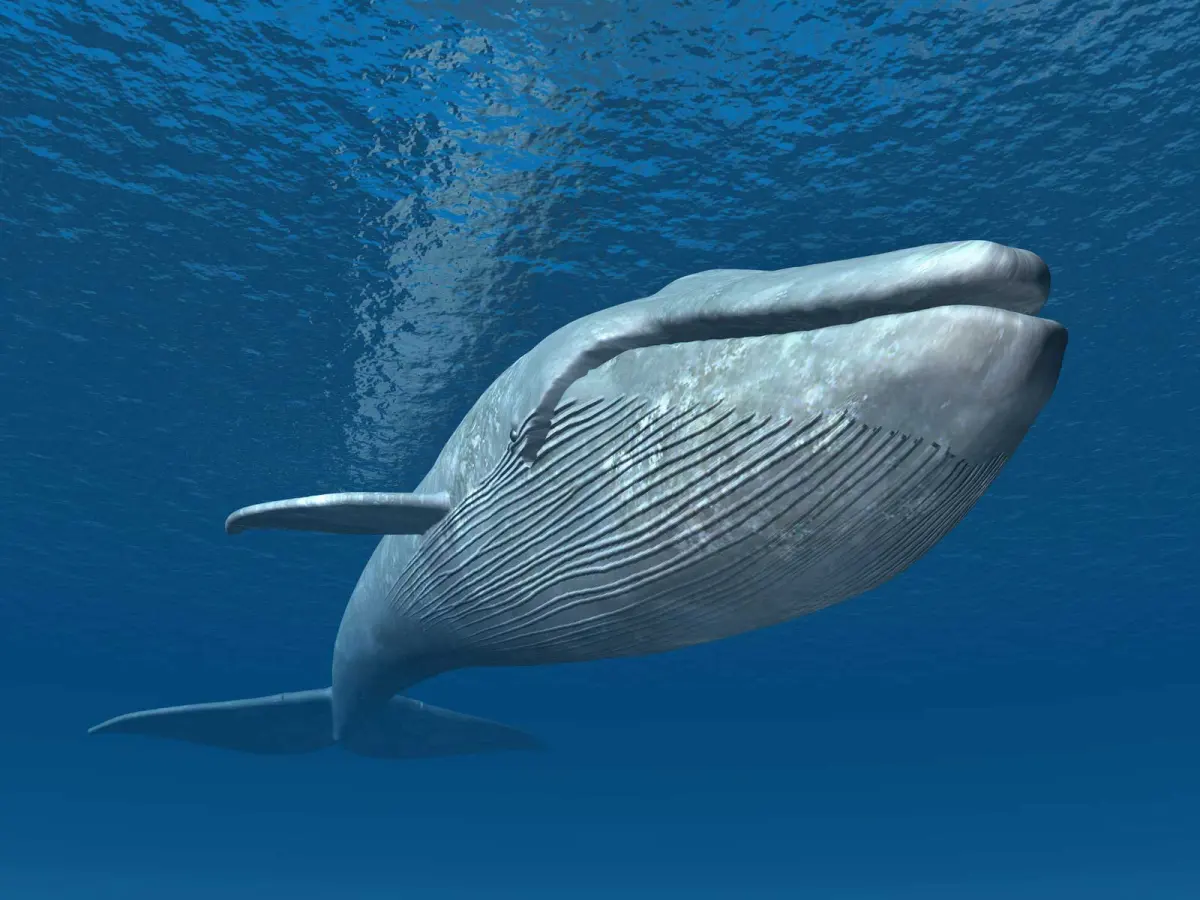
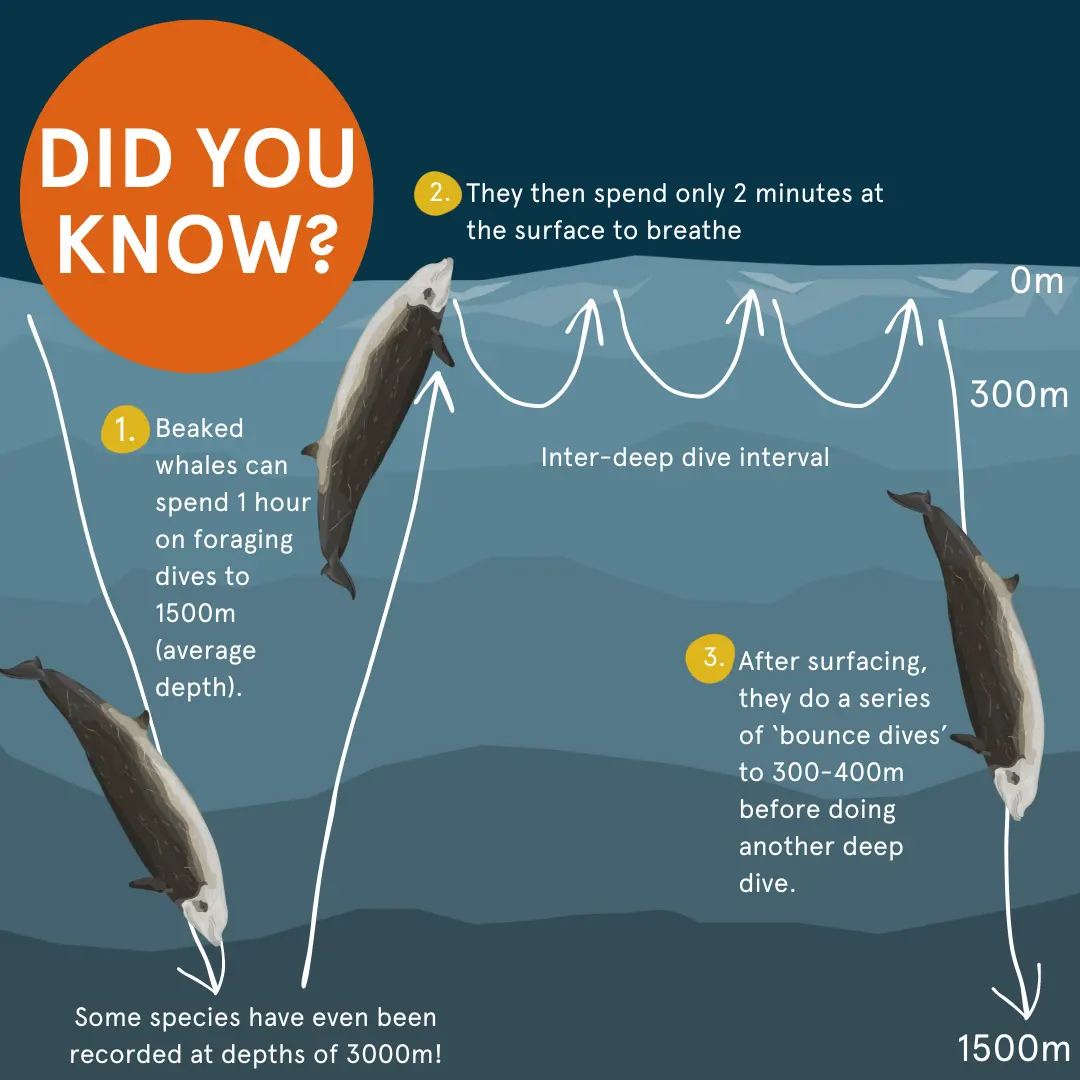
Are humpback whales endangered?
Short answer
Humpback whales are currently classified as "Least Concern" by the International Union for Conservation of Nature (IUCN). While commercial whaling decimated populations during the 20th century, global numbers have rebounded significantly since the 1966 ban. Today, most distinct population segments are recovering, though some localized groups still face environmental and human-made threats.
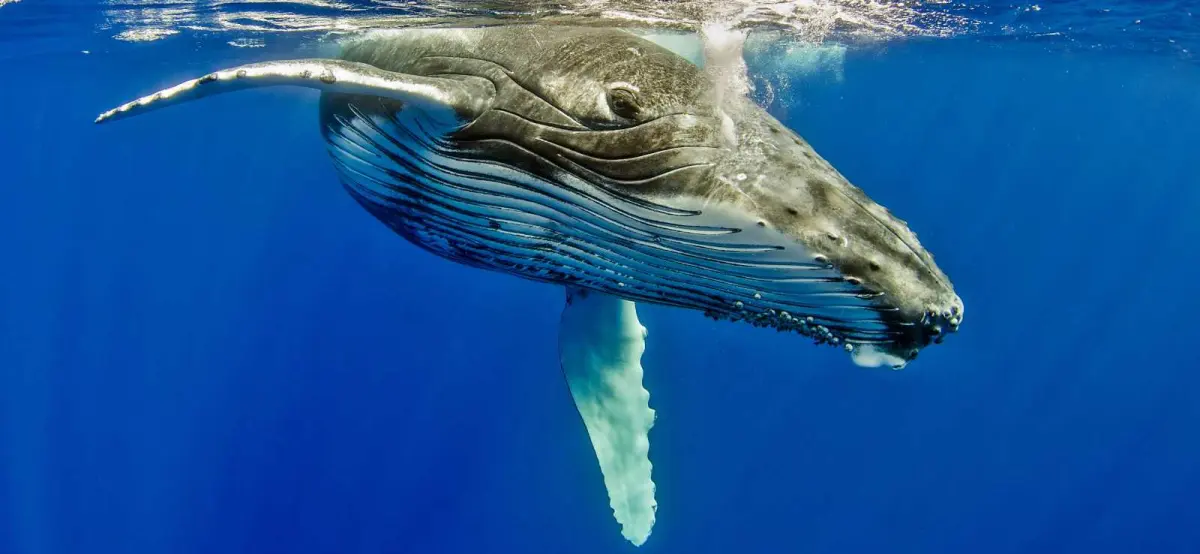
On this page
Why are humpback whales no longer endangered?
The primary reason for the recovery of humpback whales is the global moratorium on commercial whaling, which was implemented by the International Whaling Commission in 1966. Before this protection, global populations plummeted to as few as 5,000 individuals due to industrial hunting. With the cessation of large-scale harvesting, these marine mammals have demonstrated a remarkable capacity for population growth.
Scientific surveys now estimate the global humpback population to be over 80,000 individuals. This recovery is a landmark success story in international conservation efforts. However, this status applies to the species as a whole, masking the fact that some specific breeding populations remain at low levels. The species’ resilience is attributed to their long lifespans, complex social structures, and their ability to adapt to diverse feeding grounds across the world's oceans.
How do scientists track humpback whale populations?
Researchers use several sophisticated methods to monitor the health and numbers of humpback whales across the globe. The most common technique is photo-identification, which relies on the unique patterns found on the underside of a whale's tail, known as the fluke. Much like a human fingerprint, these markings allow biologists to track individual whales over decades as they migrate between feeding and breeding grounds.
- Capture high-resolution photographs of the tail fluke when a whale dives.
- Upload images to centralized databases like Happywhale to match sightings.
- Use satellite tagging to monitor migration routes and identify critical habitats.
- Conduct acoustic monitoring to listen for whale songs and detect presence in remote areas.
By combining these visual and technological tools, scientists can estimate birth rates, survival rates, and the impact of environmental changes on specific pods. This data is essential for identifying which areas require stricter maritime protections to ensure continued growth.
What threats do humpback whales still face?
Despite their removal from the endangered list, humpback whales encounter significant human-induced dangers in modern oceans. Ship strikes are a leading cause of mortality, particularly in busy shipping lanes where whales migrate or feed. Because humpbacks spend significant time near the surface, they are highly vulnerable to collisions with large vessels that may not be able to maneuver quickly enough to avoid them.
Entanglement in fishing gear is another critical threat that affects thousands of whales annually. Heavy ropes and nets can cause severe injuries, restrict movement, or lead to drowning. Additionally, climate change is altering the distribution of krill, the primary food source for humpbacks. As ocean temperatures rise, the availability of prey becomes unpredictable, forcing whales to expend more energy searching for food, which can negatively impact their reproductive success and overall health.
How can people help protect humpback whales?
Individuals who live near coastal areas or participate in marine tourism can take practical steps to reduce their impact on whale populations. Responsible whale watching is a primary way to support conservation while observing these animals in their natural habitat. By choosing operators who adhere to strict guidelines, you ensure that the whales are not harassed or stressed by boat proximity.
- Maintain a distance of at least 100 yards from any whale at all times.
- Never approach a whale from the front or directly behind its path.
- Limit the time spent observing a single whale to 30 minutes or less.
- Report any sightings of entangled or injured whales to local marine authorities immediately.
- Support organizations that advocate for the creation of marine protected areas and sustainable fishing practices.
Following these guidelines prevents behavioral disruption, such as interrupted feeding or nursing, which is vital for the long-term survival of calves.
Common mistakes when observing humpback whales
A frequent error made by recreational boaters and tourists is attempting to get too close for a better photograph. This behavior can cause the whale to change its natural course, potentially leading to separation between a mother and her calf. Furthermore, sudden movements or loud noises from engines can startle the animals, causing them to dive abruptly or flee the area, which wastes precious energy reserves needed for their long migrations.
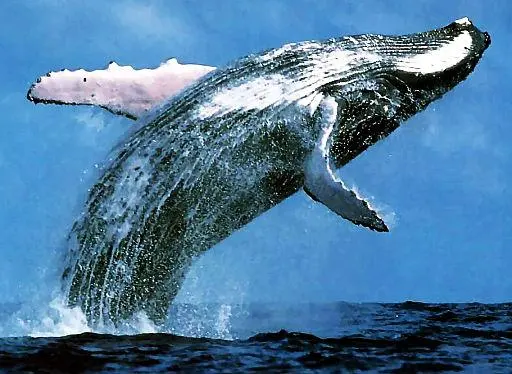
Another mistake is failing to recognize signs of whale distress. If a whale begins tail slapping, breaching repeatedly, or changing direction erratically, it is often a sign of agitation caused by the presence of a vessel. Operators and enthusiasts must learn to read these behavioral cues and back away immediately. By maintaining a respectful distance and keeping noise levels low, observers can enjoy the majesty of these creatures without interfering with their critical life functions or endangering their recovery.
Key facts
- Humpback whales are currently classified as "Least Concern" by the IUCN Red List, meaning they are not currently considered endangered.
- Global populations have rebounded significantly since the 1966 international ban on commercial whaling.
- Scientists estimate the total global population of humpback whales to be approximately 80,000 to 100,000 individuals.
- Despite their recovery, specific subpopulations, such as those in the Arabian Sea, remain critically endangered and highly vulnerable.
- Vessel strikes and entanglement in commercial fishing gear remain the primary human-caused threats to humpback whale survival.
- To help protect whales, maintain a distance of at least 100 yards if you are boating near them to avoid causing stress or injury.
The bottom line
While humpback whales have made a remarkable recovery from the brink of extinction, they are no longer classified as endangered on a global scale. However, they still face significant modern challenges, including climate change, ship strikes, and fishing gear entanglement. Continued conservation efforts and responsible wildlife viewing practices are essential to ensure that these magnificent marine mammals remain a thriving part of our global ocean ecosystem.
People also ask
Why were humpback whales previously considered endangered?
During the 19th and early 20th centuries, industrial whaling decimated global populations, reducing some stocks by more than 90 percent. The species was pushed to the brink of extinction before international protections were enacted to stop commercial hunting.
How do scientists track humpback whale populations?
Researchers use photo-identification by capturing images of the unique patterns on the underside of a whale's tail, known as a fluke. These natural markings act like a fingerprint, allowing experts to track individual migration patterns and estimate population health over time.
Do humpback whales migrate long distances?
Yes, they undertake some of the longest migrations of any mammal on Earth. They travel thousands of miles between cold-water polar regions where they feed and warm-water tropical regions where they breed and give birth.
What do humpback whales eat?
They are filter feeders that consume small schooling fish like herring and mackerel, as well as tiny crustaceans called krill. They often use a cooperative hunting technique known as "bubble-net feeding" to corral prey into dense clusters before lunging through them.
Can you see humpback whales from the shore?
In many coastal areas during migration seasons, such as Hawaii, Alaska, or parts of Australia, humpback whales are frequently visible from the shoreline. Binoculars are helpful for spotting their iconic breaches, tail slaps, and the tall spouts of mist they exhale at the surface.
Why is it important to report whale entanglements?
If you see a whale trapped in fishing lines or nets, do not attempt to cut the gear yourself, as this is dangerous for both you and the animal. Instead, report the sighting to local marine authorities or the Coast Guard, who have specialized teams trained for safe disentanglement.
This answer was created with the help of AI research tools and reference sources. Spotted an error? Let us know — we correct mistakes quickly. See our editorial policy.