What is erosion?
Short answer
Erosion is the geological process where natural forces, such as water, wind, ice, and gravity, wear away and transport earthen materials like soil, rock, and sediment. It constantly reshapes the Earth’s surface by removing particles from one location and depositing them elsewhere, fundamentally altering landscapes over time through both slow and rapid mechanisms.
On this page
Why erosion happens
Erosion occurs because the Earth’s surface is in a constant state of flux, driven by the movement of energy across the planet. When rocks or soil are exposed to the elements, they undergo weathering, which breaks them down into smaller pieces. Once these materials are loosened, external agents gain the kinetic energy required to pick them up and carry them away. Gravity is the primary driver, pulling debris downhill, while water and wind act as the transport mechanisms that move sediment over vast distances.
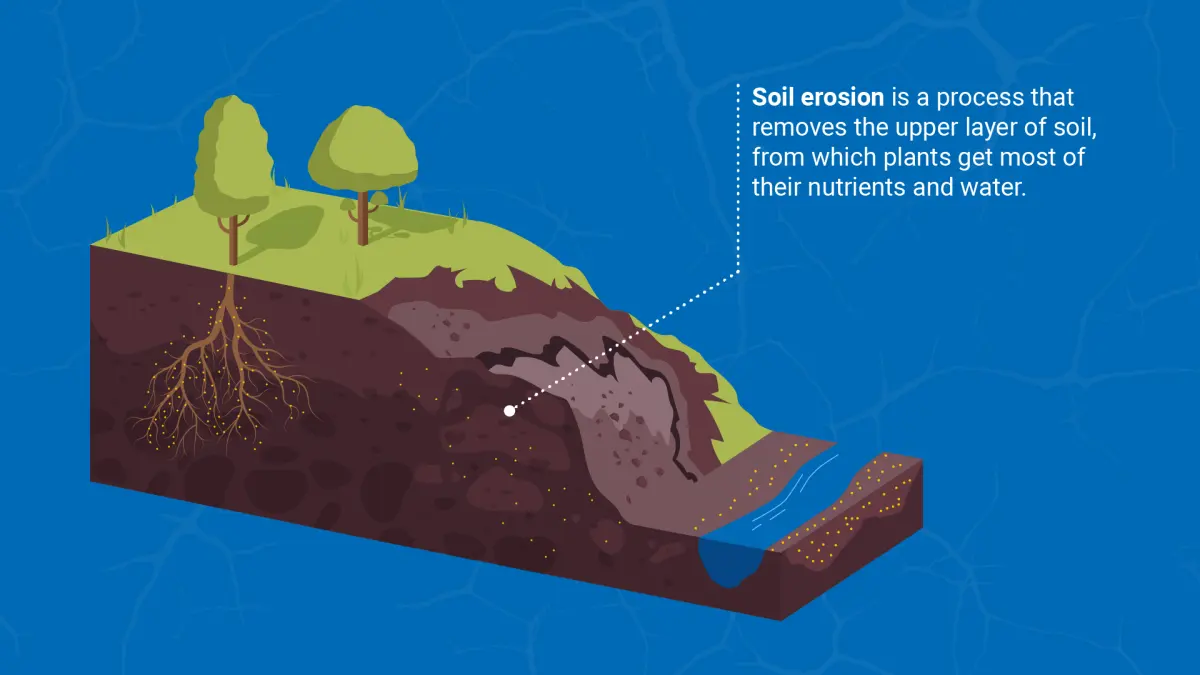
The intensity of erosion depends on several environmental factors, including the slope of the land, the amount of vegetation cover, and the composition of the soil. Areas with steep inclines are naturally more susceptible to gravity-driven erosion, while regions with sparse plant life lack the root systems necessary to anchor soil in place. Human activities, such as deforestation, intensive farming, and urban development, often accelerate these natural rates by removing protective barriers and exposing raw earth to the elements.
How erosion affects the environment
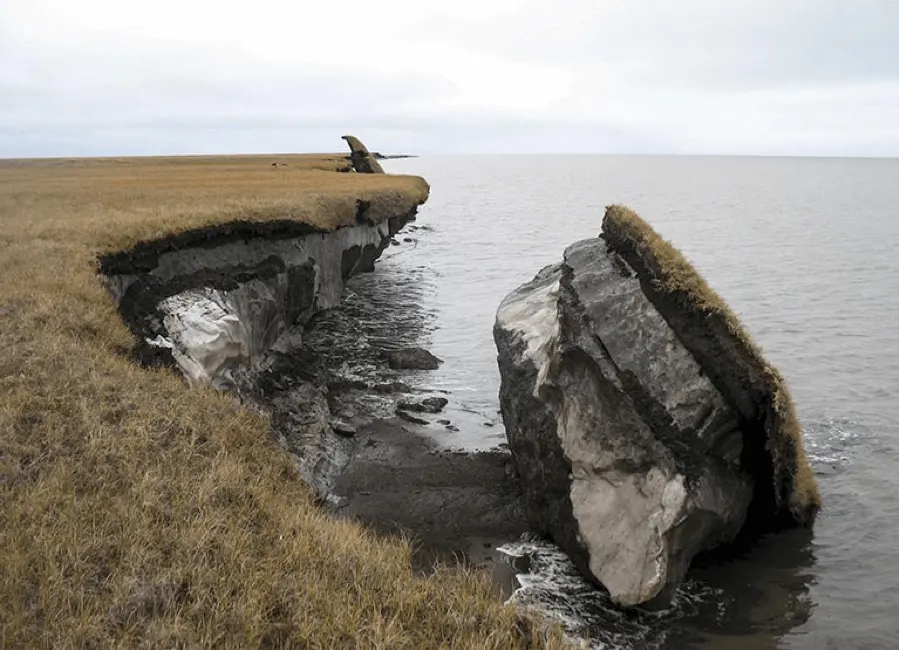
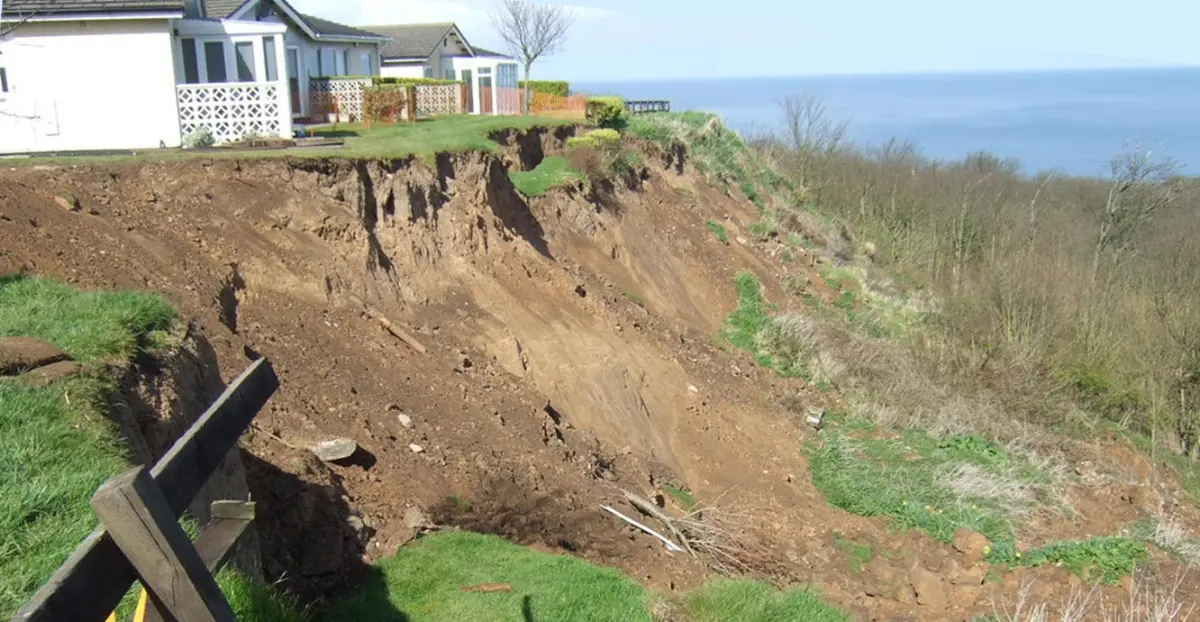
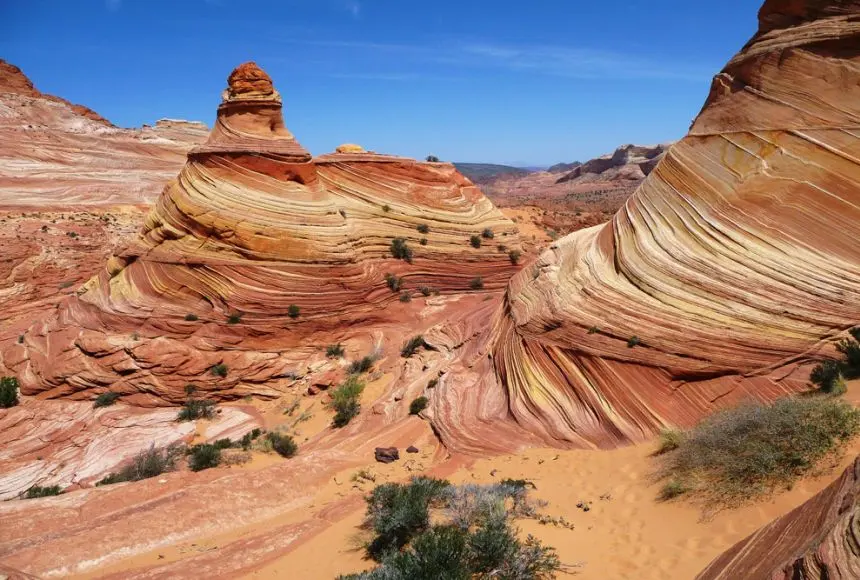
The impact of erosion is visible in nearly every landscape on Earth, ranging from the slow carving of river valleys to the sudden collapse of coastal cliffs. Water is the most significant agent of erosion, responsible for forming features like the Grand Canyon, where the Colorado River has cut through layers of rock over millions of years. Wind erosion is particularly prominent in arid environments, where it can strip away topsoil and create expansive dust storms that reshape desert dunes.
Glacial erosion is another powerful force, as massive sheets of moving ice grind down mountains and carve deep U-shaped valleys. These processes are essential for the global nutrient cycle, as they break down minerals from rocks and transport them to floodplains and deltas, creating fertile ground for agriculture. However, when erosion occurs at an unnatural rate, it can lead to significant environmental degradation, including the loss of arable land and the sedimentation of waterways, which harms aquatic ecosystems.
Ways to prevent soil erosion
Controlling erosion is a critical component of land management and sustainable agriculture. By implementing specific conservation strategies, landowners can minimize the loss of topsoil and protect the structural integrity of their property. These methods focus on slowing down the velocity of water and wind, allowing sediment to settle rather than being washed away.
- Plant cover crops like clover or rye to keep soil anchored during the off-season.
- Construct terraces on steep slopes to break up the flow of water and reduce gravity’s impact.
- Install windbreaks, such as rows of trees or shrubs, to shield fields from high-velocity gusts.
- Utilize contour plowing, which involves tilling land along the natural curves of the terrain instead of up and down the slope.
- Apply mulch or organic matter to bare patches of ground to absorb the impact of rainfall.
Common mistakes when managing erosion
Many people attempt to mitigate erosion without fully understanding the underlying hydrology of their land, which often leads to ineffective or counterproductive results. A frequent error is the use of non-porous materials like concrete for retaining walls in areas with high groundwater levels. This traps moisture behind the structure, increasing hydrostatic pressure and eventually causing the wall to crack or collapse. Another common mistake is the removal of native vegetation under the assumption that a manicured lawn will provide better protection.
- Failing to address the source of water runoff before attempting to stabilize a slope.
- Using invasive plant species that have shallow root systems and do not provide adequate soil binding.
- Ignoring drainage patterns, which can cause water to pool and create new, more severe erosion channels.
- Over-compacting soil, which prevents water absorption and increases surface runoff during storms.
- Neglecting to maintain erosion control structures, leading to sediment buildup and eventual failure of the system.
How long does it take for erosion to occur
Erosion operates on a spectrum of timescales, ranging from instantaneous events to processes that unfold over geological epochs. Rapid erosion often follows extreme weather events, such as hurricanes or flash floods, which can strip away years of soil accumulation in a matter of hours. Conversely, the formation of large geological features like canyons or mountain ranges occurs over millions of years, as the cumulative effect of constant, incremental weathering and transport slowly carves the landscape into its current form.
The rate at which erosion occurs is highly variable and depends on the local climate and geology. In tropical regions with high rainfall, chemical weathering and water erosion happen much faster than in arid or frozen environments. Scientists measure these changes using tools like erosion pins, sediment traps, and satellite imagery to track how landscapes evolve. While natural erosion is a fundamental part of the Earth's cycle, the modern acceleration of these processes through human intervention remains a significant challenge for environmental preservation and long-term land stability.
Key facts
- Erosion is the geological process where earthen materials are worn away and transported by natural forces like wind, water, or ice.
- Water is the most significant agent of erosion, responsible for carving features like the Grand Canyon over millions of years.
- Vegetation acts as a natural anchor; plant roots hold soil in place, reducing the rate of erosion by up to 90 percent in some environments.
- Human activities, such as deforestation and overgrazing, can accelerate natural erosion rates by 10 to 100 times.
- To prevent soil erosion in your garden, plant ground cover or use mulch to shield the surface from direct rainfall impact.
- Avoid leaving soil bare during heavy rain seasons, as exposed dirt is highly susceptible to being washed away by surface runoff.
The bottom line
Erosion is a fundamental Earth process that reshapes landscapes by moving soil and rock through wind, water, and ice. While it is a natural phenomenon, human interference often accelerates its pace, leading to land degradation and environmental challenges. By utilizing protective measures like planting vegetation and managing water runoff, individuals can mitigate its impact and preserve the stability of the ground beneath their feet.
People also ask
How does erosion differ from weathering?
Weathering is the process of breaking down rocks into smaller pieces in place, while erosion involves the physical movement of those pieces. Think of weathering as the "breaking" and erosion as the "transporting."
What is coastal erosion?
Coastal erosion is the loss of land along the shoreline caused by waves, tides, and currents. It is a major concern for beachfront property owners as it can lead to structural damage and loss of land.
Can erosion be completely stopped?
It is impossible to stop erosion entirely because it is a natural part of the Earth's cycle. However, it can be significantly managed and slowed down through conservation techniques like terracing and reforestation.
What are the primary causes of soil erosion?
The main causes include intense rainfall, high-velocity winds, and human land-use practices like intensive farming. When soil loses its protective layer of vegetation, it becomes vulnerable to these forces.
How does erosion affect the environment?
Erosion can lead to the loss of fertile topsoil, which harms agricultural productivity and food security. Additionally, sediment runoff can pollute waterways, damage aquatic habitats, and clog drainage systems.
What is a landslide?
A landslide is a rapid form of erosion where large masses of rock, earth, or debris move down a slope. It often occurs when heavy rain saturates the ground, making it too heavy and unstable to remain in place.
This answer was created with the help of AI research tools and reference sources. Spotted an error? Let us know — we correct mistakes quickly. See our editorial policy.