What is the Okanagan Valley wineries famous for?
Short answer
The Okanagan Valley is world-renowned for its diverse microclimates, which allow for the successful cultivation of both cool-climate whites like Riesling and heat-loving reds like Merlot and Syrah. Stretching 250 kilometers, this British Columbia region excels at producing fruit-forward, high-acid wines that reflect a unique, high-latitude desert terroir.
On this page
Why is the Okanagan Valley famous for wine?
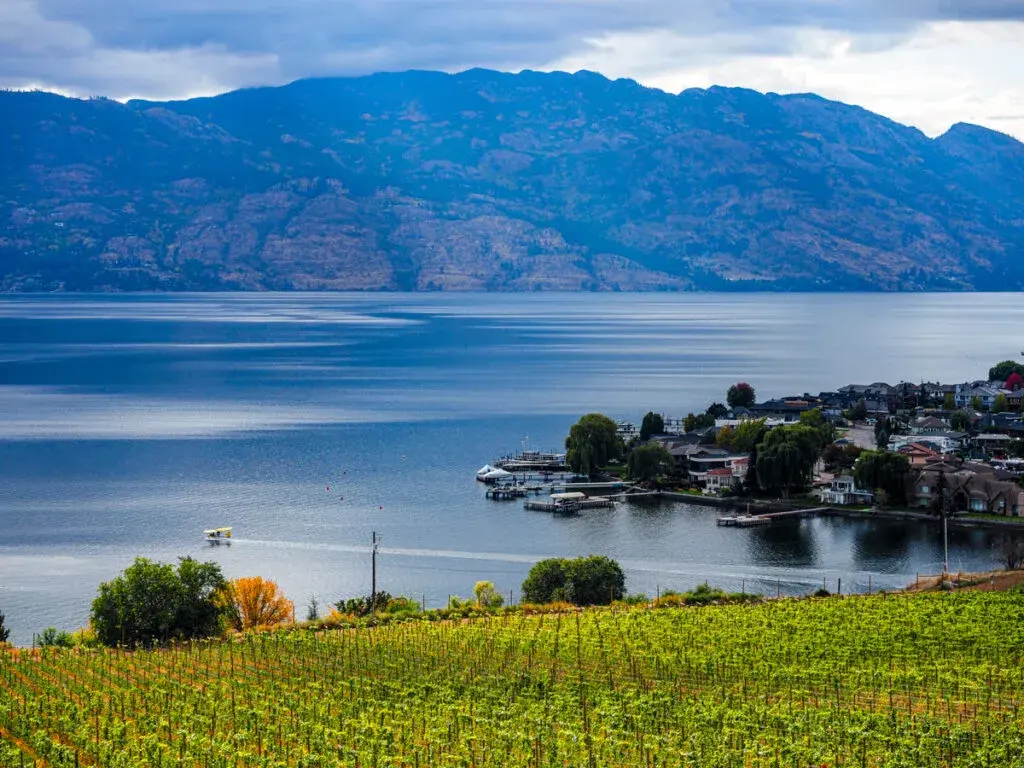
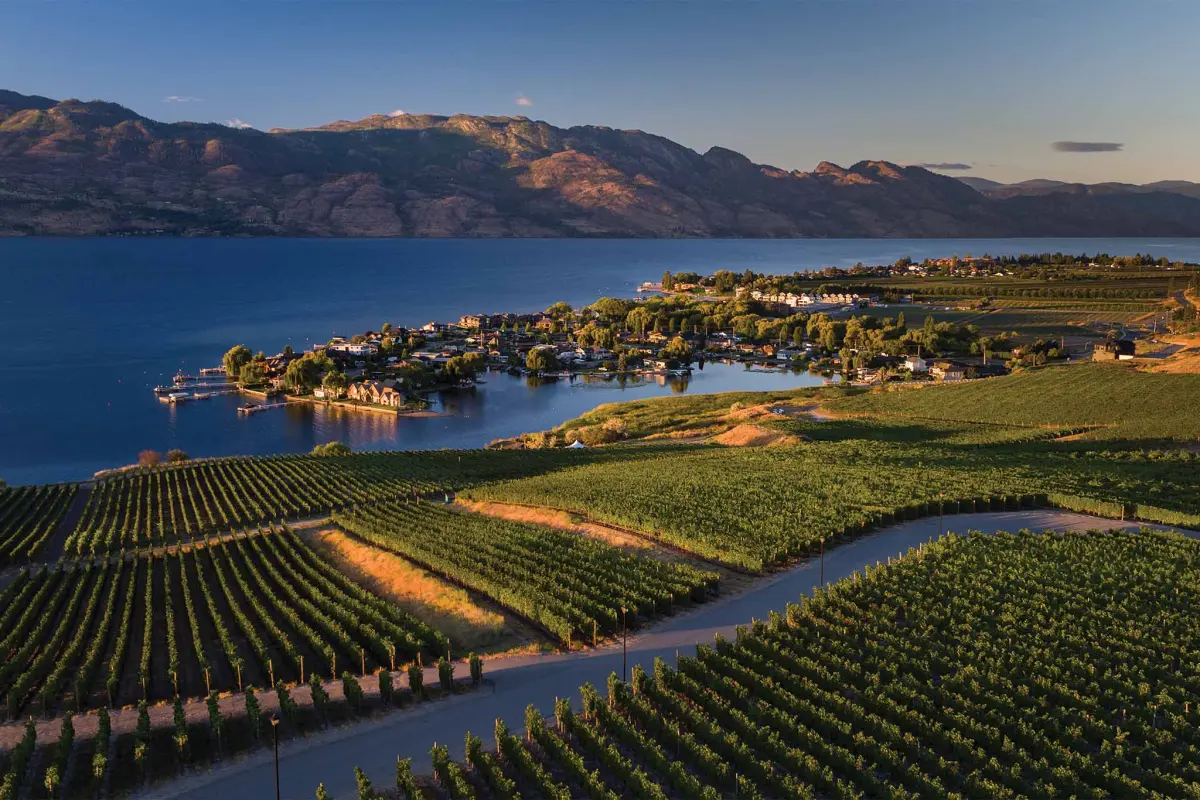
The Okanagan Valley’s fame stems from its rare combination of a northern latitude and a high-desert climate. While the region sits at 50 degrees north, the surrounding mountains create a rain shadow effect, resulting in hot, dry summers and long daylight hours. This allows grapes to ripen fully while maintaining the vibrant acidity that defines the region’s signature style. The valley is divided into distinct sub-geographical indications, each offering unique soil compositions ranging from glacial till to sandy loam.
This diversity enables winemakers to experiment with a wide array of varietals. The northern regions, such as Lake Country, are celebrated for crisp aromatic whites, while the southern reaches, particularly around Osoyoos and Oliver, experience intense heat that supports bold, structured red wines. This versatility has transformed the valley from a localized secret into an internationally recognized viticultural area that frequently competes with established European regions in blind tastings.
What are the best wine varietals for beginners?
For those new to Okanagan wines, starting with the region’s most consistent performers is the best approach. The valley has built its reputation on specific grapes that thrive in its unique environmental conditions. If you are unsure where to begin, look for these popular and accessible styles:
- Riesling: Known for its high acidity and citrus notes, often produced in styles ranging from bone-dry to off-dry.
- Pinot Gris: The most planted grape in the region, offering a rich, textured mouthfeel with stone fruit flavors.
- Merlot: The backbone of the southern valley, producing plush, velvety reds with dark cherry and plum profiles.
- Chardonnay: Frequently crafted with a balance of crisp apple notes and subtle, well-integrated oak.
These varietals showcase the balance between fruit intensity and structural elegance that defines the Okanagan. Beginners often find that these wines are highly approachable, pairing easily with a wide variety of foods from fresh seafood to roasted meats.
How to plan a trip to the Okanagan Valley
Planning a successful wine tour requires careful consideration of the valley's vast geography. Because the region spans over 250 kilometers, it is best to divide your itinerary by sub-region rather than trying to visit the entire valley in a single weekend. Start by focusing on one specific area, such as the Naramata Bench or the Golden Mile Bench, to minimize travel time and maximize your tasting experience.
- Research your preferred wineries online and book tastings in advance, especially during the peak summer months.
- Select a central home base, such as Kelowna, Penticton, or Osoyoos, to reduce daily driving distances.
- Hire a professional wine tour company or designate a driver to ensure safety while visiting multiple estates.
- Limit your visits to three or four wineries per day to avoid palate fatigue and ensure you can properly enjoy each experience.
Always check the winery websites for seasonal hours, as many smaller boutique operations close or reduce their availability during the winter months.
Common mistakes when visiting wineries
The most frequent error visitors make is rushing through the experience without considering the logistics of the valley. Many travelers underestimate the distance between wineries, leading to stressful afternoons spent stuck in traffic on Highway 97. Additionally, failing to eat a proper meal between tastings is a common oversight that can quickly diminish your ability to appreciate the nuances of the wine.
Another mistake is neglecting to purchase wine on-site. Many of the most unique, small-batch bottles produced in the Okanagan are never distributed to retail stores or provincial liquor outlets. If you find a wine you enjoy, buy it at the source, as it may be the only opportunity to secure that specific vintage. Finally, avoid wearing strong perfumes or colognes, as these scents interfere with the delicate aromatics of the wines being served in the tasting room.
Why is the Okanagan terroir unique?
The terroir of the Okanagan is defined by its glacial history and extreme temperature fluctuations. During the growing season, the valley experiences significant diurnal shifts, meaning the temperature drops dramatically at night after a hot day. This cooling effect is crucial for viticulture, as it preserves the natural acidity and aromatic complexity of the grapes while they continue to develop sugars during the day.
The soil, heavily influenced by glacial deposits, provides excellent drainage, which forces the vines to struggle slightly and focus their energy on fruit production. This environmental stress is a hallmark of high-quality winemaking, leading to more concentrated flavors in the finished product. From the mineral-rich slopes of the northern benchlands to the heat-soaked, sandy soils of the southern desert, the Okanagan Valley offers a complex tapestry of growing conditions that continue to surprise and delight wine critics and casual enthusiasts alike.
Key facts
- The Okanagan Valley is British Columbia’s premier wine region, home to over 180 licensed wineries spanning 150 miles from north to south.
- The region is world-renowned for its cool-climate viticulture, producing high-quality Chardonnay, Pinot Noir, Riesling, and crisp aromatic whites.
- Desert-like conditions in the southern sub-region of Osoyoos allow for the successful cultivation of heat-loving red varieties like Merlot, Cabernet Sauvignon, and Syrah.
- The valley’s unique "bench" topography provides excellent drainage and sun exposure, which is critical for ripening grapes in a northern latitude.
- Visit between May and October for the best tasting experiences, as many smaller boutique wineries close their doors during the winter months.
- Avoid visiting without a reservation, especially at popular estates like Mission Hill or Burrowing Owl, as tasting slots fill up quickly during peak summer weekends.
The bottom line
The Okanagan Valley offers a diverse wine-tasting experience defined by its dramatic landscape and distinct microclimates. By focusing on the northern cool-climate whites and the southern heat-loving reds, visitors can explore a wide spectrum of world-class vintages. To maximize your trip, plan your route by sub-region, book tastings in advance, and always prioritize safe transportation to fully enjoy the region's exceptional viticultural heritage and hospitality.
People also ask
Which sub-regions are best for white wine versus red wine?
The northern regions, such as Kelowna and Lake Country, are cooler and ideal for crisp whites like Riesling and Pinot Gris. The southern reaches near Osoyoos and Oliver experience higher temperatures, making them better suited for robust reds like Cabernet Franc and Merlot.
What is the best way to travel between wineries?
Hiring a private tour company or a designated driver is the safest and most efficient way to explore. Cycling is popular in areas like the Naramata Bench, but be aware that the terrain can be hilly and temperatures often exceed 30°C in July and August.
Are there specific wine routes I should follow?
Yes, the Naramata Bench is a famous 12-mile stretch featuring over 40 wineries with stunning lake views. Another popular route is the Black Sage Bench in Oliver, known for its expansive vineyards and high-end red wine production.
Do I need to pay for wine tastings?
Most wineries charge a tasting fee, which typically ranges from $15 to $30 per person. Many estates will waive this fee if you purchase a bottle or join their wine club, so always ask about these policies before you start.
What should I pack for a wine tour in the Okanagan?
Bring comfortable walking shoes, sunscreen, and a light jacket, as temperatures can drop significantly once the sun sets over the mountains. Hydration is essential, so carry a reusable water bottle to drink between tastings to stay refreshed throughout the day.
Can I bring children to the wineries?
Many family-owned wineries are welcoming to children and offer non-alcoholic options like grape juice or snacks. However, some high-end estates maintain an adults-only policy for tastings, so check the winery’s website in advance to avoid disappointment.
This answer was created with the help of AI research tools and reference sources. Spotted an error? Let us know — we correct mistakes quickly. See our editorial policy.