Where should you stay in Vancouver?
Short answer
Downtown Vancouver is the most convenient base for first-time visitors, offering proximity to major attractions, transit, and the waterfront. If you prefer a quieter, boutique atmosphere, choose Kitsilano or Mount Pleasant. For luxury and scenic views, stay in Coal Harbour or Yaletown. Your choice depends entirely on your preferred travel pace.
On this page
Where to stay for first-time visitors
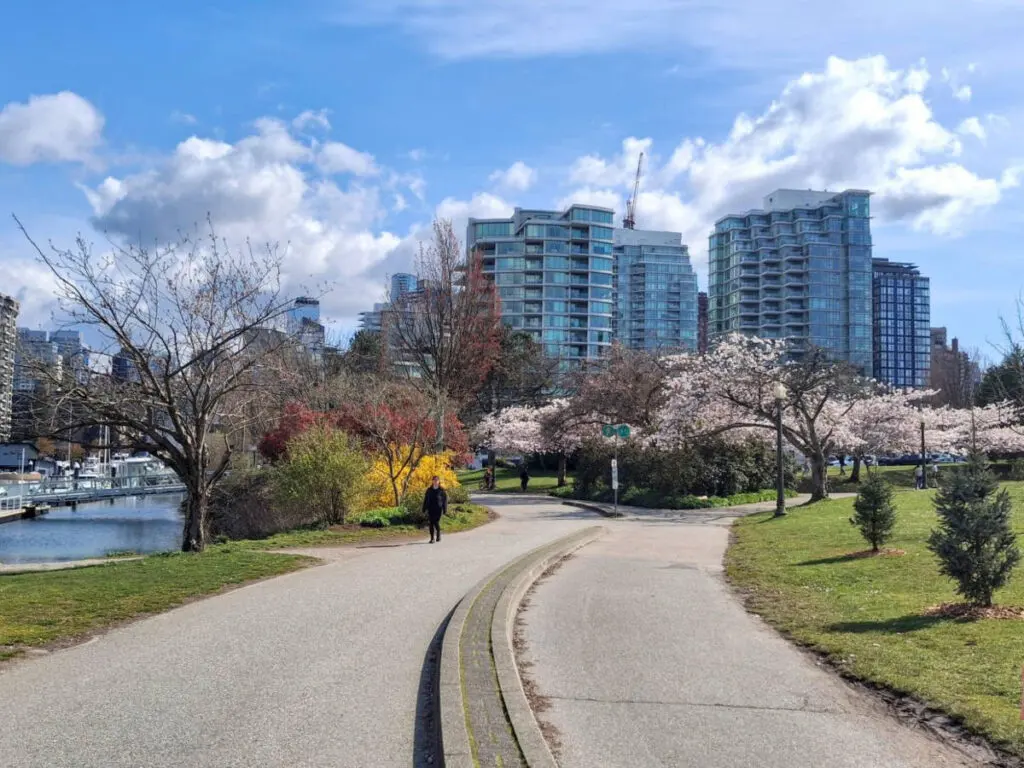
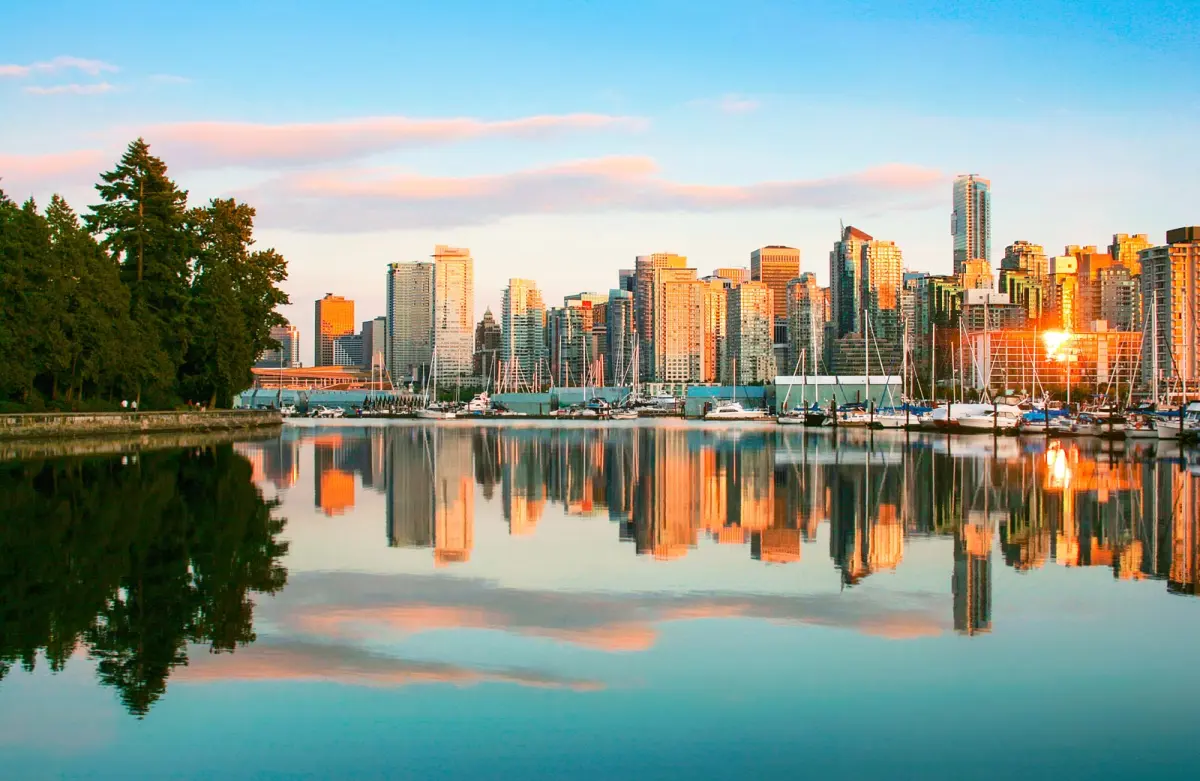
For those visiting Vancouver for the first time, Downtown is the optimal location. This area encompasses the West End, Coal Harbour, and Yaletown, putting you within walking distance of Stanley Park, the Seawall, and the cruise ship terminal. Staying here minimizes travel time, as you can easily access the SkyTrain to reach the airport or outlying suburbs. Most major hotel chains are concentrated in this corridor, offering a wide range of pricing and amenities.
When selecting a hotel in the downtown core, consider these factors to ensure a pleasant stay:
- Proximity to the Canada Line SkyTrain station for easy airport access.
- Distance to the waterfront to ensure scenic morning walks.
- Availability of parking, as downtown hotel parking fees often exceed $40 per night.
- Noise levels, especially if staying near the busy Granville Entertainment District.
If you prefer a more residential feel while staying central, the West End is an excellent choice. It is tucked between the high-rises of the business district and the natural beauty of Stanley Park. You will find charming heritage buildings and smaller boutique hotels here, providing a quieter experience than the bustling city center.
Best neighborhoods for local culture
Travelers looking to experience Vancouver like a local should head to Mount Pleasant or Kitsilano. Mount Pleasant, located south of False Creek, is the city’s creative hub, characterized by street art, independent coffee shops, and craft breweries. It is highly walkable and offers a younger, vibrant energy that is distinct from the polished downtown core.
Kitsilano, often called "Kits," is famous for its beach culture and relaxed lifestyle. It is home to Kitsilano Beach and the outdoor saltwater pool, making it perfect for those who enjoy outdoor recreation. Staying here provides easy access to Granville Island via the Aquabus, a small passenger ferry that is a highlight for many visitors.
- Rent a bicycle to explore the Seawall, which connects Kitsilano to the downtown core.
- Visit the local farmers' markets if you are staying in an apartment with a kitchen.
- Spend an afternoon exploring the independent boutiques along Main Street in Mount Pleasant.
- Take the Aquabus to Granville Island to browse the Public Market and artisan studios.
How to choose between hotels and rentals
Vancouver offers a diverse range of accommodations, but regulations regarding short-term rentals are strict. The city requires that short-term rentals be located within the host’s principal residence. Consequently, you will find fewer "whole-home" listings on popular platforms compared to other major cities. If you prefer the amenities of a hotel, such as daily housekeeping and concierge services, the downtown area provides the most inventory.
If you choose a short-term rental, verify that the listing has a valid business license number, which is legally required to be displayed. Avoiding unlicensed rentals is crucial, as they are subject to sudden cancellation if the city enforces compliance. For longer stays or families requiring multiple bedrooms, look for "aparthotels" or extended-stay suites, which bridge the gap between traditional hotel services and residential comfort. These properties are often found in Yaletown or near the Olympic Village.
Common mistakes when booking accommodation
A frequent error is underestimating the geography of the Greater Vancouver area. Visitors often book hotels in suburbs like Burnaby or Richmond, assuming they are close to the city center. While the SkyTrain makes these areas accessible, staying outside the city limits can add 30 to 45 minutes of travel time to your daily sightseeing. Always check the proximity of your hotel to a rapid transit station before finalizing your booking.
Another mistake is ignoring the seasonal nature of Vancouver’s hotel pricing. Summer months, particularly July and August, see peak occupancy and high rates due to cruise ship traffic and favorable weather. If you are traveling on a budget, consider visiting during the shoulder seasons of May, June, or September. You will find more competitive pricing and fewer crowds at major attractions like the Capilano Suspension Bridge or the Vancouver Aquarium. Avoid booking without checking for nearby construction, as downtown development projects can cause significant noise disturbances.
How to get around from your hotel
Once you have settled into your neighborhood, navigating the city is straightforward. Vancouver’s public transit system, TransLink, includes the SkyTrain, buses, and the SeaBus, which connects downtown to the North Shore. Most visitors find that they do not need a rental car, especially if they stay in the downtown or Kitsilano areas. Parking is expensive and traffic congestion can be significant during rush hours.
If you plan to explore beyond the city, such as visiting Whistler or the North Shore mountains, consider renting a car for only those specific days. For daily travel, use a contactless payment method like a credit card or mobile wallet on all transit turnstiles. This eliminates the need to purchase individual tickets or reload transit cards. Always keep a digital map handy, as it will provide real-time updates on bus schedules and train arrivals, ensuring you spend less time waiting and more time enjoying the city.
Key facts
- Downtown Vancouver is the most convenient hub for first-time visitors, offering proximity to major attractions like Stanley Park and the Vancouver Art Gallery.
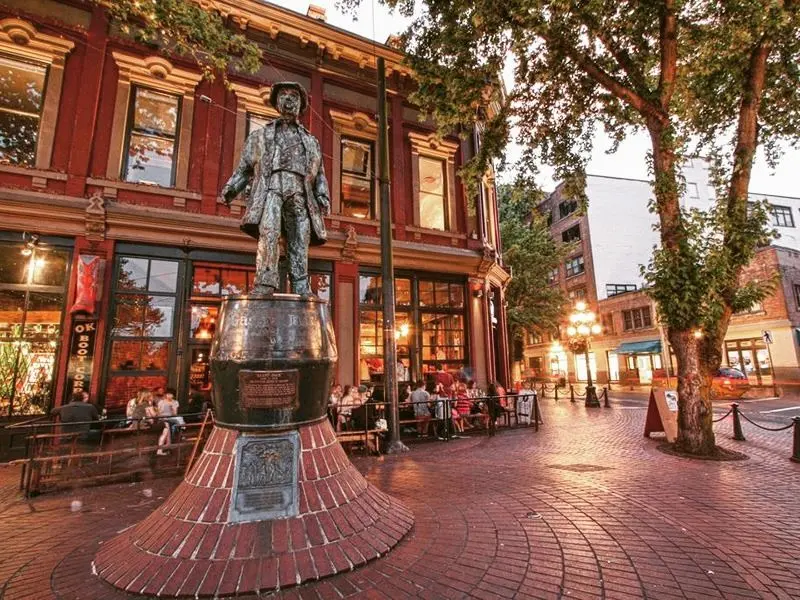
- Gastown is the city's oldest neighborhood, characterized by cobblestone streets, Victorian architecture, and the famous steam clock.
- Yaletown offers a trendy, upscale atmosphere with converted warehouse lofts, high-end dining, and easy access to the False Creek seawall.
- Kitsilano is ideal for travelers seeking a laid-back, beach-focused experience near the popular Kitsilano Beach and local boutique shops.
- West End provides a quieter, residential feel located directly adjacent to Stanley Park and the English Bay beaches.
- Public transit, including the SkyTrain and SeaBus, makes staying slightly further from the city center highly feasible and often more budget-friendly.
The bottom line
Choosing where to stay in Vancouver depends on your travel priorities. For maximum convenience and access to major sights, downtown and the West End are top choices. If you prefer a local, trendy vibe, explore Yaletown or Kitsilano. Regardless of your choice, leverage the city’s efficient public transit to explore further afield, and always book your accommodations well in advance to secure the best rates.
People also ask
Is it better to stay in downtown Vancouver or near the airport?
Downtown is significantly better for tourists because it is within walking distance of major landmarks, restaurants, and transit hubs. Staying near the airport is only recommended if you have a very early flight or a late-night arrival.
What is the most walkable neighborhood in Vancouver?
The West End and Downtown are the most walkable areas, as they contain high densities of grocery stores, parks, and entertainment venues. You can easily navigate these districts on foot without needing a car or public transportation.
Are hotels in Vancouver expensive during the summer?
Yes, summer is the peak tourist season, and hotel rates often double between June and August. Booking at least three to six months in advance is essential to secure reasonable pricing and availability.
Does Vancouver have a high crime rate in specific areas?
Like many major cities, Vancouver has areas with significant social challenges, particularly around the Downtown Eastside. Visitors are generally advised to be aware of their surroundings when walking through this specific district, especially at night.
Can I rely on public transportation instead of renting a car?
Vancouver has an excellent public transit system, including the SkyTrain, buses, and the SeaBus ferry. Renting a car is often a disadvantage due to expensive parking fees and heavy traffic congestion in the downtown core.
Which neighborhood is best for families?
Kitsilano and the West End are excellent choices for families due to their proximity to large parks, beaches, and playgrounds. These areas offer a calmer environment while remaining well-connected to the rest of the city.
This answer was created with the help of AI research tools and reference sources. Spotted an error? Let us know — we correct mistakes quickly. See our editorial policy.