What is BC Ferries?
Short answer
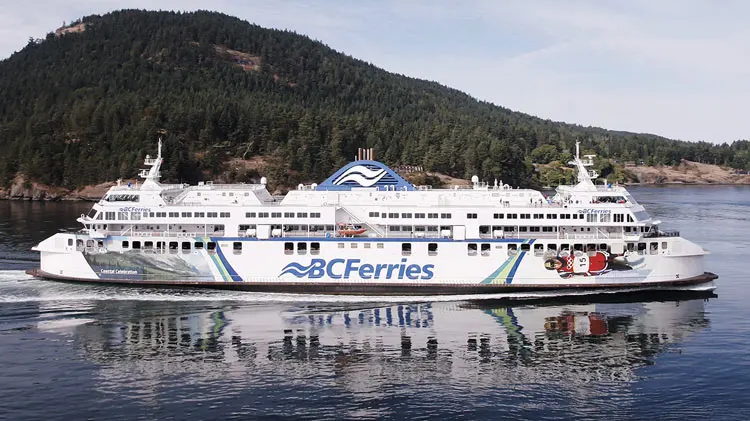
BC Ferries is a publicly traded, independently managed company that provides essential coastal ferry services in British Columbia, Canada. It operates one of the largest ferry systems in the world, connecting Vancouver Island, the Gulf Islands, and the mainland with a fleet of 37 vessels serving 47 ports across 25 routes.
On this page
What is the history of BC Ferries?
The British Columbia Ferry Corporation was established in 1960 as a Crown corporation to provide reliable transportation between the mainland and Vancouver Island. Before its inception, travel relied on private operators and aging vessels that struggled to meet the growing demands of a developing province. The government recognized that a unified, state-managed system was necessary to support the economic integration of coastal communities and the expansion of tourism.
In 2003, the organization underwent a significant structural change, transitioning into an independent, regulated company known as the British Columbia Ferry Services Inc. While the provincial government remains the sole shareholder, the company operates under a performance-based contract overseen by the BC Ferries Commissioner. This model was designed to ensure financial sustainability while maintaining high safety standards and service levels. Today, the company remains a cornerstone of the provincial transportation infrastructure, moving millions of passengers and vehicles annually.
How do you book BC Ferries travel?
Booking in advance is highly recommended for major routes, especially during peak travel times like summer weekends and holidays. Reservations can be made through the official BC Ferries website or their mobile application. By securing a booking, travelers ensure a spot on their preferred sailing, which is critical for those traveling with vehicles on high-traffic routes such as Tsawwassen to Swartz Bay.
To successfully manage your booking, follow these steps:
- Create an account on the BC Ferries website to track your reservations.
- Select your departure and arrival terminals, along with your travel date and time.
- Provide your vehicle length and height, as incorrect measurements can lead to boarding issues.
- Pay the reservation fee online to confirm your spot on the vessel.
- Arrive at the terminal at least 30 to 60 minutes before your scheduled sailing time.
What are the most popular routes?
The network is divided into various routes, but the "Major Routes" are the most frequently used by commuters and tourists. These routes connect the major metropolitan areas of Vancouver and Victoria, as well as the Sunshine Coast. The primary corridors include:
- Tsawwassen (Vancouver) to Swartz Bay (Victoria)
- Horseshoe Bay (West Vancouver) to Departure Bay (Nanaimo)
- Horseshoe Bay to Langdale (Sunshine Coast)
- Tsawwassen to Duke Point (Nanaimo)
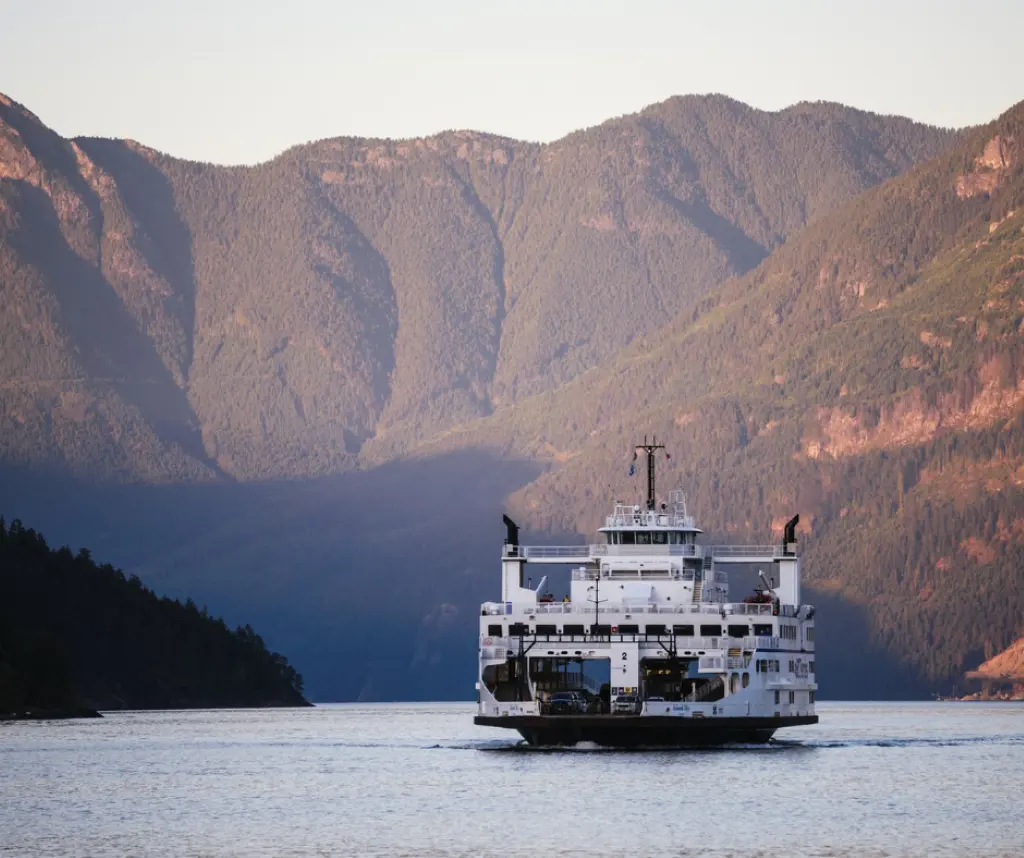
These routes utilize the largest vessels in the fleet, known as Spirit-class or Coastal-class ships. These ferries feature multiple decks, onboard cafes, gift shops, and dedicated lounges. Passengers on these routes can enjoy scenic views of the Salish Sea, often spotting marine life such as seals, porpoises, or even whales. Because these routes are the busiest, they operate on frequent, daily schedules, often departing every hour during peak periods.
Common mistakes when using BC Ferries
Many first-time travelers underestimate the importance of terminal arrival times. A common error is arriving exactly at the scheduled departure time, which often results in being left behind if the ferry is fully booked or if you have not checked in at the toll booth. Always aim to arrive well before the cutoff time indicated on your booking confirmation.
Another frequent mistake involves failing to account for vehicle size accurately. If your vehicle has a roof rack, bike rack, or trailer, you must include these in your total length and height measurements. Failure to provide accurate dimensions can result in your vehicle being denied boarding or being charged an additional fee at the terminal. Additionally, travelers often forget to check the current conditions page on the website before leaving home, which provides real-time updates on sailing delays, mechanical issues, or weather-related cancellations that could disrupt your travel plans.
How to prepare for your ferry trip
Preparation is key to a stress-free experience, especially if you are traveling with pets or children. On most vessels, pets must remain in your vehicle during the transit, though some ships offer designated pet areas or kennels. Ensure your vehicle is well-ventilated if you leave pets inside, and check the specific rules for your route before boarding.
Consider the following tips for a smoother journey:
- Pack a small bag with essentials like water, snacks, and entertainment, as you may not be able to return to your vehicle during the sailing.
- Dress in layers, as the upper outdoor decks can be quite windy and cold even on sunny days.
- Use the restroom before boarding, as terminal facilities are more accessible than those on the crowded vehicle decks.
- Check the BC Ferries website for "Current Conditions" to monitor for any unexpected service interruptions or heavy traffic alerts.
By following these simple guidelines, you can navigate the coastal waters of British Columbia with confidence and enjoy the unique experience of traveling by sea.
Key facts
- BC Ferries is one of the largest ferry operators in the world, serving 47 ports of call along the coast of British Columbia.
- The company operates a fleet of 37 vessels that transport more than 22 million passengers and 8 million vehicles annually.
- Reservations are strongly recommended for major routes, such as Vancouver (Tsawwassen) to Victoria (Swartz Bay), to avoid long wait times.
- Passengers should arrive at the terminal 45 to 60 minutes before their scheduled departure to ensure smooth boarding.
- The service is a private company that operates under a contract with the provincial government to provide essential coastal transportation.
- Travelers can use the BC Ferries website or mobile app to check real-time sailing status and current terminal traffic conditions.
The bottom line
BC Ferries serves as a vital transportation link for British Columbia, connecting the mainland to Vancouver Island and various smaller coastal communities. By managing a massive fleet and complex scheduling, the service facilitates both tourism and essential commerce. To ensure a stress-free experience, travelers should always book reservations in advance, monitor real-time sailing updates, and arrive at terminals well before their scheduled departure time for boarding.
People also ask
Do I need a reservation to travel on BC Ferries?
While you can travel without a reservation on most routes, it is highly recommended during peak travel times, weekends, and holidays. Without a booking, you risk waiting for multiple sailings if the terminal reaches capacity.
Are pets allowed on the ferries?
Pets are welcome on most vessels but must remain in your vehicle or stay in designated pet areas on the outer decks. Owners must keep dogs on a leash at all times while outside of their vehicles.
How much does it cost to travel with BC Ferries?
Fares vary depending on the route, the size of your vehicle, and the number of passengers in your party. You can find specific pricing for your trip by using the fare calculator on the official BC Ferries website.
Can I walk onto the ferry without a vehicle?
Yes, foot passengers are welcome on all major routes and many smaller inter-island routes. You should purchase your ticket at the terminal or online in advance and arrive at least 30 minutes before departure.
What amenities are available on board?
Most major vessels feature cafeterias, coffee shops, gift stores, and comfortable lounge seating. Some larger ships also offer workstations and quiet zones for passengers who need to work during the crossing.
What happens if a sailing is cancelled due to weather?
In the event of severe weather or mechanical issues, BC Ferries will notify passengers via email or text if they have a reservation. You can also monitor the service notices section of their website for the latest updates on cancellations.
This answer was created with the help of AI research tools and reference sources. Spotted an error? Let us know — we correct mistakes quickly. See our editorial policy.