How big do opossums get?
Short answer
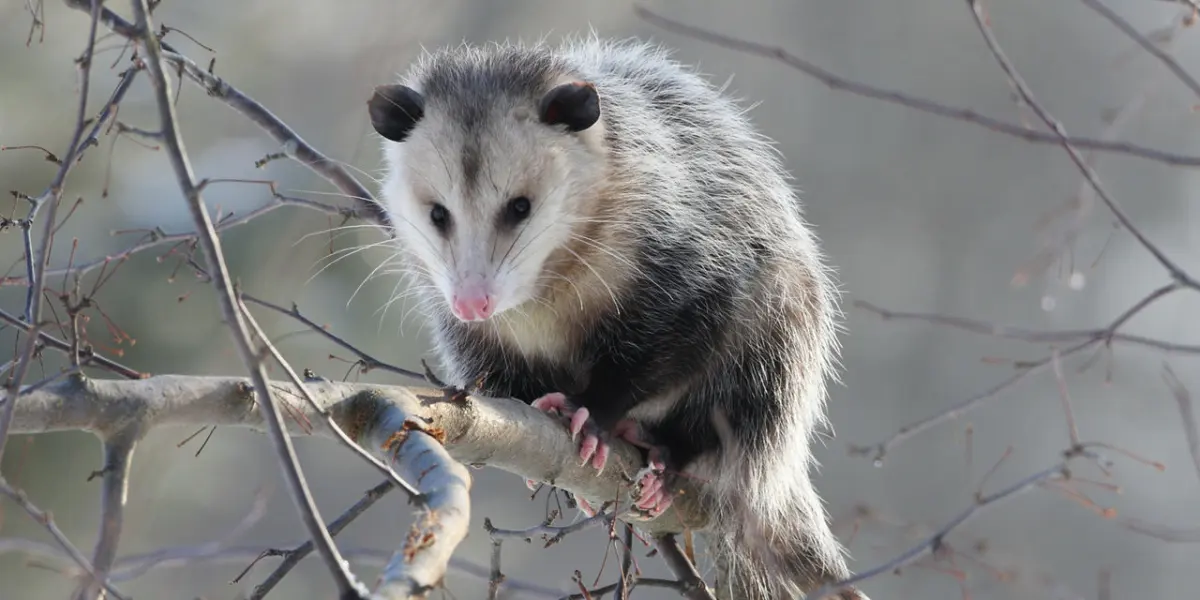
The Virginia opossum, North America’s only marsupial, typically reaches the size of a large house cat. Adults generally weigh between 4 and 15 pounds and measure 24 to 36 inches from nose to tail. Males are usually larger and heavier than females, though individual size varies significantly based on food availability and climate.
On this page
How big do opossums get on average?
The size of a Virginia opossum is highly variable depending on its geographic location and access to resources. On average, an adult opossum weighs between 4 and 15 pounds, with males often reaching the higher end of that range. In terms of length, these animals measure approximately 24 to 36 inches from the tip of their nose to the end of their hairless, prehensile tail. The tail itself accounts for about one-third of their total body length.
Interestingly, opossums living in northern climates tend to be larger than those in the southern United States. This biological phenomenon, known as Bergmann’s rule, suggests that larger body sizes help animals conserve heat more efficiently in colder environments. Regardless of their specific region, an opossum’s weight can fluctuate throughout the year based on the abundance of food, with individuals often packing on extra fat during the autumn months to prepare for winter.
Why do opossum sizes vary so much?
Several factors influence how large an individual opossum grows during its relatively short lifespan. Diet is the primary driver; as opportunistic omnivores, opossums that live near human settlements often have access to calorie-dense food scraps, which can lead to heavier body weights compared to their wild counterparts. Conversely, those living in remote areas must rely on a diverse diet of insects, fruit, carrion, and small vertebrates, which may result in a leaner build.
Health and age also play critical roles in determining the final size of the animal. Because opossums have a short life expectancy—typically only one to two years in the wild—they do not have long periods to reach their maximum growth potential. External stressors, such as competition for territory or exposure to predators, can also impact their overall physical development. The following factors are most significant in determining their final size:
- Nutritional quality of the local habitat.
- Genetic predisposition inherited from parents.
- Seasonal food availability during juvenile stages.
- Presence of parasites or chronic health conditions.
How to identify an opossum by size
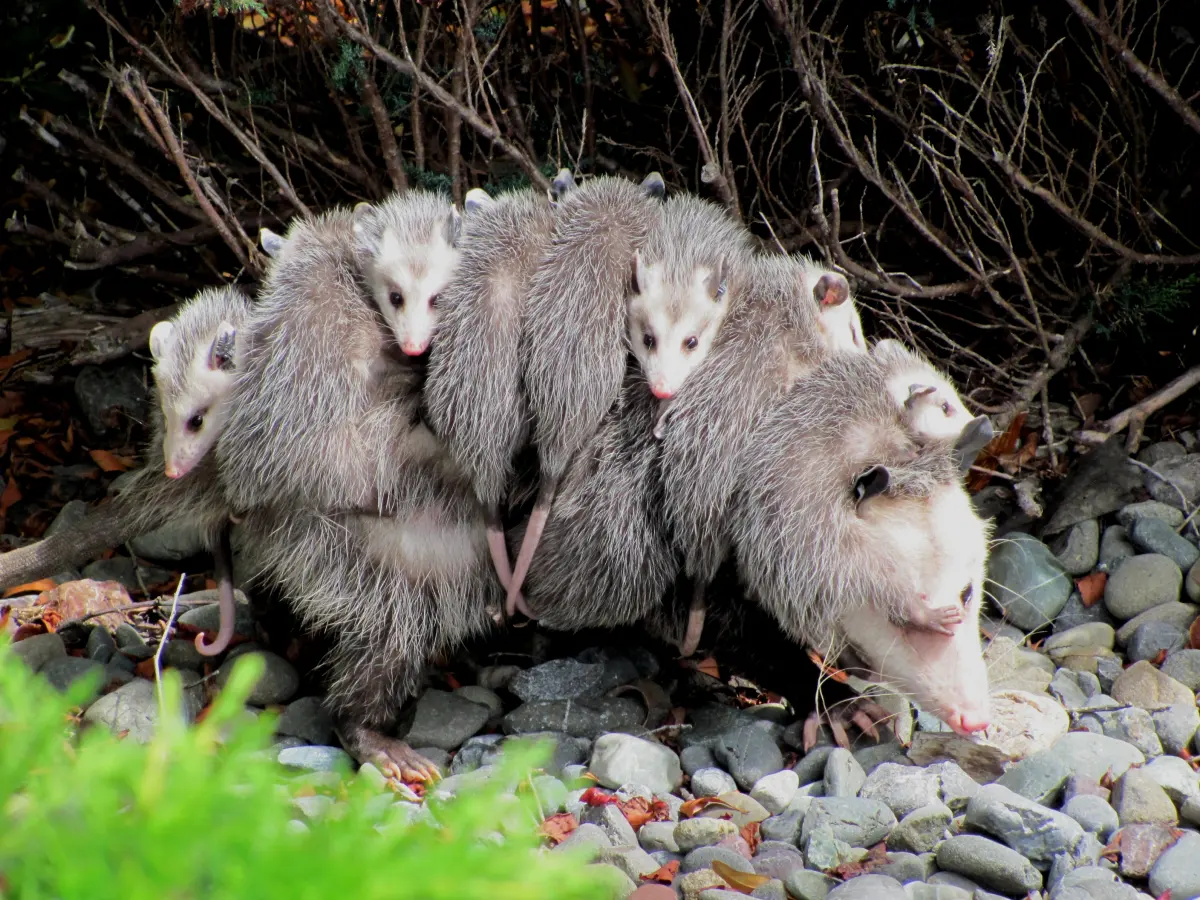
Determining the age of an opossum by its size can be difficult for the untrained observer, as their growth is rapid during the first few months of life. A "joey" that has just left the mother's pouch is roughly the size of a mouse, while a juvenile that is beginning to forage independently will be about the size of a rat. By the time they reach sexual maturity at six to nine months, they are usually close to their full adult dimensions.
If you encounter an opossum in your yard, you can estimate its age based on these rough physical benchmarks:
- Under 4 inches: Still residing in the mother's pouch or clinging to her back.
- 6 to 10 inches: Juvenile stage, beginning to explore their surroundings independently.
- 12 to 18 inches: Sub-adults, nearing full size but still relatively slender.
- 20+ inches: Fully mature adults, possessing a thick coat and a robust, cat-like build.
Common mistakes when estimating opossum size
One of the most frequent mistakes people make is overestimating the weight of an opossum due to its thick, coarse fur. When an opossum feels threatened, it may puff up its fur to appear larger and more intimidating to predators. This defensive posture can make a 6-pound animal look significantly heavier and more daunting than it actually is. It is important to remember that the skeletal structure of an opossum is quite light, and much of their perceived bulk is merely fluff.
Another common error is confusing a young opossum with a large rodent. While they share some visual similarities with rats, their physical proportions are distinct. Opossums have a pointed snout, a hairless tail, and a distinct gait that differs from the scurrying movement of a rat. If you see an animal that looks like a giant, slow-moving rat, it is almost certainly a young opossum. Do not assume that a small opossum is a baby that needs rescuing unless it is clearly injured or orphaned.
How to safely interact with local opossums
Because opossums are generally shy and non-aggressive, they do not pose a significant threat to humans or pets. If you find one on your property, the best approach is to leave it alone. They are beneficial neighbors because they consume large quantities of ticks, slugs, and garden pests. If you are concerned about their presence, focus on securing your trash cans and removing pet food from porches, which are the primary attractants.
If you must manage an opossum that has taken up residence in a crawlspace or shed, avoid physical contact entirely. Opossums are not known to carry rabies due to their low body temperature, but they can still bite if cornered or handled improperly. Follow these steps to encourage them to vacate your property safely:
- Use motion-activated lights to make the area less comfortable for nocturnal visits.
- Place a radio playing talk radio near the denning site to mimic human presence.
- Ensure all potential entry points are sealed only after you are certain the animal has left.
- Contact a local wildlife professional if the animal appears sick or trapped inside a structure.
Key facts
- The Virginia opossum, the only marsupial in North America, typically grows to the size of a large house cat.
- Adult males are generally larger than females, often weighing between 4 and 15 pounds.
- Their total body length, including the tail, ranges from 24 to 35 inches.
- Opossums have a prehensile tail that can measure up to 15 inches long, though it cannot support their full body weight for long periods.
- Because they are opportunistic eaters, their size is heavily influenced by the availability of food in their environment.
- To avoid attracting opossums to your property, secure trash cans and remove pet food left outside overnight.
The bottom line
The Virginia opossum is a medium-sized mammal, typically weighing between 4 and 15 pounds and reaching up to 35 inches in length. While their size can vary based on their diet, they remain docile, beneficial creatures that serve as natural pest controllers. Understanding their shy nature and short lifespan helps clarify why they are best observed from a distance rather than kept as pets.
People also ask
Do opossums carry rabies?
Opossums are rarely infected with rabies because their body temperature is lower than that of most other mammals. This lower temperature makes it difficult for the rabies virus to survive and thrive within their system.
Are opossums aggressive toward humans?
Opossums are generally shy and non-aggressive animals that prefer to avoid confrontation. When threatened, they often "play dead" as a defensive mechanism rather than attacking.
What do opossums eat?
They are omnivorous scavengers that consume a wide variety of items including insects, slugs, snails, fallen fruit, and carrion. They also frequently eat rodents and snakes, making them beneficial for pest control.
Read the full answer →How long do opossums live?
Opossums have a very short lifespan, typically living only one to two years in the wild. Their high metabolic rate and vulnerability to predators contribute to this brief life expectancy.
Read the full answer →Can opossums climb trees?
Yes, they are excellent climbers and spend much of their time in trees to forage or escape predators. Their sharp claws and prehensile tails provide them with superior balance and grip.
Should I keep an opossum as a pet?
Keeping an opossum as a pet is generally discouraged and often illegal without a permit. They are wild animals with specific dietary and environmental needs that are difficult to replicate in a domestic setting.
This answer was created with the help of AI research tools and reference sources. Spotted an error? Let us know — we correct mistakes quickly. See our editorial policy.