How long do bighorn sheep live?
Short answer
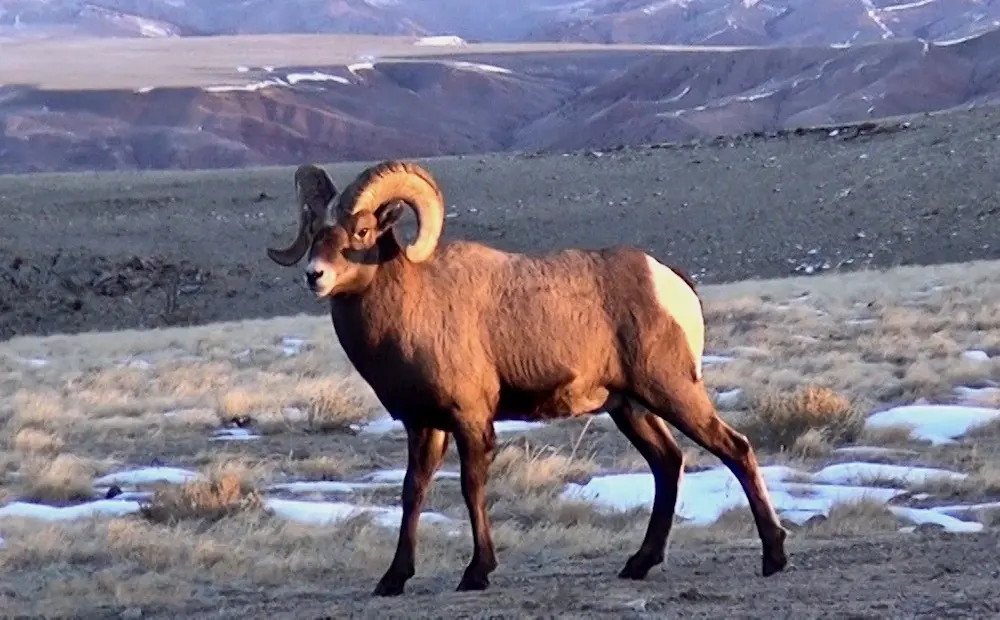
Bighorn sheep typically live between 10 and 15 years in the wild. While some individuals may reach 20 years under ideal conditions, environmental pressures often shorten their lifespans. Factors such as disease, predation, and harsh winters significantly influence longevity, with rams often having shorter average lifespans than ewes due to rutting stress.
On this page
How long do bighorn sheep live in the wild?
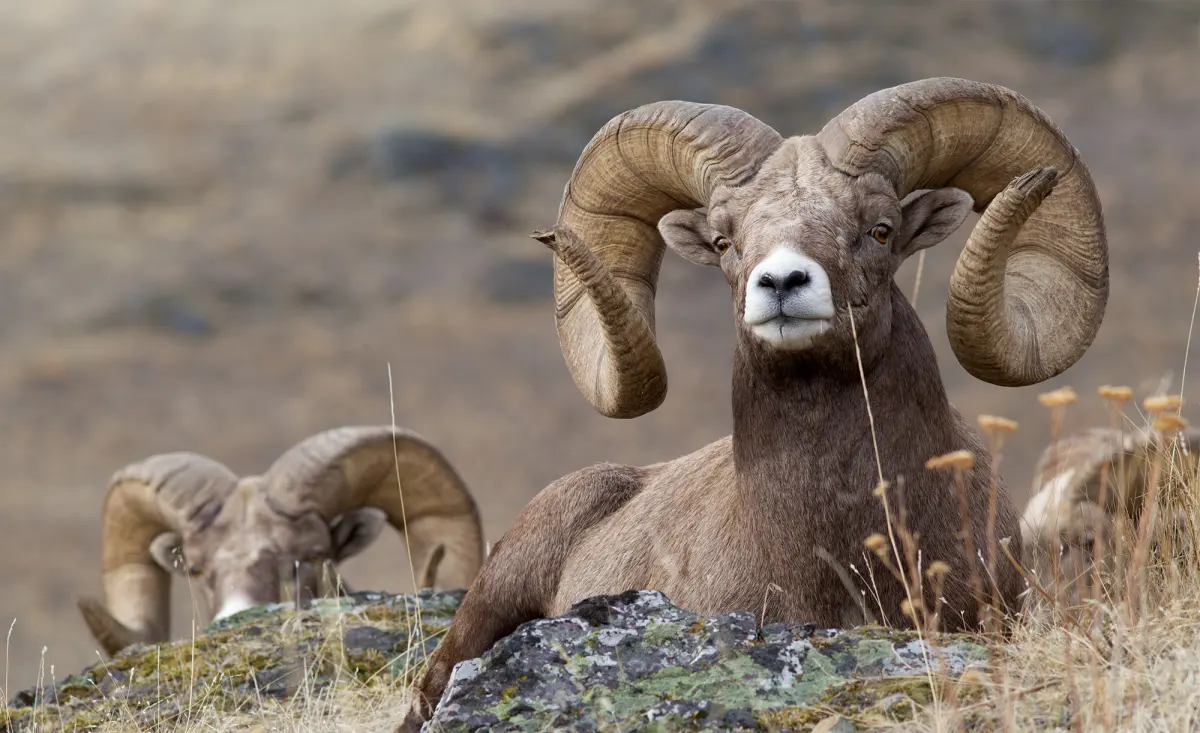
In their natural mountain habitats, bighorn sheep generally survive for about a decade. Ewes tend to outlive rams, sometimes reaching 15 to 18 years, as they do not endure the intense physical exhaustion associated with the annual breeding season. Rams, conversely, frequently die younger because of the severe energy depletion and injuries sustained during head-butting contests to establish dominance.
Environmental conditions play a critical role in determining individual longevity. Populations living in protected areas with abundant forage and fewer predators are more likely to reach the upper end of their age range. Conversely, herds struggling with resource scarcity or high predator density often experience higher mortality rates among both lambs and older adults.
The natural aging process for these animals is marked by a gradual decline in physical fitness. As sheep enter their second decade, their teeth begin to wear down, making it increasingly difficult to process the tough, fibrous grasses that constitute their primary diet. This nutritional deficit eventually leads to a weakened immune system and increased vulnerability to environmental stressors.
Why do bighorn sheep die prematurely?
Disease is the most significant threat to bighorn sheep populations, particularly respiratory infections like pneumonia. These outbreaks can devastate entire herds, affecting individuals of all ages regardless of their previous health status. Because bighorn sheep are highly social and live in close proximity, pathogens spread rapidly through the group, often resulting in mass die-offs that drastically lower the average life expectancy for the population.
Predation also accounts for a substantial number of deaths, especially among lambs and older, slower adults. Mountain lions, coyotes, and bobcats are the primary hunters of these sheep. While healthy adults can often escape by navigating steep, rugged terrain where predators struggle to follow, young or infirm sheep are frequently targeted, preventing them from reaching their full biological potential.
- Respiratory disease outbreaks caused by contact with domestic sheep.
- Predation from mountain lions and coyotes in rocky terrain.
- Severe winter weather leading to starvation and exhaustion.
- Accidents such as falls from steep cliffs during escape maneuvers.
How does the environment affect their lifespan?
The quality of available habitat is a primary determinant of how long a bighorn sheep will live. High-elevation ranges provide safety from predators and human encroachment, but they also expose the animals to extreme weather. During harsh winters with heavy snowfall, sheep must expend massive amounts of energy to move through deep drifts, which can lead to starvation if their fat reserves are insufficient.
Water availability also dictates the survival rates of specific herds. In arid desert environments, bighorn sheep must travel long distances between water sources and foraging grounds. This constant movement increases the risk of injury and exhaustion. When water sources dry up due to drought, the stress on the population increases, leading to higher mortality rates among the youngest and oldest members of the herd.
- Access to reliable, clean water sources during summer months.
- Availability of high-quality forage like grasses and sedges.
- Presence of escape terrain, such as steep cliffs and rocky outcrops.
- Minimal human disturbance near lambing grounds and migration corridors.
What are the signs of aging in bighorn sheep?
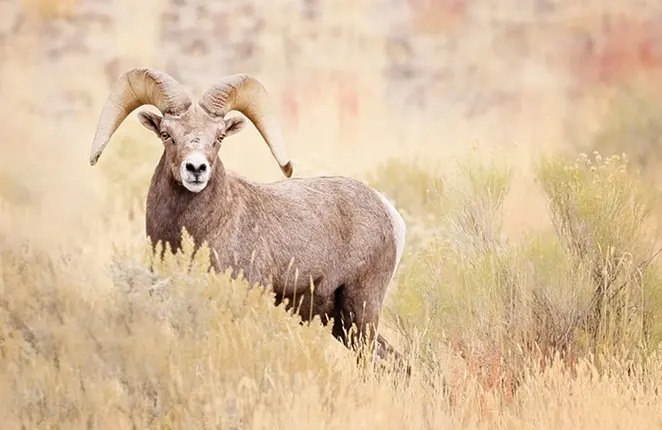
Observing the physical condition of a bighorn sheep provides insight into its age and health. As these animals age, their coat often becomes thinner or patchy, and they may move with less agility than younger members of the herd. Experts often look at the growth rings on the horns of rams, known as annuli, to determine their precise age, as these rings form annually.
Dental health is perhaps the most reliable indicator of an aging sheep’s remaining time. By the time a bighorn sheep reaches 12 or 13 years of age, its molars are often worn down to the gum line. This makes it impossible for the animal to properly masticate forage, leading to rapid weight loss. Once an individual can no longer maintain its body weight, it becomes susceptible to secondary health issues.
- Inspect the horn annuli to estimate the animal's chronological age.
- Monitor the animal’s gait and ability to navigate steep slopes.
- Observe the condition of the coat and overall body mass.
- Check for signs of lethargy or isolation from the main herd.
Common mistakes when estimating sheep age
A frequent error made by observers is assuming that a ram with massive, curling horns is necessarily the oldest in the herd. While horn size is impressive, it is heavily influenced by genetics and nutrition rather than age alone. A younger ram with superior access to high-quality forage can develop larger horns than an older individual living in a resource-poor environment, leading to significant miscalculations of age.
Another mistake is failing to account for the impact of human-related factors on lifespan. Observers often underestimate how domestic livestock grazing near wild herds can introduce novel diseases that drastically shorten life expectancy. By ignoring these external variables, one might assume a population is naturally dying young when, in reality, the mortality is driven by preventable environmental interference. Always consider the broader ecological context before drawing conclusions about the health or longevity of a specific bighorn sheep population.
Key facts
- Bighorn sheep typically live between 10 and 15 years in the wild.
- Ewes (females) generally live longer than rams (males) due to the physical toll of rutting combat.
- Predators such as mountain lions, wolves, and coyotes are the primary cause of mortality for lambs.
- Respiratory diseases, often transmitted from domestic sheep, are a leading cause of population decline.
- Habitat loss and fragmentation significantly reduce the average lifespan by forcing sheep into suboptimal environments.
- To observe bighorn sheep safely, maintain a distance of at least 100 yards to prevent stress that can weaken their immune systems.
The bottom line
While bighorn sheep have a natural lifespan of 10 to 15 years, their longevity is heavily influenced by environmental stressors, disease, and predation. Rams face higher mortality rates due to intense breeding competition, while ewes often enjoy longer lives. Protecting their habitat from domestic livestock contact and minimizing human disturbance are the most effective ways to ensure these iconic animals reach their full life expectancy.
People also ask
Do bighorn sheep live longer in captivity?
Yes, bighorn sheep in managed zoological settings can live up to 20 years. This is primarily due to consistent nutrition and the absence of natural predators or infectious diseases.
How can you tell the age of a bighorn sheep?
Biologists determine age by counting the annual growth rings, known as annuli, on the horns of the rams. These rings form each year, similar to the rings inside a tree trunk.
What is the biggest threat to bighorn sheep populations?
The most significant threat is pneumonia outbreaks caused by pathogens carried by domestic sheep and goats. These bacteria can devastate entire wild herds that lack natural immunity.
At what age do bighorn sheep reach maturity
Ewes typically reach sexual maturity at 2.5 years of age. Rams are physically capable of breeding earlier but rarely win enough dominance to mate successfully until they are 6 to 7 years old.
Do bighorn sheep migrate during their lifetime?
Many herds are migratory, moving between high-elevation summer ranges and lower-elevation winter ranges. They follow traditional ancestral routes passed down through generations to find food.
Why do rams have larger horns than ewes?
Rams use their massive, curled horns as weapons to compete for dominance during the breeding season. Ewes have smaller, spike-like horns that are used primarily for protection and social signaling.
This answer was created with the help of AI research tools and reference sources. Spotted an error? Let us know — we correct mistakes quickly. See our editorial policy.