How long do hawks live?
Short answer
Most hawks live between 10 and 20 years in the wild, though their lifespans vary significantly by species and environmental conditions. While many birds of prey die during their first year due to food scarcity or accidents, individuals that survive to adulthood often reach their second decade under optimal conditions.
On this page
How long do hawks live in the wild?
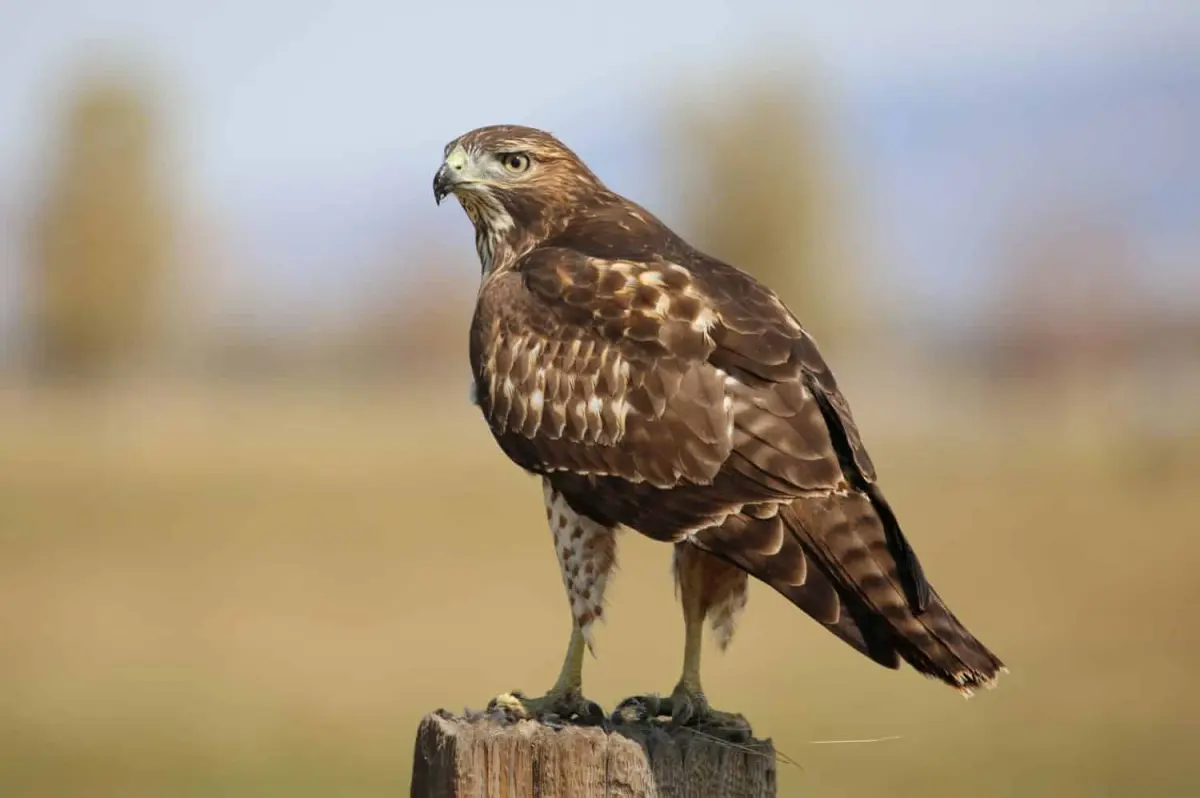
The lifespan of a hawk is heavily influenced by its species, habitat, and the availability of prey. Smaller species, such as the Sharp-shinned Hawk, typically have shorter lifespans, often living only 3 to 5 years on average. In contrast, larger species like the Red-tailed Hawk or the Ferruginous Hawk can live well into their teens. In the wild, these birds face constant threats, including severe weather, territorial disputes with other raptors, and the physical toll of hunting.
Mortality rates are highest during the first year of life, as young hawks must learn to hunt and navigate their environment without parental support. Those that successfully master these skills and survive their first winter are significantly more likely to reach a mature age. While some individuals have been recorded living over 20 years, these cases are the exception rather than the rule. Most wild hawks succumb to injury or starvation long before reaching their biological maximum age.
Why do hawks live longer in captivity?
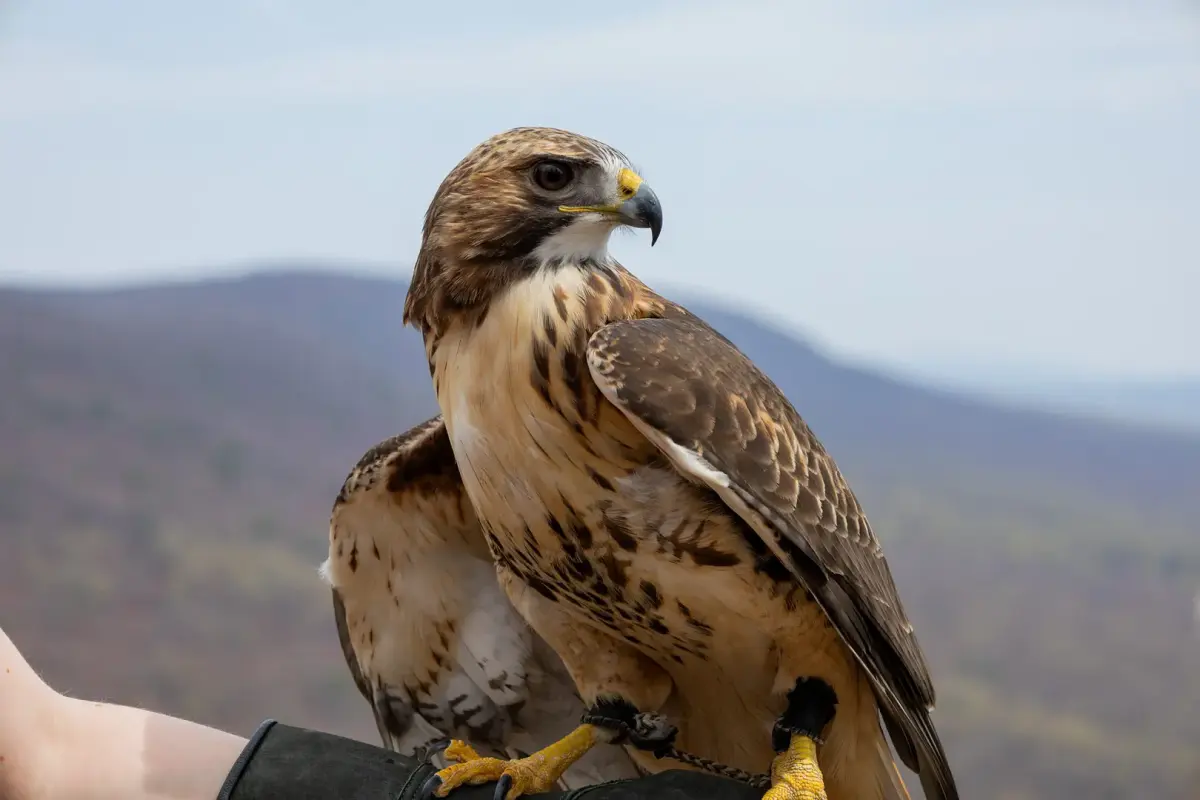
Hawks kept in captivity, such as those in zoos or wildlife rehabilitation centers, often live significantly longer than their wild counterparts. Without the daily struggle to find food, the risk of injury from hunting, or the threat of predators, these birds can focus their energy on maintenance and health. It is not uncommon for captive Red-tailed Hawks to live into their late twenties or even early thirties when provided with consistent veterinary care and a controlled environment.
However, captivity also presents its own set of challenges that can impact a bird's health. Proper nutrition is essential, as captive birds cannot rely on the diverse diet they would naturally consume in the wild. If their nutritional needs are not met, they may suffer from metabolic bone disease or other deficiencies. Additionally, captive birds require mental stimulation and adequate flight space to prevent obesity and muscle atrophy, which can shorten their lives despite the absence of external environmental threats.
How do environmental factors affect hawk survival?
The survival of a hawk is inextricably linked to the health of its ecosystem. Habitat loss is one of the primary drivers of declining populations, as it reduces the available nesting sites and hunting grounds. When hawks are forced into smaller areas, competition for resources increases, leading to higher stress levels and lower reproductive success. Furthermore, the use of pesticides and rodenticides in agricultural areas poses a severe threat to these birds.
- Pesticide accumulation: Chemicals used on crops can build up in the tissues of prey animals, eventually poisoning the hawks that consume them.
- Vehicle collisions: Hawks often hunt along roadsides, where they are frequently struck by passing cars.
- Electrocution: Power lines can be dangerous for large raptors, especially when they attempt to perch on utility poles.
- Climate change: Shifts in weather patterns can disrupt the migration cycles of prey, making it harder for hawks to find food during critical winter months.
Common mistakes when observing hawks
Many enthusiasts inadvertently harm the birds they are trying to study by failing to follow basic ethical guidelines. The most common mistake is getting too close to a nest or a hunting bird, which causes significant stress. Hawks are sensitive to human presence, and repeated disturbances can cause parents to abandon their nest, leaving eggs or chicks vulnerable. Observers should always maintain a respectful distance and use binoculars or spotting scopes instead of trying to approach the birds.
- Never use playback recordings of hawk calls to attract birds, as this disrupts their territorial behavior and wastes their energy.
- Avoid lingering near nesting sites during the spring, as this is the most critical period for chick development.
- Keep noise levels to a minimum and avoid sudden movements that might startle a perched bird.
- If you find an injured hawk, do not attempt to capture or feed it yourself; contact a licensed wildlife rehabilitator immediately for professional assistance.
How to support local hawk populations
Supporting hawk populations begins with protecting the habitats they depend on for survival. You can contribute to conservation efforts by supporting land trusts and organizations that work to preserve open spaces, forests, and wetlands. In your own backyard, you can make a difference by minimizing the use of chemical fertilizers and pesticides, which helps maintain a healthy food chain for raptors. Providing a clean water source, such as a birdbath, can also attract hawks and other birds during hot, dry spells.
If you are interested in actively participating in research, consider joining a citizen science project. Many organizations track hawk migration patterns and population numbers through annual counts, such as the Hawk Migration Association of North America. By contributing your observations to these databases, you help scientists understand how environmental changes are impacting the longevity and health of hawk species globally. These simple actions ensure that these magnificent predators continue to thrive in our ecosystems for many generations to come.
Key facts
- Most wild hawks live between 10 and 15 years, though some individuals reach 20 years in ideal conditions.
- Red-tailed hawks, one of the most common species in North America, often live 12 to 15 years in the wild.
- Survival rates are lowest during the first year of life, with many young hawks failing to reach adulthood.
- Captive hawks can live significantly longer than wild counterparts, sometimes reaching 25 to 30 years due to consistent food and veterinary care.
- Predation, vehicle collisions, and habitat loss are the primary factors that shorten a wild hawk's natural lifespan.
- To help local hawk populations, avoid using rodenticides, which can cause secondary poisoning when hawks eat contaminated prey.
The bottom line
While hawks are resilient predators, their lifespans are heavily dictated by environmental factors and the challenges of early life. In the wild, they typically survive for over a decade, though many succumb to human-influenced hazards before reaching maturity. By preserving natural habitats and avoiding toxic pest control methods, humans can play a vital role in ensuring these majestic birds continue to thrive in their native ecosystems.
People also ask
Do hawks mate for life?
Many hawk species, including red-tailed and Cooper’s hawks, are monogamous and often remain with the same mate for several breeding seasons. They typically return to the same nesting territory year after year to raise their young.
How can you tell the age of a hawk?
Determining the exact age of a wild hawk is difficult, but experts look at plumage patterns and eye color. Juvenile hawks often have paler eyes and different feather markings compared to the deeper, richer colors of mature adults.
What is the biggest threat to hawk survival?
Habitat destruction and human-related hazards are the greatest threats to hawks. Collisions with power lines, vehicles, and the ingestion of poisoned rodents are leading causes of mortality for these birds of prey.
Do hawks migrate?
Some hawk species are migratory, moving thousands of miles between breeding and wintering grounds, while others are year-round residents. Migration puts significant physical stress on birds, which can impact their overall longevity.
How many eggs do hawks lay?
Most hawks lay between two and four eggs per clutch, depending on the species and food availability. The female performs most of the incubation, while the male provides food for the family.
Can you keep a hawk as a pet?
It is illegal to keep a hawk as a pet in most countries, including the United States, without a specialized falconry permit. These birds require extensive training, specific housing, and a diet that most private individuals cannot provide.
This answer was created with the help of AI research tools and reference sources. Spotted an error? Let us know — we correct mistakes quickly. See our editorial policy.