How long do coyotes live?
Short answer
Coyotes typically live between two and four years in the wild, though some individuals may survive up to ten years under ideal conditions. In captivity, where they are protected from predators, disease, and human-related hazards, coyotes can live significantly longer, often reaching ages of 15 to 18 years.
On this page
How long do coyotes live in the wild?
In their natural habitat, the life expectancy of a coyote is remarkably short compared to domestic dogs. Most coyotes do not survive past their fourth year due to a combination of environmental pressures, competition, and human interaction. While they are highly adaptable animals, the harsh realities of nature—including food scarcity, territorial disputes, and exposure to canine diseases like distemper or parvovirus—keep the average lifespan low.
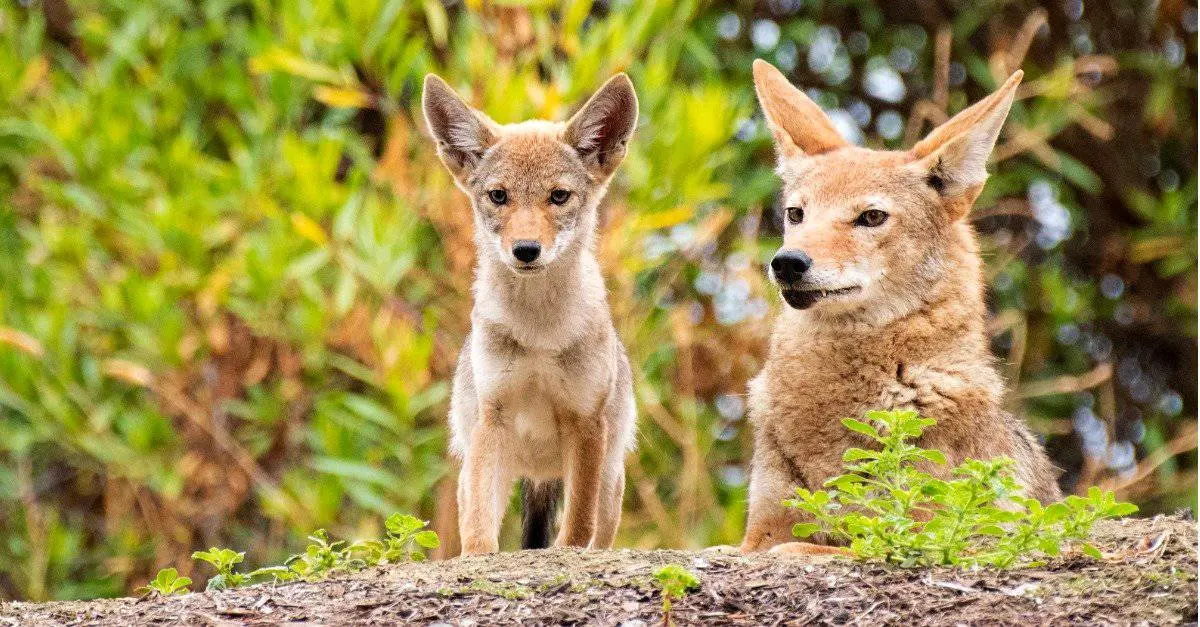
High mortality rates are particularly prevalent among pups. It is estimated that 50 to 70 percent of coyotes born in the wild do not survive their first year. Those that reach adulthood must navigate a landscape filled with risks, including vehicle collisions and interactions with larger predators like wolves or mountain lions. Consequently, while a coyote is biologically capable of living for a decade, the statistical reality for the vast majority is a much shorter existence.
Why do coyotes live longer in captivity?
When removed from the dangers of the wild, a coyote’s longevity increases dramatically. In controlled environments such as zoos or wildlife sanctuaries, these animals receive consistent nutrition, veterinary care, and protection from external threats. Without the need to hunt for every meal or defend a territory against rivals, their bodies experience far less physical trauma, allowing them to reach their full biological potential.
In these protected settings, it is not uncommon for coyotes to live well into their mid-teens. This disparity highlights that their short wild lifespan is not a result of biological frailty, but rather the extreme difficulty of surviving in an unpredictable ecosystem. Factors that contribute to their extended longevity in captivity include:
- Regular vaccinations against common canine pathogens.
- A balanced, nutrient-dense diet that prevents starvation.
- The absence of territorial fighting that causes severe injury.
- Protection from human-wildlife conflicts, such as trapping or traffic.
What factors affect coyote survival rates?
The survival of a coyote is dictated by its ability to secure resources and avoid human-related hazards. In urban and suburban areas, coyotes have learned to exploit human food sources, which can provide a steady caloric intake. However, this proximity to humans also increases the likelihood of being struck by vehicles, which remains one of the leading causes of death for adult coyotes in developed regions.
Natural factors also play a critical role in determining how long an individual survives. During severe winters, food sources like rodents and rabbits may become scarce, leading to malnutrition. Additionally, social structure influences survival; coyotes living in stable family units often fare better than solitary "transient" coyotes, which are forced to roam through unfamiliar and often hostile territories to find mates or food.
How to coexist with coyotes safely
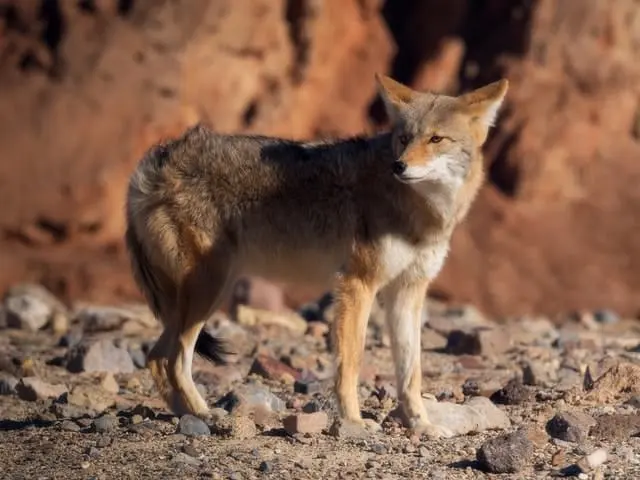
If you live in an area with a coyote population, understanding how to interact—or avoid interacting—with them is essential for both human and animal safety. The most important rule is to prevent coyotes from becoming habituated to humans. When coyotes lose their natural fear of people, they become bolder, which often leads to conflicts that result in the animal being euthanized by local wildlife authorities.
To maintain a safe distance and discourage coyotes from frequenting your property, follow these practical steps:
- Secure all trash cans with locking lids to prevent easy access to food.
- Remove pet food and water bowls from porches or yards at night.
- Clear away brush or woodpiles that could serve as hiding spots or dens.
- If you encounter a coyote, haze it by making loud noises or waving your arms to reinforce its fear of humans.
Common mistakes when managing coyote encounters
Many people inadvertently invite coyotes into their neighborhoods by failing to secure attractants. A common mistake is leaving small pets, such as cats or small dogs, unattended in unfenced yards after dark. Coyotes are opportunistic hunters and will view small pets as potential prey, especially if they are not supervised. Securing your yard with high, sturdy fencing can significantly reduce the risk of an unwanted visit.
Another frequent error is the intentional feeding of wildlife. While some individuals may enjoy watching coyotes, providing food creates a dangerous dependency. Once a coyote associates humans with food, it will stop hunting natural prey and begin approaching homes, which inevitably leads to aggressive behavior. By keeping coyotes wild and wary, you help ensure they stay in appropriate habitats rather than becoming a nuisance that requires removal. Avoiding these errors is the most effective way to protect your household and respect the natural lifespan of the local coyote population.
Key facts
- In the wild, most coyotes live between 3 and 5 years, though some individuals may reach 10 years of age.
- Captive coyotes can live up to 18 years because they are protected from predators, disease, and vehicle collisions.
- The primary cause of death for wild coyotes is human-related activity, including hunting, trapping, and vehicle strikes.
- Coyotes are highly adaptable, allowing them to survive in diverse environments ranging from deep wilderness to urban centers.
- To prevent attracting coyotes to your property, secure all trash cans and remove pet food left outdoors.
- Never feed coyotes, as this causes them to lose their natural fear of humans, which often leads to dangerous conflicts.
The bottom line
While coyotes are remarkably resilient and adaptable creatures capable of thriving in diverse habitats, their life expectancy in the wild remains relatively short due to human impact and environmental pressures. By understanding their natural behaviors and taking simple precautions like securing food sources, humans can coexist safely with these predators. Respecting their wild nature is the most effective way to prevent conflicts and ensure their continued presence.
People also ask
Do coyotes live in packs like wolves?
Coyotes are social animals that live in family units, but their packs are generally smaller and less rigid than wolf packs. They often hunt in pairs or small family groups rather than large, complex hierarchies.
Are coyotes dangerous to household pets?
Yes, coyotes view small domestic animals like cats and small dogs as prey. It is safest to keep pets indoors at night and supervise them closely in areas known for coyote activity.
How can I tell if a coyote is nearby?
You may hear them howling, yipping, or barking, especially at night or during the breeding season. You might also notice tracks, scat, or missing small pets in your neighborhood.
What should I do if I encounter a coyote?
If you see a coyote, do not run away, as this may trigger their predatory instinct. Instead, make yourself look large, wave your arms, and shout loudly to haze the animal away.
Do coyotes hibernate during the winter?
Coyotes do not hibernate and remain active throughout the entire winter season. They grow a thicker coat of fur to help them withstand cold temperatures while they continue to hunt.
Are coyotes considered an invasive species?
Coyotes are native to North America and have naturally expanded their range across the continent over the last century. They are considered a keystone predator that helps regulate populations of rodents and other small mammals.
This answer was created with the help of AI research tools and reference sources. Spotted an error? Let us know — we correct mistakes quickly. See our editorial policy.