Where do moose live?
Short answer
Moose inhabit the vast northern forests of the Northern Hemisphere, spanning across North America, Europe, and Asia. They thrive in temperate to subarctic climates, preferring regions with dense coniferous or mixed forests, abundant wetlands, and cold winters. Key populations are found in Canada, Alaska, Scandinavia, Russia, and parts of the northern United States.
On this page
Where are moose found geographically?
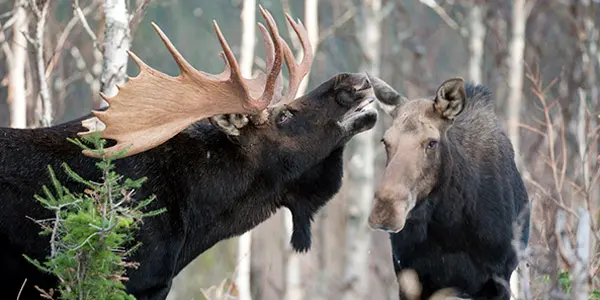
Moose, scientifically known as Alces alces, possess a circumpolar distribution. In North America, their range extends from the northern reaches of Alaska and Canada down into the Rocky Mountains, the Great Lakes region, and the northeastern United States. They are highly adaptable to the rugged terrain of the boreal forest, also known as the taiga, which provides the necessary cover and food sources for their survival.
In Eurasia, the species is commonly referred to as the elk. Their territory stretches across the vast expanse of northern Europe, including Sweden, Norway, and Finland, and continues eastward through the massive Siberian forests of Russia. Small, isolated populations also exist in mountainous regions further south, provided the environment remains cool and forested. They are absent from the southern hemisphere and tropical regions due to their physiological inability to tolerate sustained high heat.
What type of habitat do moose prefer?
Moose are specialized browsers that require specific environmental conditions to maintain their large body mass. They are most commonly found in areas where forests meet wetlands, such as marshes, lakes, and river valleys. These water bodies are essential during the summer months, as they provide aquatic plants that are rich in sodium, a critical mineral for moose health.
Beyond water access, they rely on a mosaic of forest types to sustain them throughout the year. They prefer a mix of young, regenerating forests for foraging and mature, dense stands of timber for shelter. The following features are hallmarks of prime moose habitat:
- Abundant willow, birch, and aspen trees for winter browse.
- Shallow, slow-moving water sources for summer feeding.
- Dense conifer stands that offer protection from deep snow and wind.
- Large, undeveloped tracts of land that allow for seasonal migration.
How do moose adapt to their environment?
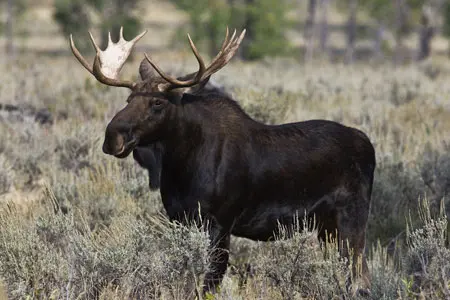
The physiology of a moose is finely tuned to the harsh realities of northern climates. Their long, powerful legs allow them to navigate deep snowdrifts and traverse marshy, uneven ground that would hinder smaller animals. Furthermore, their thick, hollow-haired fur provides exceptional insulation against sub-zero temperatures, while their large, splayed hooves act like natural snowshoes to distribute their weight across soft surfaces.
These animals are also expert swimmers, a skill they utilize to escape predators and reach nutrient-dense aquatic vegetation. During the winter, their metabolism slows to conserve energy, allowing them to survive on woody twigs and bark when green forage is unavailable. Despite their size, they are masters of stealth in dense brush, often remaining motionless to avoid detection by wolves or bears, which are their primary natural predators in the wild.
How to spot a moose in the wild?
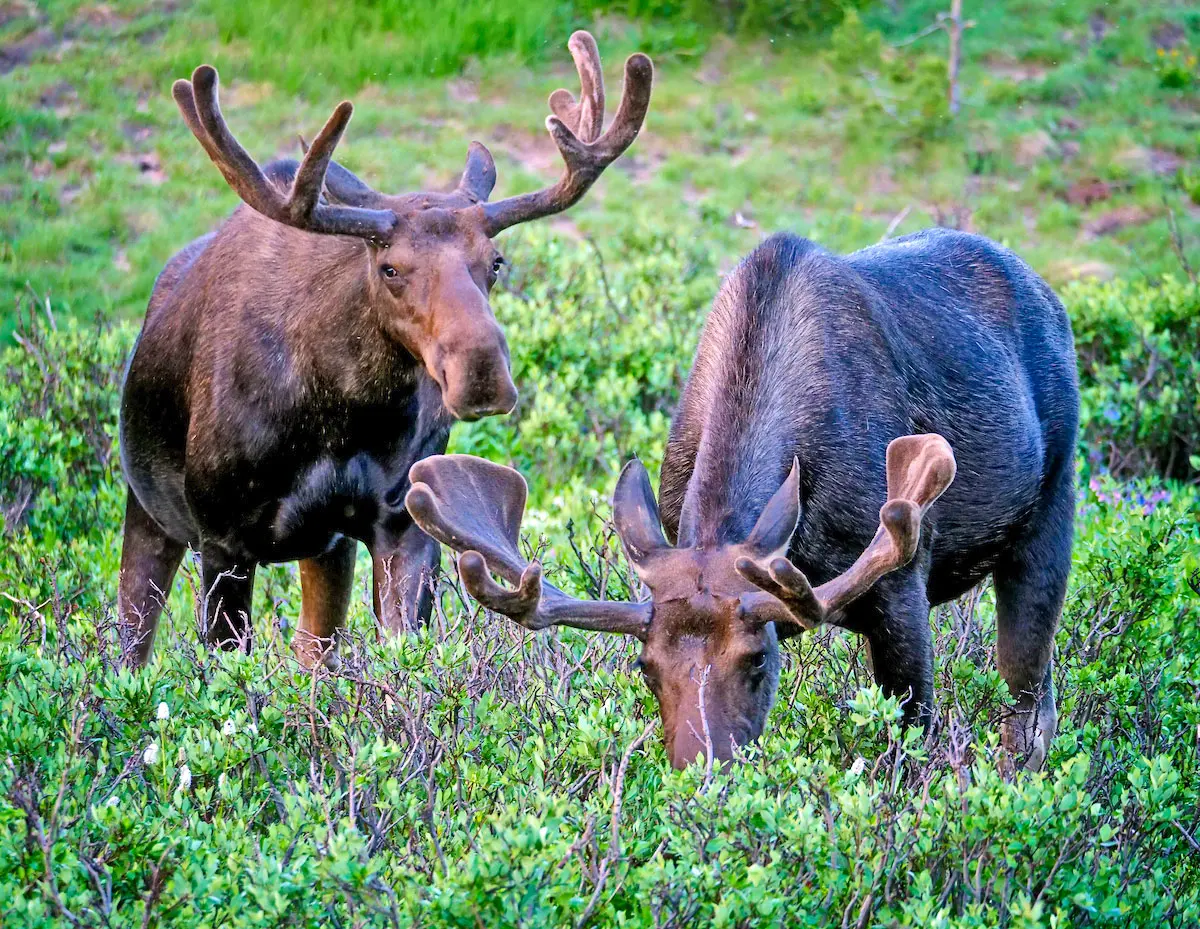
Observing a moose in its natural habitat requires patience and a deep understanding of their daily routines. The best times to spot them are during the dawn and dusk hours, as they are most active during these crepuscular periods. When searching, focus your attention on the edges of ponds or willow-lined riverbanks, as these are high-traffic areas for feeding.
If you are planning an excursion to view moose, follow these steps to increase your success:
- Research the specific region to ensure you are visiting during the appropriate season, typically spring or autumn.
- Use binoculars or a spotting scope to maintain a safe distance of at least 25 yards.
- Move slowly and quietly, keeping the wind in your face so your scent does not travel toward the animal.
- Look for signs of activity, such as fresh tracks in the mud or stripped bark on young trees.
Common mistakes when looking for moose?
The most frequent error observers make is underestimating the unpredictability of a moose. Because they appear docile, many people attempt to approach them for photographs, which can lead to dangerous defensive reactions. Always remember that a moose is a wild animal that can become aggressive if it feels cornered or if a cow is protecting her calf. Never attempt to feed them or block their path to water or cover.
Another common mistake is searching in the wrong type of terrain. Many travelers expect to find moose in open meadows, but they are forest-dwelling creatures that prefer the cover of trees. If you are in a wide-open field, you are unlikely to encounter one unless it is moving between forest patches. Finally, avoid wearing bright colors or using strong perfumes, as these can alert the animal to your presence long before you have the chance to see them.
Key facts
- Moose inhabit the northern hemisphere, primarily in boreal and mixed deciduous forests across North America, Europe, and Asia.
- They thrive in regions with cold winters and deep snow, as their long legs allow them to navigate through thick drifts.
- Moose are semi-aquatic and frequently forage for nutrient-rich aquatic plants in lakes, ponds, and marshes during the summer.
- They require areas with a mix of young forest growth, such as willow, birch, and aspen, which provide essential winter browse.
- To spot a moose, look near water sources at dawn or dusk, but always maintain a distance of at least 25 yards.
- Avoid approaching a moose during the fall rutting season or if a mother has a calf, as they can become highly aggressive.
The bottom line
Moose are iconic inhabitants of the northern boreal forests, thriving in regions that offer a combination of dense thickets and accessible water sources. Their survival depends on access to specific vegetation and cold climates that prevent overheating. Whether you are observing them in the wild or studying their range, remember that these massive animals require significant space and should always be viewed from a safe distance.
People also ask
Do moose live in the desert?
No, moose do not live in deserts because they are poorly adapted to extreme heat and lack the necessary aquatic vegetation. They require cool climates to prevent overheating, as their thick coats and large bodies make them susceptible to heat stress.
Are there moose in the United States?
Yes, moose populations exist in several U.S. states, including Maine, New Hampshire, Vermont, Alaska, and throughout the Rocky Mountains. They are most abundant in Alaska, which is estimated to be home to approximately 200,000 individual moose.
Why do moose migrate?
Moose migrate primarily to find better food sources and to avoid deep snow that makes travel difficult during winter. Some populations move from high-elevation summer ranges to lower valleys when heavy snowfall covers their preferred browse.
Can moose survive in urban areas?
Occasionally, moose wander into suburban or urban environments, especially if those areas are adjacent to wild forests. This is often dangerous for both the animal and humans, as it increases the risk of vehicle collisions and aggressive encounters.
What is the difference between a moose and an elk?
While both are members of the deer family, moose are significantly larger and possess distinct palmate, or flat, antlers. Elk are smaller, have more branched antlers, and typically live in larger social herds compared to the solitary nature of moose.
Do moose hibernate?
Moose do not hibernate and remain active throughout the entire winter season. They survive the cold by growing a dense, insulating coat and shifting their diet to woody twigs and bark when green vegetation is unavailable.
This answer was created with the help of AI research tools and reference sources. Spotted an error? Let us know — we correct mistakes quickly. See our editorial policy.