Where do platypuses live?
Short answer
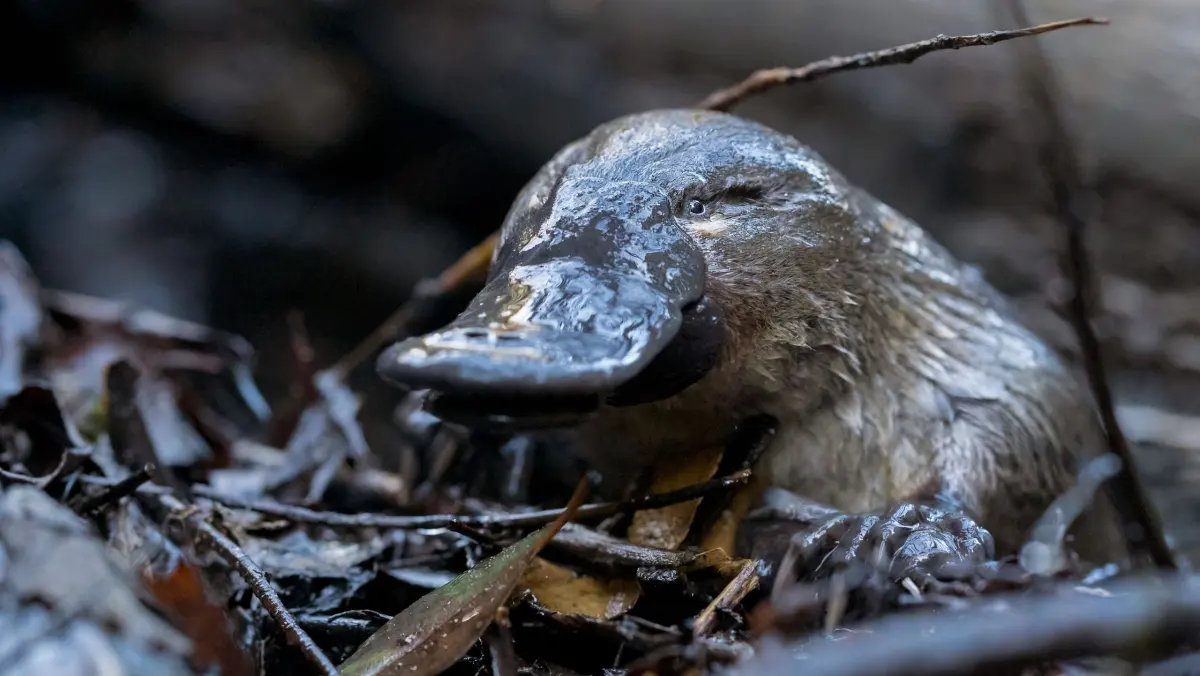
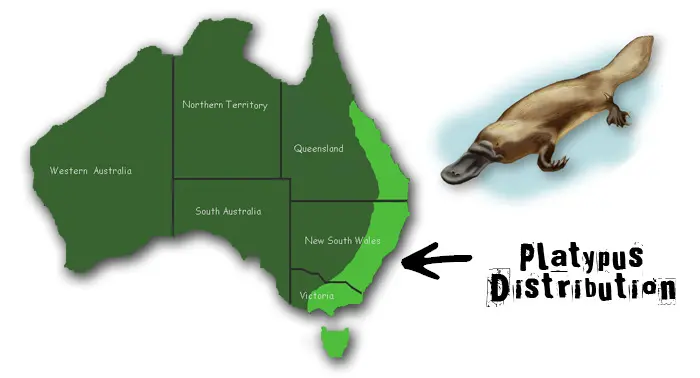
Platypuses live exclusively in eastern Australia and on the island of Tasmania. They inhabit freshwater systems, including rivers, streams, lakes, and lagoons. These semi-aquatic monotremes prefer areas with stable, earthen banks where they can construct complex burrow systems for nesting, protection, and resting throughout their daily cycles.
On this page
Where do platypuses live geographically?
The platypus (Ornithorhynchus anatinus) is endemic to the eastern portion of the Australian continent. Their range spans from the tropical rainforests of northern Queensland down through the temperate regions of New South Wales and Victoria. Additionally, they maintain a significant population on the island state of Tasmania, where they occupy diverse freshwater environments ranging from sea level to alpine lakes located at elevations of over 1,000 meters.
While they are widely distributed across the east coast, their presence is often patchy rather than continuous. They are absent from the arid interior of Australia and the western regions, as these areas lack the permanent, reliable freshwater bodies required for their survival. Their historical range has faced fragmentation due to human development, though they remain relatively resilient in protected catchments where water quality remains high and riparian vegetation is preserved.
What kind of habitat do platypuses prefer?
Platypuses are highly specialized for a semi-aquatic lifestyle, requiring specific environmental conditions to thrive. They favor slow-moving or still freshwater bodies such as rivers, creeks, and billabongs. A critical component of their habitat is the presence of healthy, vegetated riverbanks. These banks must consist of soil stable enough to support the excavation of deep, multi-chambered burrows, which serve as essential refuges from predators and extreme weather.
Beyond the physical structure of the water, the health of the ecosystem is paramount. Platypuses rely on a diverse array of macroinvertebrates for food, including shrimp, insect larvae, and worms. Consequently, they are typically found in environments that support:
- High levels of dissolved oxygen in the water.
- Abundant submerged logs and root systems for foraging.
- Minimal chemical runoff or industrial pollution.
- Natural, fluctuating water levels that maintain healthy bank conditions.
How do platypuses build their homes?
The platypus is an expert engineer, constructing two distinct types of burrows to manage its daily life. The resting burrow is used by both males and females for sleeping and protection during the day. These are typically simpler in design and are often located near the water’s edge. In contrast, the nesting burrow constructed by the female is significantly more complex and can extend several meters into the bank.
To build these structures, the platypus follows a specific process:
- Locate a stable, earthen bank with overhanging vegetation to provide cover.
- Excavate an entrance tunnel, often positioned just above the waterline to prevent flooding.
- Create a series of side chambers for resting or, in the case of females, a dedicated nursery chamber.
- Line the nursery chamber with damp leaves, reeds, and grass to create a humid environment for the eggs and later the young puggles.
How to spot a platypus in the wild?
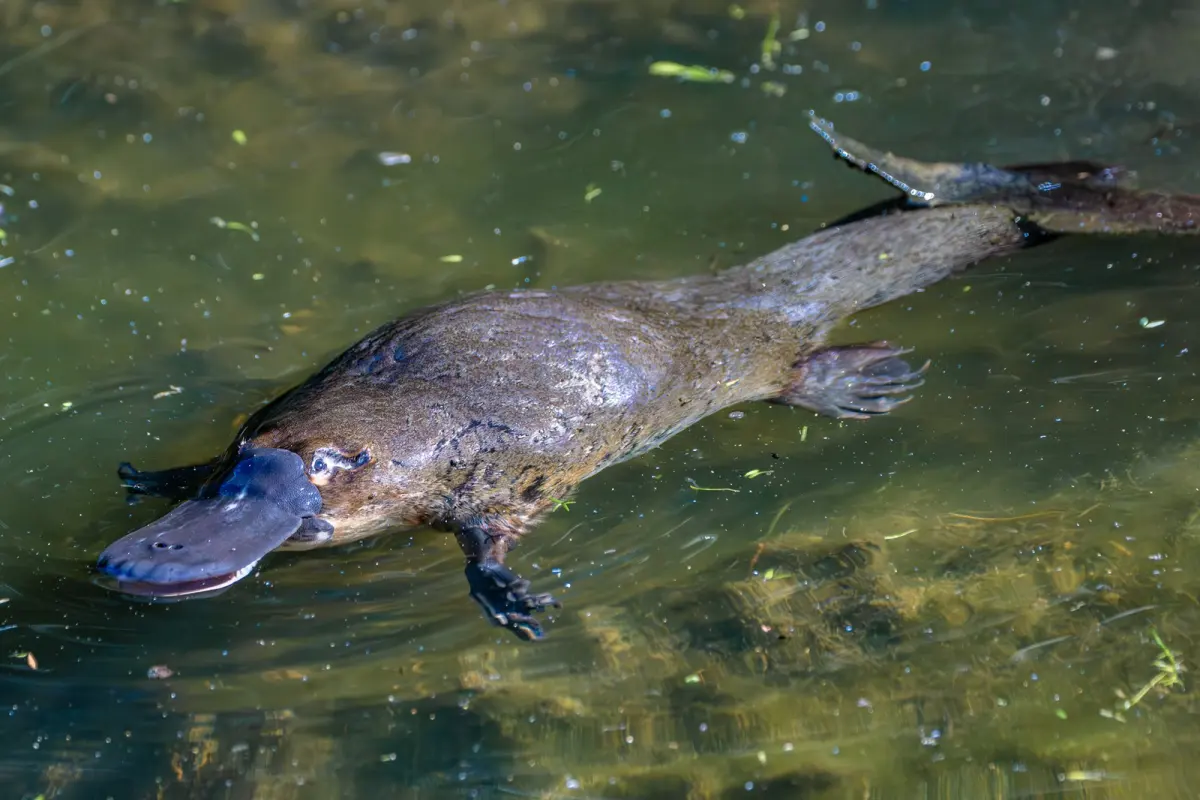
Observing a platypus in its natural habitat requires patience, timing, and a keen eye for subtle movement. Because they are primarily crepuscular and nocturnal, the best times to see them are during the dawn and dusk hours. During the day, they remain hidden within their burrows to avoid heat and potential threats. If you are visiting a known habitat, follow these steps to increase your chances of a successful sighting:
- Choose a quiet location along a riverbank with minimal human traffic.
- Remain stationary and silent for at least 30 to 60 minutes.
- Look for concentric ripples on the water surface, which indicate a platypus has surfaced to breathe.
- Scan for a dark, low-profile shape moving against the current.
- Avoid using flash photography, as this can startle the animal and cause it to dive immediately.
Common mistakes when looking for platypuses?
Many enthusiasts fail to see a platypus because they misunderstand the animal's behavior or environmental needs. One of the most common errors is searching in stagnant, polluted, or highly urbanized water bodies. Platypuses are sensitive to water quality; if the water is murky due to heavy siltation or industrial waste, the animal is unlikely to be present. Furthermore, searching during the middle of the day is almost always unproductive, as the animals are strictly avoiding the sun and predators during these hours.
Another frequent mistake is assuming that a sighting is guaranteed in any eastern Australian river. Platypuses are elusive and easily disturbed by noise or sudden movements. Observers often make the mistake of walking along the bank, which creates vibrations that the platypus can detect through the water. Instead, find a spot, sit still, and let the environment settle. By respecting their need for quiet and clean water, you significantly improve your chances of witnessing this unique mammal in its natural home.
Key facts
- Platypuses are endemic to eastern Australia and the island of Tasmania.
- They inhabit freshwater systems, including rivers, streams, lakes, and billabongs.
- These animals require stable, earthen banks to dig complex burrow systems for shelter.
- They are primarily nocturnal or crepuscular, meaning they are most active at dawn and dusk.
- Platypuses prefer cool, temperate waters and are sensitive to high temperatures and pollution.
- To spot one in the wild, visit quiet, slow-moving waterways at sunrise or sunset.
The bottom line
The platypus is a unique monotreme restricted to the freshwater ecosystems of eastern Australia and Tasmania. These shy, nocturnal mammals rely on clean rivers with stable banks to build their burrows. While they are fascinating to observe, their specialized needs make them impossible to keep as pets. Protecting their natural river habitats is essential for their survival, as they are highly sensitive to environmental degradation and pollution.
People also ask
Do platypuses live in saltwater or the ocean?
No, platypuses are strictly freshwater animals. They cannot survive in saltwater environments and are exclusively found in inland river systems and lakes.
Can you keep a platypus as a pet?
It is illegal to keep a platypus as a pet in Australia and almost everywhere else in the world. They have complex dietary and environmental needs that cannot be met in a domestic setting.
Are platypuses found in Western Australia?
No, the natural range of the platypus is limited to the eastern states of Queensland, New South Wales, Victoria, and the island of Tasmania. They were never native to the western half of the continent.
Do platypuses migrate between different rivers?
Platypuses generally remain within a specific home range, though they may travel several kilometers along a river system to find food or mates. They do not perform long-distance migrations like some bird or fish species.
How do platypuses survive in cold water?
They possess a dense, waterproof coat of fur that traps air to provide excellent insulation. This layer keeps their skin dry and maintains their body temperature even in chilly mountain streams.
What should I do if I see a platypus in the wild?
Observe from a distance and remain very quiet to avoid startling the animal. Never attempt to touch or feed a platypus, as they are shy, easily stressed, and the males possess venomous spurs on their hind legs.
This answer was created with the help of AI research tools and reference sources. Spotted an error? Let us know — we correct mistakes quickly. See our editorial policy.