Where do bumblebees live?
Short answer
Bumblebees live in diverse habitats across the Northern Hemisphere, primarily nesting in sheltered, dark cavities. They typically choose abandoned rodent burrows, dense vegetation, or hollow logs. While they prefer temperate climates, they also inhabit mountainous regions and arctic tundras, utilizing these protected spaces to house their social colonies throughout the spring and summer.
On this page
Where do bumblebees build their nests?
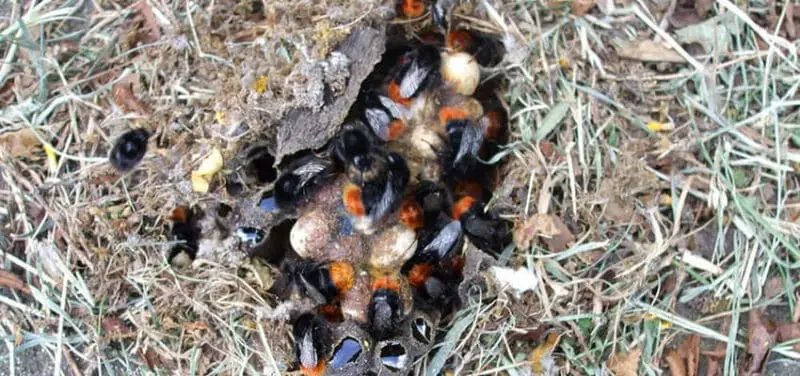
Bumblebees are opportunistic nesters that prioritize safety and insulation for their developing brood. Unlike honeybees, which construct elaborate wax hives in trees or man-made boxes, bumblebees prefer to nest at or below ground level. They frequently occupy abandoned nests previously used by field mice, voles, or shrews, as these burrows provide a pre-made, climate-controlled environment. The soft nesting materials left behind by rodents, such as dried grass and fur, offer the perfect bedding for the queen to begin her colony.
When underground options are unavailable, bumblebees may choose alternative sites that mimic the darkness and protection of a burrow. These locations include:
- Thick, undisturbed clumps of tall grass or leaf litter.
- Hollow logs or piles of rotting wood.
- Cavities within stone walls or rock piles.
- Abandoned birdhouses or sheds that remain undisturbed.
- Compost heaps that provide warmth through decomposition.
How do bumblebees choose their habitat?
A queen bumblebee emerges from hibernation in early spring and immediately begins scouting for a suitable location to establish her colony. She looks for a site that is cool, dry, and protected from direct sunlight and heavy rain. The surrounding environment must also offer a consistent supply of nectar and pollen-rich flowers nearby, as the queen must forage alone until her first batch of workers matures. Proximity to food sources is a critical factor in determining whether a chosen site will be successful.
The ideal habitat provides a balance between protection and accessibility. Bumblebees avoid areas that are prone to flooding or excessive human traffic, as these pose a direct threat to the colony's survival. They are particularly fond of mosaic landscapes, such as hedgerows, meadows, and woodland edges, where a variety of flowering plants bloom throughout the season. These diverse ecosystems ensure that the colony has a continuous food supply from the first spring blossoms until the queen produces new queens in late summer.
Why do bumblebees prefer temperate climates?
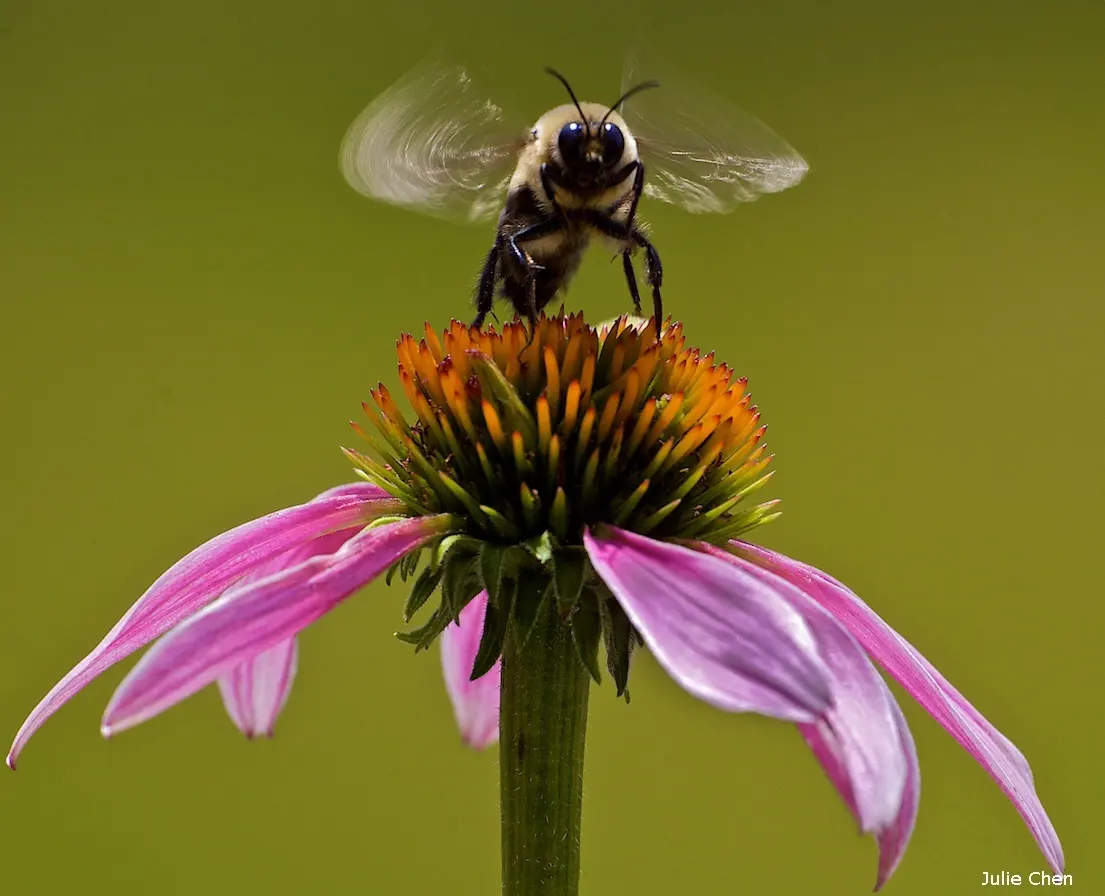
Bumblebees are uniquely adapted to cooler environments, which is why they are found in higher numbers in temperate and arctic regions compared to the tropics. Their bodies are covered in thick, insulating hair, and they possess the ability to "shiver" their flight muscles to generate internal heat. This physiological trait allows them to forage in temperatures that would immobilize other insects. Because they can regulate their body temperature, they can thrive in climates where short growing seasons limit the activity of other pollinators.
Despite their hardiness, bumblebees are sensitive to extreme heat. If a nest becomes too warm, the workers will stand at the entrance and fan their wings to circulate air and cool the internal brood chamber. This behavior is essential for the survival of the larvae, which require a stable temperature to develop properly. By nesting in underground burrows, bumblebees take advantage of the earth’s natural thermal mass, which keeps the nest temperature relatively constant even when the air temperature above ground fluctuates significantly.
Common mistakes when trying to attract bumblebees
Many gardeners inadvertently discourage bumblebees by over-managing their outdoor spaces. A common error is the excessive removal of debris, such as piles of leaves, twigs, or tall grass, which are essential nesting materials. By "cleaning up" a garden too thoroughly in the autumn or spring, homeowners often destroy potential nesting sites before the queens have a chance to find them. Leaving a small corner of the yard wild and undisturbed is one of the most effective ways to support local bumblebee populations.
Another mistake is the use of chemical pesticides or herbicides, which can contaminate the food supply and directly poison the colony. To create a welcoming environment, follow these steps:
- Avoid using synthetic fertilizers and pesticides that linger in the soil and flowers.
- Plant native wildflowers that provide a succession of blooms from early spring to late autumn.
- Provide a water source, such as a shallow dish with pebbles, to prevent the bees from drowning while they drink.
- Minimize soil disturbance in areas where you suspect a nest might be located.
How to identify a bumblebee nest
Identifying a bumblebee nest requires patience and careful observation rather than direct intervention. If you notice a steady stream of bees flying in and out of a specific hole in the ground or a gap in a stone wall, you have likely located an active colony. Unlike aggressive wasps, bumblebees are generally docile and will not attack unless their nest is directly threatened or physically disturbed. Observation should always be conducted from a distance to ensure the safety of both the observer and the colony.
If you suspect a nest is in a location that poses a risk to humans, the best course of action is to leave it alone if possible. Most bumblebee colonies are seasonal and will naturally die out by the end of the autumn, leaving the nest empty for the following year. Avoid blocking the entrance, as this can cause the bees to become distressed and potentially find a new way out into your home. By respecting their space and allowing the colony to complete its life cycle, you play a vital role in protecting these essential pollinators for future seasons.
Key facts
- Bumblebees typically nest in abandoned rodent burrows, hollow logs, or thick clumps of tall grass.
- Unlike honeybees, bumblebee colonies are annual, meaning only the newly mated queens survive the winter.
- A typical bumblebee colony remains small, usually housing between 50 and 400 individual bees at its peak.
- Avoid disturbing potential nesting sites like compost heaps or undisturbed garden corners during the spring.
- Provide nesting habitat by leaving patches of "messy" garden with leaf litter and long, unmown grass.
- Never use pesticides near nesting sites, as these chemicals can kill the queen and collapse the entire colony.
The bottom line
Bumblebees are essential pollinators that favor quiet, undisturbed habitats for their annual colonies. By preserving natural nesting sites like rodent burrows, leaf litter, and tall grass, you provide the protection these insects need to thrive. Unlike honeybees, bumblebees maintain small, seasonal populations that do not require complex hives. Protecting their nesting environment is a simple yet vital step toward supporting local biodiversity and ecosystem health.
People also ask
Do bumblebees live in hives like honeybees?
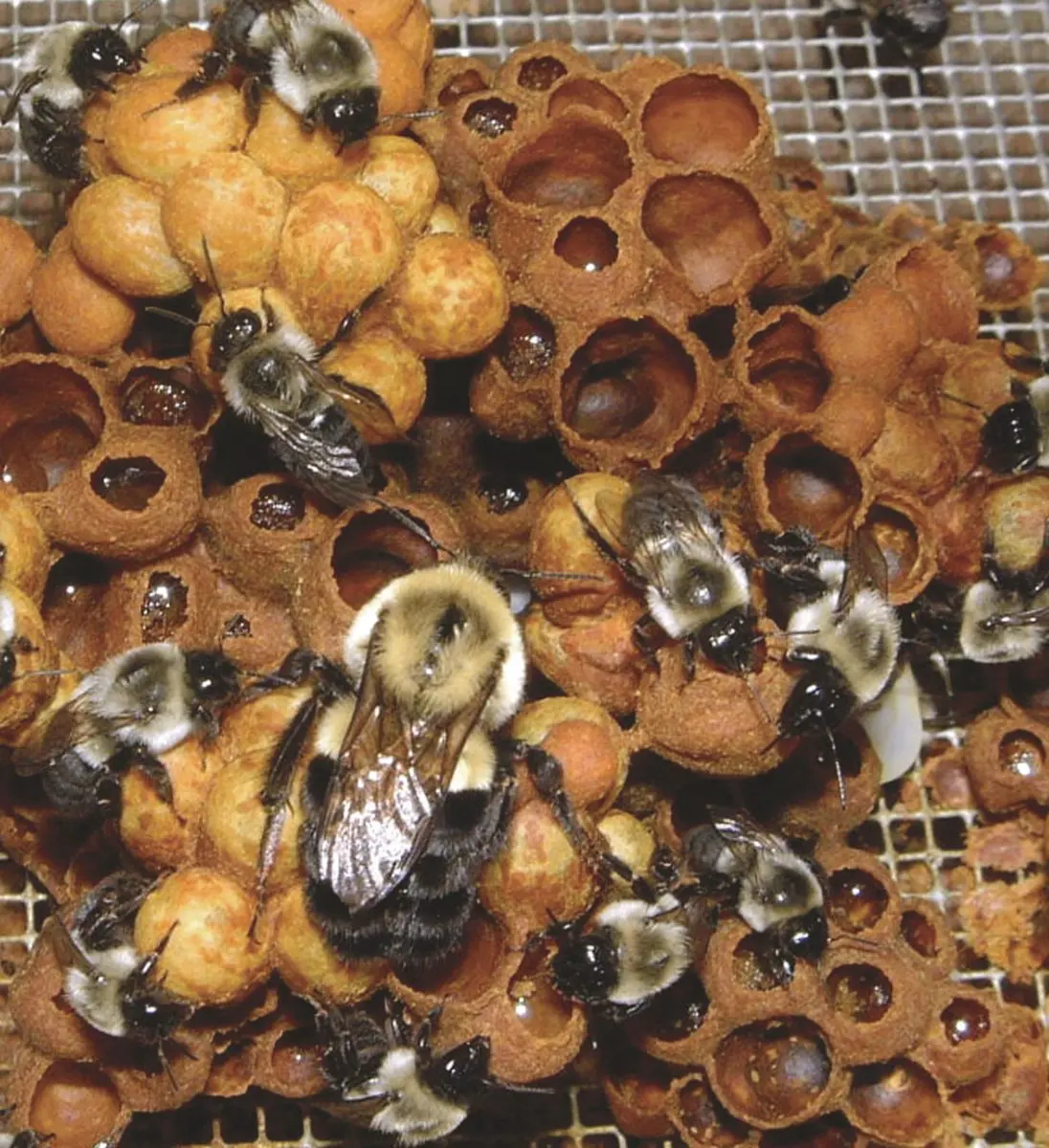
No, bumblebees do not build the large, wax-comb hives associated with honeybees. Instead, they nest in small, irregular clusters of wax pots located in sheltered cavities or underground.
How long does a bumblebee colony last?
A bumblebee colony usually lasts for one season, from early spring until late autumn. Once the new queens leave to hibernate, the old queen and the remaining workers die off as temperatures drop.
Can I build a house for bumblebees?
Yes, you can install a bumblebee nest box, which is a small wooden container filled with dry nesting material like moss or dried grass. Place it in a cool, shaded spot to mimic a natural underground burrow.
Do bumblebees reuse their old nests?
Bumblebees generally do not reuse the same nest site in subsequent years. Each spring, a newly emerged queen seeks out a fresh location to establish her own independent colony.
Why do bumblebees nest in the ground?
Ground nesting provides natural insulation and protection from predators and extreme weather fluctuations. The soil helps maintain a stable temperature for the developing larvae throughout the summer months.
Are bumblebees aggressive if I find their nest?
Bumblebees are generally docile and will only sting if they perceive a direct threat to their nest. If you discover a nest, it is best to observe from a distance and avoid blocking the entrance or vibrating the ground nearby.
This answer was created with the help of AI research tools and reference sources. Spotted an error? Let us know — we correct mistakes quickly. See our editorial policy.