Where do coyotes live?
Short answer
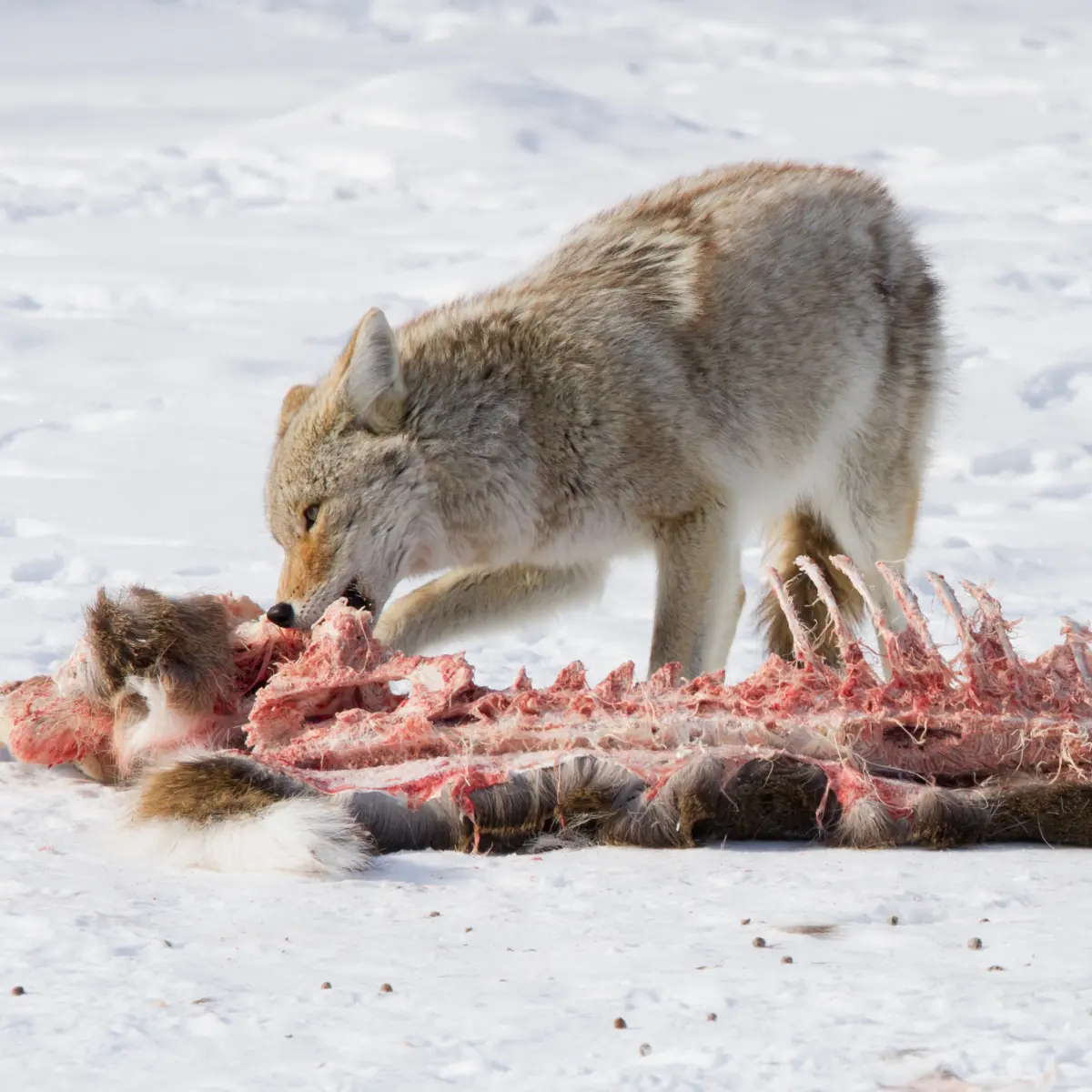
Coyotes inhabit nearly every corner of North America, ranging from the deserts of Mexico to the forests of Canada and the urban centers of the United States. Highly adaptable, they thrive in grasslands, mountain ranges, and suburban neighborhoods, successfully expanding their range across the continent over the last century.
On this page
Where do coyotes live in North America?
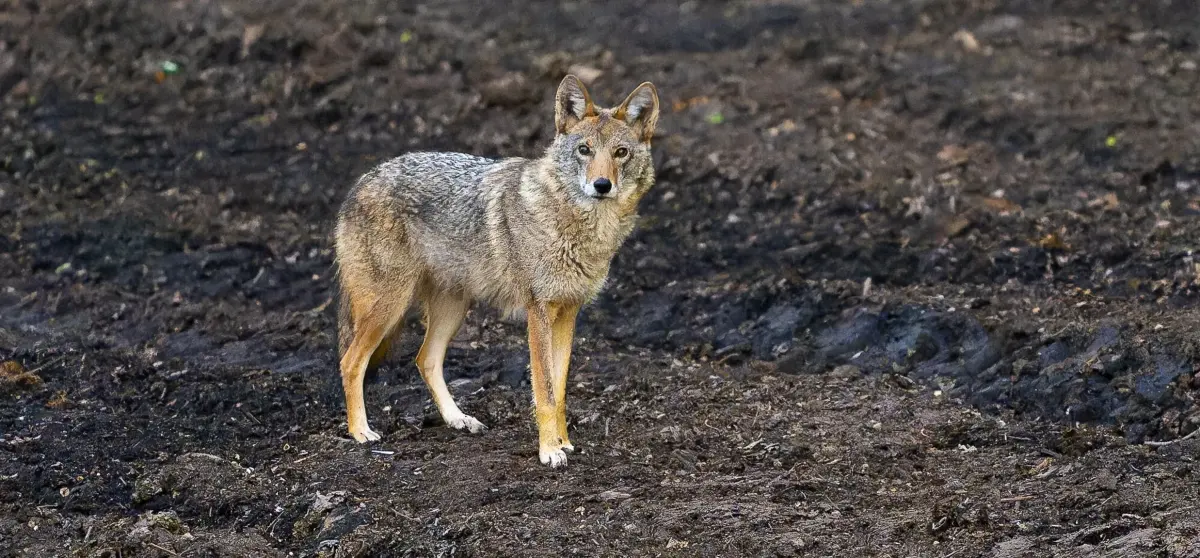
Coyotes (Canis latrans) are among the most versatile mammals in the world. Historically, they were found primarily in the open prairies and deserts of the western United States and Mexico. However, following the eradication of wolves and the alteration of landscapes by human development, they have expanded their range significantly. Today, they occupy almost every state in the U.S., every province in Canada, and much of Central America.
Their ability to survive in diverse climates is remarkable. You can find them in high-altitude mountain ranges, dense coniferous forests, agricultural fields, and arid scrublands. Unlike many other large predators that require vast, undisturbed wilderness areas, coyotes are generalists. They are not strictly tied to one specific biome, which explains why they have successfully colonized nearly every ecological niche available on the continent.
Where do coyotes live in cities?
Urbanization has not deterred the coyote; in fact, it has provided them with new opportunities. Coyotes are now common residents in major metropolitan areas, including Los Angeles, Chicago, and New York City. They utilize "green corridors," such as golf courses, public parks, cemeteries, and railway embankments, to navigate through dense human development. These areas provide the cover and prey base necessary for them to remain largely undetected.
Living in a city allows coyotes to exploit anthropogenic food sources. While they prefer natural prey like rabbits, mice, and voles, they are opportunistic scavengers. In urban environments, they may supplement their diet with human refuse, pet food left outdoors, or fruit from gardens. This adaptability is the primary reason why sightings have increased in residential neighborhoods over the last several decades, as coyotes have learned to navigate human activity patterns.
- Coyotes use storm drains and culverts as travel routes to avoid traffic.
- They often den in secluded, overgrown patches of vegetation within city limits.
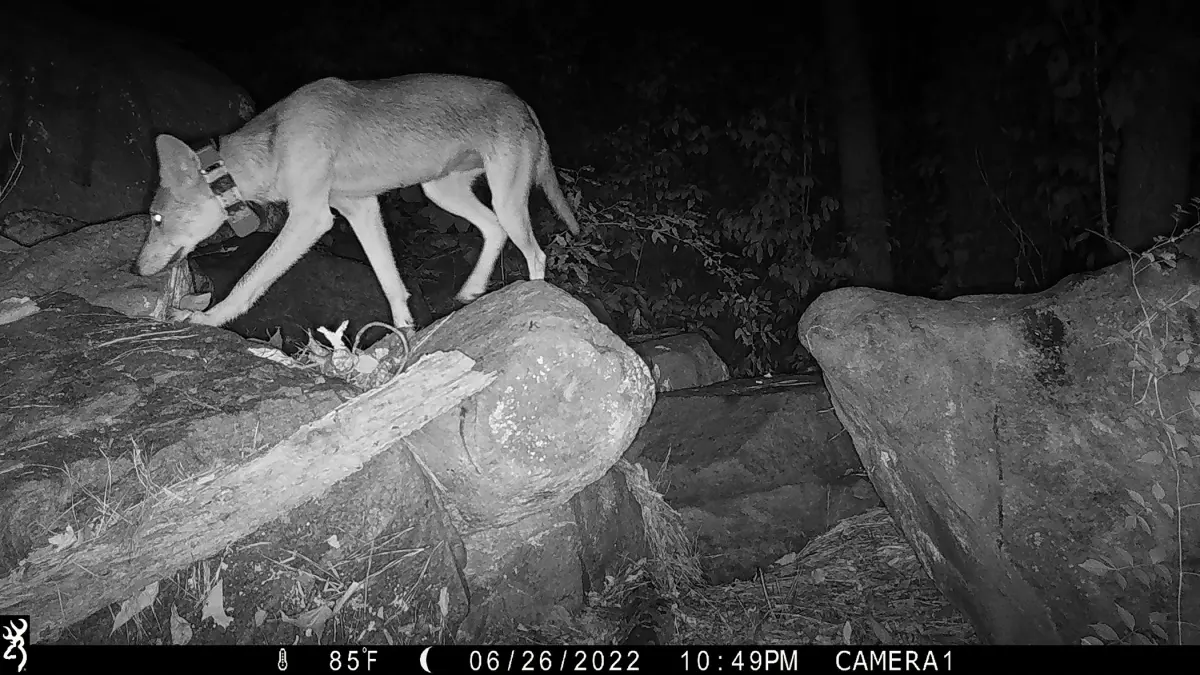
- They become nocturnal in urban areas to minimize encounters with humans.
- They utilize residential backyards as hunting grounds for small rodents.
How to identify coyote habitats
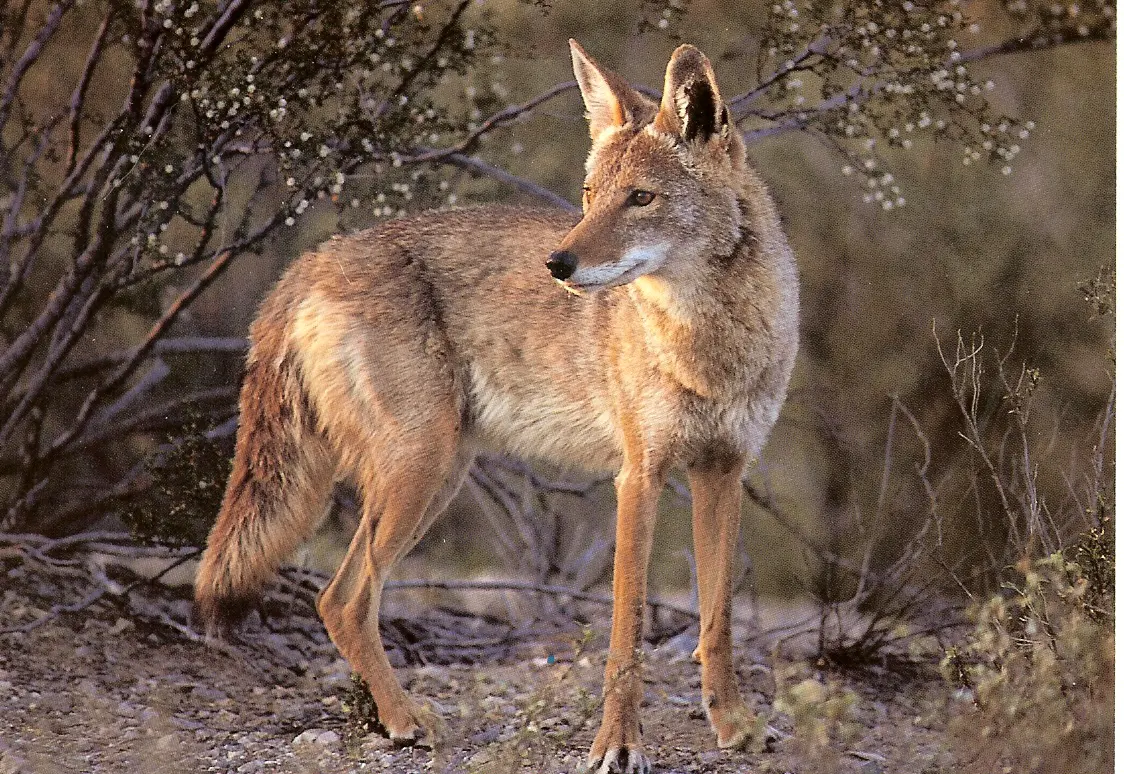
Identifying a potential coyote habitat involves looking for signs of seclusion and food availability. Coyotes prefer areas that offer protection during the day, such as thickets, brush piles, or abandoned buildings. They are rarely seen in the open during daylight hours unless they feel secure or are hunting in a remote area. If you notice a high population of small mammals like squirrels or rabbits, it is likely that coyotes are nearby.
Look for the following physical indicators of coyote presence in your local area:
- Tracks that are oval-shaped and about 2.5 inches long, often showing claw marks.
- Scat that contains fur, bone fragments, or fruit seeds, typically found on trails.
- Den sites located in hollow logs, under sheds, or in earthen burrows dug into hillsides.
- Vocalizations, such as yips, barks, and long howls, usually heard at dusk or dawn.
Common mistakes when living near coyotes
Many people accidentally encourage coyotes to frequent their property by providing easy food sources. The most common error is leaving pet food, birdseed, or unsecured trash outside overnight. Coyotes are highly intelligent and will quickly associate human dwellings with food if these items are readily available. Once a coyote loses its natural fear of humans—a process known as habituation—it becomes much more likely to enter residential spaces.
Another mistake is failing to secure small pets. Coyotes view small dogs and cats as potential prey, especially in suburban settings. To minimize the risk of negative encounters, follow these guidelines:
- Keep your pets indoors or in a secure, covered kennel, especially from dusk until dawn.
- Ensure all trash cans have locking lids that cannot be easily tipped over.
- Remove fallen fruit from trees in your yard, as this attracts rodents and coyotes.
- Do not feed wildlife, as this draws coyotes closer to your home.
How to stay safe in coyote territory
If you live in an area where coyotes are present, the best approach is to maintain a healthy distance. Coyotes are generally shy and will avoid humans whenever possible. However, if you encounter one, it is important to act in a way that reinforces their natural avoidance behavior. Never run from a coyote, as this can trigger their instinctual chase response; instead, remain calm and stand your ground.
To effectively deter a coyote, use a technique called "hazing." This involves making yourself appear large and intimidating to scare the animal away. Wave your arms, shout in a loud, authoritative voice, or use noisemakers like whistles or air horns. By consistently hazing coyotes that enter your yard, you teach them that your property is not a safe or welcoming environment. This practice helps maintain the natural boundary between wildlife and human residents, ensuring that both can coexist safely without conflict or danger.
Key facts
- Coyotes are found in every U.S. state except Hawaii and across most of Canada and Mexico.
- They are highly adaptable, living in dense forests, open prairies, deserts, and major metropolitan areas.
- Urban coyotes often maintain smaller home ranges than their rural counterparts because food is more concentrated.
- Secure all trash cans with locking lids to prevent attracting coyotes to your residential property.
- Never feed coyotes, as this causes them to lose their natural fear of humans and become aggressive.
- If you encounter a coyote, haze it by making loud noises, waving your arms, and acting large to scare it away.
The bottom line
Coyotes are among the most resilient and adaptable mammals in North America, successfully colonizing nearly every habitat from remote wilderness to bustling city centers. Their survival depends on their ability to exploit diverse food sources and navigate human environments. By securing attractants and maintaining a healthy distance, humans can safely coexist with these predators, ensuring that coyotes remain wild and wary of our residential spaces.
People also ask
Are coyotes dangerous to small pets?
Yes, coyotes view small dogs and cats as prey. Keep pets indoors at night and always supervise them while they are in the backyard to ensure their safety.
Do coyotes live in packs?
Coyotes are primarily solitary or live in small family units consisting of a breeding pair and their offspring. They do not form large, complex packs like wolves.
How do I know if a coyote is nearby?
You may hear them howling or yipping at night, or find tracks with an oval shape and four toes. Scat containing fur or bone fragments is another common sign of their presence.
Are coyotes active during the day?
While they are naturally nocturnal or crepuscular, coyotes often become diurnal in urban areas to avoid human activity. You may see them at any time of day depending on local traffic patterns.
Do coyotes carry diseases?
Like many wild mammals, coyotes can carry rabies, mange, and canine distemper. Avoid touching any wild animal, especially if it appears lethargic or is acting strangely.
Can I use fences to keep coyotes out?
A fence must be at least six feet tall and extend underground to prevent coyotes from jumping over or digging under. Adding a roller bar to the top further discourages them from climbing.
This answer was created with the help of AI research tools and reference sources. Spotted an error? Let us know — we correct mistakes quickly. See our editorial policy.