What is the Perseids meteor shower?
Short answer
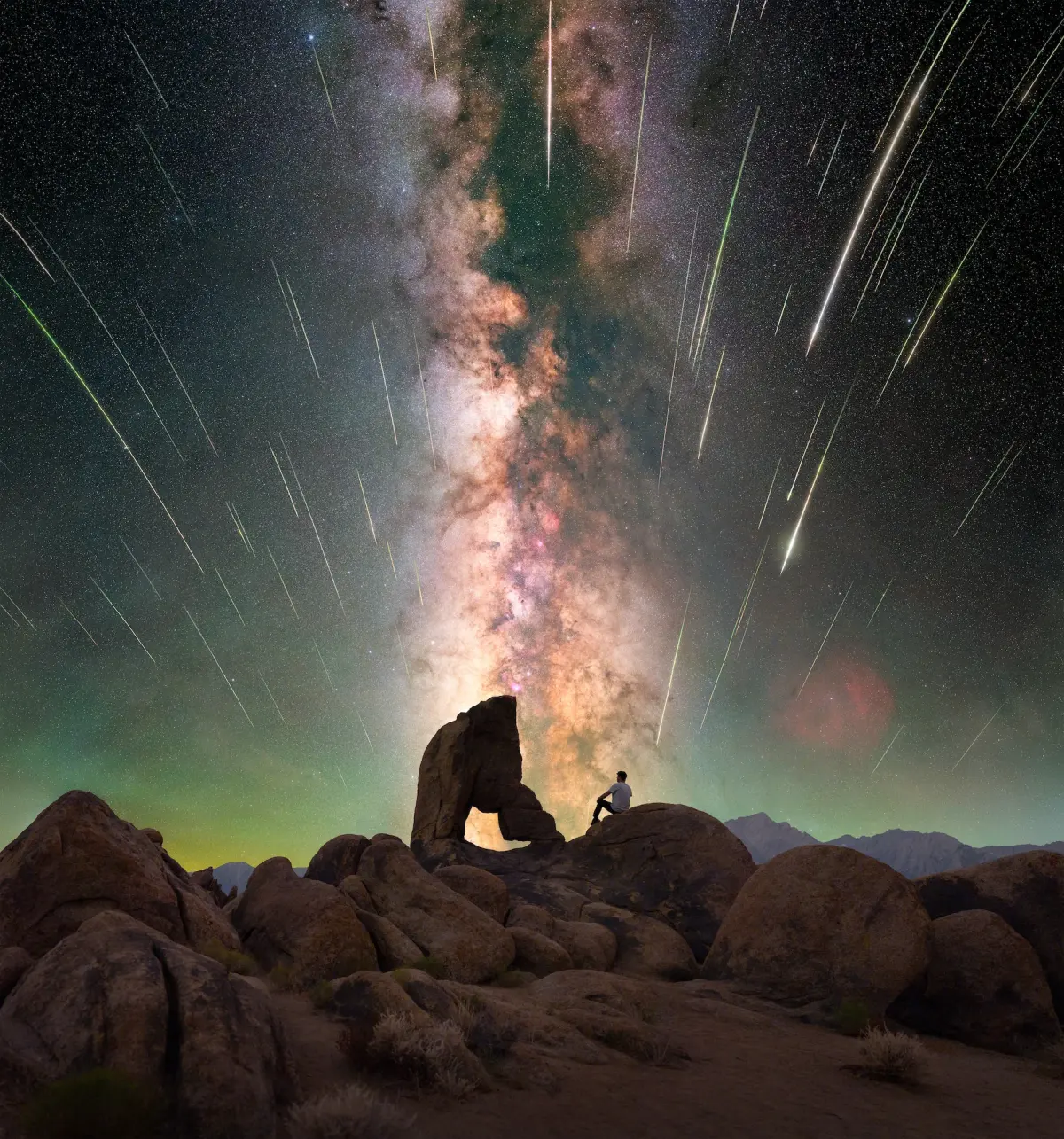
The Perseids are an annual meteor shower occurring each summer as Earth passes through debris left by the comet 109P/Swift-Tuttle. Known for high activity and bright fireballs, the shower peaks in mid-August. Observers can see dozens of meteors per hour streaking across the sky, appearing to originate from the constellation Perseus.
On this page
Why does the Perseid meteor shower happen?
The Perseids occur because Earth intersects the orbital path of comet 109P/Swift-Tuttle, a massive icy body that orbits the Sun every 133 years. As the comet travels through the solar system, it leaves behind a trail of dust, ice, and rock fragments known as a meteoroid stream. When Earth’s orbit carries it through this debris field, these tiny particles collide with our atmosphere at high velocities.
The friction between these particles and the atmosphere causes the air to ionize, creating the glowing streaks of light we call meteors. Because the particles are remnants of a comet, most are no larger than a grain of sand, yet they produce brilliant flashes due to their extreme speed of approximately 37 miles per second. This annual event is one of the most reliable and prolific meteor showers of the year.
When is the best time to see the Perseids?
The Perseids are active from mid-July through late August, but the peak intensity occurs annually between August 11 and August 13. During this window, the number of meteors can reach 50 to 100 per hour under ideal conditions. While the shower is visible throughout the night, the best viewing time is typically between midnight and dawn.
To maximize your chances of seeing the most activity, consider these factors:
- Moon phase: A bright moon can wash out fainter meteors, so check the lunar calendar for a new moon.
- Radiant point: The meteors appear to radiate from the constellation Perseus, which rises higher in the sky as the night progresses.
- Peak timing: The shower often has a broad peak, meaning you can still see significant activity on the nights immediately surrounding the primary date.
How to watch the Perseids meteor shower
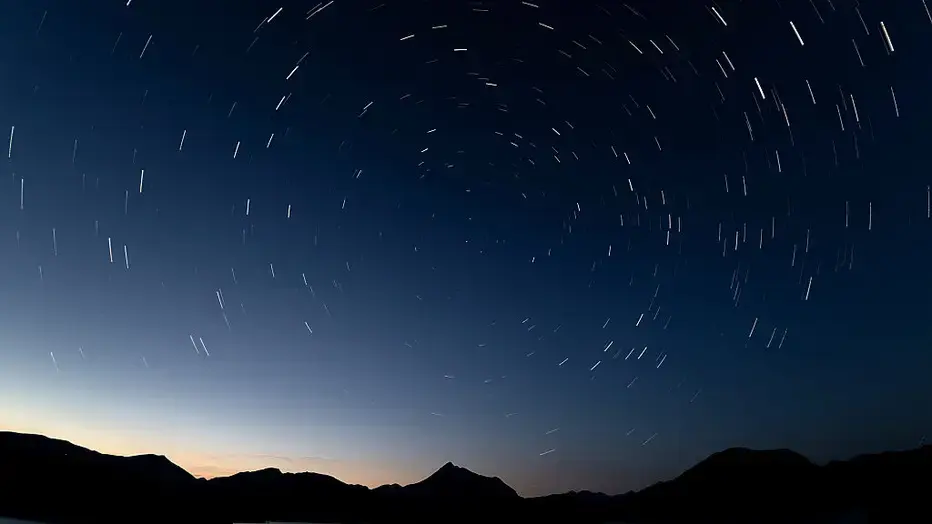
You do not need telescopes or binoculars to enjoy the Perseids; in fact, optical aids will limit your field of view and make it harder to spot the streaks. The best approach is to use your naked eyes, which allow you to scan the entire sky. Find a location away from city lights, as light pollution significantly reduces the number of meteors visible.
Follow these steps for an optimal viewing experience:
- Find a dark, open space with a clear view of the horizon and overhead sky.
- Arrive at your location at least 30 minutes before you plan to watch to allow your eyes to adjust to the darkness.
- Bring a reclining chair or a blanket so you can lie flat and look straight up without straining your neck.
- Dress in layers, as temperatures can drop significantly during the night, even in the middle of summer.
Common mistakes when watching meteor showers
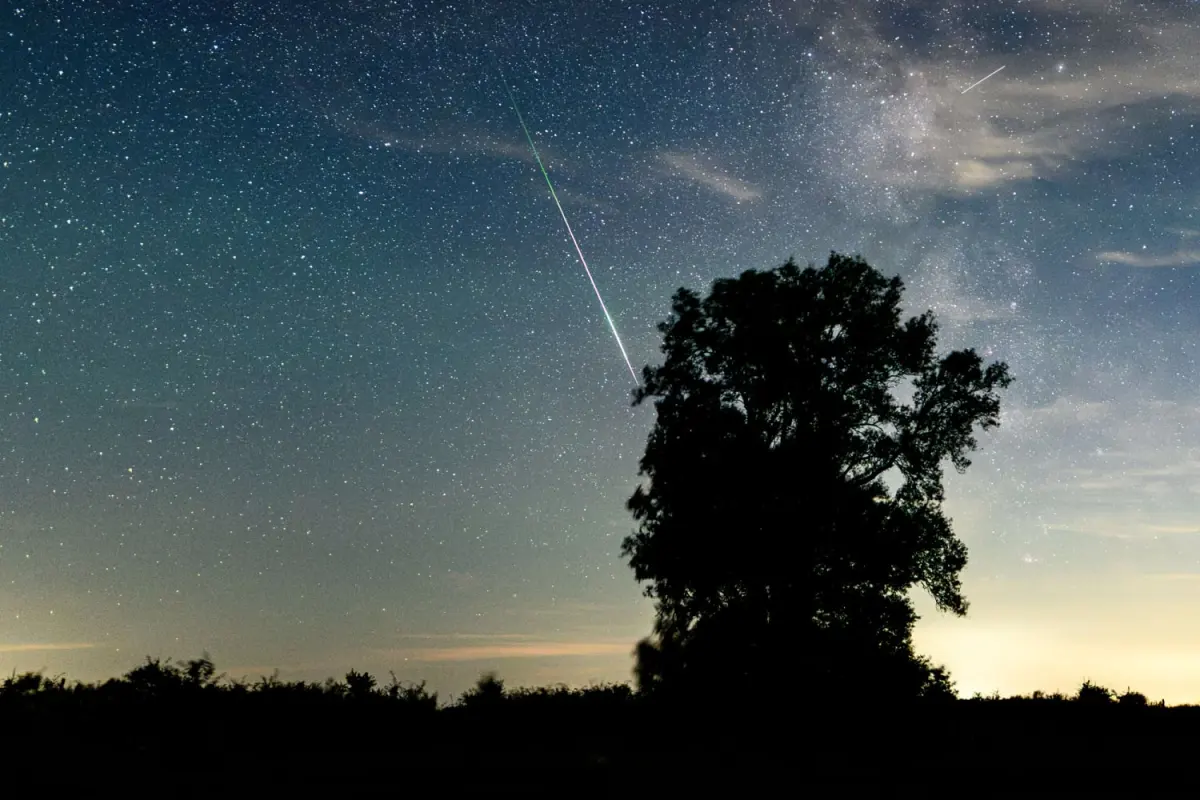
A frequent error is focusing exclusively on the constellation Perseus. While the meteors originate from this point, they can appear anywhere in the sky, often with longer, more spectacular tails appearing further away from the radiant. By looking directly at the radiant, you might miss the most dramatic streaks that cross the entire dome of the heavens.
Another mistake is checking your phone or using a flashlight frequently. The blue light from screens and the harsh glare of white flashlights destroy your night vision, requiring another 20 to 30 minutes for your eyes to readjust. If you must use a light source, use a red-light filter, which preserves your ability to see in the dark. Finally, do not give up too soon; meteor activity is sporadic, and you may experience long lulls followed by bursts of multiple meteors in quick succession.
What makes the Perseids special?
The Perseids are widely considered the best meteor shower for beginners and experts alike because they occur during the warm summer months in the Northern Hemisphere. Unlike winter showers, which require enduring freezing temperatures, the Perseids offer a comfortable environment for long-duration observation. Furthermore, the high frequency of "fireballs"—exceptionally bright meteors caused by larger particles—makes this shower visually stunning compared to others.
The historical significance of the Perseids also adds to their appeal, as they have been documented for nearly 2,000 years. They are sometimes called the "Tears of St. Lawrence" in reference to a religious festival held on August 10, near the start of the peak. Whether you are a casual observer or a dedicated astronomer, the Perseids remain a highlight of the celestial calendar, providing a consistent and accessible way to connect with the dynamic nature of our solar system.
Key facts
- The Perseids occur annually between mid-July and late August, typically peaking around August 12–13.
- This shower originates from debris left behind by the comet 109P/Swift-Tuttle.
- Observers can expect to see up to 50 to 100 meteors per hour during the peak.
- The meteors appear to radiate from the constellation Perseus, which gives the shower its name.
- For the best viewing, find a dark location away from city lights and allow 20 minutes for your eyes to adjust.
- Avoid looking directly at the radiant; meteors often appear as streaks across the wider sky rather than near the constellation.
The bottom line
The Perseids represent one of the most reliable and spectacular astronomical events of the year. By traveling to a dark-sky location during the mid-August peak and allowing your eyes to adjust, you can witness dozens of meteors per hour. Remember to dress warmly, bring a comfortable chair, and maintain a wide view of the sky to enjoy this impressive natural display of cosmic debris.
People also ask
Do I need a telescope to see the Perseids?
No, you should avoid using telescopes or binoculars. These tools have a narrow field of view, which makes it harder to spot meteors that streak across large portions of the sky.
What time of night is best for viewing?
The best time to watch is during the pre-dawn hours, typically between midnight and sunrise. This is when the side of Earth you are on is rotating into the meteor stream.
Can I see the Perseids if I live in a city?
Light pollution significantly reduces the number of meteors visible to the naked eye. It is highly recommended to travel to a rural area with minimal artificial lighting for the best experience.
Are the Perseids dangerous to Earth?
No, the Perseids are harmless. The particles are generally the size of sand grains or small pebbles and burn up completely upon entering Earth's upper atmosphere.
What should I bring to watch the meteor shower?
Bring a reclining lawn chair or a blanket to lie on so you can look straight up without straining your neck. Dress in layers, as temperatures can drop significantly during the night even in summer.
Why do meteors appear to come from one spot?
This is an optical illusion known as the radiant effect. Because the Earth is moving through a stream of debris, the parallel paths of the meteors seem to converge at a single point in the distance, similar to how railroad tracks appear to meet on the horizon.
This answer was created with the help of AI research tools and reference sources. Spotted an error? Let us know — we correct mistakes quickly. See our editorial policy.