How long do rhinos live?
Short answer
Rhinos typically live between 35 and 50 years in the wild, depending on their species and environmental conditions. While individuals in well-managed zoos can sometimes reach their early 50s, wild populations often face shorter lifespans due to poaching, habitat loss, and natural predation or disease throughout their long, complex life cycles.
On this page
How long do different rhino species live?
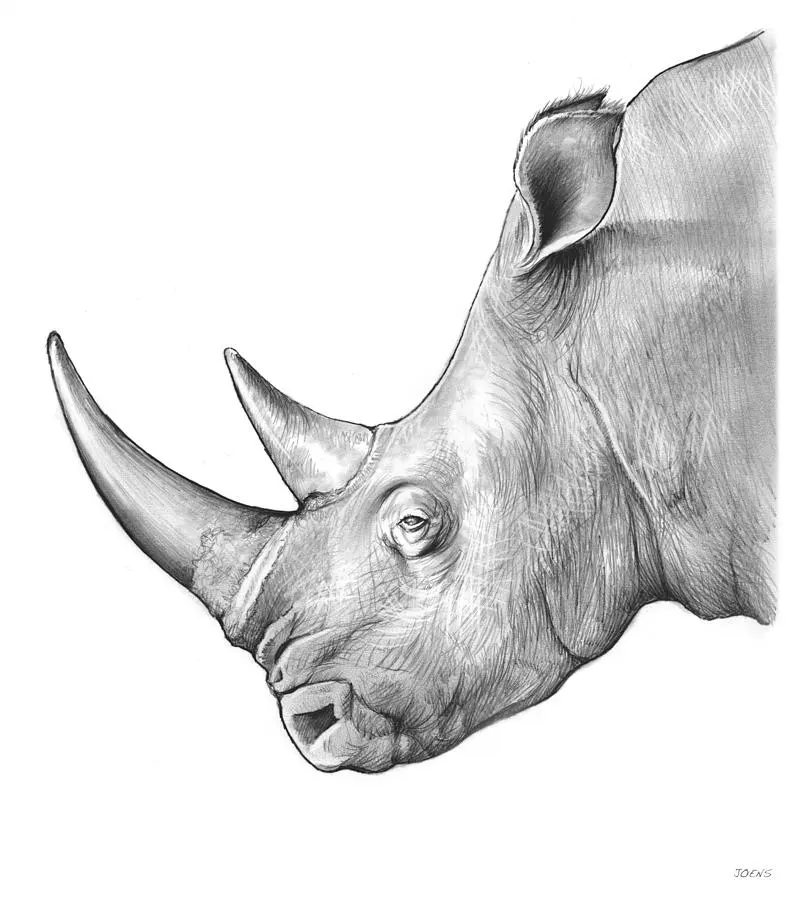
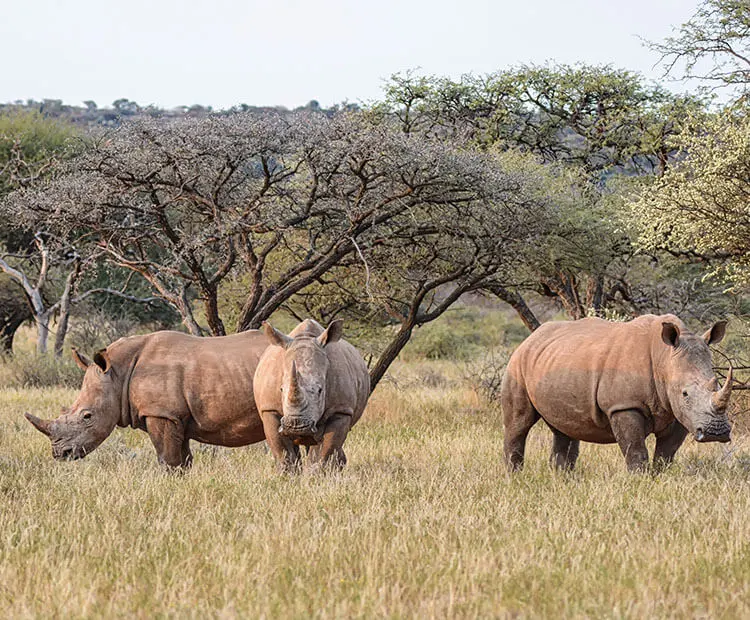
The five extant species of rhinoceros exhibit slight variations in their average life expectancy. The white rhinoceros, the most populous species, generally lives between 40 and 50 years. Black rhinos have a similar range, often living up to 40 or 45 years in protected environments. The Indian rhinoceros, known for its thick, armor-like skin, frequently reaches 40 years of age, with some individuals surviving slightly longer under optimal conditions.
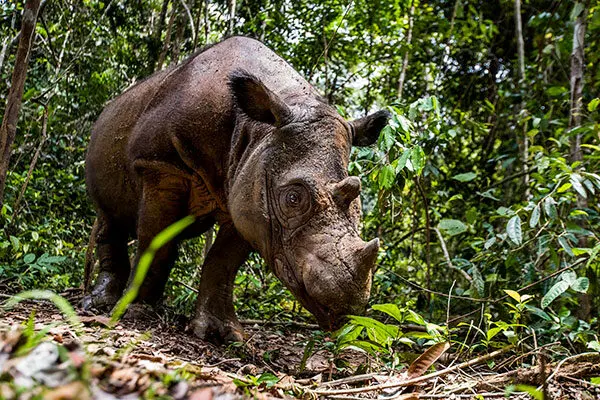
The smaller species, such as the Javan and Sumatran rhinos, are historically more difficult to track in the wild, but experts estimate their lifespans fall within the 35 to 45-year range. Environmental stressors, including the availability of specific vegetation and access to water, play a significant role in determining whether an individual reaches the upper end of these estimates. Consistent access to high-quality grazing land is a primary factor in maintaining the health of older rhinos.
Why do rhinos live as long as they do?
Rhinos are megaherbivores, meaning they have few natural predators once they reach adulthood. Their massive size and thick skin act as a natural defense mechanism against lions, hyenas, and tigers. Because they occupy a niche where they are rarely hunted by other animals, they can focus their energy on foraging and reproduction rather than constant defense. This lack of predation pressure is a primary biological reason for their extended life expectancy.
Furthermore, rhinos have a relatively slow metabolism compared to smaller mammals, which contributes to their longevity. Their complex digestive systems allow them to process tough, fibrous plant material that other animals cannot easily utilize. This efficient use of resources helps them maintain body condition even during dry seasons or periods of food scarcity. The following factors contribute to their overall survival:
- Low reproductive rates, which keep population density stable.
- Strong social bonds, particularly between mothers and calves.
- Specialized teeth designed for grinding abrasive grasses and woody shrubs.
What factors shorten a rhino's lifespan?
The most significant threat to a rhino's longevity is human activity, specifically poaching for their keratin horns. Poaching not only kills individual rhinos but also disrupts social structures, leaving calves vulnerable and unable to reach their natural life expectancy. Beyond poaching, habitat fragmentation limits the movement of rhinos, forcing them into smaller territories where competition for resources becomes intense and disease transmission rates increase.
Environmental changes also play a critical role in shortening their lives. Prolonged droughts can lead to starvation, as rhinos require vast amounts of water and forage to sustain their large bodies. Additionally, as habitats shrink, rhinos are more likely to come into contact with domestic livestock, which can introduce foreign pathogens into the population. These factors often lead to premature death before the animal reaches its biological potential.
How do rhinos age in captivity?
Rhinos living in accredited zoological institutions often benefit from veterinary care, consistent nutrition, and protection from poaching. In these settings, it is not uncommon for rhinos to reach the age of 50. Veterinarians monitor their health through regular blood work, dental exams, and specialized diets that accommodate the needs of geriatric animals. These interventions allow researchers to study the aging process in detail, providing insights that help conservationists manage wild populations.
However, captivity presents its own set of challenges for aging rhinos. To ensure a high quality of life for these animals, caretakers follow strict protocols:
- Provide soft, high-quality hay to prevent dental wear and tear.
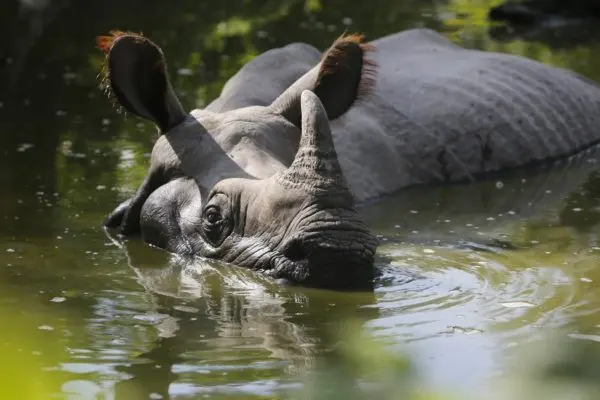
- Ensure consistent access to mud wallows to maintain skin health and regulate body temperature.
- Conduct daily physical assessments to catch signs of arthritis or joint stiffness early.
- Encourage natural behaviors through environmental enrichment to keep the animals mentally stimulated.
Common mistakes when estimating rhino age
A common mistake when assessing how long a rhino lives is assuming that all individuals in a population reach the same age. In reality, life expectancy is an average, and many rhinos die prematurely due to accidents, territorial fights, or illness. Another error is failing to account for the difference between "maximum lifespan" and "average life expectancy." While a select few rhinos might survive into their mid-50s, this is an outlier rather than the norm for the species.
Observers also frequently mistake a rhino's physical appearance for its age. While older rhinos may show signs of wear, such as worn-down teeth or scarring from past encounters, these are not always accurate indicators of exact age. Accurate aging usually requires long-term observational data or, in the case of deceased animals, the analysis of tooth eruption and wear patterns. Understanding these nuances is essential for anyone interested in the conservation and biological management of these magnificent, long-lived creatures.
Key facts
- Rhinoceroses typically live between 35 and 50 years in the wild, depending on the specific species and environmental conditions.
- The white rhinoceros is generally the longest-lived species, often reaching 40 to 50 years of age in protected habitats.
- Captivity can extend a rhino's lifespan, as individuals are protected from predators, poaching, and food scarcity.
- Black rhinos usually have a slightly shorter lifespan than white rhinos, averaging 30 to 45 years.
- Female rhinos often live longer than males, as males frequently sustain injuries from aggressive territorial fighting.
- A common mistake is assuming all rhino species share the same lifespan; Javan and Sumatran rhinos have smaller populations and less data available, but generally live shorter lives.
The bottom line
Rhinos are long-lived animals, with most species surviving into their fourth or fifth decade under stable conditions. While their longevity is impressive, it is heavily influenced by external threats like poaching and habitat fragmentation. Understanding these lifespans is essential for conservationists working to protect these vulnerable giants, as their slow reproductive cycles mean that every individual’s survival is critical to the future of their species.
People also ask
Do rhinos live longer in zoos than in the wild?
Yes, rhinos in zoos often live longer because they receive consistent veterinary care, high-quality nutrition, and are protected from poachers. In the wild, rhinos face significant threats from habitat loss and illegal hunting that can prematurely shorten their lives.
How can you tell the age of a rhino?
Researchers estimate a rhino's age by examining the wear patterns on its teeth and the level of horn growth. These physical indicators provide a reliable approximation for both wild and captive animals.
At what age do rhinos reach sexual maturity
Female rhinos typically reach sexual maturity between 4 and 6 years of age, while males usually mature later, between 7 and 10 years. Males often do not successfully defend a territory or mate until they are older and larger.
How long is the gestation period for a rhino?
Rhinos have a long gestation period lasting approximately 15 to 16 months. Because of this slow reproductive rate, populations take a long time to recover from environmental or human-induced declines.
Do rhinos have natural predators?
Adult rhinos have almost no natural predators due to their size and defensive capabilities. However, lion prides may occasionally target vulnerable calves or sick individuals.
How much do rhinos weigh?
A white rhino can weigh between 3,500 and 5,000 pounds, making it one of the largest land mammals. Smaller species, like the Sumatran rhino, may weigh closer to 1,300 to 2,000 pounds.
This answer was created with the help of AI research tools and reference sources. Spotted an error? Let us know — we correct mistakes quickly. See our editorial policy.