How do flowers get their color?
Short answer
Flowers get their color primarily from specialized pigments stored within their cell vacuoles. The most significant groups are anthocyanins, which produce reds, purples, and blues, and carotenoids, which create yellows, oranges, and reds. Additionally, structural coloration and pH levels within the plant cells influence the specific hue and intensity of the petals.
On this page
Why flowers have different colors
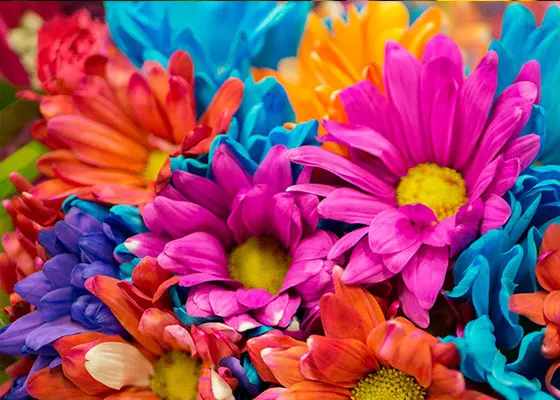
Plants produce pigments as a biological strategy to ensure survival and reproduction. Bright colors serve as visual signals to attract specific pollinators, such as bees, butterflies, birds, or bats. By advertising the presence of nectar and pollen, flowers increase the likelihood of cross-pollination, which is essential for the genetic diversity of the species. Colors also protect delicate plant tissues from ultraviolet radiation, acting much like a natural sunscreen.
The primary chemical compounds responsible for these vibrant displays include:
- Anthocyanins: Water-soluble pigments that yield red, purple, and blue shades.
- Carotenoids: Fat-soluble pigments responsible for yellow, orange, and deep red tones.
- Flavonols: Often colorless or pale yellow, these pigments act as co-pigments to stabilize other colors.
- Betalains: Found in specific plant families like cacti, these provide red and yellow hues similar to anthocyanins.
How pigments create specific shades
The exact color of a flower is rarely the result of a single chemical. Instead, it is a complex interaction between different pigment concentrations and the internal environment of the plant cell. For instance, the acidity or alkalinity of the cell sap—measured by pH levels—can drastically change the appearance of anthocyanins. A pigment that appears red in an acidic environment may shift to blue as the pH level rises toward neutral or alkaline.
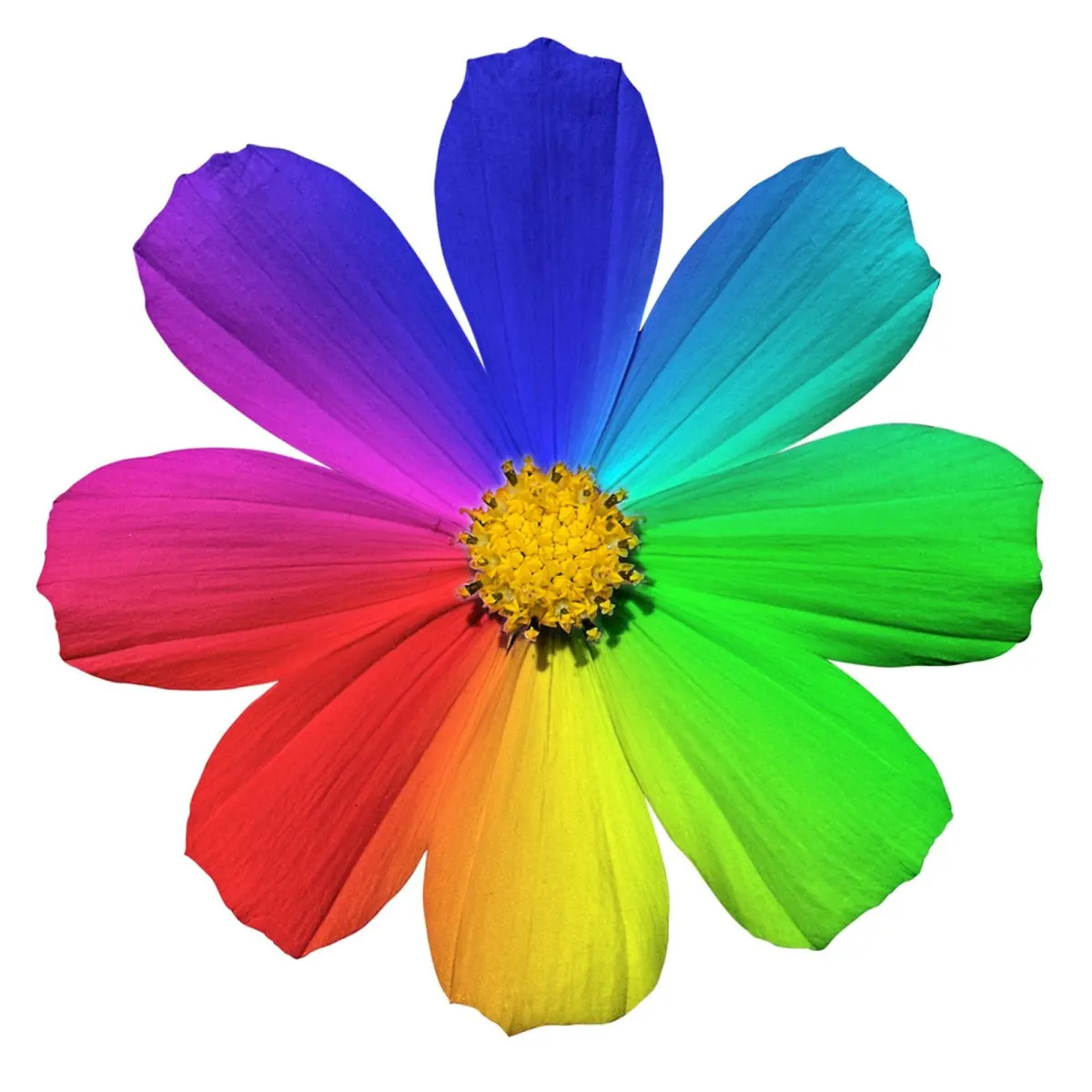
Beyond chemical composition, the physical structure of the petal plays a vital role in light reflection. Some petals possess microscopic ridges or textures that scatter light, creating iridescent effects or enhancing the brilliance of the underlying pigments. This combination of chemical absorption and physical light manipulation allows a single plant species to exhibit a wide range of color variations. When light hits the petal, certain wavelengths are absorbed by the pigments, while others are reflected back to the human eye as the color we perceive.
How to identify flower pigments at home
You can perform simple observations to understand how pigments function in your garden. If you want to identify the likely class of pigments in a flower, consider these visual markers:
- Observe the color intensity: Deep, saturated blues and purples are almost always anthocyanins.
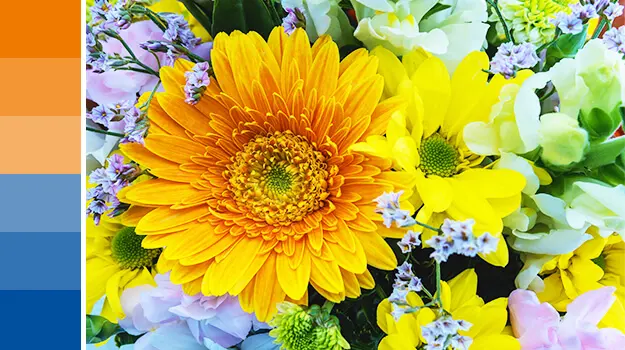
- Check for "warm" tones: Bright, neon-like oranges and yellows are typically carotenoids.
- Test for water solubility: Crush a petal in a small amount of water; if the water stains quickly, the pigment is likely water-soluble, such as an anthocyanin.
- Note the texture: Velvety or matte petals often rely on structural light scattering, while glossy petals may have a waxy cuticle that alters light reflection.
Avoid assuming that all red flowers contain the same pigments. A bright red rose and a red geranium may look similar to the human eye, but they often utilize entirely different chemical pathways to achieve their specific shade of crimson.
Common mistakes when analyzing flower color
One frequent error is failing to account for the role of the human eye versus the pollinator's vision. Many flowers that appear solid-colored to humans actually feature "nectar guides"—patterns visible only under ultraviolet light. Bees and other insects see these patterns, which act as landing strips leading directly to the flower's reproductive center. Assuming that a flower is a uniform color ignores the complex signaling systems evolution has designed for insect navigation.
Another mistake is attributing color changes in aging flowers solely to wilting. As a flower reaches the end of its life cycle, its pH levels shift and pigment production slows down, causing the color to fade or transition. This is a deliberate biological signal to pollinators that the flower is no longer a viable source of nectar. Understanding this process helps gardeners distinguish between a plant suffering from nutrient deficiency and a plant completing its natural life cycle.
How to influence flower color in the garden
Gardeners often wish to manipulate the color of their flowers, particularly with species like hydrangeas. The most famous example is Hydrangea macrophylla, where soil pH dictates the final bloom color. In acidic soil with a pH below 6.0, the plant absorbs aluminum more easily, turning the flowers blue. In alkaline soil with a pH above 7.0, the aluminum remains unavailable, resulting in pink blooms. To manage this, you can follow these steps:
- Test your soil pH using a standard kit from a local nursery.
- Apply elemental sulfur to lower the pH and encourage blue tones.
- Add garden lime to raise the pH if you prefer pink or red shades.
- Monitor the plants throughout the growing season, as soil chemistry can fluctuate with rainfall and fertilizer use.
Be careful not to over-apply soil amendments, as drastic changes can stress the plant's root system. Always choose high-quality fertilizers and maintain consistent watering practices to ensure the plant has the energy required to produce its pigments effectively.
Key facts
- Flowers derive their colors primarily from three types of pigments: anthocyanins, carotenoids, and betalains.
- Anthocyanins produce red, purple, and blue hues and are highly sensitive to the pH levels within plant cells.
- Carotenoids provide the vibrant yellows, oranges, and reds seen in many flowers, including marigolds and sunflowers.
- Betalains are responsible for the deep reds and yellows in specific plant families, such as cacti and beets.
- White flowers do not contain pigments; instead, they appear white because they reflect all visible wavelengths of light.
- Environmental factors like soil acidity and temperature can physically alter the chemical structure of pigments, changing a flower's color.
The bottom line
Flower color is a sophisticated biological strategy driven by chemical pigments like anthocyanins and carotenoids. These pigments absorb and reflect specific light wavelengths to create the vibrant displays we see in nature. By understanding how pH levels and environmental conditions influence these chemical compounds, gardeners can better manage their plants. Ultimately, these colors serve as essential evolutionary tools to attract pollinators and ensure the survival of species.
People also ask
Why do some blue flowers look purple?
Many blue flowers actually contain anthocyanin pigments that shift toward purple based on the acidity of the cell sap. If the pH level changes, the molecular structure of the pigment alters, resulting in a visible color shift.
Can I change the color of my hydrangeas?
You can influence hydrangea color by adjusting the soil pH. Adding aluminum sulfate to the soil makes it more acidic, turning flowers blue, while adding lime makes the soil alkaline, turning them pink.
Do flowers change color as they age?
Yes, many flowers change color as they mature to signal pollinators that they have already been visited. This process often involves the breakdown of pigments or the synthesis of new chemical compounds as the flower nears the end of its lifecycle.
Are green flowers rare in nature?
Green flowers are relatively common but often go unnoticed because they blend in with foliage. They typically appear green because they contain chlorophyll, the same pigment used for photosynthesis in leaves.
Why do flowers need color?
Flowers use color as a visual signal to attract specific pollinators like bees, butterflies, and birds. Different colors target different species, ensuring the plant is successfully pollinated for reproduction.
Does sunlight affect flower color?
Intense sunlight can cause pigments to fade or bleach over time through a process called photo-oxidation. Plants often produce protective compounds to shield their petals, but prolonged exposure usually leads to a loss of color intensity.
This answer was created with the help of AI research tools and reference sources. Spotted an error? Let us know — we correct mistakes quickly. See our editorial policy.