Who invented oil paint?
Short answer
Oil paint was not invented by a single individual, but rather evolved through centuries of experimentation. While early versions existed in antiquity, the Flemish painter Jan van Eyck is traditionally credited with perfecting the medium in the early 15th century by refining the use of linseed and walnut oils as binders.
On this page
Who actually invented oil paint?
The history of oil paint is a gradual evolution rather than a singular discovery. Archaeological evidence, such as samples found in caves in Bamiyan, Afghanistan, suggests that artists were using oil-based mixtures as early as the 7th century. These early versions were often crude and used for decorative purposes rather than fine art.
The transition to the medium we recognize today occurred during the Northern Renaissance. While earlier painters like Theophilus Presbyter described oil-based recipes in the 12th century, these were often slow-drying and difficult to manage. Jan van Eyck and his contemporaries in the 1400s revolutionized the technique by balancing drying times and color saturation. By utilizing high-quality linseed or walnut oils, they achieved a level of luminosity and depth that was previously impossible with tempera.
How do oil paints work?
Oil paint consists of pigment particles suspended in a drying oil, most commonly linseed oil. Unlike water-based paints that dry through evaporation, oil paint dries through a chemical process called oxidation. When the oil is exposed to oxygen, it undergoes a molecular change that turns it into a solid, flexible film.
This process is significantly slower than other mediums, which provides artists with unique advantages. Because the paint remains wet for days or even weeks, painters can blend colors directly on the canvas and make adjustments to their compositions. This slow curing process also allows for the application of multiple layers, known as glazing, which creates a rich, jewel-like appearance.
- Pigment is ground into a fine powder.
- The powder is mixed with a binder, typically refined linseed oil.
- Additives may be included to adjust the consistency or drying speed.
- The mixture is milled until it reaches a smooth, buttery texture.
Why use oil paint for art?
Oil paint is prized for its versatility and the longevity of the finished work. It offers a wider range of color intensity and texture compared to acrylics or watercolors. Because the paint film is durable and flexible, oil paintings can last for centuries without cracking if the proper support is prepared correctly.
The medium is particularly suited for creating realistic skin tones and soft transitions. Artists can manipulate the paint to create thick, expressive marks known as impasto, or thin it down to create translucent washes. This range of expression has made it the standard medium for Western fine art for over five hundred years.
- Superior blending capabilities for smooth gradients.
- Exceptional depth and saturation of color.
- High durability and resistance to environmental changes.
- Ability to rework areas over a long period.
Common mistakes when using oil paint
The most frequent error beginners make is ignoring the "fat over lean" rule. This principle dictates that each subsequent layer of paint must contain a higher ratio of oil to pigment than the layer beneath it. If a lean layer—one with little oil—is painted over a fat layer, the top will dry faster than the bottom, causing the paint to crack.
Another common mistake is failing to prepare the canvas with a proper primer, such as gesso. Raw canvas contains acidic substances that can rot the fabric over time when in direct contact with oil. Additionally, many novices use too much solvent, which weakens the paint film and results in a dull, chalky finish. Always prioritize the integrity of the layers to ensure the longevity of your work.
Best oil painting techniques for beginners
Starting with oil paint requires patience and a basic understanding of safety. Because oil paints and many solvents release fumes, it is essential to work in a well-ventilated area. Beginners should start with a limited palette of colors to learn how to mix hues effectively before investing in a wide array of expensive pigments.
To begin, focus on the "indirect" method, which involves building an image through layers. Start with a monochromatic underpainting to establish values, then slowly add color in thin glazes. This approach prevents the paint from becoming muddy and helps you understand the relationship between light and shadow.
- Choose a high-quality, pre-primed canvas or wood panel.
- Select a set of artist-grade paints, focusing on primary colors plus white.
- Use a small amount of odorless mineral spirits for thinning paint.
- Clean brushes thoroughly with soap and water or a dedicated brush cleaner after every session.
- Allow each layer to dry completely before adding new details to avoid smearing.
By mastering these fundamental steps, you can explore the rich history of oil painting while developing your personal style. Consistency and careful observation are the most effective tools for any artist working in this timeless medium.
Key facts
- Oil paint was not invented by a single person but evolved from earlier techniques like tempera and encaustic.
- Early evidence of oil-based mixtures exists in 7th-century CE Buddhist mural paintings found in Bamiyan, Afghanistan.
- Flemish painter Jan van Eyck is traditionally credited with perfecting the medium in the 15th century by refining linseed and walnut oil binders.
- Oil paint dries slowly, which allows artists to blend colors on the canvas and create subtle transitions in light and shadow.
- To prevent cracking, always follow the "fat over lean" rule: apply layers with more oil over layers with less oil.
- Avoid using cheap, household-grade linseed oil, as it may contain additives that cause the paint to yellow or degrade over time.
The bottom line
Oil paint emerged through centuries of experimentation rather than a single invention. While ancient cultures used primitive oil mixtures, the Renaissance period transformed the medium into the standard for Western art. By mastering the slow-drying properties of oils, artists achieved unprecedented realism. For modern painters, success relies on understanding chemical drying times, adhering to the fat-over-lean rule, and using high-quality materials to ensure longevity.
People also ask
Why did artists switch from tempera to oil paint?
Tempera dries almost instantly, making it difficult to blend colors or create smooth gradients. Oil paint stays wet for days, allowing for greater detail, depth, and realistic lighting effects.
What is the "fat over lean" rule in oil painting?
This principle states that each successive layer of paint should contain more oil (fat) than the layer beneath it. If a fast-drying, lean layer is placed over a slow-drying, fat layer, the top will crack as the bottom continues to shift.
How long does it take for an oil painting to dry?
While the surface may feel dry to the touch within a few days, oil paint can take several months to cure completely. The oxidation process continues long after the paint appears solid.
Can I use water to clean my oil painting brushes?
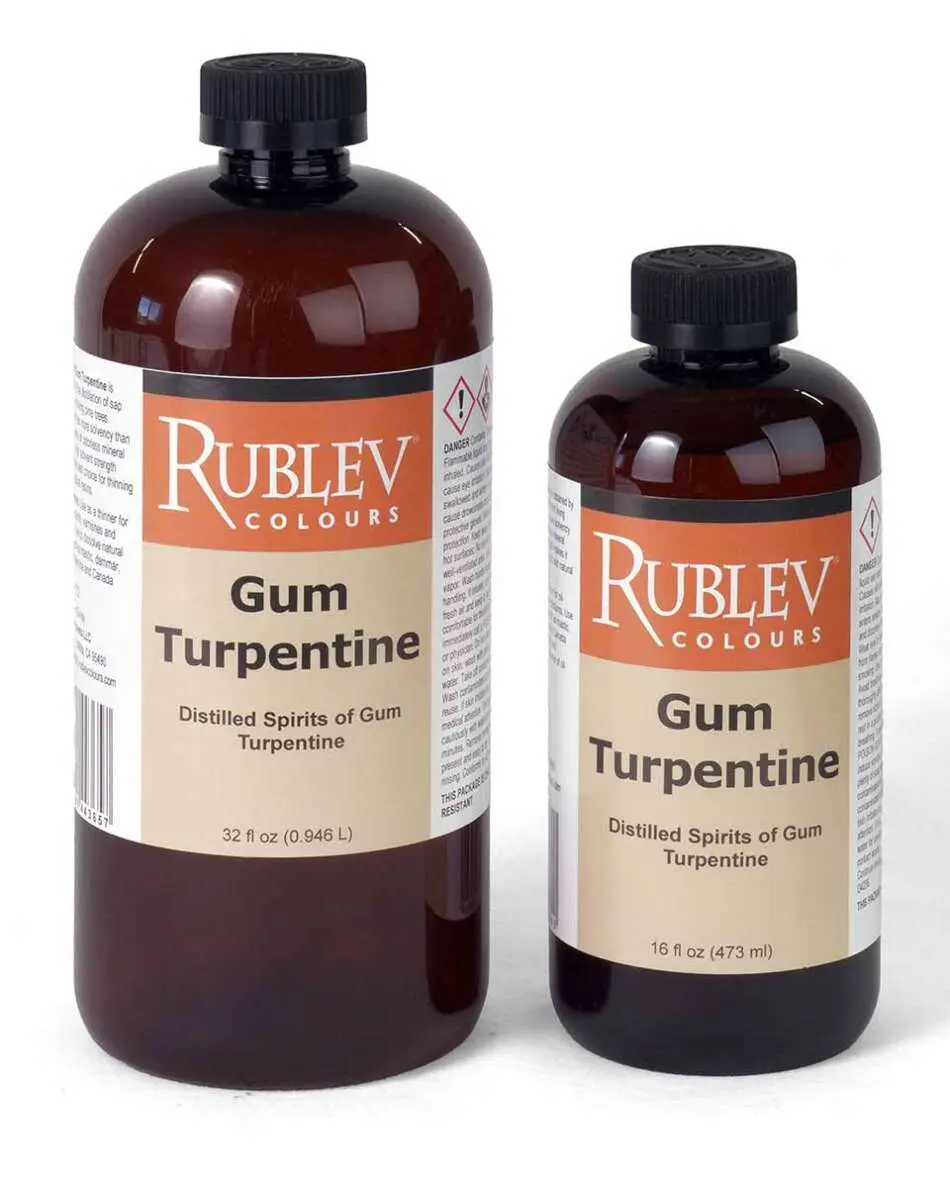
No, oil paint is not water-soluble and will not clean off with soap and water alone. You must use solvents like mineral spirits, turpentine, or specialized brush cleaners to dissolve the oil binder.
What are the best surfaces to paint on with oils?
Oil paint should be applied to a primed surface, such as stretched canvas or wood panels coated with gesso. Painting directly on raw wood or canvas can cause the oil to rot the fibers over time.
Why does oil paint sometimes turn yellow?
Yellowing is typically caused by the natural aging of linseed oil binders or exposure to low-light environments. Using high-quality, refined oils and ensuring proper ventilation can help minimize this discoloration.
This answer was created with the help of AI research tools and reference sources. Spotted an error? Let us know — we correct mistakes quickly. See our editorial policy.