What techniques did Salvador Dalí use?
Short answer
Salvador Dalí utilized a meticulous academic painting technique combined with the "paranoiac-critical method" to visualize subconscious imagery. He employed traditional oil glazing, hyper-realistic detail, and precise brushwork to render irrational, dreamlike subjects. By pairing rigorous technical discipline with spontaneous psychological exploration, he created iconic, unsettling compositions that challenged objective reality.
On this page
How to use the paranoiac-critical method
The paranoiac-critical method was Dalí’s primary intellectual tool for generating imagery. He defined it as a spontaneous method of irrational knowledge based on the critical and systematic objectivity of the associations of delirious phenomena. Rather than waiting for inspiration, he actively cultivated a state of self-induced hallucination to perceive multiple meanings within a single object.
To apply this technique, you must look at a stable object and force your mind to see it as something else without losing the original form. For example, in his work The Metamorphosis of Narcissus, he transformed a figure into a stone hand holding an egg. You can practice this by:
- Selecting a mundane object, such as a chair or a tree.
- Staring at it until the shadows and contours begin to suggest a human face or animal shape.
- Sketching these perceived shapes immediately to solidify the transition between the real and the imagined.
What techniques for realistic oil painting did he use
Dalí was a master of the classical tradition, heavily influenced by Renaissance masters like Raphael and Vermeer. He rejected the loose brushwork of contemporary Impressionists, opting instead for a "hand-painted dream photograph" aesthetic. He achieved this through the use of high-quality oil paints, often thinned with turpentine or linseed oil to create smooth, invisible transitions.
His process involved building images through thin, translucent layers known as glazes. This allowed light to penetrate the paint and reflect off the white gesso ground, creating a luminous, jewel-like quality. To achieve his level of detail, he often used single-hair sable brushes, which allowed for microscopic precision in areas like the eyelashes or the texture of desert sand. When working on your own pieces, follow these steps:
- Apply a smooth, non-porous gesso base to your canvas to eliminate texture.
- Sketch the composition with extreme precision using a hard graphite pencil.
- Apply local color in thin, opaque layers before adding delicate, translucent glazes to build depth.
Why double images appear in his art
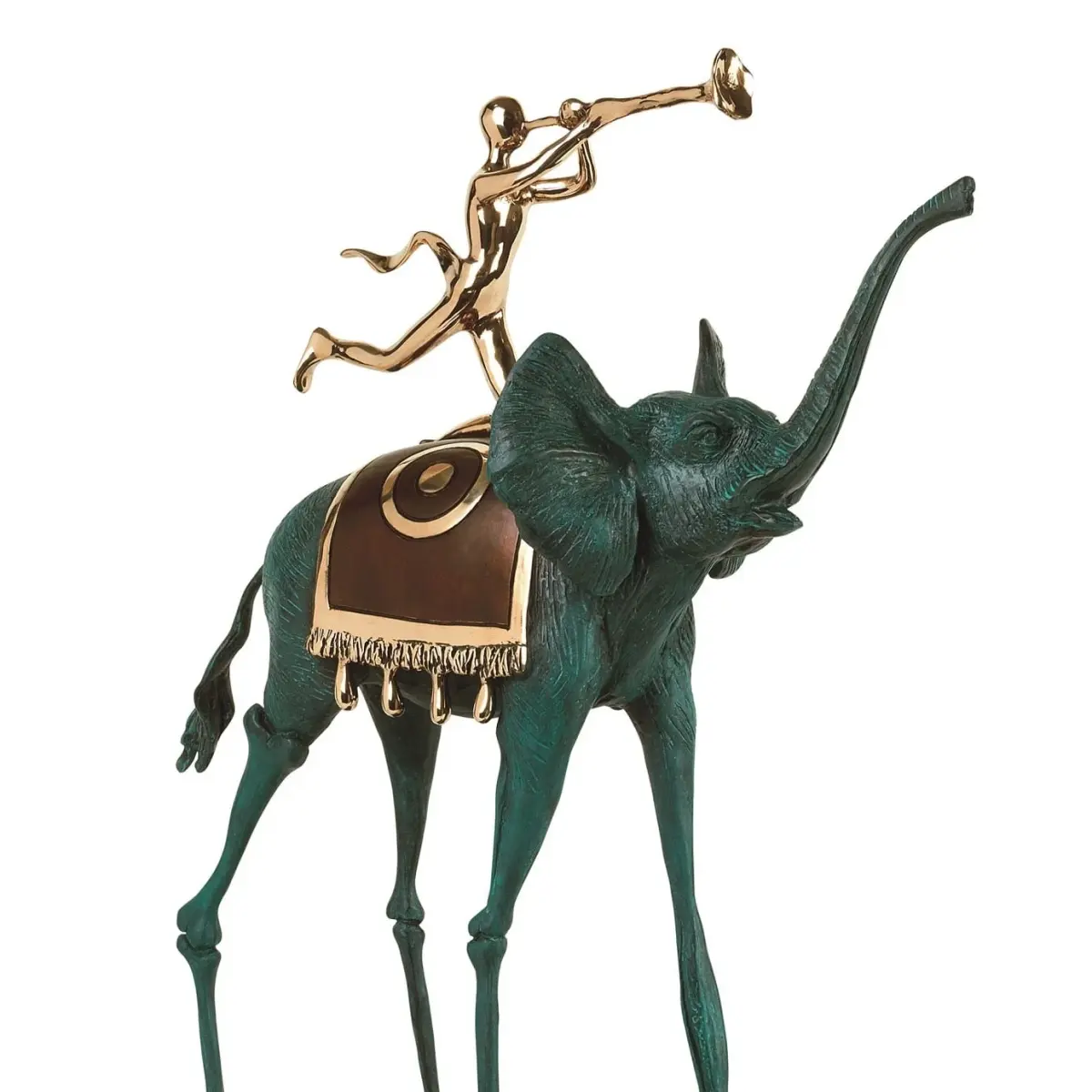
Double images are the visual manifestation of Dalí’s obsession with optical illusions. He utilized the brain’s tendency to categorize visual data to create compositions where one subject morphs into another, such as in Swans Reflecting Elephants. This technique relies on the viewer’s inability to focus on both interpretations simultaneously, forcing the eye to flicker between two realities.
These images are created by carefully aligning contours so that the edge of one object serves as the silhouette of another. For instance, the curve of a swan’s neck might also function as the trunk of an elephant. If you want to experiment with this, focus on the negative space surrounding your primary subject. By manipulating the negative space, you can often define a second, hidden figure that only reveals itself upon closer inspection. This creates a sense of intellectual engagement, as the viewer must actively participate in deciphering the scene.
Common mistakes when painting surrealism
A frequent error for beginners is focusing too much on the "weirdness" of the subject while neglecting technical execution. Dalí’s work remains powerful because the bizarre elements are rendered with absolute, photographic realism. If the technique is sloppy, the surreal effect is lost because the viewer perceives the work as a failed attempt at realism rather than a deliberate, dreamlike distortion.
Another mistake is over-cluttering the composition. Dalí often placed his strange objects in vast, empty landscapes, such as the barren plains of Cadaqués. This isolation heightens the psychological impact of the subject. Avoid these pitfalls by:
- Maintaining a strict focus on anatomical accuracy and perspective, even when the subject is impossible.
- Using a limited, earthy color palette to ground the surreal elements in a sense of physical reality.
- Ensuring your light sources are consistent across the entire canvas to maintain the illusion of depth.
How to incorporate dream imagery into art
Dalí famously kept a notebook by his bed to record his dreams immediately upon waking. He believed that the transition between sleep and wakefulness was a fertile ground for artistic inspiration. He would often engage in "micro-naps," holding a heavy key over a metal plate; as he drifted off, the key would drop, waking him just as his subconscious began to produce vivid, fleeting imagery.
To integrate these concepts into your own work, keep a dream journal and document not just the narrative, but the specific colors and textures you encounter. When translating these to the canvas, prioritize the emotional weight of the image over logical consistency. Do not worry about whether the scene makes sense; focus on the visceral reaction the imagery provokes. By combining the rigid, disciplined techniques of the old masters with the fluid, chaotic nature of your own subconscious, you can create work that feels both technically profound and deeply personal.
Key facts
- Dalí utilized the "paranoiac-critical method," a self-induced state of delirium designed to access the subconscious and find multiple meanings in a single image.
- He employed a meticulous, academic painting technique characterized by smooth brushwork and high-contrast lighting, often referred to as "hand-painted dream photographs."
- To achieve extreme detail, he frequently used sable brushes and thinned his oil paints with turpentine to create thin, translucent glazes.
- Dalí often incorporated double images, where one object, such as a rock formation, simultaneously represents a human face or another distinct figure.
- He frequently utilized the "Golden Ratio" and precise geometric perspective to ground his surreal, irrational subjects in a believable, structured space.
- A common mistake for beginners is over-blending; Dalí maintained sharp, crisp edges to ensure his impossible subjects appeared physically tangible.
The bottom line
Salvador Dalí’s genius lay in his ability to bridge the gap between rigorous classical technique and the chaotic world of the subconscious. By mastering the technical precision of the Old Masters, he made his irrational, dreamlike visions feel undeniably real to the viewer. His legacy serves as a reminder that even the most abstract or surreal ideas require a disciplined, practical foundation to truly resonate.
People also ask
Did Salvador Dalí use oil paints for his famous works?
Yes, he primarily used traditional oil paints on canvas or wood panels. He favored high-quality pigments to ensure the longevity and luminosity of his complex compositions.
What is the paranoiac-critical method?
This was Dalí’s creative process of actively inducing a paranoid state to perceive multiple, often contradictory, realities. By focusing on these hallucinations, he could translate irrational imagery into coherent, realistic paintings.
How did Dalí achieve such realistic textures in his paintings?
He practiced extreme patience, applying many thin layers of paint to build depth. He meticulously studied the techniques of Renaissance masters like Raphael and Vermeer to master light and shadow.
Did Dalí ever use photography in his work?
He collaborated extensively with photographer Philippe Halsman, most notably on the "Dali Atomicus" project. These experiments allowed him to explore movement and suspension in ways that influenced his later oil paintings.
What subjects did Dalí frequently feature in his art?
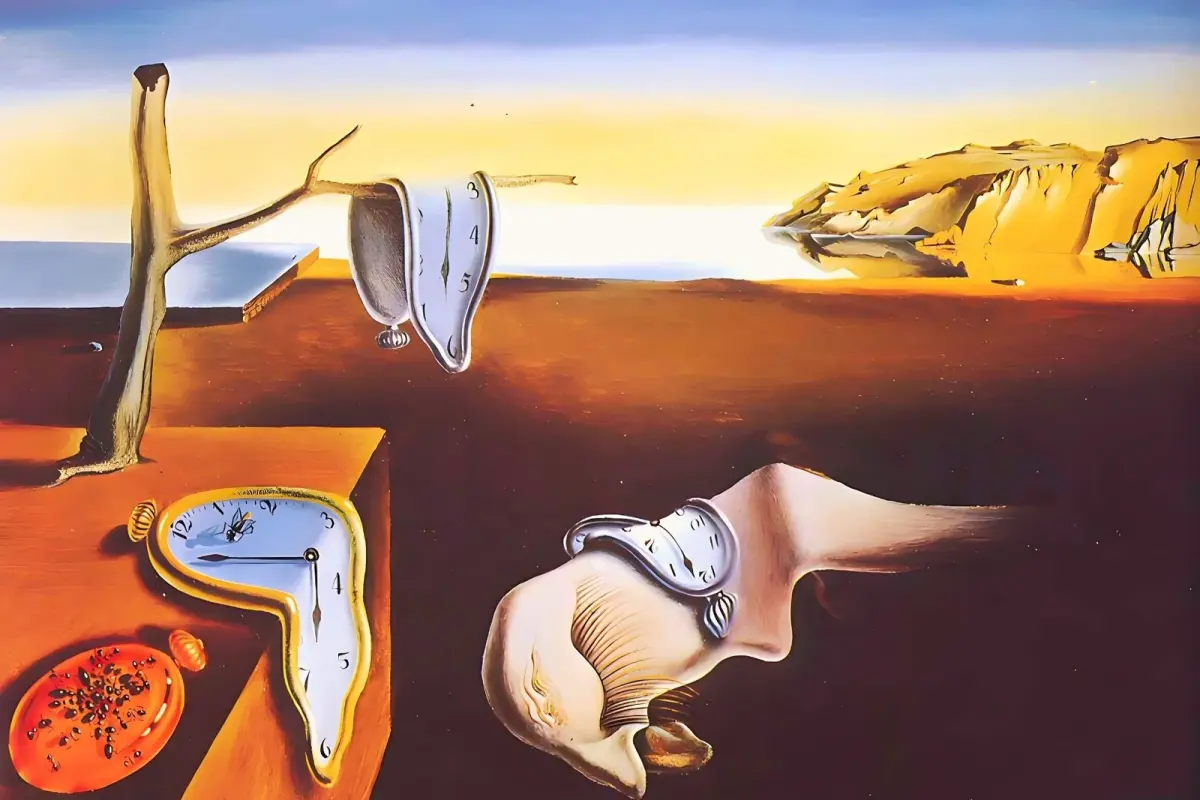
He often painted melting clocks, elongated limbs, ants, crutches, and barren landscapes inspired by his home in Catalonia. These recurring symbols served as personal metaphors for time, decay, and human fragility.
Can modern artists learn from Dalí’s techniques?
Yes, artists can study his use of perspective and anatomical precision to ground surrealist concepts. The key is to master traditional draftsmanship before attempting to distort reality in a convincing way.
This answer was created with the help of AI research tools and reference sources. Spotted an error? Let us know — we correct mistakes quickly. See our editorial policy.