What techniques did John Singer Sargent use?
Short answer
John Singer Sargent employed a bravura painting style characterized by rapid, fluid brushwork and precise placement of highlights. He utilized a "sight-size" method for accurate proportions, layered wet-on-wet oil glazes to capture light, and maintained a disciplined focus on tonal values rather than mere local color to achieve his signature realism.
On this page
How to use the sight-size technique for portraits
Sargent famously utilized the sight-size method to ensure his subjects were rendered with perfect proportional accuracy. This technique involves placing the canvas next to the subject so that the artist views both from a specific distance, allowing the painter to compare the subject and the work at a 1:1 scale. By stepping back, Sargent could assess the overall composition and silhouette before committing to finer details.
To practice this method effectively, follow these steps:
- Position your easel directly beside your subject or reference so they appear at the same size from your vantage point.
- Mark your standing position on the floor with tape to ensure you always view the work from the exact same distance.
- Use a plumb line or a long brush to measure key landmarks, such as the distance between the eyes or the width of the shoulders.
- Transfer these measurements directly to your canvas without enlarging or shrinking them.
A common mistake is moving your feet while painting, which alters your perspective and ruins the sight-size calibration. Always return to your marked spot before making any brushstroke.
What brushwork techniques define bravura style
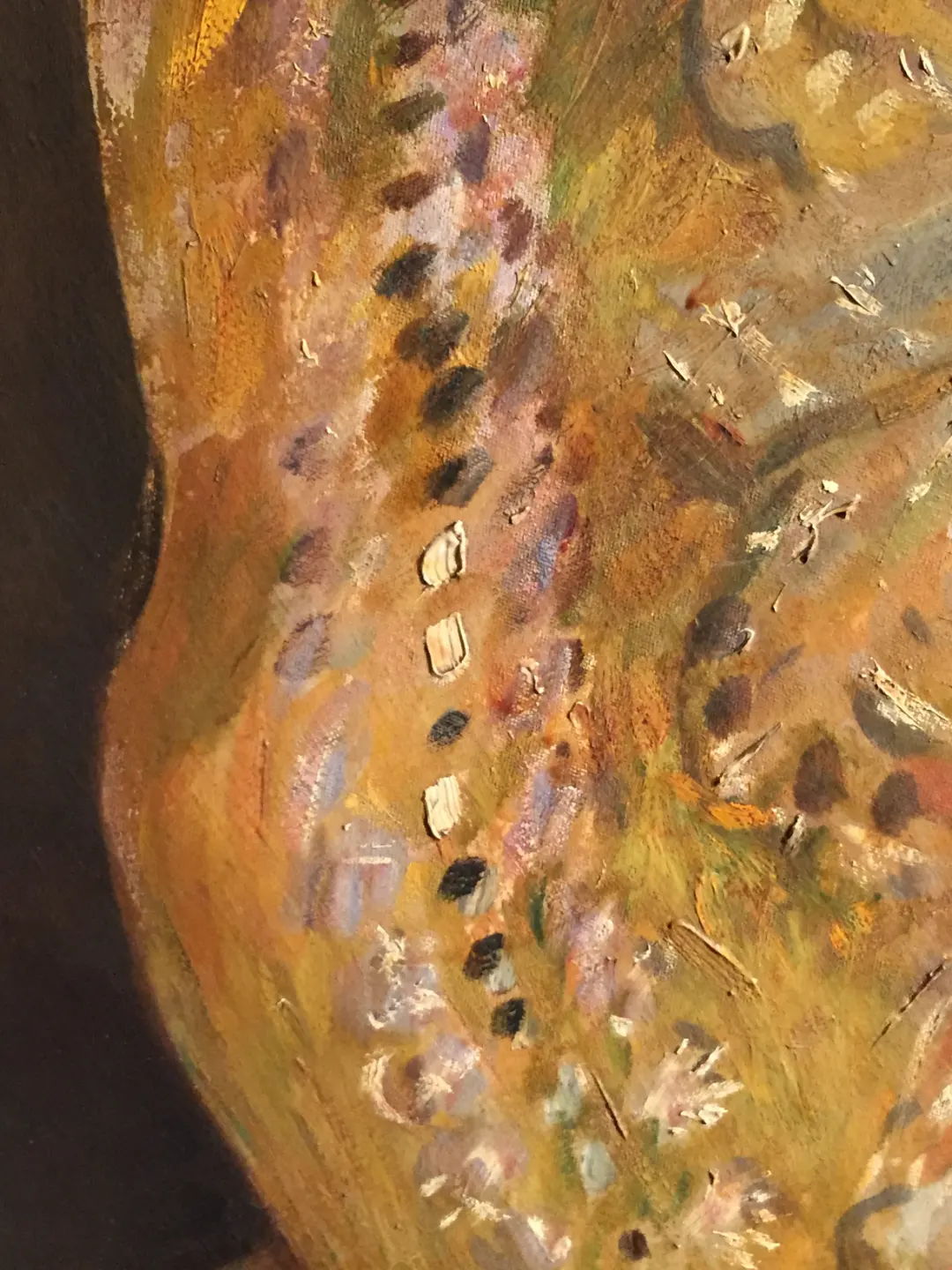
Sargent is best known for his "bravura" style, which refers to a display of bold, confident brushwork. He often applied paint with a "loaded" brush, meaning he picked up a significant amount of pigment and medium to create thick, expressive strokes. Instead of blending edges into oblivion, he left these strokes visible, allowing the viewer's eye to resolve the image from a distance.
When attempting this approach, focus on the following principles:
- Use long-handled brushes to encourage arm movement rather than wrist-driven detail.
- Load the brush fully with paint so that the stroke remains continuous and fluid.
- Avoid over-blending; once a stroke is placed, leave it alone to maintain freshness.
- Focus on the "edges" of forms, alternating between hard, crisp lines and soft, diffused transitions to create depth.
Beginners often fall into the trap of "noodling," or obsessively refining small areas. Sargent’s success relied on the economy of marks, where one well-placed stroke replaced ten tentative ones.
How to manage tonal values like Sargent
For Sargent, tonal value—the relative lightness or darkness of a color—was far more important than the hue itself. He often squinted at his subjects to simplify complex scenes into a few distinct shapes of light and shadow. This "squinting" technique allowed him to ignore distracting details and focus on the structural integrity of the form.
To master this, start by limiting your palette to a few earth tones and black and white. Paint your composition in a monochrome "underpainting" first, establishing the darkest shadows and brightest lights. Only after the values are correct should you introduce color. If the values are off, no amount of vibrant color will make the painting look realistic. A frequent error is using colors that are too similar in value, which results in a flat, muddy appearance that lacks the dramatic punch seen in works like Madame X.
Why wet-on-wet painting is essential
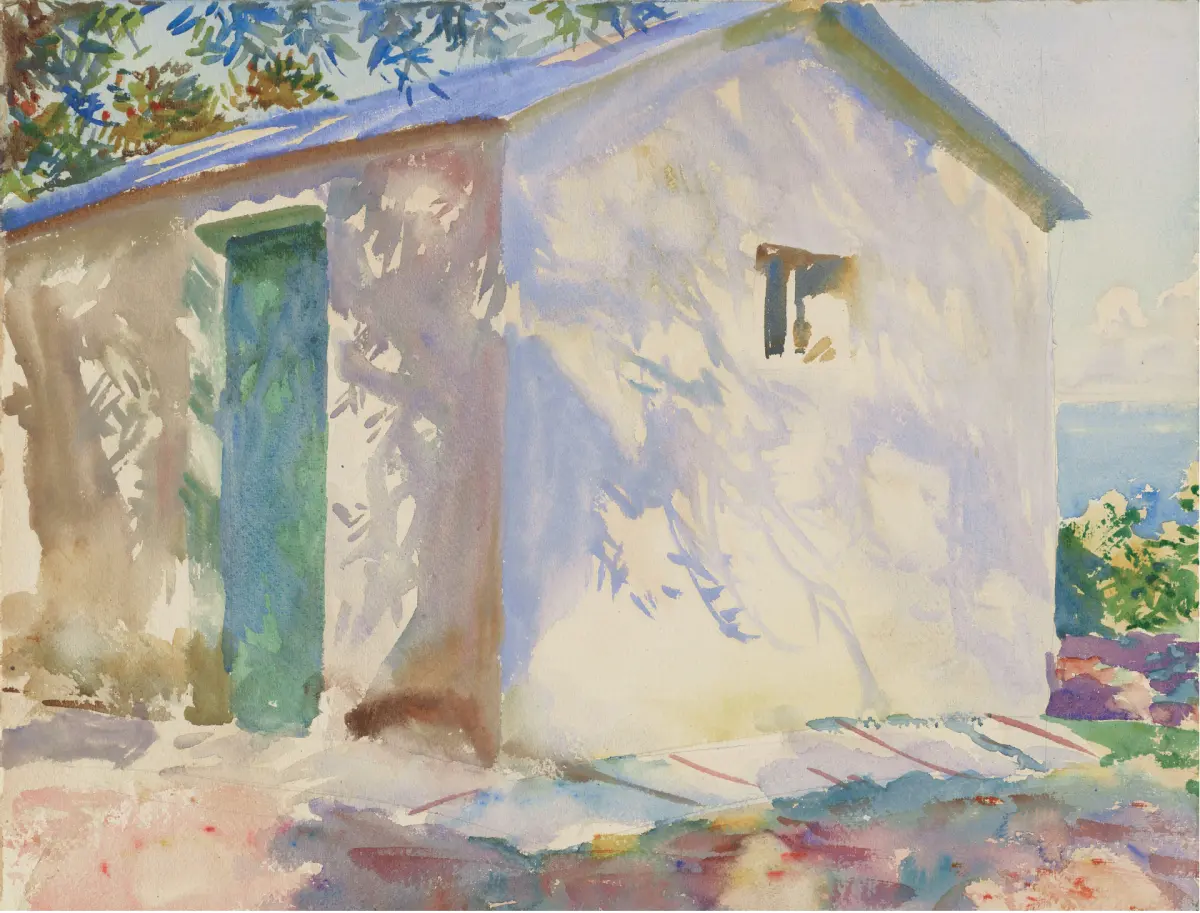
Sargent frequently employed the alla prima, or wet-on-wet, technique. By applying fresh paint into still-wet layers, he achieved seamless transitions and soft, atmospheric edges that would be impossible to replicate with dry, layered glazes. This method requires a high degree of confidence, as it does not allow for endless corrections once the paint has been applied.
To successfully implement wet-on-wet painting, keep these tips in mind:
- Use a medium like linseed oil or a alkyd-based thinner to keep the paint workable for longer periods.
- Work from the background to the foreground, and from the largest shapes to the smallest details.
- Clean your brush thoroughly between colors to prevent the mixture from becoming "muddy" on the canvas.
- Embrace the texture of the paint, as the physical impasto adds a tactile quality that mimics the way light hits skin and fabric.
Avoid the mistake of thinning your paint too much with solvent, which can cause the layers to lose their structural integrity and become overly transparent or runny.
How to capture light with color temperature
Sargent was a master of color temperature, using warm and cool tones to simulate the effects of natural light. He understood that shadows are rarely just black; they often contain reflected light and cool, blueish tones, while highlights might lean toward warmer, golden hues. By observing the subtle shifts in temperature, he gave his subjects a lifelike, luminous quality.
When painting, ask yourself if the light source is warm (like sunlight) or cool (like a north-facing window). If the light is warm, the shadows will naturally lean toward the cooler end of the spectrum. This contrast is what creates the illusion of three-dimensional form on a two-dimensional surface. Beginners often make the mistake of using a single color for shadows, such as pure black or brown. Instead, try mixing a touch of blue or violet into your shadow colors to achieve the sophisticated, vibrating depth that defined Sargent’s most celebrated portraits and landscapes.
Key facts
- Sargent favored the "alla prima" technique, applying wet paint directly onto the canvas without waiting for layers to dry.
- He utilized long, hog-hair brushes to maintain fluid, decisive strokes, often leaving brushwork visible rather than blending it into a smooth finish.
- His color palette was carefully curated; he frequently used a limited range of earth tones, such as yellow ochre, burnt sienna, and ivory black, to create tonal harmony.
- He practiced "squaring up" his subjects, using a system of marks to ensure accurate proportions before committing to final paint application.
- To achieve his signature "lost edges," he would soften the boundaries between a subject and the background while the paint was still wet.
- He often worked with a "sight-size" method, positioning his easel next to the subject so the painting and the model appeared identical in scale from a distance.
The bottom line
John Singer Sargent’s mastery relied on the disciplined application of the alla prima method, prioritizing decisive, accurate brushwork over meticulous blending. By maintaining a sight-size perspective and emphasizing the relationship between light and shadow, he created portraits that feel both spontaneous and deeply structured. Aspiring artists should focus on capturing the essence of a subject with bold, singular strokes rather than obsessing over minute, static details.
People also ask
Did Sargent use a specific brand of paint?
Sargent primarily used high-quality oil paints from reputable 19th-century suppliers like Winsor & Newton. He preferred paints with high pigment loads that allowed for both thin washes and thick, impasto applications.
How did Sargent achieve his famous skin tones?
He mixed complex flesh tones using combinations of lead white, vermilion, yellow ochre, and sometimes a touch of cobalt blue or black. He avoided using pure white, instead layering translucent glazes over warm underpaintings to simulate the depth of human skin.
What was Sargent’s approach to background detail?
Sargent frequently kept backgrounds loose and suggestive to prevent them from competing with the focal point. He used broad, sweeping strokes to define space, ensuring the viewer’s eye remained fixed on the sitter’s face.
Did he paint directly from life or from photographs?
Sargent almost exclusively painted from live models in his studio or on location. He believed that direct observation was the only way to capture the true quality of light and the nuanced character of his sitters.
How long did a typical portrait session last?
Sargent was known for his speed, often completing the foundational work of a portrait in just a few sittings. However, he was also a perfectionist who would occasionally scrape down entire sections of a canvas to start over if the composition felt off.
What is the "Sargent scrape"?
This term refers to his habit of scraping off paint with a palette knife if a brushstroke did not meet his standards. By removing the wet paint, he could maintain a clean, fresh surface for a new attempt, preventing the muddy appearance caused by overworking.
This answer was created with the help of AI research tools and reference sources. Spotted an error? Let us know — we correct mistakes quickly. See our editorial policy.