What is grisaille?
Short answer
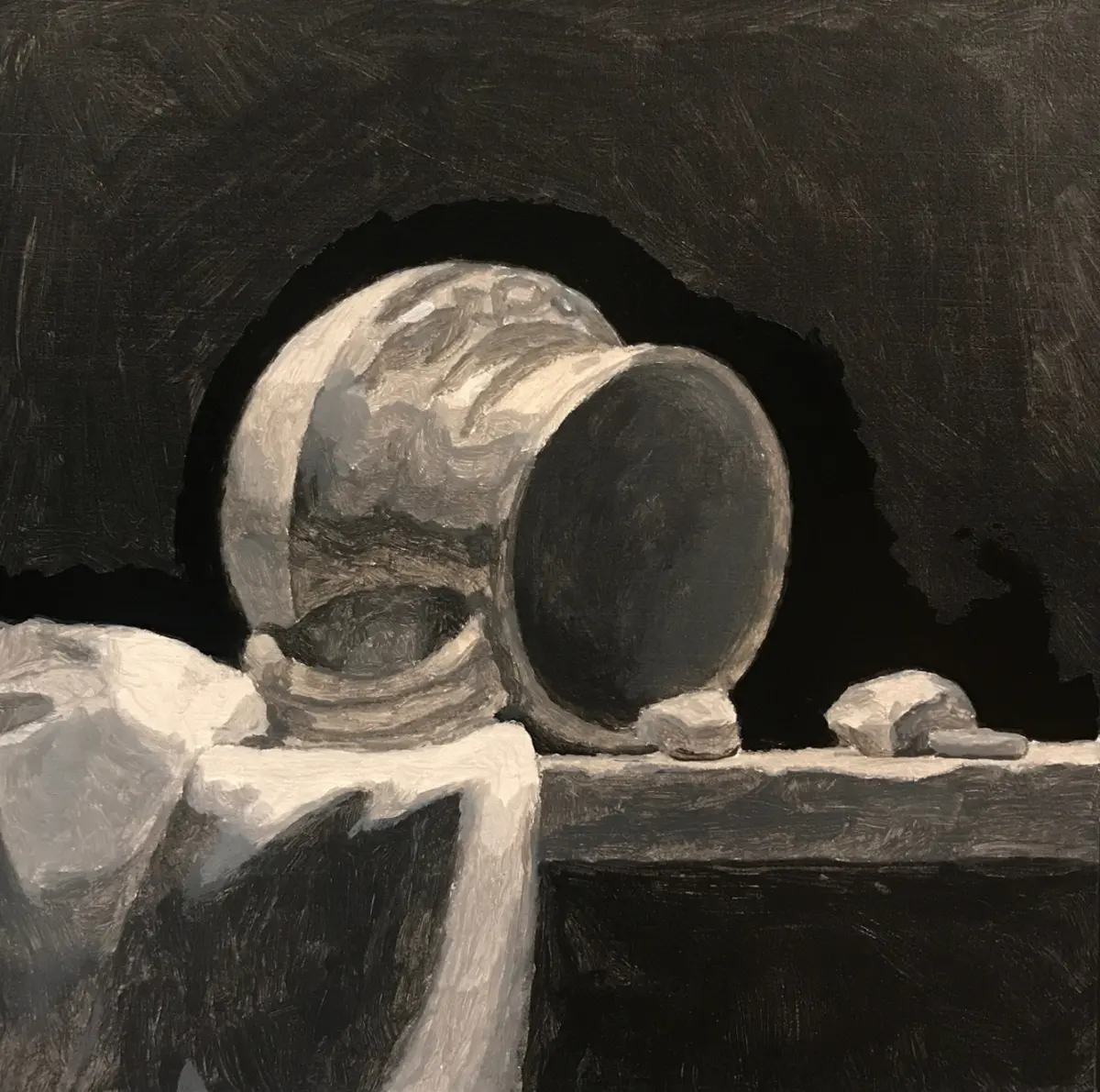
Grisaille is a painting technique executed entirely in monochrome, typically using shades of gray, black, and white. Derived from the French word "gris" (gray), it is used to create the illusion of three-dimensional sculpture or as an underpainting to establish tonal values before applying translucent glazes of color in later stages.
On this page
What is the purpose of grisaille in art?
Historically, artists employed grisaille to mimic the appearance of stone relief or statuary within a two-dimensional painting. By restricting the palette to neutral tones, the artist focuses exclusively on modeling form through light and shadow, known as chiaroscuro. This technique forces the painter to resolve complex issues of volume and depth without the distraction of hue or saturation.
Beyond its use as a finished aesthetic choice, grisaille serves as a foundational layer in classical oil painting. By establishing a complete tonal map, an artist can build a painting in stages. Once the gray-scale image is dry, thin layers of transparent color, called glazes, are applied over the top. This method allows light to pass through the color, reflect off the light-toned underpainting, and return to the viewer’s eye, creating a luminous, deep effect that is difficult to achieve with direct, opaque painting.
How to create a grisaille underpainting
Creating a grisaille underpainting requires a systematic approach to ensure the values are accurate before color is introduced. Most artists prefer a limited palette, such as ivory black and titanium white, to maintain neutrality.
- Sketch the composition onto a primed canvas using a neutral charcoal or thin wash of burnt umber.
- Block in the darkest shadows using a thin mixture of paint, ensuring you do not use too much oil at this stage.
- Gradually build up the mid-tones and highlights, paying close attention to the transition between light and shadow.
- Allow the entire layer to dry completely; depending on the climate and medium, this may take several days or even weeks.
- Apply your first thin glaze of color, ensuring the paint is sufficiently diluted with medium so the underlying gray values remain visible.
Why artists use grisaille for realism
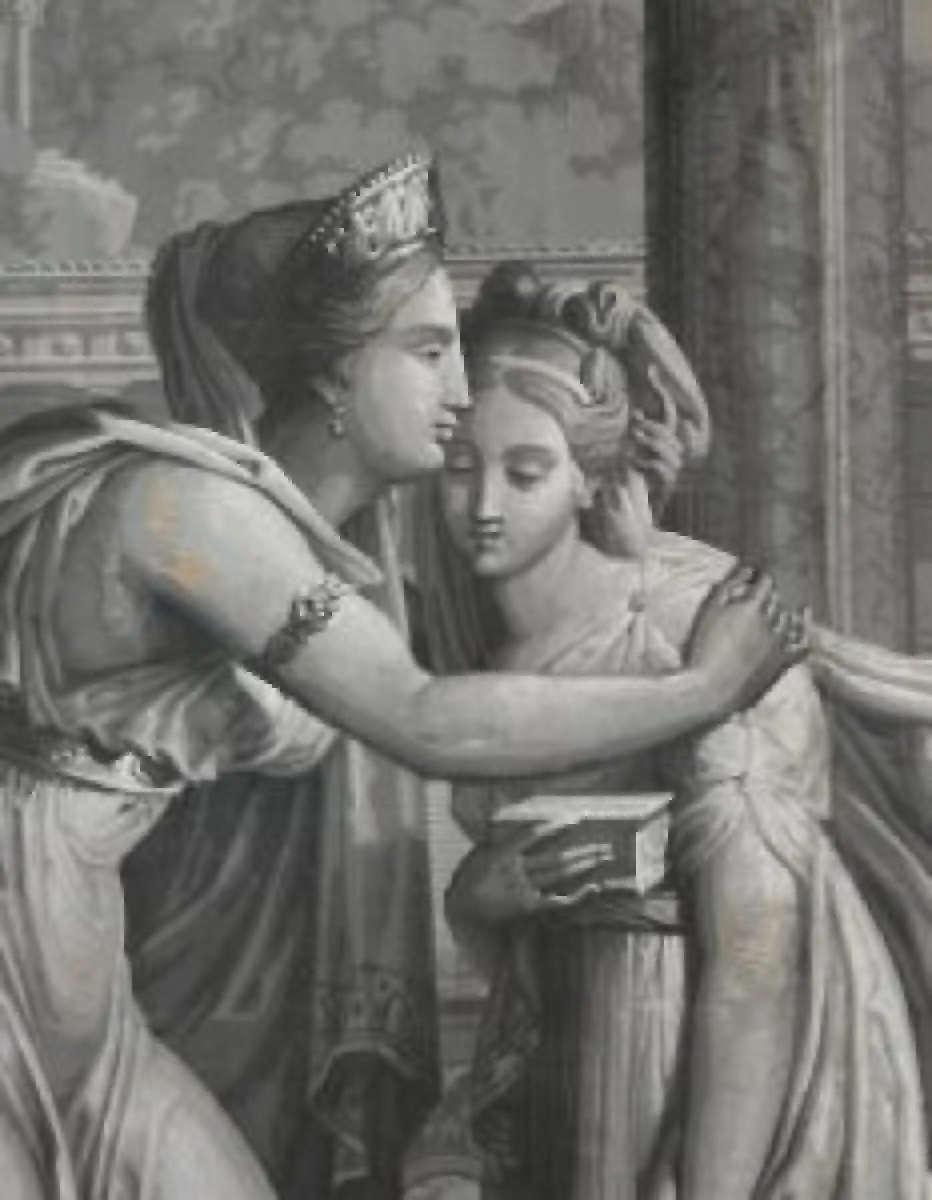
The primary advantage of grisaille is its ability to simplify the complex process of painting. When an artist attempts to manage color, temperature, value, and composition simultaneously, the risk of error increases significantly. By separating these tasks, the artist can ensure the structural integrity of the subject is sound before committing to a specific color scheme.
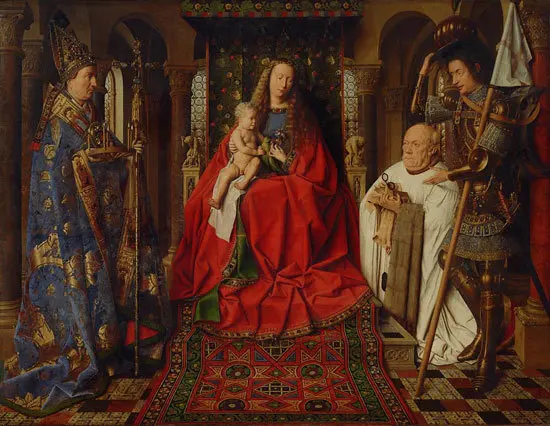
This technique was particularly popular during the Northern Renaissance. Painters such as Jan van Eyck used grisaille on the exterior panels of altarpieces to simulate stone carvings, effectively turning the closed altarpiece into a trompe l'oeil sculpture. Today, the method remains a staple in academic fine arts training. It teaches students how to observe light as a physical force that defines the shape of an object, rather than just a surface quality. By mastering the monochrome, an artist gains a deeper understanding of how light behaves across various surfaces.
Common mistakes when painting in grisaille
One of the most frequent errors is failing to achieve a full range of values. Beginners often keep their paintings too light, resulting in a flat, washed-out appearance that lacks drama and depth. To avoid this, push your darks as deep as possible early in the process. Another mistake is using too much paint, which creates a thick, textured surface that interferes with the smooth application of future glazes.
- Avoid using warm or cool grays if you want a neutral base; stick to a balanced mix of black and white.
- Do not rush the drying process; applying glazes over wet paint will cause the layers to muddy and lose clarity.
- Ensure your edges are soft; hard edges in an underpainting are difficult to hide once you begin applying color.
- Check your values in a mirror or by squinting to ensure the contrast is sufficient to support the final image.
Best materials for grisaille techniques
Choosing the right materials is essential for a successful grisaille, as the technique relies heavily on the transparency of subsequent layers. You should use a smooth, non-absorbent surface, such as a gessoed panel or a finely woven linen canvas, to prevent the paint from sinking into the texture.
- Use high-quality artist-grade oil paints to ensure consistent pigment density.
- Select a slow-drying, non-yellowing medium like stand oil or a specialized glazing medium to facilitate smooth transitions.
- Use soft synthetic or sable brushes; these leave fewer brush marks, which is critical when you want the underpainting to serve as a smooth foundation.
- Keep a clean palette to avoid accidental mixing of colors, as even a small amount of stray pigment can alter the neutrality of your gray scale.
By investing in these specific tools, you ensure that your grisaille remains a precise, clean, and effective roadmap for the rest of your painting process. Proper preparation allows you to focus entirely on the interplay of light and shadow, which is the hallmark of this timeless technique.
Key facts
- Grisaille is a painting technique executed entirely in shades of gray, black, and white to mimic the appearance of stone sculpture.
- The term originates from the French word "gris," meaning gray, and gained prominence during the Renaissance to create illusions of three-dimensional relief.
- Artists frequently use grisaille as an underpainting, a foundational layer that establishes value and structure before applying transparent color glazes.
- To achieve the best effect, focus on high-contrast lighting to emphasize the "sculptural" depth of the subject matter.
- Avoid using warm or cool tones in the initial stages, as the purpose is to master the tonal range before introducing complex color palettes.
- When applying glazes over a dry grisaille layer, ensure the paint is sufficiently thinned with medium to allow the underlying grayscale values to show through.
The bottom line
Grisaille is a sophisticated technique that prioritizes tonal structure over color, allowing artists to master light and shadow before committing to a full palette. By simulating the weight and form of sculpture, it provides a robust foundation for realistic painting. Whether used as a standalone monochromatic work or a technical underpainting, it remains an essential tool for achieving professional-grade depth and structural integrity in art.
People also ask
Can grisaille be used for portraits?
Yes, many historical portraitists used grisaille to define the bone structure and musculature of a subject. Once the gray base is dry, thin layers of flesh-toned oil paint are applied to bring the portrait to life.
Is grisaille only for oil painting?
While most famous examples are in oil, the technique is also effective in acrylics, watercolors, and charcoal drawing. The core principle remains the same: prioritizing value and light over hue.
How long should I let the grisaille layer dry?
In oil painting, the underpainting must be completely dry to the touch before adding color glazes. Depending on the thickness of the paint and your medium, this can take anywhere from a few days to two weeks.
What is the difference between grisaille and monochrome?
Grisaille specifically refers to a grayscale palette used to simulate stone, whereas monochrome can refer to any painting using only one color, such as blue or sepia. Grisaille is a specific subset of monochromatic painting.
Should I use a toned canvas for grisaille?
Using a neutral-toned ground, such as a light gray or beige, helps you judge values more accurately than starting on a stark white canvas. This prevents the "blinding" effect of white and helps unify the final piece.
What are the most common mistakes when starting grisaille?
Beginners often fail to push the contrast far enough, resulting in a flat, muddy image. Another mistake is applying glazes before the underpainting is fully cured, which can lead to the colors mixing and losing the intended depth.
This answer was created with the help of AI research tools and reference sources. Spotted an error? Let us know — we correct mistakes quickly. See our editorial policy.