What is a dirty pour?
Short answer
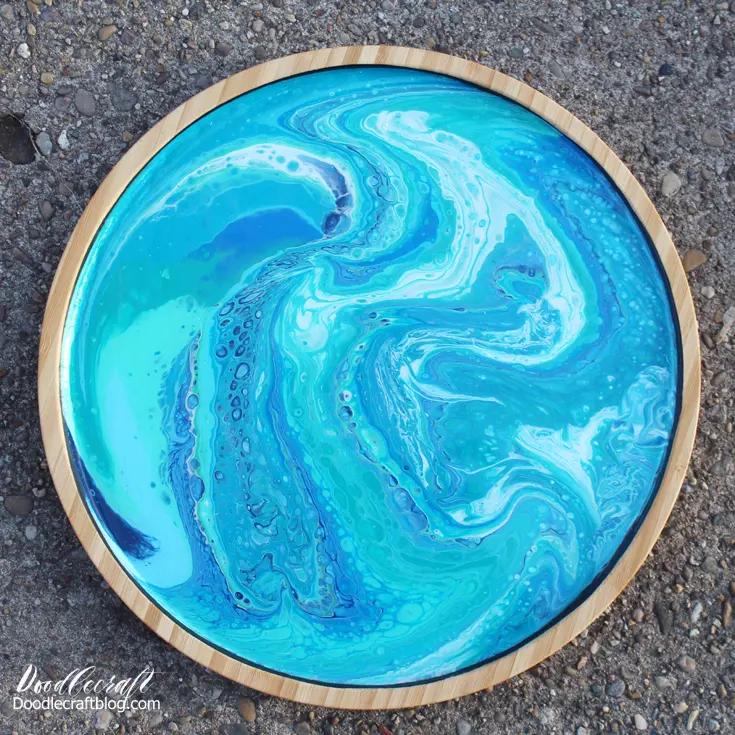
A dirty pour is an acrylic fluid art technique where multiple paint colors are layered into a single vessel before being poured onto a canvas. This method creates unique, marbled, and cell-like patterns as the colors interact during the pour. It is a popular, accessible entry point for beginners in abstract painting.
On this page
What is a dirty pour technique?
The dirty pour technique relies on the physics of fluid dynamics and the specific density of acrylic paints. By stacking different colors into one cup without stirring them, the artist ensures the pigments remain distinct but adjacent. When the cup is inverted onto a canvas, the paint flows out in a chaotic, unpredictable pattern that creates intricate cells and ribbons of color. This process is often referred to as "dirty" because the colors are intentionally mixed in a single container rather than applied separately.
Because the colors are not blended beforehand, the final design depends entirely on the order of the layers and the viscosity of the paint. Artists often add a pouring medium, such as Floetrol or specialized acrylic pouring medium, to thin the paint to the consistency of warm honey. This allows the colors to slide over one another without muddying, preserving the definition of each hue. The result is a vibrant, organic composition that is nearly impossible to replicate exactly, making every piece a one-of-a-kind creation.
How to perform a dirty pour
Executing a successful dirty pour requires careful preparation of your materials and workspace. You must ensure your canvas is level, as even a slight tilt will cause the paint to pool unevenly or slide off the edges prematurely. Once your paints are mixed with the appropriate medium, you can begin the layering process.
- Prepare your paint colors by mixing each with a pouring medium in separate containers.
- Select a clean, empty cup to act as your primary vessel.
- Slowly pour your chosen colors into the cup one by one, layering them carefully to prevent premature blending.
- Place your canvas face down on top of the cup.
- In one swift motion, flip the canvas and the cup together so the cup rests upside down on the surface.
- Lift the cup vertically to release the paint, then tilt the canvas to spread the colors across the surface.
Best paint consistency for beginners
Achieving the right consistency is the most critical factor in preventing your pour from becoming a muddy mess. If the paint is too thick, it will not flow across the canvas, resulting in heavy, stagnant blobs. If it is too thin, the colors will bleed into one another instantly, losing the crisp lines and cell structures that define the dirty pour style. Experts recommend testing your paint by drizzling it back into the cup; the trail should remain visible on the surface for a few seconds before disappearing.
To achieve this "warm honey" consistency, beginners should use a ratio of roughly one part paint to two parts pouring medium. It is helpful to keep a notebook of your ratios, as different brands of acrylic paint have varying pigment densities. Some artists add a few drops of silicone oil to their mixtures, which encourages the formation of "cells"—circular gaps where the bottom color pushes through the top layers. Experimenting with these variables allows you to control the level of detail and complexity in your final artwork.
Common mistakes when dirty pouring
The most frequent error beginners encounter is over-mixing the paint inside the cup. While it is tempting to stir the layers to ensure they are combined, doing so will inevitably result in a dull, brown, or greyish hue. You should also avoid pouring too quickly, as this can trap large air bubbles that will pop later, leaving unsightly craters in your dried artwork. Always ensure your canvas is raised off the table using small blocks or cups so that the paint can flow over the edges without sticking to the surface underneath.
Another common mistake is failing to prime the canvas or using a surface that is not rigid enough. Standard canvas can sag under the weight of heavy paint, causing the colors to pool in the center. To avoid this, use a cradled wooden panel or a high-quality stretched canvas with a thick gesso layer. Finally, ensure your workspace is free of dust and pet hair, as these particles will settle into the wet paint and become permanently embedded as the piece dries over the next 24 to 48 hours.
Why do cells form in acrylic pours?
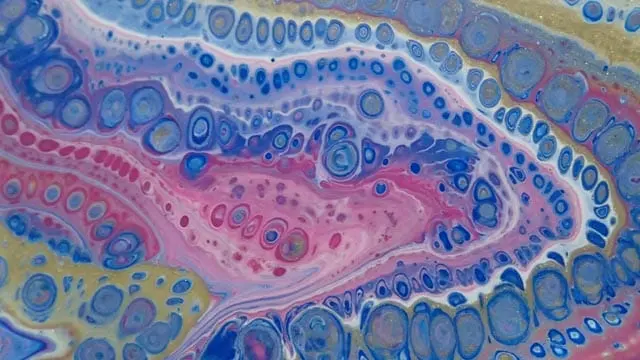
Cells are the hallmark of a professional-looking dirty pour, and they occur due to differences in paint density and surface tension. When a denser paint is layered on top of a lighter one, the heavier paint naturally wants to sink, while the lighter paint rises. This movement creates circular patterns that break through the surface of the top layer. The addition of silicone oil or a specific pouring medium accelerates this process by lowering the surface tension, allowing the bottom layers to push through more easily.
If you find that your pour lacks cells, consider checking the viscosity of your paints or increasing the amount of silicone oil used in your mixture. Temperature and humidity also play a role; warmer environments often encourage more active movement within the paint. It is important to remember that not every pour requires cells to be successful. Sometimes, the beauty of the technique lies in the smooth, marbled transitions between colors rather than the high-contrast patterns created by active cell formation. Focus on your color palette and enjoy the unpredictable nature of the process.
Key facts
- A dirty pour is an acrylic painting technique where multiple paint colors are layered into a single cup before being poured onto a canvas.
- The term "dirty" refers to the mixing of colors within the cup, which creates unique, marbled patterns rather than a solid, uniform color.
- Artists typically add a pouring medium, such as Floetrol or Liquitex, to the acrylic paint to adjust its consistency and flow.
- Silicone oil is frequently added to the paint mixture to create "cells," which are circular pockets of color that rise to the surface.
- The technique relies on gravity to spread the paint across the canvas, requiring the artist to tilt the surface in various directions.
- A common mistake is over-mixing the paint in the cup, which leads to a muddy, brown appearance rather than distinct color separation.
The bottom line
The dirty pour is a captivating fluid art technique that transforms simple acrylic paints into complex, marbled masterpieces through the controlled chaos of gravity. By layering colors and using mediums to manipulate flow and cell formation, artists can achieve professional-looking abstract results regardless of their experience level. Mastering this method requires patience, proper paint consistency, and an appreciation for the unpredictable nature of fluid dynamics.
People also ask
What is the purpose of adding a pouring medium to the paint?
Pouring medium thins the paint to the ideal consistency for flowing while ensuring the pigment remains stable. Without it, acrylic paint is too thick to spread evenly and may crack as it dries.
How do you prevent colors from becoming muddy during the pour?
Avoid stirring the paint inside the cup after layering the colors. Simply pour the cup directly onto the canvas or use a "flip cup" method to keep the colors distinct.
Why do some artists use a heat gun on their finished pour?
A heat gun or butane torch is used to pop air bubbles trapped in the paint. It also helps draw the silicone oil to the surface to create larger, more defined cells.
What is the difference between a dirty pour and a flip cup?
A dirty pour involves pouring the paint directly from the cup onto the canvas. A flip cup involves placing the canvas on top of the cup and flipping them together before lifting the cup.
How long does a dirty pour painting take to dry?
Depending on the thickness of the paint and room humidity, a pour usually takes 24 to 72 hours to dry to the touch. Full curing can take up to several weeks.
Can I reuse the paint that drips off the edges of the canvas?
While you can scrape up the runoff, it often contains mixed, muddy colors and debris from the table. It is generally better to use fresh paint mixtures for new projects.
This answer was created with the help of AI research tools and reference sources. Spotted an error? Let us know — we correct mistakes quickly. See our editorial policy.