What is Salvador Dalí known for?
Short answer
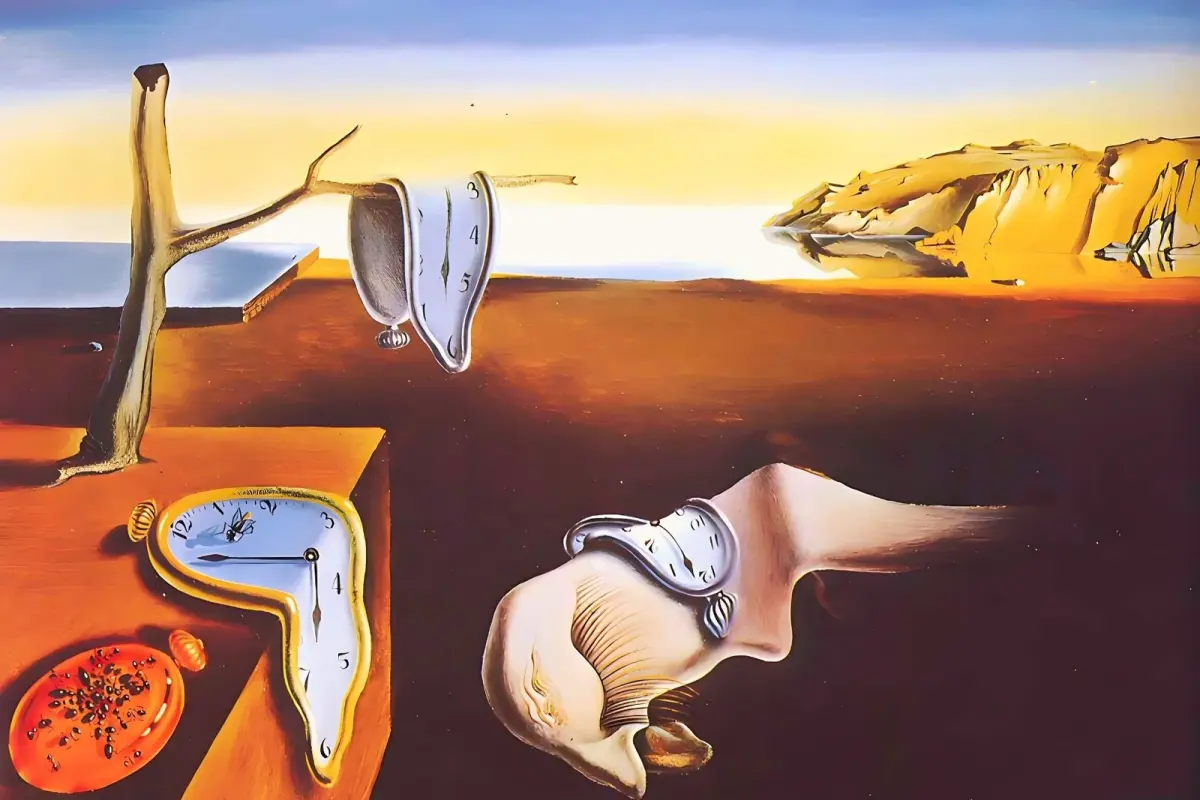
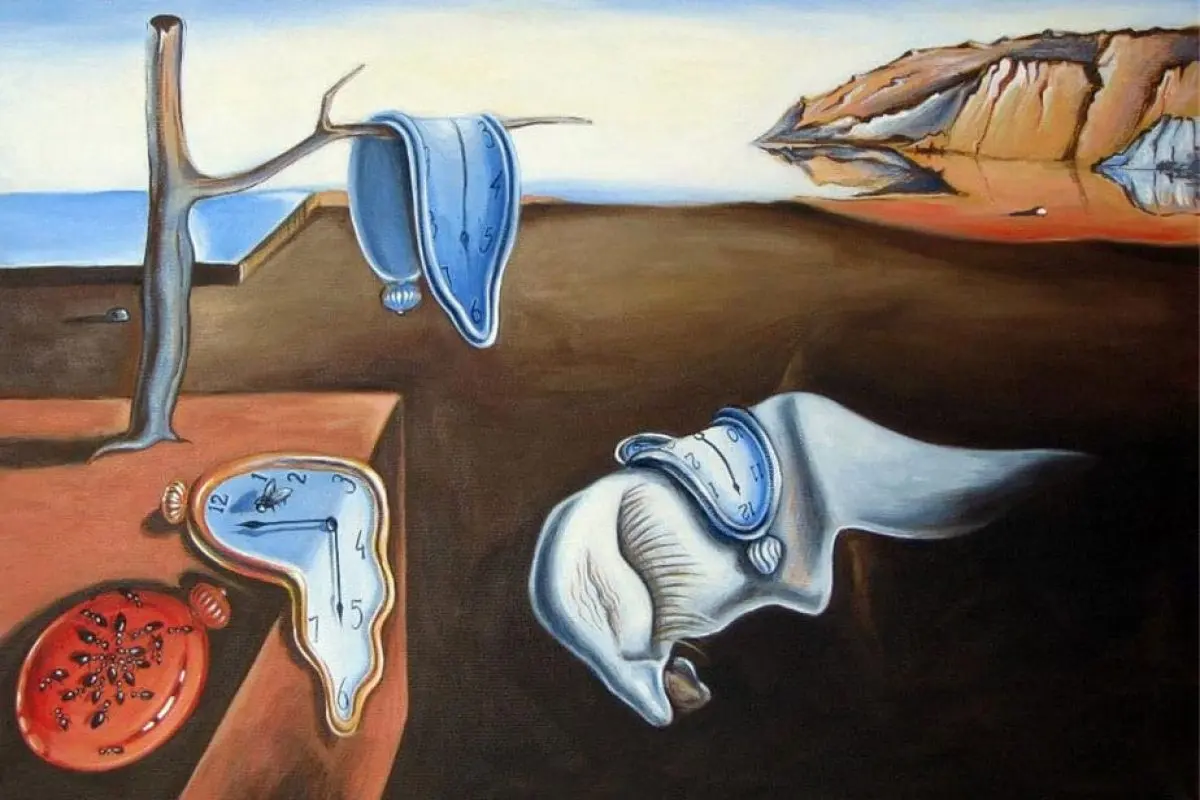
Salvador Dalí was a prominent Spanish surrealist painter known for his technical mastery, bizarre imagery, and eccentric public persona. He is most famous for his 1931 masterpiece, The Persistence of Memory, which features iconic melting clocks. His work explored subconscious themes, dreams, and the irrationality of the human mind through precise realism.
On this page
Why is Salvador Dalí famous?
Salvador Dalí is primarily recognized as the leading figure of the Surrealist movement, which sought to bridge the gap between dreams and reality. Born in Figueres, Spain, in 1904, he developed a unique style characterized by meticulous detail and dreamlike, often disturbing, subject matter. His ability to render irrational visions with the technical precision of Renaissance masters made his work both highly unsettling and deeply fascinating to global audiences.
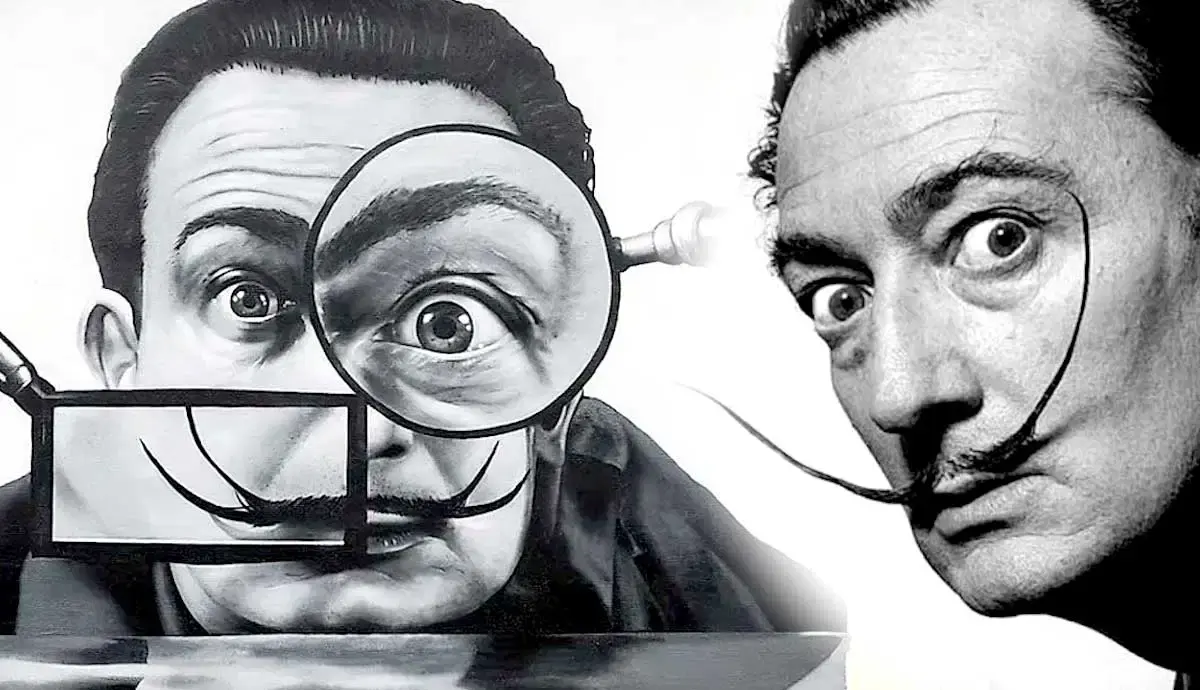
Beyond his canvases, Dalí became a cultural icon through his flamboyant personality and carefully curated image. With his signature waxed, upturned mustache and dramatic flair, he transformed himself into a living piece of performance art. This deliberate self-promotion ensured that his name became synonymous with the avant-garde. His influence extended far beyond painting, as he collaborated on films, sculpture, photography, and fashion, cementing his status as one of the most recognizable artists of the 20th century.
What are his most famous works?
While Dalí produced thousands of pieces, a few specific works define his legacy. These paintings demonstrate his "paranoiac-critical method," a mental exercise he used to access his subconscious. By focusing on these specific examples, viewers can better understand his obsession with time, decay, and the human psyche.
- The Persistence of Memory (1931): Features his iconic melting clocks in a barren landscape, symbolizing the fluidity of time.
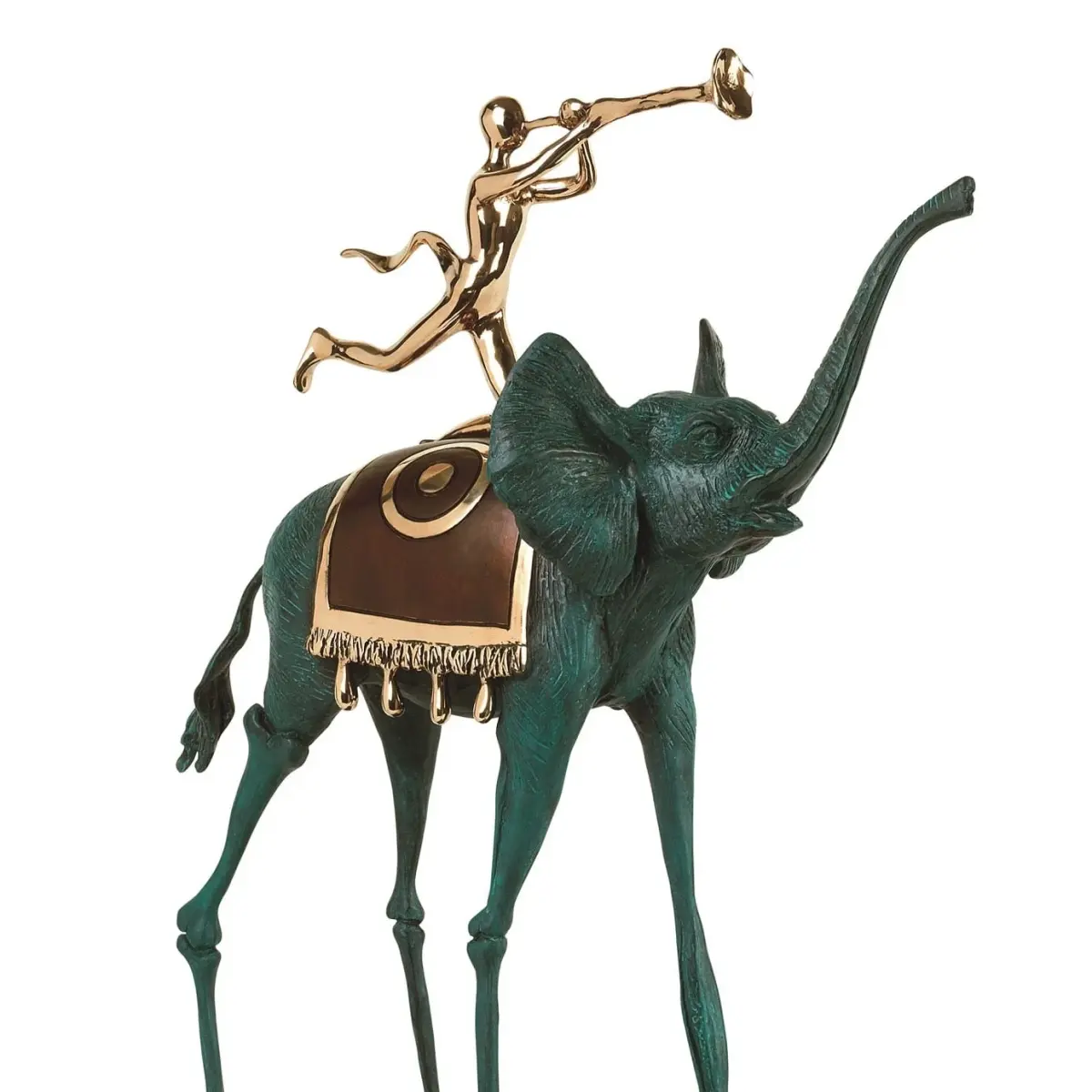
- The Elephants (1948): Depicts elephants with long, spindly legs, representing the contrast between weight and fragility.
- Soft Construction with Roasted Beans (1936): A grotesque, self-cannibalizing figure that serves as a visceral commentary on the Spanish Civil War.
- Metamorphosis of Narcissus (1937): A complex exploration of Greek mythology using double images and optical illusions.
These works remain his most studied contributions to art history. They utilize high-contrast lighting and vast, empty horizons to draw the viewer into a psychological space that feels simultaneously grounded in reality and completely alien.
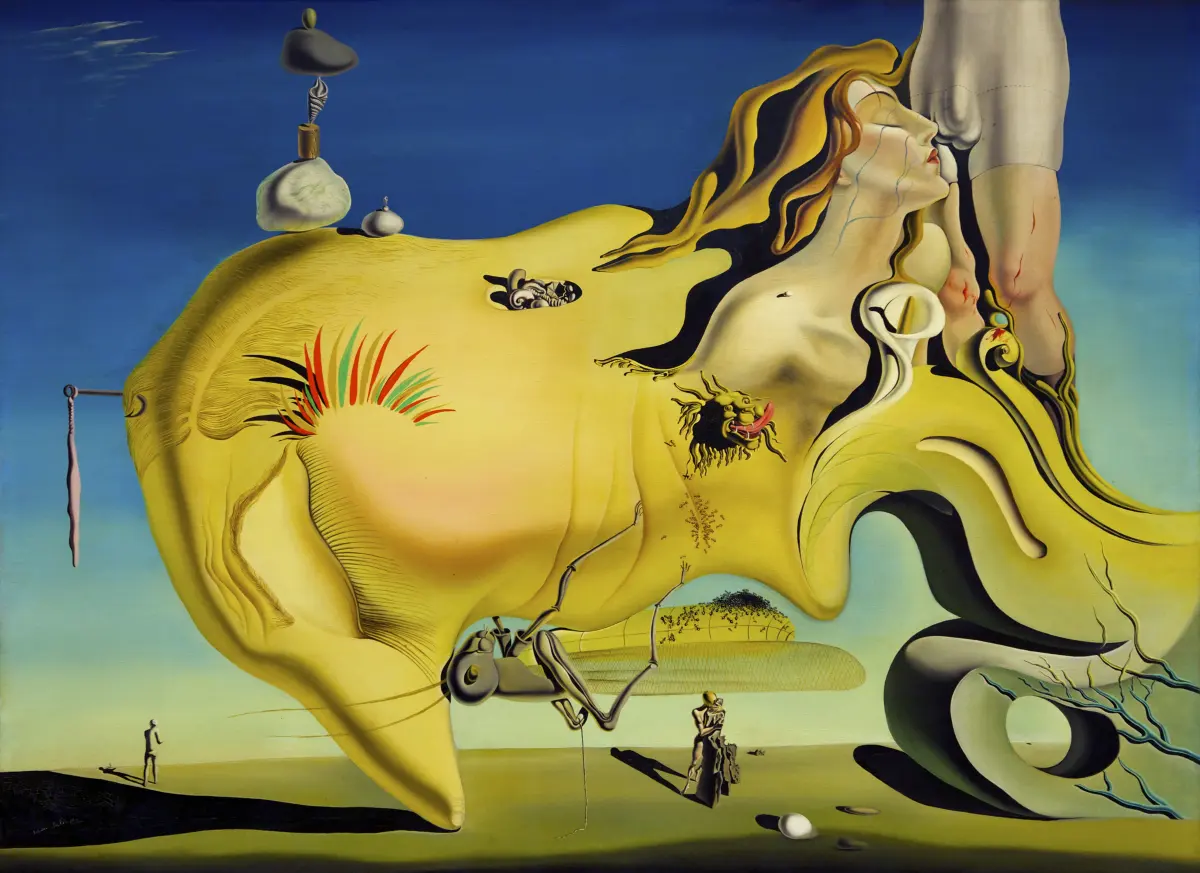
How to understand Surrealist art?
Understanding Dalí’s work requires shifting your perspective away from literal interpretation. Surrealism is not about finding a single "correct" meaning, but rather about experiencing the emotional reaction the imagery provokes. Dalí often used symbolic language—such as ants to signify decay or crutches to represent support—to build his complex visual narratives.
To analyze a piece effectively, follow these steps:
- Identify the focal point: Look for the most prominent object or figure that anchors the composition.
- Observe the environment: Note the lighting, the horizon line, and the sense of scale, which often feel dreamlike or distorted.
- Search for recurring symbols: Consider what objects like clocks, eggs, or drawers might represent in the context of the artist's life.
- Consider the emotional tone: Ask yourself if the piece feels anxious, erotic, or peaceful, as these feelings are often the intended outcome.
Avoid the mistake of searching for a logical, linear story within the painting. Surrealism is designed to bypass logic, so allow your intuition to guide your initial response before applying intellectual analysis.
What was the paranoiac-critical method?
Dalí developed the paranoiac-critical method as a way to create art that could trigger multiple perceptions of reality. He described this process as a spontaneous method of irrational knowledge based on the critical and systematic objectivity of the associations and interpretations of delirious phenomena. In practice, this meant training his brain to see images within images, allowing him to paint scenes that could be interpreted in several ways simultaneously.
This technique is most evident in his "double images," where a landscape might also form the shape of a human face or a skull. By forcing the viewer to constantly re-evaluate what they are seeing, Dalí successfully challenged the boundaries of perception. This method was not merely a stylistic choice but a fundamental philosophy that governed his creative output for decades. It allowed him to externalize his inner anxieties and obsessions, turning his private delusions into public masterpieces that continue to challenge the viewer's visual processing capabilities.
Common mistakes when studying Dalí
A frequent error is focusing solely on his eccentricity while ignoring his rigorous technical training. Many people view Dalí as a chaotic figure, yet he was a disciplined painter who studied the works of Raphael, Vermeer, and Velázquez extensively. His ability to paint with extreme precision was the foundation that made his bizarre subjects so effective; without that technical skill, his surreal visions would lack the necessary authority to be taken seriously.
Another common mistake is separating his life from his art. Dalí’s work is deeply autobiographical, often referencing his childhood in Catalonia, his complex relationship with his father, and his intense devotion to his wife and muse, Gala. To fully appreciate his output, one must view his paintings, writings, and public stunts as parts of a singular, unified project. By ignoring his personal history, you miss the emotional core that anchors his most abstract and confusing imagery. Always look for the human experience hidden beneath the melting clocks and distorted figures to find the true heart of his work.
Key facts
- Salvador Dalí was a leading figure in the Surrealist movement, known for his technical skill and bizarre, dreamlike imagery.
- His most famous painting, The Persistence of Memory (1931), features iconic "melting clocks" that symbolize the fluidity of time.
- He was born in Figueres, Spain, in 1904 and remained a prolific artist until his death in 1989.
- Dalí frequently utilized the "paranoiac-critical method," a self-induced state of hallucination used to access his subconscious for creative inspiration.
- Beyond painting, he collaborated on influential films such as Un Chien Andalou (1929) with director Luis Buñuel.
- To appreciate his work, look for recurring symbols like ants, crutches, and eggs, which often represent decay, support, or rebirth.
The bottom line
Salvador Dalí remains one of the twentieth century’s most recognizable artists, blending meticulous classical technique with irrational, subconscious imagery. By mastering the art of self-promotion and pushing the boundaries of traditional painting, he transformed the Surrealist movement into a global phenomenon. Whether through his iconic melting clocks or his eccentric personal style, Dalí challenged viewers to perceive reality through a dreamlike, deeply imaginative lens.
People also ask
Did Salvador Dalí have a mustache?
Yes, Dalí was famous for his distinctively long, upturned, waxed mustache. He claimed it was inspired by the 17th-century Spanish master Diego Velázquez and considered it a part of his artistic persona.
What was Dalí’s relationship with Gala?
Gala, born Elena Ivanovna Diakonova, was Dalí’s wife, muse, and business manager. She appeared in many of his paintings and was instrumental in shaping his career and public image.
Was Dalí a Surrealist his whole life?
No, Dalí was officially expelled from the Surrealist group in 1934 due to political disagreements and his commercial interests. He continued to paint in a surreal style, though he later explored themes of science and religion.
Where can I see Dalí's work today?
The Dalí Theatre-Museum in Figueres, Spain, is the largest collection of his work and was designed by the artist himself. Other major collections are housed at the Salvador Dalí Museum in St. Petersburg, Florida.
Did Dalí work in mediums other than painting?
Dalí was highly versatile, creating sculptures, jewelry, photography, and stage designs. He also authored several books, including his autobiography, The Secret Life of Salvador Dalí.
How can I identify a genuine Dalí print?
Many prints bearing his name are mass-produced reproductions or unauthorized copies. Always verify the provenance and look for an original signature or a certificate of authenticity from a reputable gallery or estate.
This answer was created with the help of AI research tools and reference sources. Spotted an error? Let us know — we correct mistakes quickly. See our editorial policy.