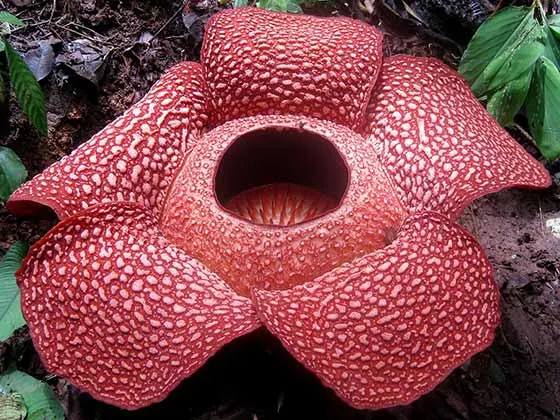
What is the rarest flower in the world?
Short answer
The Middlemist’s Red (Middlemist camellia) is widely considered the rarest flower in the world. Currently, only two known specimens exist in cultivation: one at Chiswick House in London and another at Waitangi in New Zealand. Originally native to China, the species was effectively wiped out in its natural habitat centuries ago.
On this page
Why is the Middlemist’s Red so rare?
The extreme scarcity of the Middlemist’s Red is primarily a result of historical over-collection and habitat destruction. In 1804, British nurseryman John Middlemist brought a specimen from China to the United Kingdom. Shortly thereafter, the plant vanished from its native Chinese environment, likely due to agricultural expansion and the loss of biodiversity in its original range. Because the plant does not produce viable seeds in captivity, it has been unable to propagate naturally or spread to new locations.
For over two centuries, this camellia has existed only through human intervention and careful horticultural maintenance. The two remaining plants are clones of the original specimen brought to England. This lack of genetic diversity makes the species exceptionally vulnerable to environmental changes, pests, and diseases. Without the ability to cross-pollinate or evolve, the species remains in a state of permanent, precarious isolation. Its survival depends entirely on the specialized care provided by botanical experts at its two current homes.
Where can you see rare flowers?
While the Middlemist’s Red is the rarest, other endangered flowers are occasionally displayed in controlled environments. Botanical gardens serve as the primary sanctuaries for these delicate species, offering the precise humidity, soil composition, and light levels required for their survival. If you are interested in viewing rare flora, you should consult the websites of major institutions like the Royal Botanic Gardens, Kew, or the Missouri Botanical Garden.
When visiting these sites, keep the following guidelines in mind:
- Check the blooming schedule, as many rare flowers only blossom for a few days each year.
- Respect physical barriers, as rare plants are often sensitive to the carbon dioxide and humidity levels introduced by large crowds.
- Use designated paths to avoid compacting the soil around sensitive roots.
- Avoid using flash photography, which can sometimes interfere with the light-sensitive mechanisms of rare blooms.
How do botanists protect endangered plants?
Protecting a species like the Middlemist’s Red requires a combination of ex-situ conservation and rigorous scientific monitoring. Botanists use micropropagation techniques to create new clones of rare plants, ensuring that the genetic material is preserved even if one specimen dies. This process involves taking tiny tissue samples and growing them in sterile, nutrient-rich environments until they are strong enough to be potted.
Conservationists also focus on the following strategies to prevent extinction:
- Seed banking, where seeds are stored at sub-zero temperatures in specialized vaults to maintain viability for decades.
- Habitat restoration, which involves removing invasive species and reintroducing native plants to stabilize ecosystems.
- Genetic mapping to identify the most resilient specimens for future breeding programs.
- Public education campaigns that discourage the illegal collection of wild orchids and other rare flora.
Common mistakes when identifying rare flowers
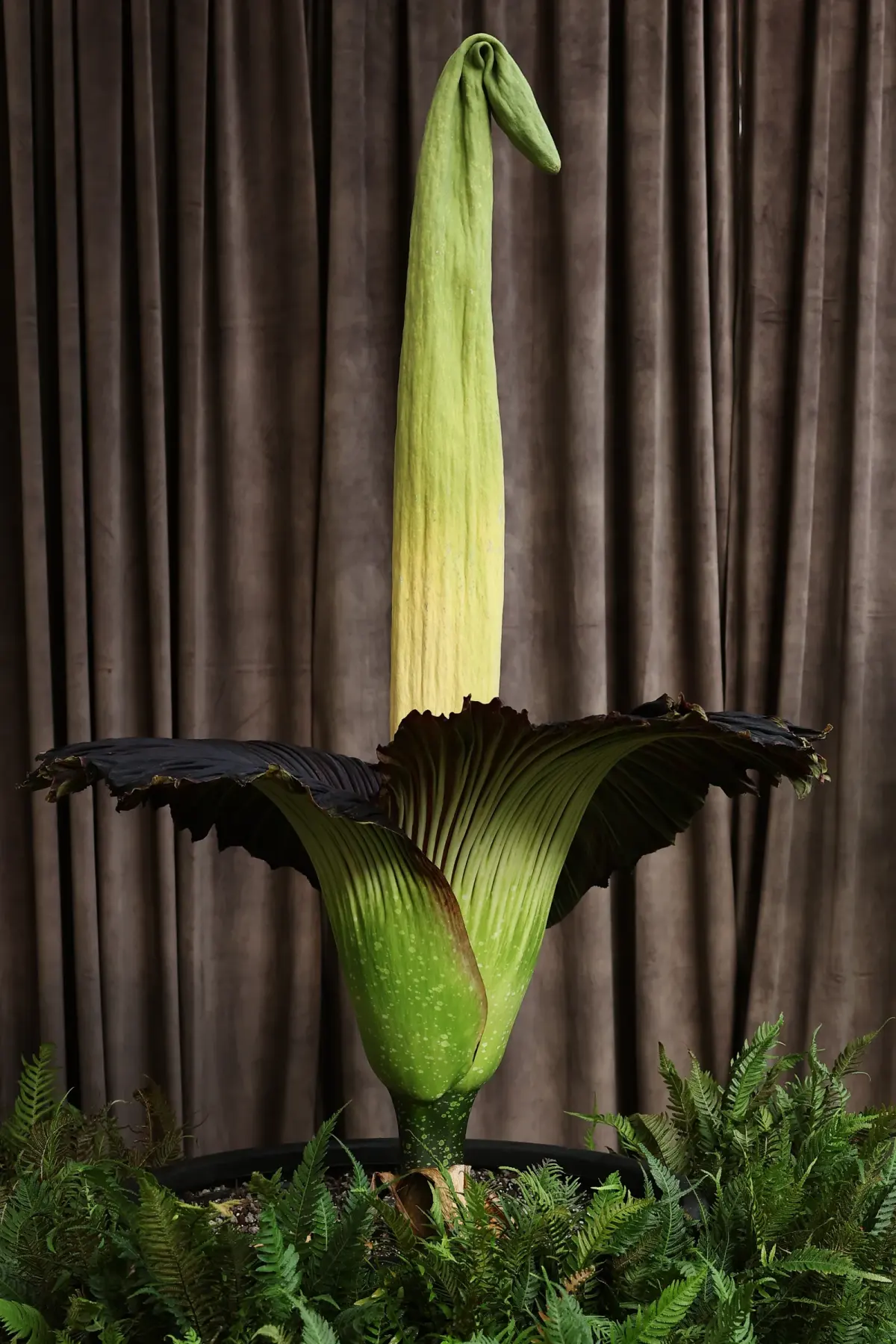
Many people mistakenly label common or hybrid flowers as "the rarest in the world" based on social media trends or internet misinformation. A common error is confusing a plant that is difficult to grow with one that is critically endangered in the wild. For instance, the Corpse Flower is often cited as rare, but it is actually cultivated in many gardens worldwide and is not at immediate risk of extinction.
To avoid these identification pitfalls, rely on the International Union for Conservation of Nature (IUCN) Red List. This database provides a standardized assessment of a species' risk level. If you believe you have discovered a rare plant, do not attempt to dig it up or move it. Instead, document the location with photographs and contact a local university or botanical society. Removing a rare plant from its environment often causes it to die, as the surrounding soil fungi and micro-climate are essential for its survival.
Can you grow rare flowers at home?
Cultivating truly rare, endangered species at home is generally discouraged and often illegal without specific permits. Most rare flowers require specialized equipment, such as climate-controlled greenhouses, automated misting systems, and precise soil pH balancing. Attempting to grow these plants without professional training usually results in the death of the specimen, which is a significant loss to the global scientific community.
If you are a hobbyist interested in rare-looking plants, consider these alternatives:
- Purchase "rare" cultivars from reputable nurseries that specialize in ethical propagation.
- Join a local plant society to learn about the specific needs of exotic species before investing in expensive plants.
- Focus on native plants in your region, which support local pollinators and are much easier to maintain.
- Support botanical gardens through memberships, which directly fund the conservation of the world’s rarest floral treasures.
By focusing on sustainable gardening, you can enjoy the beauty of nature without contributing to the decline of vulnerable species. Always prioritize the health of the plant over the desire to possess a unique specimen for your personal collection.
Key facts
- The Middlemist’s Red (Middlemist camellia) is widely considered the rarest flower, with only two known original specimens existing globally.
- One specimen resides in Chiswick House and Gardens in London, while the other is located at Waitangi in New Zealand.
- John Middlemist brought the plant from China to Britain in 1804, but it is now extinct in its native wild habitat.
- The Ghost Orchid (Dendrophylax lindenii) is often cited as the rarest wild flower because it lacks leaves and is notoriously difficult to find in the Florida swamps.
- Rare flowers are often endangered due to habitat loss, climate change, and over-collection by enthusiasts.
- To protect rare species, never attempt to transplant wild specimens, as they often require specific symbiotic fungi to survive.
The bottom line
Defining the world's rarest flower is complex because rarity fluctuates based on wild population counts and successful cultivation. While the Middlemist’s Red holds the title for the fewest known specimens, many other species face similar extinction threats. Protecting these botanical treasures requires habitat preservation and strict adherence to environmental regulations, ensuring that these unique life forms remain part of our planet's diverse biological heritage for future generations.
People also ask
Can I buy a Middlemist’s Red for my garden?
No, you cannot purchase this specific plant. The few existing specimens are held in protected botanical collections and are not available for private trade.
Why do some flowers become so rare?
Rare flowers usually face extinction because their specific environmental requirements, such as unique soil acidity or pollinator relationships, are disrupted. Human development and illegal poaching significantly accelerate these losses.
Is the Corpse Flower the rarest flower?
No, the Corpse Flower (Amorphophallus titanum) is famous for its massive size and foul odor, but it is not the rarest. It is cultivated in many botanical gardens worldwide.
How can I help conserve rare plant species?
You can support conservation by donating to botanical gardens, participating in native plant restoration projects, and avoiding the purchase of wild-harvested orchids or succulents.
What is the difference between rare and endangered?
A rare plant has a small population or restricted geographic range, while an endangered plant faces a high risk of extinction in the near future. Many rare plants are also classified as endangered.
Are there flowers that only bloom once every few decades?
Yes, some rare plants like the Queen of the Andes only bloom once after 80 to 100 years of growth. After the bloom, the plant typically dies.
This answer was created with the help of AI research tools and reference sources. Spotted an error? Let us know — we correct mistakes quickly. See our editorial policy.