What is the rarest color in nature?
Short answer
Blue is widely considered the rarest color in nature. While the sky and ocean appear blue, this is due to light scattering rather than true pigmentation. Authentic blue pigments are almost nonexistent in plants and animals; most creatures that appear blue rely on structural coloration, which manipulates light through microscopic physical surfaces.
On this page
Why is blue so rare in nature?
The scarcity of blue stems from the fundamental physics of light and chemistry. Most colors in nature are produced by chemical pigments, such as chlorophyll for green or carotenoids for red and yellow. These molecules absorb specific wavelengths of light and reflect others. Evolutionarily, it is extremely difficult for organisms to synthesize a molecule that absorbs the high-energy, short-wavelength light required to produce a blue pigment.
Because blue light carries high energy, a molecule would need to be very complex and chemically unstable to absorb it while reflecting blue. Consequently, most life forms have evolved to produce other colors that are more energy-efficient and chemically stable. When you see a "blue" animal or plant, you are almost certainly witnessing a trick of physics rather than a true chemical pigment. This phenomenon, known as structural coloration, remains a fascinating evolutionary adaptation for those few species that utilize it.
How do animals produce blue color?
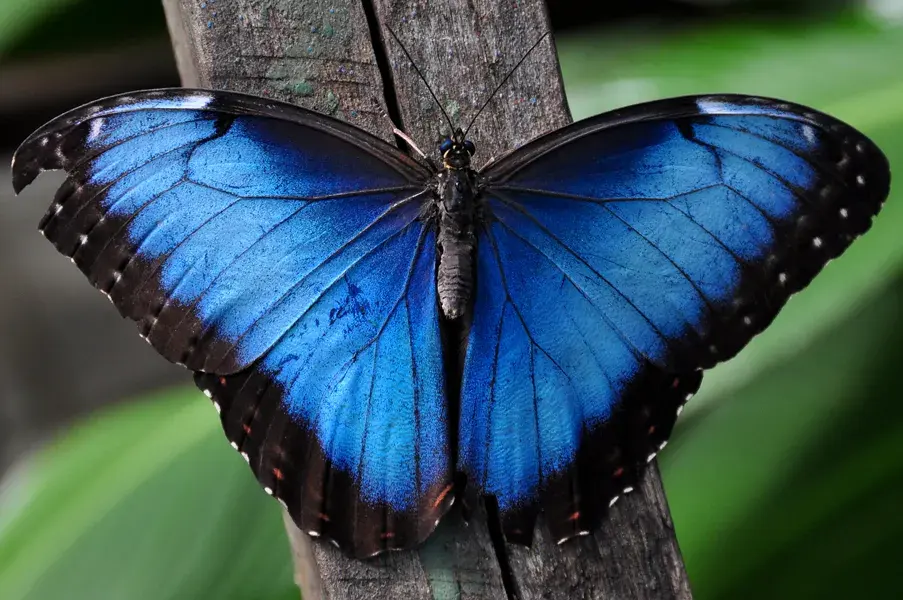
Since true blue pigments are nearly absent, animals have developed ingenious ways to manipulate light. By creating microscopic structures on their surfaces, such as scales, feathers, or skin, they can reflect blue light while canceling out other wavelengths through interference. This is the same principle that causes soap bubbles or oil slicks to shimmer with iridescent colors.
- The Morpho butterfly uses complex, tree-like structures on its wing scales to scatter light.
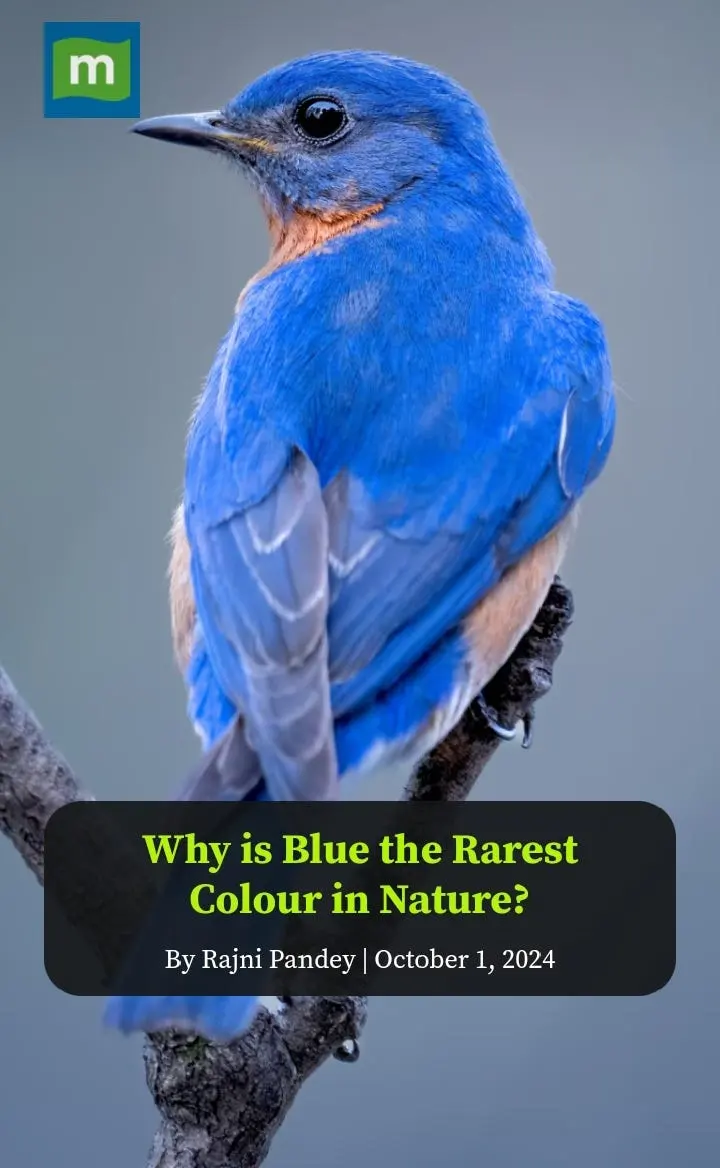
- Blue jays and kingfishers possess specialized air pockets in their feathers that scatter light waves.
- Certain species of poison dart frogs use skin layers that reflect light to create a vibrant blue hue.
- Mandrills utilize structural skin properties to display blue patches on their faces for social signaling.
These structural colors are often more intense than pigments, but they vanish if the surface is damaged or wet, which alters how light interacts with the microscopic architecture.
Are there any true blue plants?
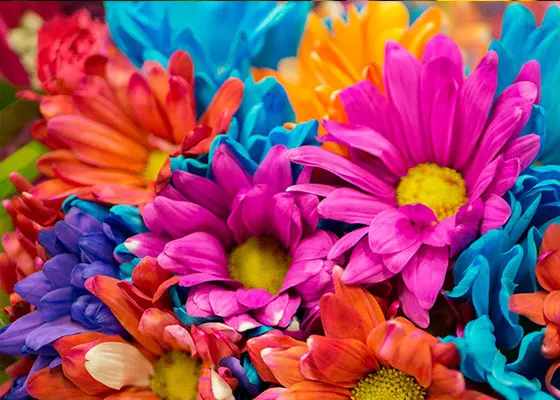
Botanists have found that fewer than 10 percent of the world’s 280,000 flowering plant species produce blue flowers. Even in these rare cases, the "blue" is usually a result of mixing existing pigments like anthocyanins with specific metal ions or adjusting the pH levels within the plant cells. It is a chemical modification of red or purple pigments rather than the creation of a dedicated blue molecule.
- The Himalayan blue poppy is one of the few plants that approaches a true blue.
- Cornflowers achieve their color through a complex pigment called protocyanin.
- Hydrangeas change color based on the acidity of the soil, which affects the availability of aluminum ions.
- Delphiniums rely on a specific combination of acidity and pigment concentration to appear blue to human eyes.
Because true blue is so difficult to achieve, plants often have to invest significant metabolic energy into these complex chemical arrangements to attract pollinators.
Common mistakes when identifying colors in nature
Many observers mistakenly classify any blue-looking object as a blue pigment. A common error is assuming that the intensity of a color indicates the presence of a strong pigment. In reality, structural colors often appear much brighter and more metallic than pigment-based colors because they rely on light reflection rather than absorption.
Another mistake is ignoring the role of human perception. Our eyes are evolved to see a specific spectrum, and some animals, such as birds and insects, can see ultraviolet light. A flower that appears blue to you might look entirely different to a bee, which sees patterns in the ultraviolet range that are invisible to humans. Always consider that what you perceive as a rare color might be a functional signal designed for a non-human observer, rather than a display intended for your eyes.
How to study rare colors in the wild
If you are interested in observing these rare phenomena, focus on environments where structural coloration is most prevalent. Tropical rainforests and coral reefs are excellent places to start, as they host many species that use structural blues for camouflage or mating displays. Use a macro lens to photograph these organisms, as the microscopic structures responsible for the color are often only visible under high magnification.
- Research the specific species before heading out to ensure you know what to look for.
- Observe the subject from different angles to see if the color shifts or disappears; this confirms it is structural.
- Note the lighting conditions, as structural colors change dramatically depending on the angle of the sun.
- Keep a field journal to record which colors appear most frequently in your specific geographic region.
By understanding that blue is a physical illusion rather than a chemical constant, you can better appreciate the complex evolutionary strategies that allow life to display such a rare and captivating hue across the natural world.
Key facts
- Blue is widely considered the rarest pigment in nature because almost no organism produces a true blue chemical pigment.
- Most "blue" animals, such as the Morpho butterfly or blue jays, rely on structural coloration rather than actual blue dyes.
- Structural color occurs when microscopic surface textures reflect only blue light waves, creating an optical illusion of pigment.
- Plants rarely produce blue flowers; fewer than 10% of the world's 280,000 flowering species are blue.
- Anthocyanins are the primary pigments that create blue hues in plants, but they require specific soil pH levels to shift from red or purple to blue.
- To identify if a color is structural, try crushing a blue petal or feather; if the color disappears or turns brown, it was likely structural light scattering.
The bottom line
While blue appears frequently in the sky and ocean, it is exceptionally rare as a biological pigment. Most organisms that appear blue utilize structural coloration, manipulating light through microscopic textures rather than chemical dyes. Because true blue requires specific, energy-intensive conditions, it remains a biological rarity. Understanding the difference between chemical pigments and structural light scattering helps clarify why true blue remains elusive in the natural world.
People also ask
Why do blue flowers look blue if they lack blue pigment?
They achieve this through complex chemical interactions involving anthocyanin pigments, metal ions, and specific pH levels in the plant cells. This combination shifts the light absorption spectrum to reflect blue wavelengths, which is a metabolically expensive process for the plant.
Are there any animals that produce true blue pigment?
Yes, the obrina olivewing butterfly is one of the few known examples that produces an actual blue chemical pigment. Most other blue creatures, including poison dart frogs and peacocks, use light-scattering nanostructures to create the appearance of blue.
Is black a common color in nature?
While black is common in animal fur and feathers due to the pigment melanin, it is rare in flowers. True black flowers are usually deep shades of purple or red that absorb almost all visible light.
Can I grow a true blue rose in my garden?
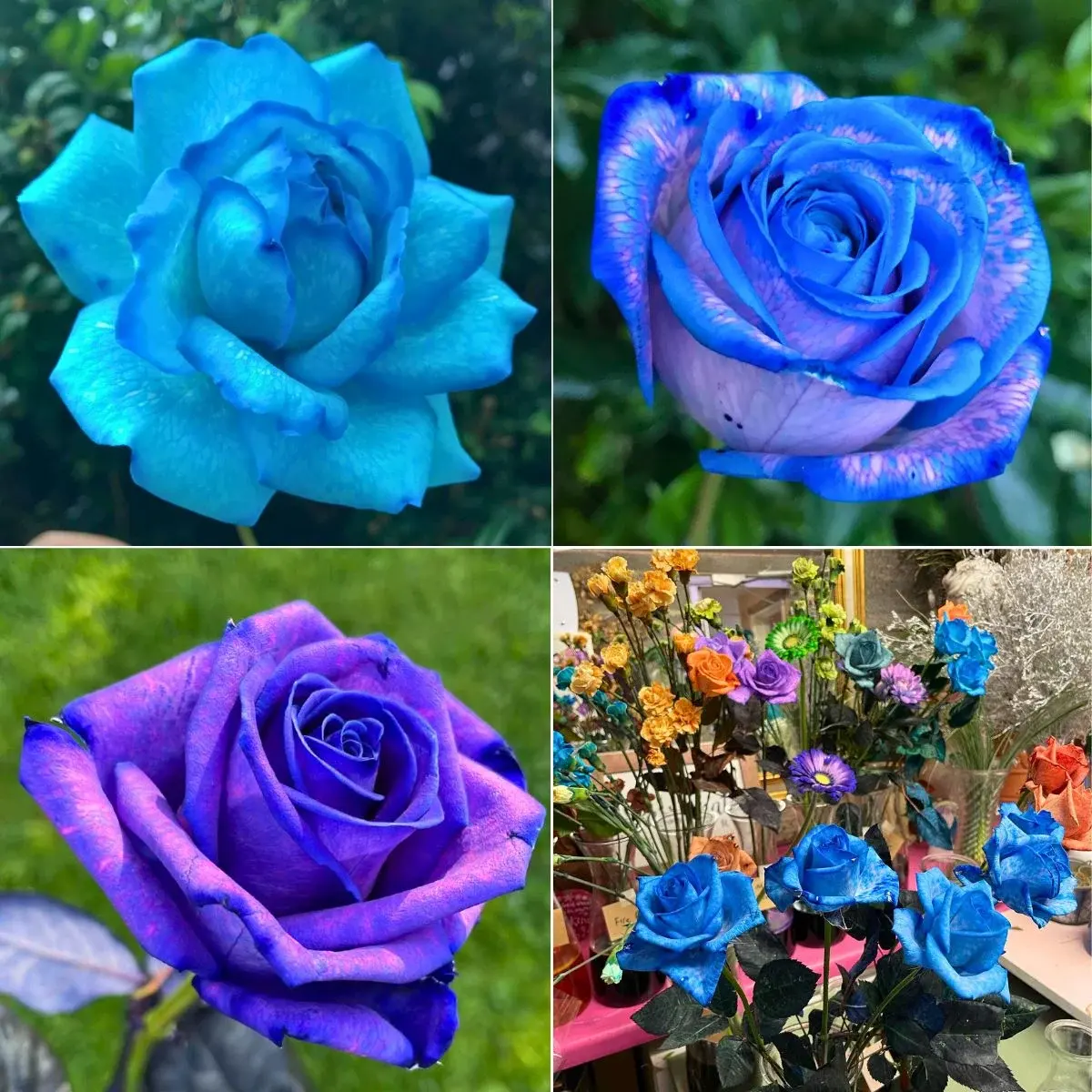
No, roses lack the genetic pathway to produce delphinidin, the pigment required for blue petals. Any "blue" rose sold commercially is typically a white rose dyed with artificial ink or genetically modified to appear violet.
Why is green so common in nature compared to blue?
Green is abundant because of chlorophyll, the pigment used in photosynthesis to convert sunlight into energy. Because plants rely on this process for survival, the green color is a byproduct of their primary biological function.
How does structural coloration work?
It works through physical geometry rather than chemical dyes. Microscopic structures on a surface, such as the scales on a butterfly wing, interfere with light waves to cancel out all colors except blue, which is then reflected to the observer's eye.
This answer was created with the help of AI research tools and reference sources. Spotted an error? Let us know — we correct mistakes quickly. See our editorial policy.