What is the rarest blood type?
Short answer
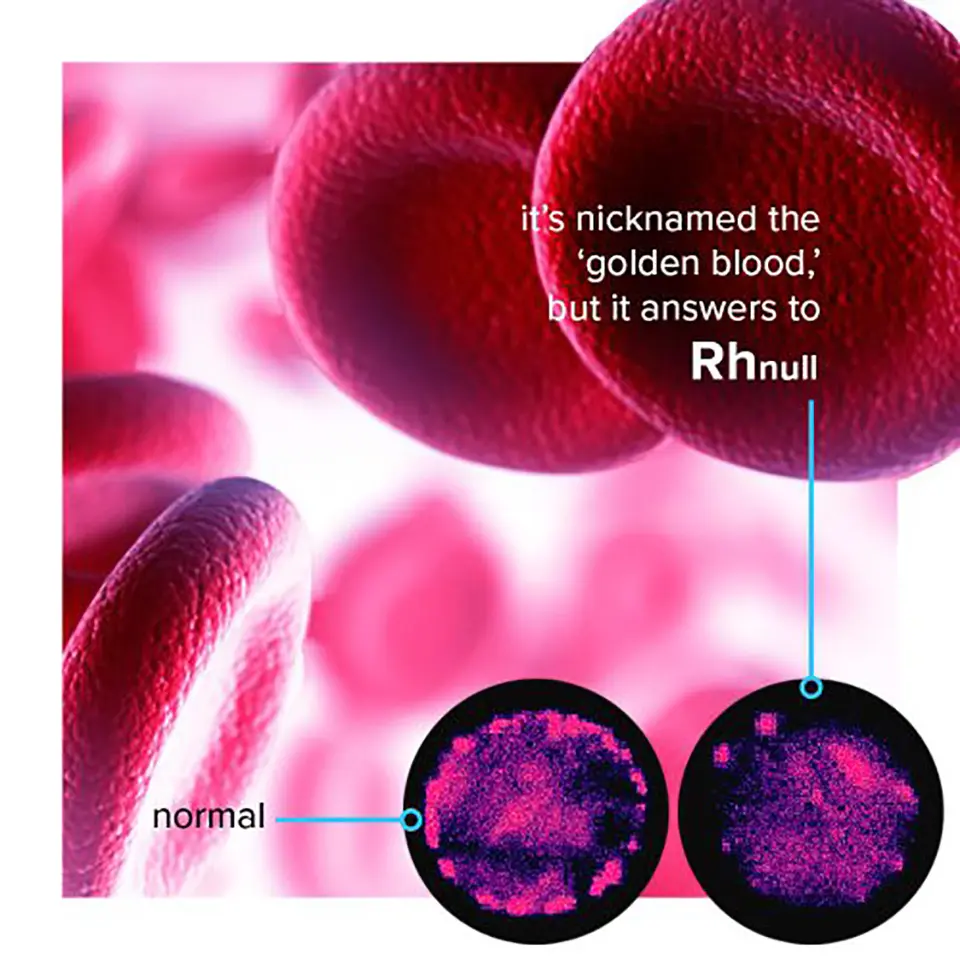
The rarest blood type in the world is Rh-null, often called "golden blood." It lacks all 61 possible antigens in the Rh system, making it incredibly difficult to find. Fewer than 50 individuals have been identified with this phenotype globally since its discovery in 1961, making it medically invaluable yet exceptionally rare.
On this page
What makes a blood type rare?
Blood types are determined by the presence or absence of specific antigens on the surface of red blood cells. While most people are familiar with the ABO and Rh systems, there are over 30 recognized blood group systems containing hundreds of antigens. A blood type is considered rare if it lacks a high-prevalence antigen that most of the population possesses, or if it possesses a combination of antigens that is statistically uncommon.
Rarity is often defined by geography and ethnicity. For instance, the U-negative phenotype is extremely rare in most populations but occurs more frequently in individuals of African descent. When a person requires a transfusion, matching these rare antigens is critical to prevent a severe immune reaction. If a patient has a rare blood type, they cannot simply receive a standard unit from a local blood bank, as their body may recognize the donor's blood as a foreign invader.
Why is Rh-null blood so special?
Rh-null blood is unique because it contains no Rh antigens at all. While the common Rh-positive or Rh-negative status refers only to the D antigen, the Rh system actually involves dozens of other proteins. Individuals with Rh-null blood lack the entire complex, which creates a significant challenge for medical professionals. Because this blood is compatible with any other rare blood type within the Rh system, it is considered a universal donor for those with rare Rh deficiencies.
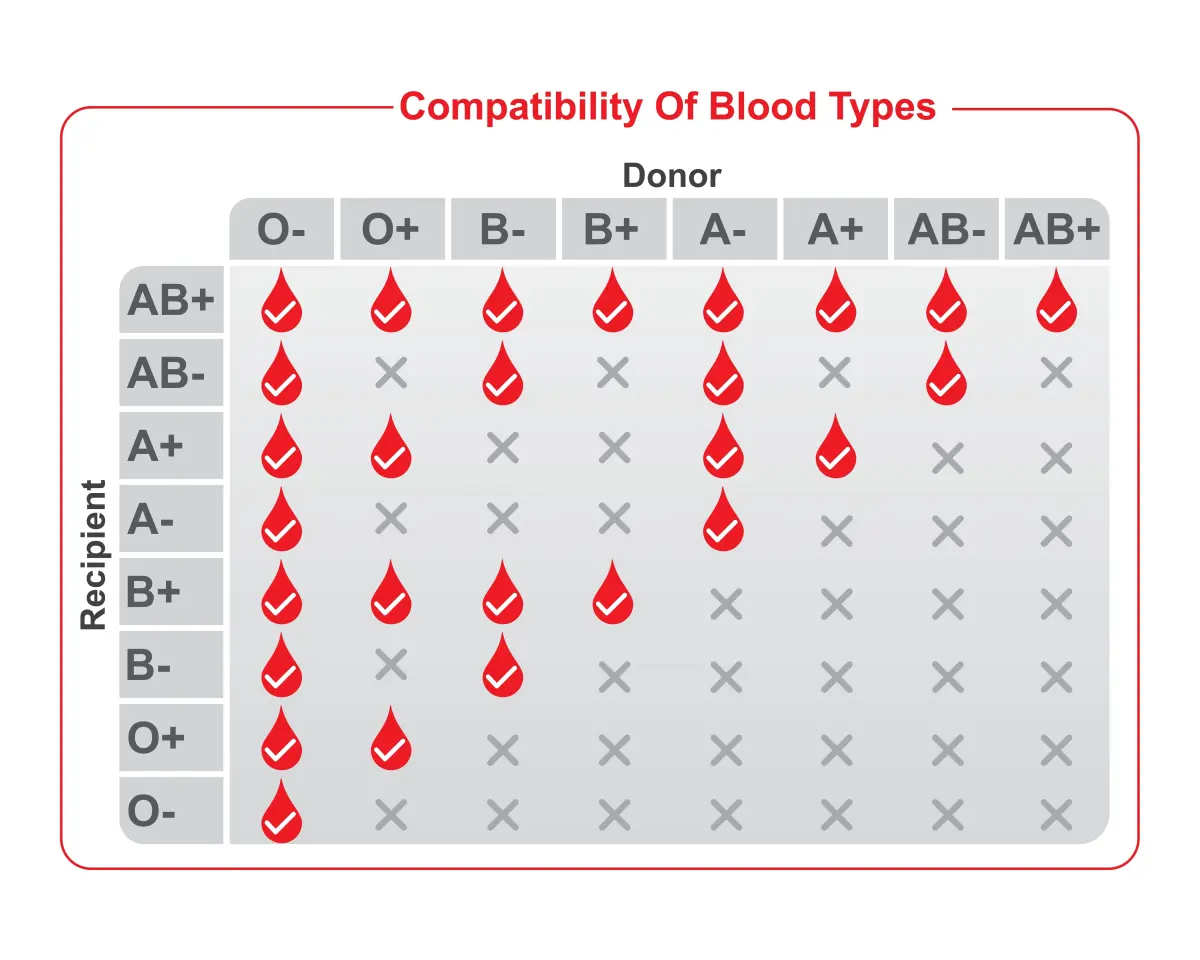
However, the medical utility of Rh-null blood is balanced by the extreme danger to the donor. If an Rh-null individual requires a transfusion, they can only accept blood from another Rh-null donor. Because there are so few known donors worldwide, finding a match in an emergency is a global logistical operation. Medical researchers treat this blood as a precious resource, often freezing samples for decades to ensure they remain available for the few people who might desperately need them.
How do doctors identify rare blood types?
Identifying a rare blood type requires specialized laboratory testing that goes beyond standard hospital screening. When a routine cross-match fails or a patient shows signs of an unexpected reaction, blood samples are sent to reference laboratories. These facilities use advanced serological techniques to screen for antibodies against rare antigens.
- Initial screening: The patient’s blood is tested against a panel of known rare cells to identify missing antigens.
- Antibody identification: Scientists determine if the patient has developed antibodies that would attack common donor blood.
- Genetic testing: Modern labs use DNA sequencing to confirm the specific genetic mutation responsible for the rare phenotype.
- Donor registry search: Once identified, the patient is entered into an international database to locate compatible donors.
These steps ensure that patients receive blood that will not trigger a hemolytic transfusion reaction, which occurs when the immune system destroys the donor cells.
Common mistakes when donating blood
Many people assume that donating blood is a straightforward process, but rare blood donors must follow specific protocols to be effective. A common mistake is failing to disclose travel history or medical conditions, which can lead to a sample being discarded. For those with rare blood, the stakes are higher because their donation is often intended for a specific patient in need.
Another frequent error is neglecting to stay hydrated or maintain iron levels before an appointment. Donors should avoid the following pitfalls to ensure their blood is usable:
- Skipping a meal before the donation, which can lead to lightheadedness or fainting.
- Failing to update contact information, which prevents blood banks from reaching out during an urgent request.
- Assuming that "rare" means "unhealthy"; rare blood is perfectly normal and healthy for the donor to carry.
- Not informing the center about recent medications, as some drugs can interfere with the processing of rare blood samples.
Where can I find my blood type?
Most people discover their blood type during a routine physical, pregnancy, or surgery. If you have never been told your type, you can request a test from your primary care physician or by visiting a local blood donation center. While standard centers do not usually test for every rare antigen, they can provide your ABO and Rh status. If you are interested in contributing to the medical community, donating blood is the most effective way to help.
If you suspect you have a rare blood type, the blood center will often perform additional testing to characterize your profile further. By participating in the national registry, you become part of a vital network that saves lives. Even if your blood is not "golden," your donation remains a critical component of the healthcare system. Maintaining a diverse supply of blood types ensures that hospitals are prepared for both routine surgeries and unexpected emergencies, regardless of how common or rare a patient’s specific needs may be.
Key facts
- The rarest blood type in the general population is Rh-null, often called "golden blood," which lacks all Rh antigens.
- Fewer than 50 individuals worldwide have been identified as having Rh-null blood since its discovery in 1961.
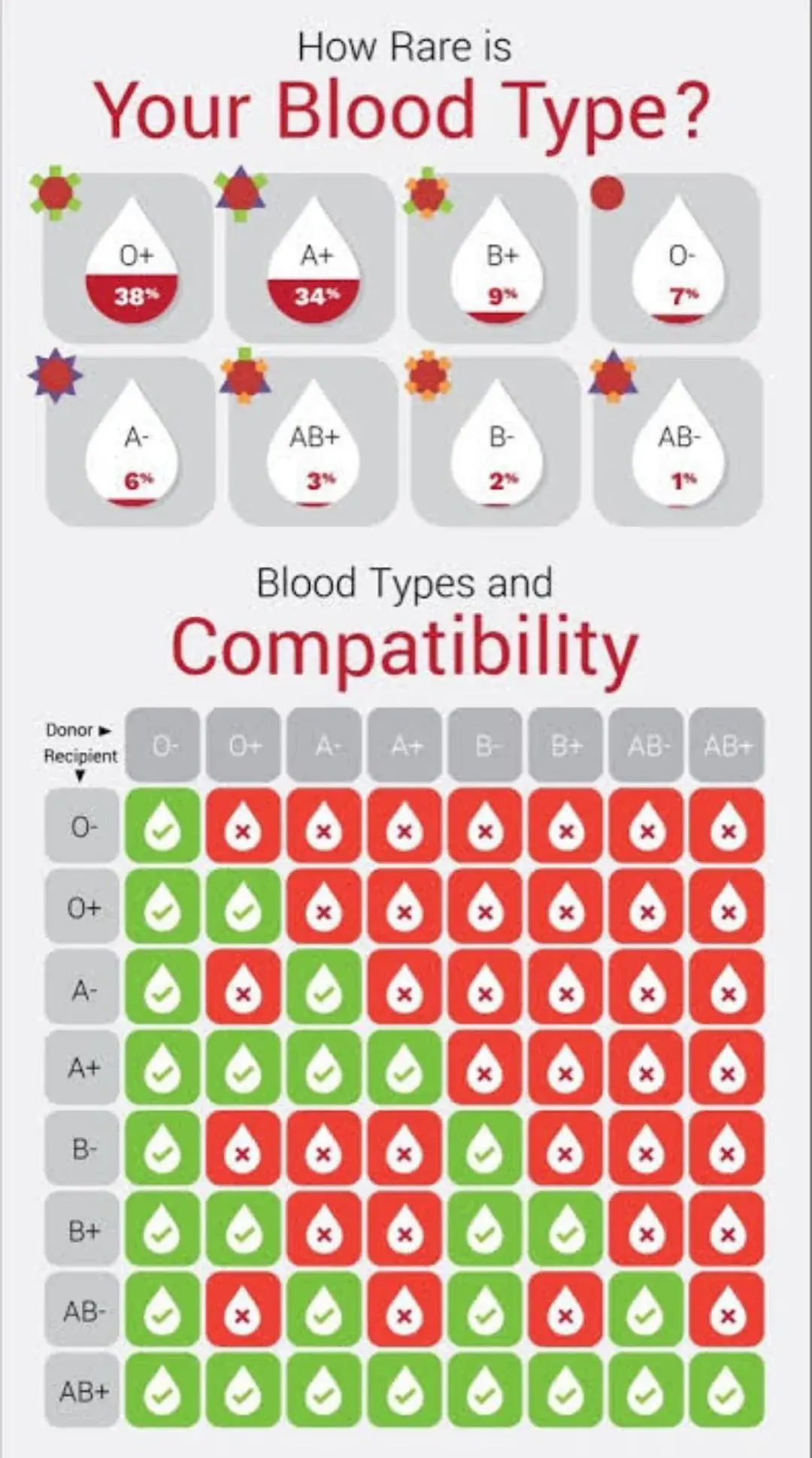
- AB-negative is the rarest of the eight common blood types, found in approximately 1% of the global population.
- Blood rarity depends heavily on ethnicity and geographic ancestry, meaning a type rare in one region may be common in another.
- People with extremely rare blood types should carry a medical identification card or wear a bracelet at all times.
- If you have a rare blood type, contact your local blood center to register as a donor, as your donation could be lifesaving.
The bottom line
While AB-negative is the least common of the standard blood types, the title of rarest blood belongs to phenotypes like Rh-null. Because these rare types lack common antigens, finding a match is a complex global challenge. If you possess a rare blood type, registering with a blood center is a vital step to ensure that you and others can receive life-saving care when it is needed most.
People also ask
Can people with rare blood types receive common blood?
Generally, no. Patients with rare blood types often have antibodies that react to the antigens found in common blood, making transfusion dangerous. They usually require blood from a donor with the exact same rare phenotype.
How do I find out what my blood type is?
You can discover your blood type through a standard blood test at a doctor's office or by donating blood at a local center. Many home testing kits are also available, though clinical laboratory testing remains the most accurate method.
Is AB-negative blood always the rarest type?
While AB-negative is the rarest among the major ABO and Rh groups, it is not the rarest overall. Rarer phenotypes exist, such as the Bombay blood group, which lacks the H antigen found on almost all human red blood cells.
What happens if a person with rare blood needs an emergency transfusion?
Hospitals maintain specialized networks to locate rare blood donors or frozen blood units from national inventories. In extreme emergencies, physicians may use "least incompatible" blood if a perfect match is unavailable, though this carries significant risks.
Does having a rare blood type affect my daily health?
No, having a rare blood type does not typically impact your overall health or daily life. It only becomes a critical factor if you require a blood transfusion, surgery, or are pregnant, as the mother’s antibodies could potentially affect the fetus.
Can I donate blood if I have a rare type?
Yes, and your donation is often more valuable than that of a common blood type donor. Blood centers actively seek rare donors to maintain emergency supplies for patients who have no other matching options.
This answer was created with the help of AI research tools and reference sources. Spotted an error? Let us know — we correct mistakes quickly. See our editorial policy.