How do you make an omelette?
Short answer
Making an omelette involves whisking two or three eggs, seasoning them, and cooking them in a buttered pan over medium-low heat. By lifting the edges and tilting the pan to let raw egg flow underneath, you create a soft, folded dish. The entire process takes less than five minutes to complete.
On this page
How to make a classic French omelette
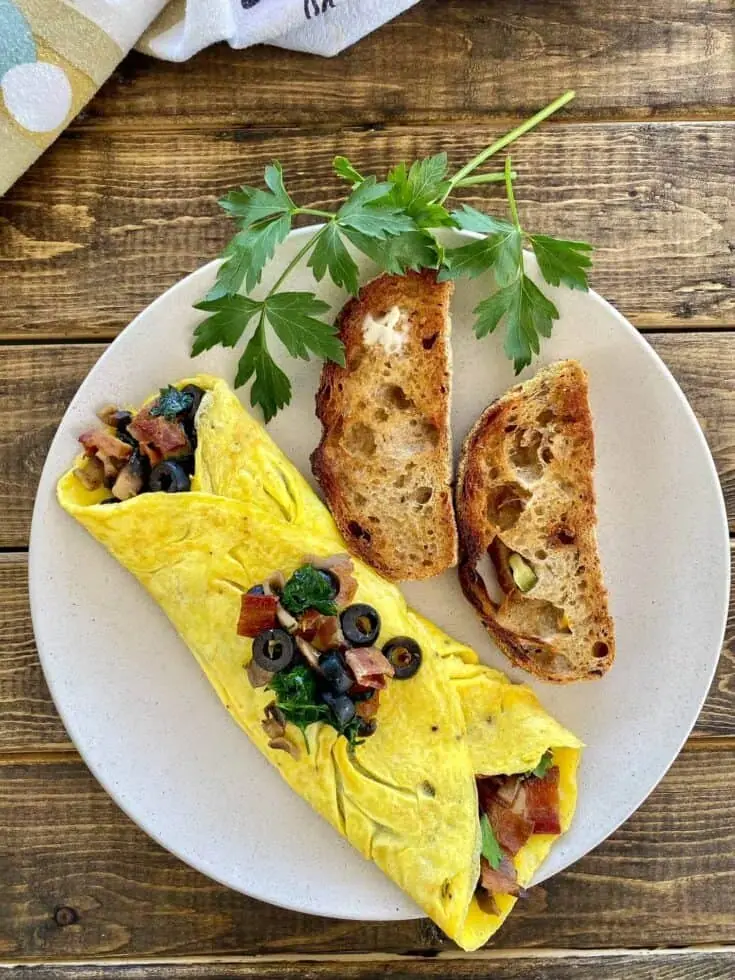
A classic French omelette is characterized by a smooth, pale exterior and a creamy, slightly runny interior known as the baveuse texture. To begin, crack two or three large, room-temperature eggs into a bowl and whisk them vigorously with a fork until the yolks and whites are fully combined, ensuring no streaks remain. Season the mixture with a pinch of fine sea salt just before cooking, as adding salt too early can break down the egg proteins and alter the final texture.
Heat an eight-inch nonstick skillet over medium-low heat and add a tablespoon of high-quality unsalted butter. Once the butter foams but before it browns, pour in the eggs. Use a heat-resistant silicone spatula to stir the eggs constantly in a circular motion while simultaneously shaking the pan back and forth. This technique creates small, tender curds that result in a delicate final product. Stop stirring once the eggs are mostly set but still look moist on top, then fold the omelette into thirds and slide it onto a plate.
What are the best tools for omelette making
The success of an omelette relies heavily on the quality of your equipment. A dedicated nonstick skillet is the most important tool, as it prevents the delicate egg proteins from bonding to the metal surface. An eight-inch pan is the industry standard for a two-to-three-egg omelette because it provides the ideal ratio of surface area to depth, allowing the eggs to cook evenly without becoming too thin or rubbery. Avoid using cast iron or stainless steel unless you are an expert, as these materials often require precise temperature control and significant fat to prevent sticking.
Beyond the pan, a flexible, heat-resistant silicone spatula is essential for maneuvering the eggs without scratching your cookware. Unlike metal utensils, silicone allows you to scrape the sides and bottom of the pan cleanly, ensuring every bit of egg is incorporated into the structure of the omelette. Have a fork ready for whisking and a warm plate nearby for serving. Keeping your tools clean and dry before you begin will help you maintain the focus required for the quick cooking process.
How long does it take to cook an omelette
Cooking an omelette is a rapid process, typically taking between two and four minutes from the moment the eggs hit the pan. Because eggs are highly sensitive to heat, the speed of the cook is dictated by the intensity of your burner. Medium-low heat is the optimal setting, as it provides enough energy to coagulate the proteins without causing the exterior to brown or toughen. If the pan is too hot, the bottom will burn before the center reaches the desired consistency, ruining the texture.
- Whisk eggs thoroughly for 30 seconds to incorporate air.
- Melt butter until it bubbles, which takes about 45 seconds.
- Cook the egg mixture while stirring constantly for 60 to 90 seconds.
- Let the omelette set undisturbed for 30 seconds before folding.
- Transfer to a plate immediately to prevent residual heat from overcooking the center.
Following this timeline ensures that the eggs remain tender rather than becoming rubbery or dry. If you are adding fillings, have them pre-cooked and ready to go, as the window for folding is very short.
Common mistakes when making an omelette
One of the most frequent errors is overcooking the eggs, which turns a light, fluffy dish into a tough, sulfurous meal. Eggs continue to cook even after being removed from the heat due to residual energy, so it is vital to pull the pan off the stove while the top still appears slightly wet. Another common mistake is overcrowding the pan with too many fillings. An omelette is meant to be a delicate vessel, and adding heavy ingredients like raw vegetables or cold cheese can prevent the eggs from folding properly and cause the structure to collapse.
- Adding too much salt too early, which draws out moisture.
- Using a pan that is too large, resulting in an overly thin omelette.
- Failing to whisk enough, which leaves distinct streaks of white and yolk.
- Cooking over high heat, which leads to browning and a bitter flavor.
- Forgetting to butter the pan sufficiently, causing the eggs to stick.
Avoid these pitfalls by preparing your ingredients in advance and maintaining a steady, moderate heat throughout the entire cooking duration.
Why does the texture change during cooking
The transformation of liquid eggs into a solid omelette is a scientific process involving the denaturation and coagulation of proteins. When you whisk the eggs, you introduce air and break down the protein structures, which helps create a lighter texture. As the temperature rises in the pan, the proteins begin to unfold and bond with one another, trapping water molecules in a matrix that creates the characteristic curd structure. The speed at which this happens is directly proportional to the temperature of the pan; faster coagulation results in larger, tougher curds, while slower cooking creates the small, creamy curds preferred by professional chefs.
The presence of fat, such as butter, also plays a critical role by coating the protein strands and preventing them from bonding too tightly. This lubrication ensures that the final omelette remains soft and supple. If you notice your omelette is weeping liquid on the plate, it is a sign that the proteins were heated too quickly and squeezed out the water they were holding. By keeping the heat low and the movement constant, you maintain the emulsion and ensure the best possible mouthfeel for your finished dish.
Key facts
- Use a nonstick pan to ensure the eggs release easily without tearing.
- Whisk eggs until the yolks and whites are fully combined for a uniform color.
- Cook over medium-low heat to prevent the eggs from browning or becoming rubbery.
- A standard omelette typically uses two or three large eggs.
- Add cold butter to the pan just before the eggs to create a subtle, nutty flavor.
- Fold the omelette when the top is still slightly moist, as residual heat will finish the cooking.
The bottom line
Mastering the omelette requires balancing heat control with patience. By using a nonstick pan, whisking thoroughly, and cooking over medium-low heat, you can achieve a delicate, tender result. Avoid the common mistake of overcooking, as the eggs continue to firm up after leaving the heat. With practice, you will learn to perfectly time the fold, resulting in a professional-quality dish that is both versatile and satisfying.
People also ask
Should I add milk or water to my eggs?
Adding a tablespoon of water creates steam, resulting in a fluffier texture. Milk or cream adds richness but can make the eggs slightly denser and more prone to browning.
Why does my omelette turn brown?
Browning occurs when the pan is too hot or the eggs are left undisturbed for too long. Keep the heat at a medium-low setting and keep the eggs moving during the initial cooking phase.
How do I prevent the omelette from sticking?
Ensure your pan is properly seasoned or coated with a thin layer of butter or oil. A high-quality nonstick skillet is the most effective tool for preventing adhesion.
What is the best way to add fillings?
Sauté vegetables or meats beforehand, as they will not cook through inside the eggs. Place your fillings across the center of the omelette just before folding to ensure they are evenly distributed.
Can I make an omelette without a nonstick pan?
You can use a stainless steel or cast-iron pan, but you must ensure it is well-oiled and properly preheated. These materials require more fat and careful temperature control to prevent sticking.
How long should I cook an omelette?
A classic French-style omelette takes about 60 to 90 seconds to cook. Once the eggs are set but the surface remains slightly creamy, it is ready to be folded and served.
This answer was created with the help of AI research tools and reference sources. Spotted an error? Let us know — we correct mistakes quickly. See our editorial policy.