What is a nebula?
Short answer
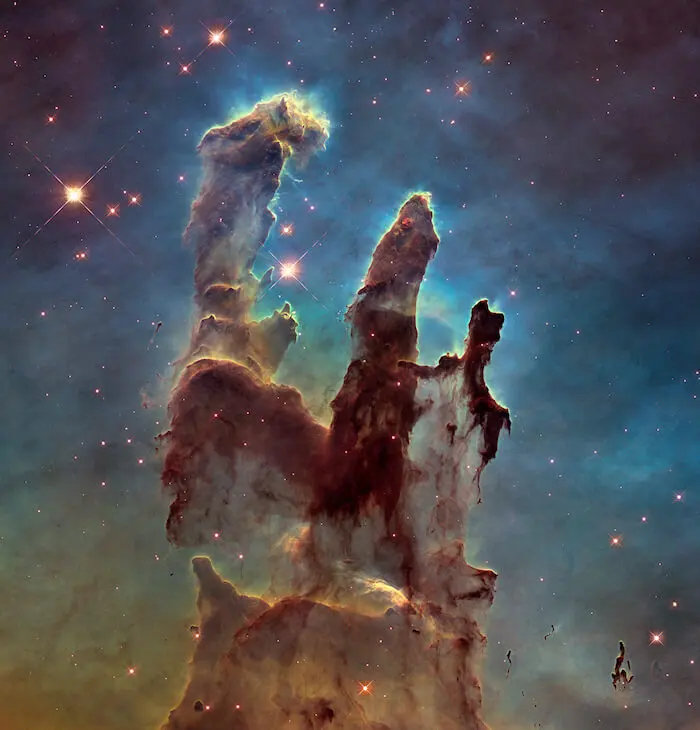
A nebula is a vast, interstellar cloud of dust, hydrogen, helium, and other ionized gases located in outer space. These structures serve as the primary nurseries for new stars, while also marking the final stages of a star’s life cycle. They vary immensely in size, shape, and density across the galaxy.
On this page
What is a nebula made of?
Nebulae are primarily composed of interstellar medium, which consists of gas and dust particles scattered throughout space. The gas is mostly hydrogen, followed by helium, with trace amounts of heavier elements like oxygen, carbon, and nitrogen. These materials are often the remnants of previous stellar explosions or the raw ingredients waiting to be pulled together by gravity.
The dust within a nebula is composed of tiny grains of carbon, silicon, and iron. These particles are essential because they provide the cooling mechanism necessary for gas clouds to collapse. Without this dust, the internal pressure of the gas would be too high to allow for the formation of stars. The density of these clouds is incredibly low, often thinner than the best vacuum created in a laboratory on Earth.
- Hydrogen: 70–90% of the gaseous content.
- Helium: 10–25% of the gaseous content.
- Dust grains: Silicates, carbon, and metallic oxides.
- Ionized gas: Plasma created by radiation from nearby hot stars.
How do stars form in a nebula?
Star formation begins when a region within a nebula becomes dense enough to collapse under its own gravity. As the cloud shrinks, it fragments into smaller, denser cores. The gravitational energy is converted into heat, causing the center of these fragments to glow. When the temperature at the core reaches approximately 10 million degrees Celsius, nuclear fusion ignites, and a new star is born.
This process is not instantaneous; it takes millions of years for a cloud to transition from a diffuse nebula to a stable star. During this time, the surrounding material often forms a protoplanetary disk, which may eventually coalesce into planets. The intense radiation from the newborn star eventually blows away the remaining gas, revealing the star cluster hidden within the original nebula.
- Gravitational instability triggers a collapse in a molecular cloud.
- The core heats up and becomes a protostar.
- Hydrogen fusion begins, creating a main-sequence star.
- Stellar winds clear the surrounding gas and dust.
What are the different types of nebulae?
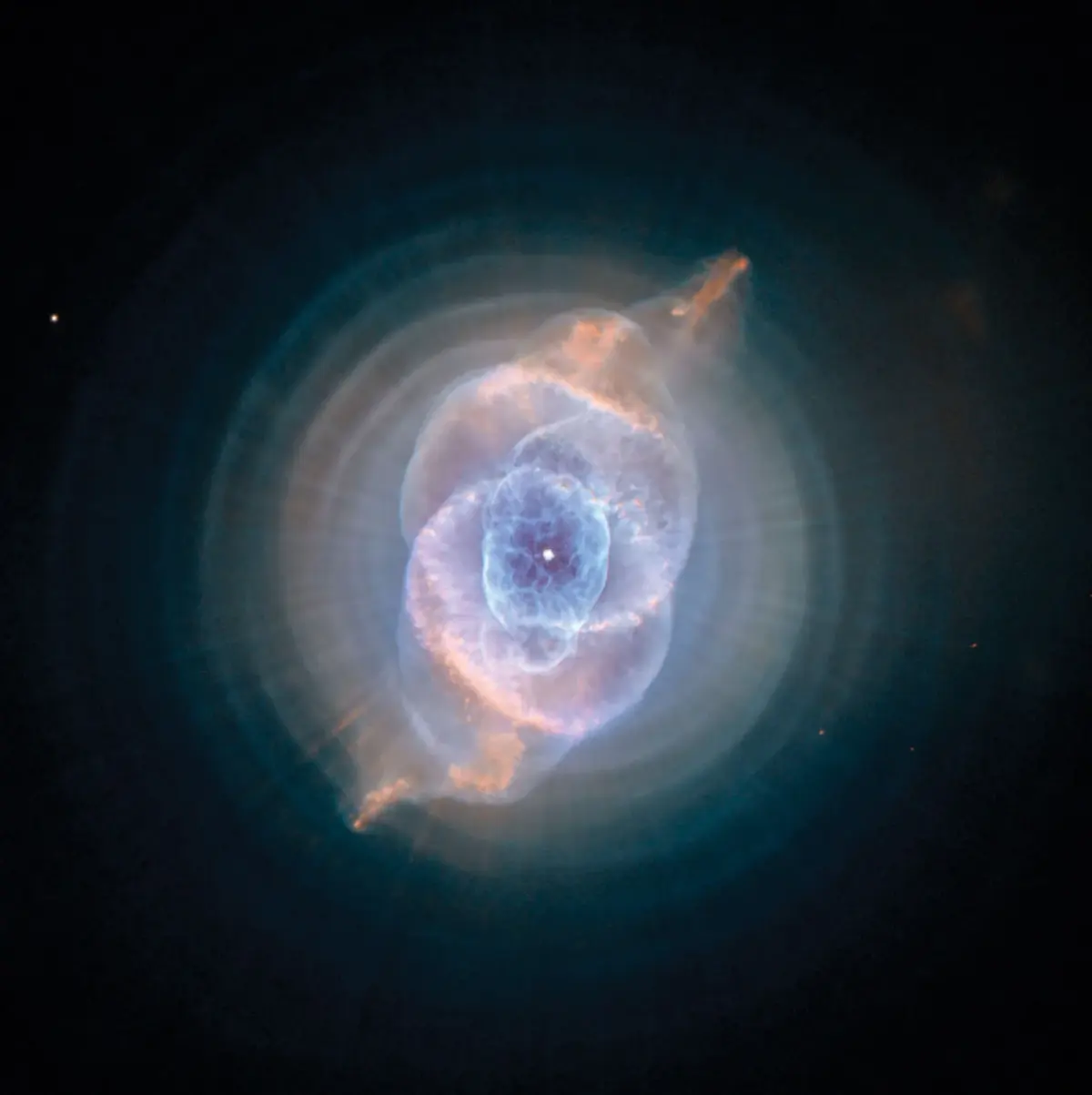
Astronomers classify nebulae based on how they interact with light and their physical state. Emission nebulae glow because the gas is ionized by high-energy ultraviolet radiation from nearby hot stars. Reflection nebulae, conversely, do not emit their own visible light; instead, they scatter the light of nearby stars, typically appearing blue because blue light scatters more easily than red.
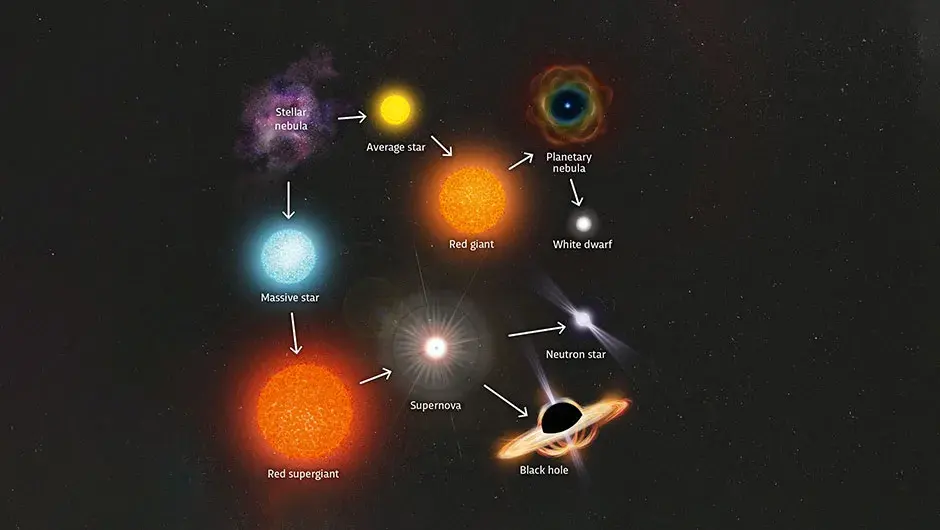
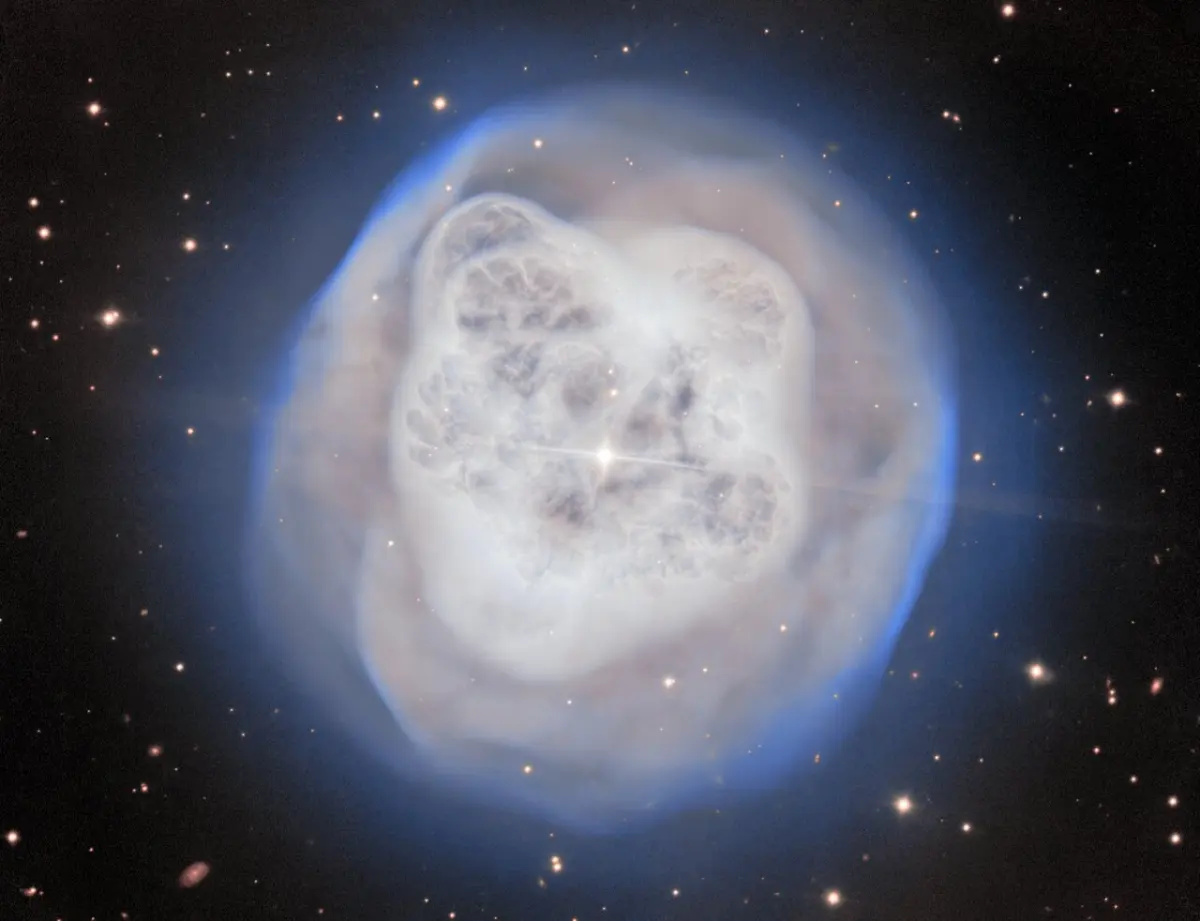
Dark nebulae are so dense that they block out the light from objects behind them, appearing as silhouettes against the brighter background of the galaxy. Planetary nebulae, despite their name, have nothing to do with planets. They are formed when a low-mass star, like our Sun, reaches the end of its life and sheds its outer layers into space. These layers expand and are illuminated by the hot, exposed core of the star.
How to observe nebulae for beginners
Observing nebulae requires patience and the right equipment, as most are faint and appear as ghostly patches of light. For beginners, a pair of high-quality binoculars with a wide field of view is often better than a telescope. Binoculars allow you to scan large areas of the sky, making it easier to locate objects like the Orion Nebula.
When using a telescope, choose one with a large aperture to gather more light. You should also use low-magnification eyepieces to frame the entire nebula rather than zooming in on a small, dark section. It is crucial to let your eyes adjust to the darkness for at least twenty minutes before beginning your observation. If possible, travel to a location far from city lights, as light pollution is the primary enemy of deep-sky viewing.
- Orion Nebula (M42): Visible to the naked eye in the constellation Orion.
- Lagoon Nebula (M8): A bright, large nebula visible in the summer sky.
- Ring Nebula (M57): A classic example of a planetary nebula.
- Crab Nebula (M1): The remnant of a supernova observed in 1054.
Common mistakes when viewing nebulae
One of the most frequent mistakes beginners make is expecting to see vibrant, multi-colored images like those captured by the Hubble Space Telescope. In reality, the human eye is not sensitive enough to detect the faint colors in most nebulae. Most will appear as gray or white smudges, and managing these expectations is vital to enjoying the hobby.
Another common error is failing to account for the Moon’s phase. A bright, full moon will wash out the faint light of a nebula, making it nearly impossible to see. Always check a lunar calendar and plan your sessions during the new moon phase. Finally, avoid using bright flashlights or phone screens while observing, as this destroys your night vision. Use a dim red-light flashlight instead, as red light has the least impact on your ability to see in the dark.
Key facts
- A nebula is a giant cloud of dust and gas in space, primarily composed of hydrogen and helium.
- Many nebulae serve as "stellar nurseries," providing the raw material for the birth of new stars.
- Nebulae are often categorized by their appearance, such as emission, reflection, dark, or planetary nebulae.
- The famous Crab Nebula is the remnant of a supernova explosion observed on Earth in 1054 CE.
- You can observe some nebulae, like the Orion Nebula, using basic binoculars or a small backyard telescope.
- To find a nebula, use a star chart or mobile astronomy app to locate coordinates and avoid light pollution.
The bottom line
Nebulae are the majestic building blocks of the universe, acting as both the cradles for new stars and the final resting places for dying ones. By studying these vast, colorful clouds of gas and dust, astronomers gain essential insights into the life cycles of stars. Whether viewed through a professional telescope or a simple pair of binoculars, these cosmic structures reveal the dynamic nature of space.
People also ask
How are nebulae formed?
Nebulae form when gas and dust collapse under gravity or when a dying star sheds its outer layers. Supernova explosions also create vast, expanding clouds of debris that become nebulae.
Can you see a nebula with the naked eye?
Most nebulae are too faint to see without optical aid, but the Orion Nebula is visible as a fuzzy patch under dark skies. Using binoculars significantly improves your chances of spotting the structure.
What is the difference between a nebula and a galaxy?
A nebula is a cloud of gas and dust located within a galaxy. A galaxy is a massive collection of billions of stars, planets, and nebulae held together by gravity.
Why do nebulae have such vibrant colors in photos?
The colors in space telescope images represent different elements, such as glowing oxygen or hydrogen. These colors are often mapped to visible light so humans can perceive the chemical composition.
What happens to a nebula after a star is born?
Once a star forms, its intense radiation and stellar winds push away the remaining gas and dust. This process clears the surrounding area, leaving behind a new star cluster.
Are all nebulae the same size?
No, nebulae vary immensely in scale, ranging from a few light-years across to massive structures spanning hundreds of light-years. The size depends on the amount of material available and the forces shaping the cloud.
This answer was created with the help of AI research tools and reference sources. Spotted an error? Let us know — we correct mistakes quickly. See our editorial policy.