How is butter made?
Short answer
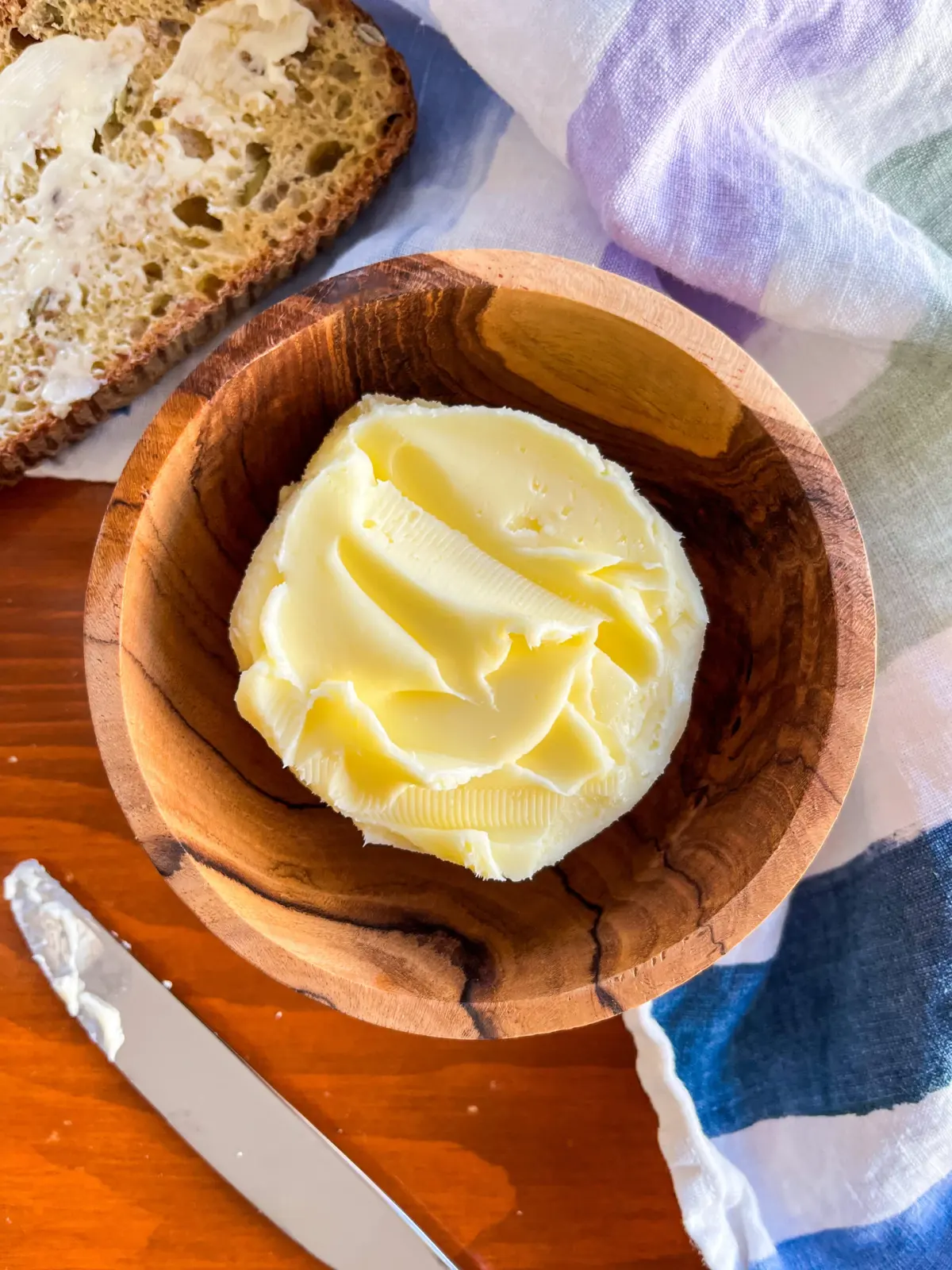
Butter is produced by agitating cream until the fat globules rupture and coalesce, separating the solid butterfat from the liquid buttermilk. This mechanical process, known as churning, transforms the emulsion of milk fat in water into a stable solid. The resulting mass is then washed and salted to improve texture and flavor.
On this page
How is butter made commercially?
Commercial butter production begins with the separation of raw milk into cream and skim milk using a high-speed centrifuge. The cream is then pasteurized at temperatures around 185°F (85°C) to eliminate harmful bacteria and deactivate enzymes that could cause spoilage. After pasteurization, the cream is cooled and held at a specific temperature for several hours to allow the fat globules to crystallize, which is essential for achieving the proper consistency during churning.
Once the cream is prepared, it is transferred to large stainless steel churns. The churn rotates at a controlled speed, causing the fat membranes to break down and clump together. As the butter grains grow to the size of popcorn kernels, the liquid buttermilk is drained away. The remaining butter mass is then worked or "kneaded" to ensure uniform moisture distribution and texture, often with the addition of salt for preservation and flavor.
How to make butter at home
Making butter at home is a straightforward process that requires only heavy whipping cream and a mechanical mixer. The key is to use high-quality cream with at least 36% milk fat to ensure a high yield and rich flavor. By using a stand mixer or a food processor, you can replicate the industrial churning process in your own kitchen within minutes.
- Pour cold heavy cream into a mixing bowl, filling it no more than halfway to prevent splashing.
- Beat the cream on medium-high speed until it passes the whipped cream stage and begins to look grainy.
- Continue mixing until the butterfat separates completely from the thin, watery buttermilk.
- Pour off the buttermilk and rinse the butter under ice-cold water while pressing it with a spatula to remove remaining liquid.
- Add a pinch of sea salt if desired and store the finished butter in an airtight container in the refrigerator.
Why does butter separate during churning?
The separation of butter occurs because cream is an oil-in-water emulsion, where tiny globules of milk fat are suspended in a water-based liquid. When you agitate the cream, you force these fat globules to collide with one another at high speeds. This physical impact ruptures the protective protein membranes surrounding each fat globule, allowing the sticky fat molecules to bond together.
As the fat clusters grow larger, they become denser than the surrounding liquid. This phase inversion marks the transition from a liquid emulsion to a solid mass of butterfat. The liquid that remains, known as buttermilk, is essentially the leftover water and milk solids that could not bind to the fat. Understanding this chemical transition helps explain why temperature control is vital; if the cream is too warm, the fat will be too soft to form solid clumps, resulting in a greasy mess.
Common mistakes when making butter
One of the most frequent errors beginners make is using cream that is too warm. If the cream exceeds 60°F (15°C), the fat globules will not solidify properly, leading to a soft, oily product that fails to separate from the buttermilk. Conversely, if the cream is too cold, the churning process will take significantly longer, potentially straining your mixer’s motor.
Another common mistake is failing to wash the butter thoroughly after the buttermilk has been drained. Any residual buttermilk trapped inside the butter mass contains milk sugars and proteins that will cause the butter to spoil rapidly. To avoid this, always use ice-cold water for the rinsing stage and continue pressing the butter until the water runs completely clear. Skipping the salt is also a missed opportunity for flavor enhancement, though unsalted butter is preferred for certain delicate baking recipes.
Best equipment for making butter
For those interested in the craft, the choice of equipment can significantly impact the final quality and ease of production. A stand mixer equipped with a whisk attachment is the gold standard for home butter making because it provides consistent agitation and allows for easy observation of the separation process. If you prefer a more traditional approach, a manual butter churn or even a tightly sealed glass jar can be used, though these methods require more physical effort.
- Stand mixer: Ideal for efficiency and consistent results.
- Food processor: Great for smaller batches and faster processing times.
- Fine-mesh strainer or cheesecloth: Essential for separating the butter from the buttermilk effectively.
- Silicone spatula: Necessary for kneading and pressing the butter to remove excess moisture.
- Glass jar: A simple, low-tech tool for small-scale experiments or educational demonstrations.
By selecting the right tools and maintaining the correct temperature, you can produce fresh, high-quality butter that far exceeds the flavor profile of many store-bought varieties. Always ensure your workspace is clean, as fresh dairy products are highly susceptible to absorbing odors from the surrounding environment during the churning process.
Key facts
- Butter is primarily composed of at least 80% milk fat, with the remainder consisting of water and milk solids.
- The process of churning cream physically disrupts the fat globule membranes, allowing the fat to clump together into solid butter.
- Heavy cream with a fat content of at least 35% to 40% is required to successfully produce butter at home.
- Temperature is critical; cream should be churned at approximately 50°F to 60°F (10°C to 15°C) for optimal results.
- Over-churning can cause the butter to become greasy or separate too much, while under-churning leaves the butter too soft.
- Washing the finished butter with ice-cold water removes residual buttermilk, which significantly extends the product's shelf life.
The bottom line
Making butter is a straightforward process of agitating heavy cream until the fat separates from the liquid buttermilk. By maintaining the correct temperature and thoroughly washing the finished solids, you can produce fresh, high-quality butter in your own kitchen. Whether using a mixer or a simple jar, the transformation of cream into butter remains a fundamental culinary technique that highlights the simplicity of dairy science.
People also ask
Why does butter sometimes turn out yellow and other times white?
The color of butter depends on the diet of the cow, specifically the presence of beta-carotene in fresh grass. Cows fed on hay or grain produce paler butter, while those grazing on lush pastures produce a deeper yellow hue.
What is the difference between salted and unsalted butter?
Unsalted butter is pure cream, offering total control over the seasoning in cooking and baking. Salted butter contains added salt, which acts as a preservative and enhances flavor, making it better suited for spreading on bread.
How long can homemade butter be stored?
Homemade butter typically lasts for about one to two weeks in the refrigerator if properly washed. Because it lacks the stabilizers and high salt content of commercial butter, it is best consumed quickly for freshness.
Can I make butter from store-bought ultra-pasteurized cream?
While possible, ultra-pasteurized cream often takes longer to churn and may produce a less stable butter. High-temperature processing alters the protein structure, which can interfere with the formation of the fat clumps.
What should I do with the liquid left over after making butter?
The leftover liquid is traditional buttermilk, which is rich in flavor and nutrients. It is an excellent ingredient for baking pancakes, biscuits, or soda bread, as its acidity helps activate leavening agents.
Is it possible to make butter without a mechanical mixer?
Yes, butter can be made by shaking heavy cream in a sealed mason jar for 10 to 20 minutes. This manual method is effective, though it requires significant physical effort to reach the desired consistency.
This answer was created with the help of AI research tools and reference sources. Spotted an error? Let us know — we correct mistakes quickly. See our editorial policy.