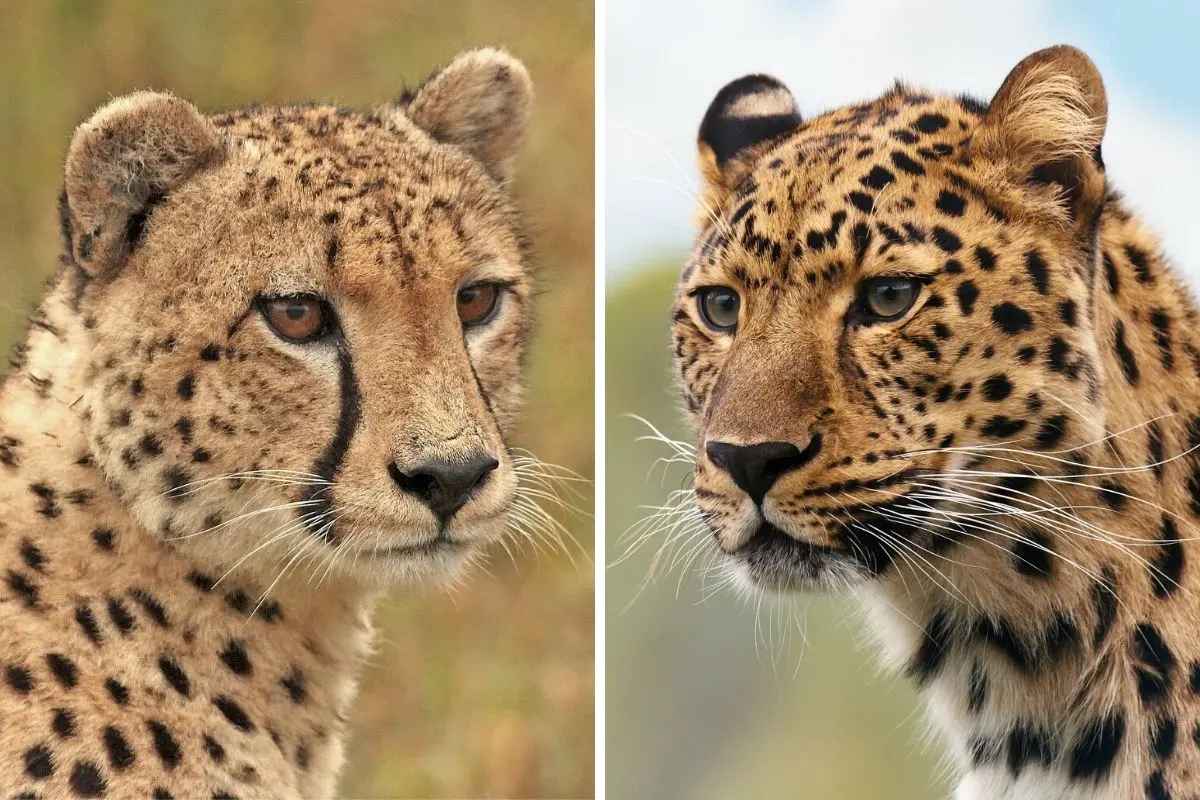
Are cheetahs endangered?
Short answer
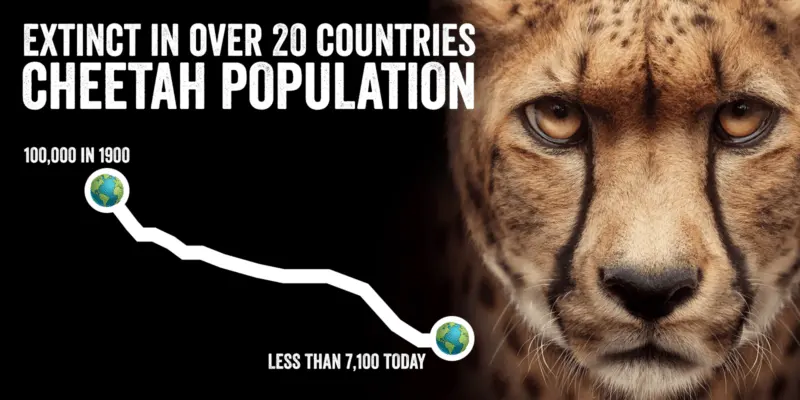
Cheetahs are classified as vulnerable by the International Union for Conservation of Nature. While not yet categorized as endangered, their populations are in sharp decline. Fewer than 7,000 mature individuals remain in the wild across Africa and a tiny, isolated population in Iran, facing severe threats from habitat loss and human conflict.
On this page
Why are cheetahs considered vulnerable?
The primary reason for the cheetah's precarious status is the rapid loss and fragmentation of their natural habitat. Cheetahs require vast, open landscapes to hunt effectively, but human expansion for agriculture and livestock grazing has significantly reduced these territories. As their range shrinks, cheetahs are forced into smaller, isolated pockets of land, which limits their ability to find prey and mates. This isolation leads to reduced genetic diversity, making the species more susceptible to diseases and environmental changes.
Furthermore, cheetahs face intense competition from larger predators like lions and hyenas. Because cheetahs are not physically built for fighting, they often lose their kills to these stronger animals. When their natural prey becomes scarce due to overhunting or habitat degradation, cheetahs are forced to target livestock. This inevitably leads to retaliatory killings by farmers, further accelerating the decline of the species. The combination of habitat loss, prey depletion, and human-wildlife conflict creates a cycle that is difficult for these animals to escape.
How do experts count cheetah populations?
Tracking cheetahs is a complex task because they are elusive, solitary animals that roam across enormous distances. Conservationists use a variety of scientific methods to estimate population numbers, though these figures often come with a margin of error. The most common techniques include:
- Camera trapping: Setting up motion-activated cameras along game trails to identify individual cheetahs by their unique spot patterns.
- Spoor tracking: Experienced trackers follow footprints and scat samples to determine the density of cheetahs in a specific region.
- DNA analysis: Collecting biological samples from the field to assess genetic health and individual identification.
- Satellite telemetry: Fitting select individuals with GPS collars to monitor movement patterns and territory size.
These methods provide researchers with data on population trends, but they are resource-intensive and time-consuming. Because cheetahs do not congregate in large groups, counting them requires surveying massive areas of wilderness. These efforts are crucial for identifying which regions are most in need of protection and where intervention strategies should be prioritized.
Where do cheetahs live today?
Historically, cheetahs roamed across most of Africa and large parts of Asia, including India and the Middle East. Today, their range has been reduced by more than 90 percent. The vast majority of the remaining population resides in Southern and Eastern Africa, particularly in countries like Namibia, Botswana, and Tanzania. These nations hold the largest concentrations of wild cheetahs, often within protected national parks or vast private conservancies.
A small, critically endangered population of Asiatic cheetahs persists in the arid regions of Iran. This group is estimated to number fewer than 50 individuals, making them one of the most threatened feline populations on the planet. The geographic separation between the African and Asian populations means that there is no natural interbreeding, which further complicates conservation efforts. Protecting these specific corridors and reserves is essential to preventing the total extinction of the species in the wild.
What are common mistakes when trying to help?
Many well-meaning individuals attempt to support cheetah conservation through methods that can inadvertently cause more harm than good. Avoiding these common pitfalls is essential for effective wildlife management:
- Supporting captive breeding programs that do not prioritize reintroduction into the wild.
- Promoting tourism activities that allow close physical contact with cheetahs, which can habituate animals to humans.
- Donating to organizations that lack transparency or do not collaborate with local communities living alongside cheetahs.
- Purchasing exotic pets, as the illegal trade in cheetah cubs is a major driver of population decline.
The most effective way to help is to support organizations that focus on habitat preservation and community-based conservation. These groups work directly with farmers to implement non-lethal predator control methods, such as using livestock guarding dogs. By addressing the root causes of human-wildlife conflict, these programs create a sustainable environment where both humans and cheetahs can coexist safely.
How can I support cheetah conservation?
Supporting cheetah conservation requires a long-term commitment to protecting the ecosystems they inhabit. You can start by educating yourself and others about the specific challenges these cats face, such as the illegal wildlife trade and the importance of maintaining large, connected landscapes. Many reputable non-profit organizations offer adoption programs or direct funding opportunities that go toward anti-poaching units and community education initiatives in Africa.
When choosing an organization to support, look for those that emphasize:
- Community engagement: Programs that provide economic incentives for locals to protect cheetahs rather than kill them.
- Research-backed strategies: Initiatives that use data to guide their conservation actions.
- Transparency: Clear reporting on how funds are utilized in the field.
By focusing your efforts on these areas, you contribute to the broader goal of stabilizing cheetah populations. While the situation remains dire, dedicated international cooperation and local stewardship offer the best hope for ensuring that cheetahs continue to roam the wild for future generations to witness and study.
Key facts
- Cheetahs are classified as "Vulnerable" by the International Union for Conservation of Nature (IUCN).
- There are fewer than 7,000 cheetahs remaining in the wild across Africa and a small population in Iran.
- Habitat loss and fragmentation are the primary threats to cheetah survival in the wild.
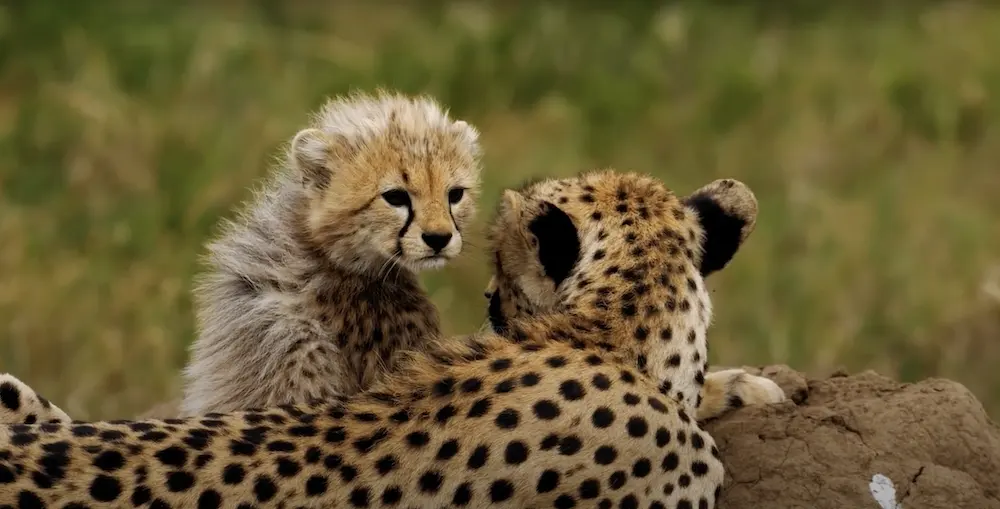
- Cheetahs face high cub mortality rates, with up to 90% of cubs dying before reaching independence due to predation by lions and hyenas.
- Human-wildlife conflict occurs frequently when cheetahs prey on livestock, leading farmers to retaliate.
- To help, support organizations like the Cheetah Conservation Fund that work on habitat protection and community education programs.
The bottom line
While cheetahs are not currently classified as critically endangered, they face severe threats that could lead to extinction without intervention. Their population is declining rapidly due to habitat destruction, illegal wildlife trade, and conflicts with local farmers. Protecting these magnificent cats requires international cooperation to preserve vast grasslands and support sustainable land-management practices that allow both humans and cheetahs to coexist safely in the wild.
People also ask
How fast can a cheetah run?
A cheetah can reach speeds of up to 70 miles per hour (112 kilometers per hour) in short bursts. They are built for acceleration, capable of going from 0 to 60 mph in just three seconds.
Do cheetahs live in groups?
Female cheetahs are solitary and raise their cubs alone. Males, however, often live in small, stable groups called coalitions, usually consisting of brothers from the same litter.
Are cheetahs dangerous to humans?
Cheetahs are generally shy and avoid human contact. Unlike lions or leopards, they rarely view humans as prey and are not known to hunt people in the wild.
What do cheetahs eat?
Their primary diet consists of small to medium-sized antelopes, such as Thomson's gazelles and impalas. They also hunt hares and ground-dwelling birds when larger prey is scarce.
Read the full answer →Can cheetahs roar like other big cats?
No, cheetahs cannot roar. Instead, they communicate through a variety of sounds, including purring, chirping, hissing, and a distinct "stutter-bark" used to locate one another.
How long do cheetahs live?
In the wild, cheetahs typically live between 10 and 12 years. Those in captivity can live slightly longer, sometimes reaching up to 15 years with specialized veterinary care.
Read the full answer →This answer was created with the help of AI research tools and reference sources. Spotted an error? Let us know — we correct mistakes quickly. See our editorial policy.