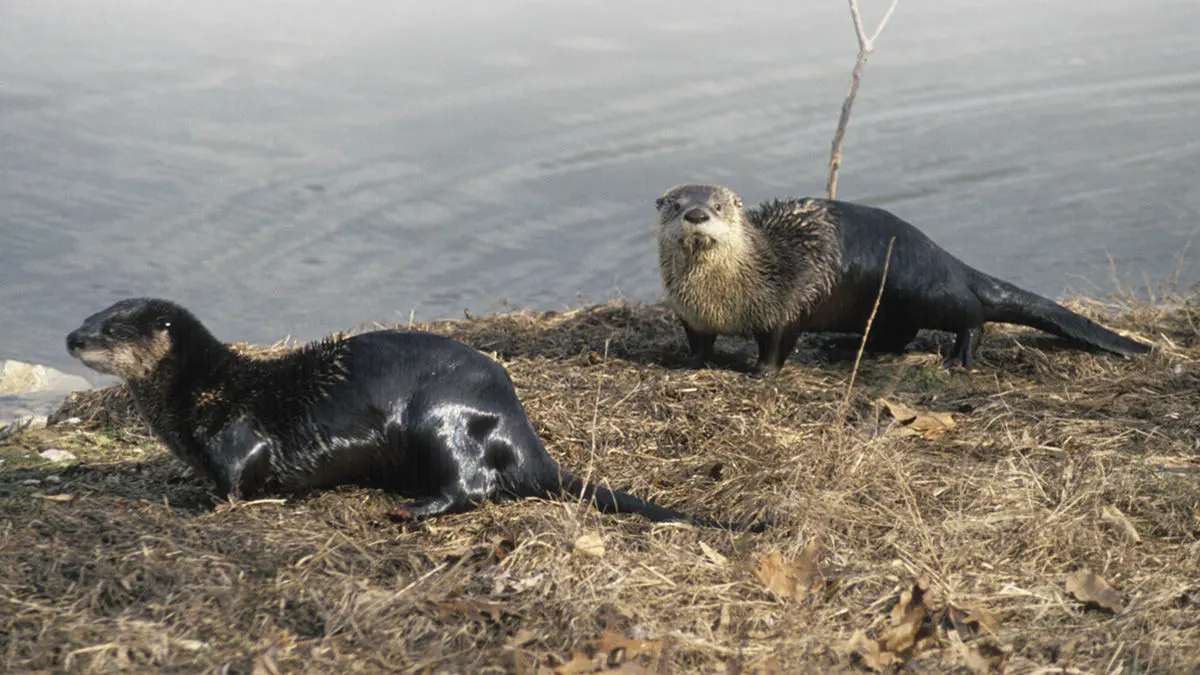
Are sea otters endangered?
Short answer
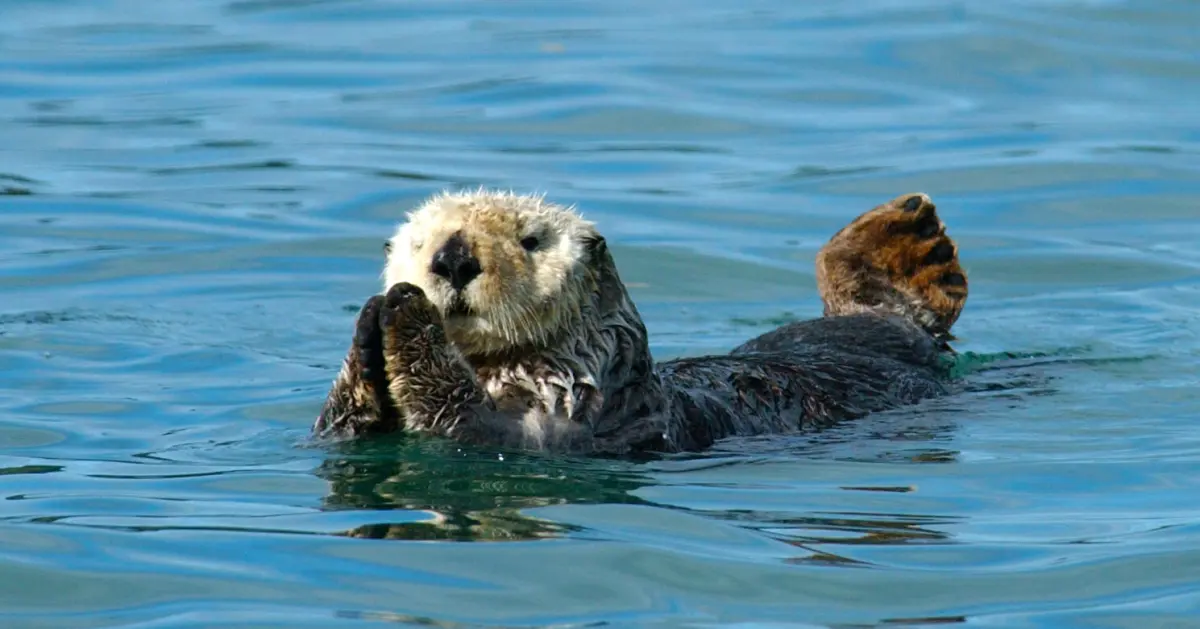
Sea otters are currently classified as endangered in some regions, while others are considered threatened or stable. Their status depends on the specific population, such as the southern sea otter in California or the northern sea otter in Alaska. Overall, the species remains vulnerable due to environmental changes and human-related threats.
On this page
Are sea otters endangered today?
The conservation status of sea otters is not uniform across their entire global range. The International Union for Conservation of Nature (IUCN) lists the species as Endangered because their population has declined significantly over the past few decades. However, this global status masks the reality of distinct subspecies that face different levels of risk based on their geographic location.
In the United States, the southern sea otter, which inhabits the coast of California, is listed as a threatened species under the Endangered Species Act. Meanwhile, populations in Alaska and Russia have experienced dramatic fluctuations, sometimes recovering well only to face new environmental pressures. Understanding these nuances is vital because a one-size-fits-all approach to conservation does not address the specific threats faced by localized groups of otters.
Why are sea otter populations declining?
Historically, the primary threat to sea otters was the maritime fur trade, which nearly drove them to extinction by the early 20th century. While commercial hunting is now banned, modern otters face a complex array of new challenges. These include habitat degradation, oil spills, and the loss of kelp forests that provide essential shelter and food for the animals.
Pollution is another significant factor that negatively impacts otter health. Runoff from agricultural and urban areas introduces pathogens and toxins into the marine environment, which can weaken the immune systems of these mammals. Because sea otters have an exceptionally high metabolic rate to stay warm in cold water, they are particularly sensitive to any environmental changes that reduce their access to high-quality prey.
- Oil spills: Crude oil destroys the insulating properties of their fur, leading to hypothermia.
- Disease: Toxoplasmosis and other infections often originate from domestic cat waste washed into the ocean.
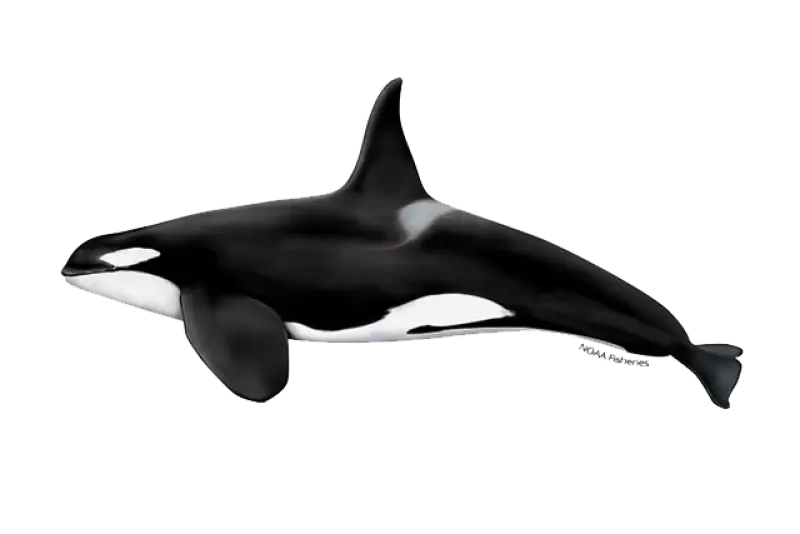
- Predation: Increased shark attacks, particularly in California, have limited the expansion of some otter populations.
- Prey scarcity: Overfishing and climate change can deplete the urchins and shellfish they rely on for energy.
How do scientists track sea otter numbers?
Biologists use a variety of survey methods to monitor otter populations and ensure they do not fall below critical thresholds. Aerial surveys are frequently conducted along coastlines, where researchers count otters from low-flying aircraft. Ground-based surveys are also common, using high-powered spotting scopes to observe otters from shorelines during calm weather conditions.
These efforts are essential for determining whether conservation policies are working. By tracking birth rates, mortality, and migration patterns, scientists can identify if a population is struggling or expanding into new territories. This data informs government agencies when they need to implement stricter protections or habitat restoration projects to prevent further decline.
- Establish a consistent survey window during the spring when weather is most predictable.
- Utilize standardized counting protocols to ensure data is comparable year over year.
- Record the presence of pups to calculate reproductive success rates.
- Map the geographic range to see if the population is moving into deeper or shallower waters.
What can people do to help sea otters?
Individual actions can have a positive impact on the health of marine ecosystems where otters reside. Since many pollutants that harm otters originate on land, managing waste properly is a practical way to contribute to their survival. Reducing the use of chemical fertilizers and pesticides in gardening prevents these substances from entering local waterways and eventually reaching the ocean.
Additionally, supporting organizations that focus on marine mammal rescue and habitat protection is highly effective. If you live near the coast, participating in beach cleanups helps remove debris that could be ingested by marine life. Being a responsible consumer by choosing sustainably sourced seafood also helps maintain the balance of the kelp forest ecosystems that otters depend on for their survival.
Common mistakes when trying to help wildlife
A frequent error people make is attempting to feed or interact with sea otters in the wild. Feeding wild animals disrupts their natural foraging behaviors and can lead to dangerous dependency on humans. Furthermore, getting too close to an otter causes the animal significant stress, which can lead to it abandoning its pup or leaving a safe foraging area to escape the disturbance.
Another mistake is the improper disposal of household waste, specifically cat litter. Because the parasite Toxoplasma gondii is often found in cat feces, flushing it down the toilet or leaving it in areas where it can wash into storm drains is a major risk to sea otters. Always dispose of pet waste in the trash to ensure it ends up in a landfill rather than the ocean. By avoiding these common pitfalls, individuals can ensure their presence does not inadvertently harm the very animals they wish to protect.
Key facts
- Sea otters are currently listed as "Endangered" under the U.S. Endangered Species Act, specifically the Southern sea otter subspecies.
- The global population of sea otters is estimated at roughly 125,000 to 150,000 individuals, though numbers vary significantly by region.
- They are considered a keystone species because they maintain the health of kelp forests by eating sea urchins that would otherwise destroy the ecosystem.
- Commercial fur trading in the 18th and 19th centuries brought the species to the brink of extinction, reducing their numbers to fewer than 2,000 worldwide by 1911.
- Oil spills represent the greatest ongoing threat to sea otters because their dense fur relies on air pockets for insulation; if the fur becomes matted with oil, the otters die of hypothermia.
- To help protect sea otters, maintain a safe distance of at least 50 yards when viewing them in the wild to prevent stress and energy loss.
The bottom line
While sea otters have made a remarkable recovery from the near-extinction caused by the fur trade, they remain vulnerable to environmental changes. Their status as a keystone species makes them essential for healthy kelp forests, which sequester carbon and support biodiversity. Protecting their habitat from oil pollution and human disturbance is vital to ensuring that these charismatic marine mammals continue to thrive in our oceans.
People also ask
Where do sea otters live?
Sea otters primarily inhabit the nearshore coastal waters of the North Pacific Ocean. Their range stretches from the northern islands of Japan, through the Aleutian Islands, along the Alaskan coast, and down to the central coast of California.
Read the full answer →Do sea otters live in freshwater?
No, sea otters are strictly marine mammals and spend almost their entire lives in the ocean. While they occasionally haul out on land to rest, they require saltwater environments to hunt and survive.
What do sea otters eat?
They are voracious eaters, consuming up to 25 percent of their body weight daily to maintain their high metabolism. Their diet consists mainly of marine invertebrates such as sea urchins, clams, mussels, crabs, and snails.
Read the full answer →How long do sea otters live?
In the wild, sea otters typically live between 15 and 20 years. Females generally have a slightly longer lifespan than males, largely because males expend significant energy defending territories and fighting for mates.
Read the full answer →Why do sea otters hold hands?
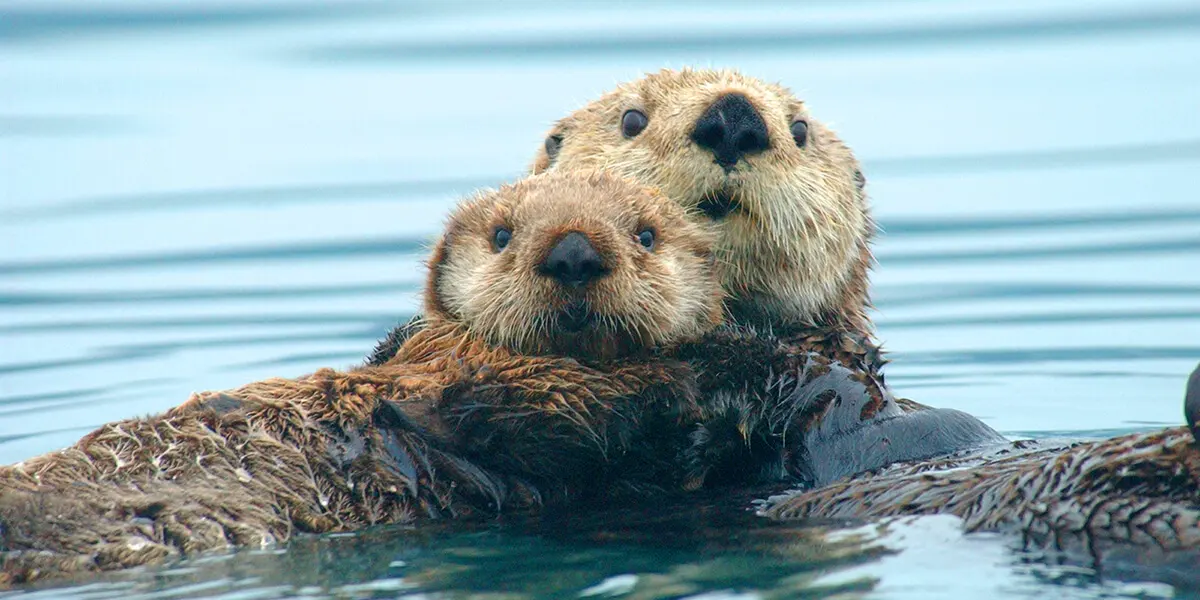
Otters often hold hands while sleeping to prevent themselves from drifting apart in the currents. This behavior, known as rafting, allows them to stay together in large groups while resting on the surface of the water.
Are sea otters the same as river otters?
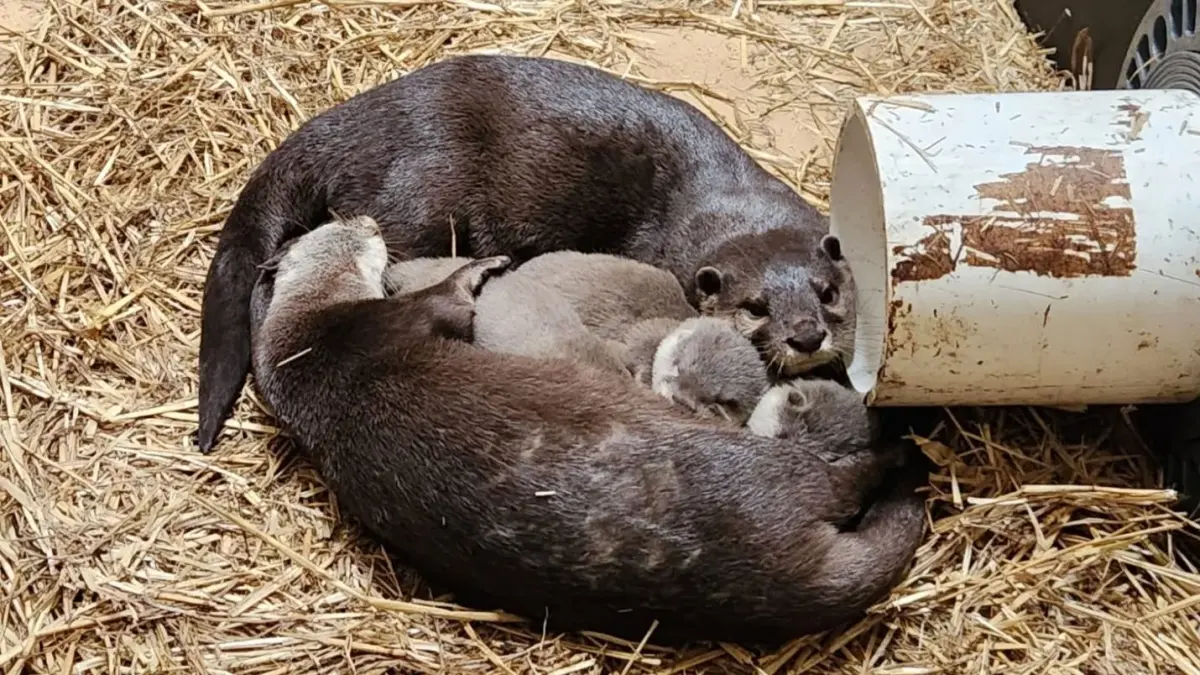
No, they are distinct species with different adaptations. Sea otters are larger, have thicker fur for insulation in cold saltwater, and lack the webbed feet that river otters use for swimming in freshwater environments.
This answer was created with the help of AI research tools and reference sources. Spotted an error? Let us know — we correct mistakes quickly. See our editorial policy.