Are orcas endangered?
Short answer
Orcas are not globally endangered, but several specific populations face critical threats. While the species Orcinus orca is listed as "Data Deficient" by the IUCN due to insufficient global population data, many regional groups—particularly those in the Pacific Northwest—are classified as endangered under local laws due to habitat loss and pollution.
On this page
Are orcas endangered globally?
The International Union for Conservation of Nature (IUCN) currently classifies the orca as "Data Deficient." This status does not mean the species is thriving, but rather that scientists lack a comprehensive global census to determine total population trends. Because orcas inhabit every ocean, from the tropics to the polar regions, monitoring their numbers on a planetary scale remains an immense logistical challenge for marine biologists.
While the species as a whole is not listed as endangered, many distinct populations are managed as separate units. These groups, often called ecotypes, possess unique social structures, hunting behaviors, and diets. Some of these regional populations are in severe decline, leading governments to implement strict legal protections. Consequently, the conservation status of an orca depends entirely on where it lives and which specific group it belongs to.
Why are some orca populations declining?
Several factors contribute to the decline of specific orca communities. The most significant threat is the depletion of primary food sources, such as Chinook salmon in the North Pacific. When prey populations collapse due to overfishing or climate-driven environmental changes, orcas struggle to maintain the caloric intake necessary for reproduction and survival.
Pollution also plays a critical role in the health of these apex predators. Because orcas sit at the top of the food chain, they accumulate high levels of persistent organic pollutants, such as PCBs, in their blubber. These toxins can suppress immune systems and cause reproductive failure. Additionally, increased maritime traffic introduces noise pollution, which interferes with the echolocation orcas use to hunt and socialize.
- Prey scarcity: Reduced availability of preferred fish species.
- Chemical contamination: High concentrations of industrial pollutants.
- Acoustic disturbance: Noise from shipping and sonar disrupting communication.
- Habitat degradation: Loss of coastal areas due to industrial development.
How do scientists track endangered orcas?
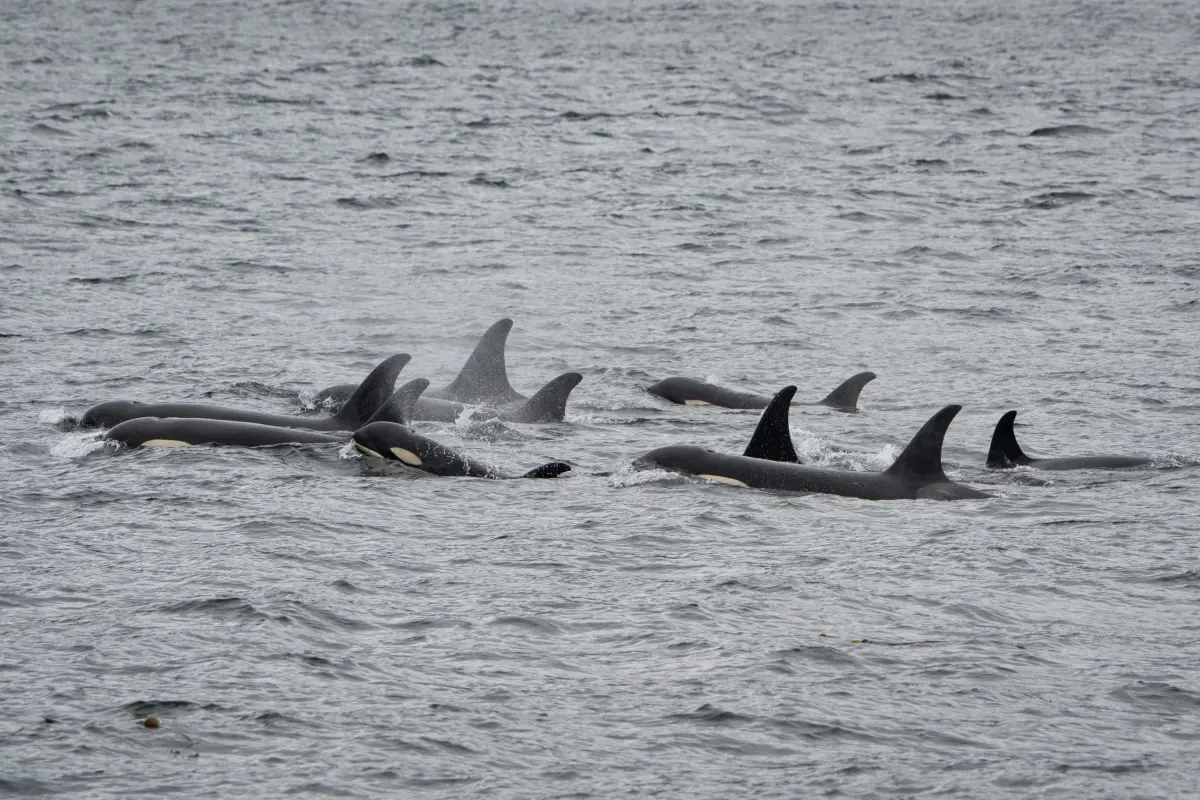
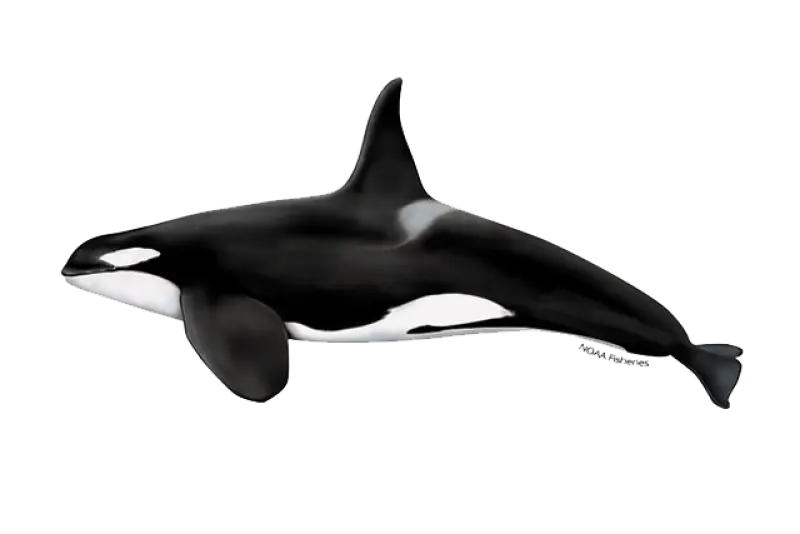
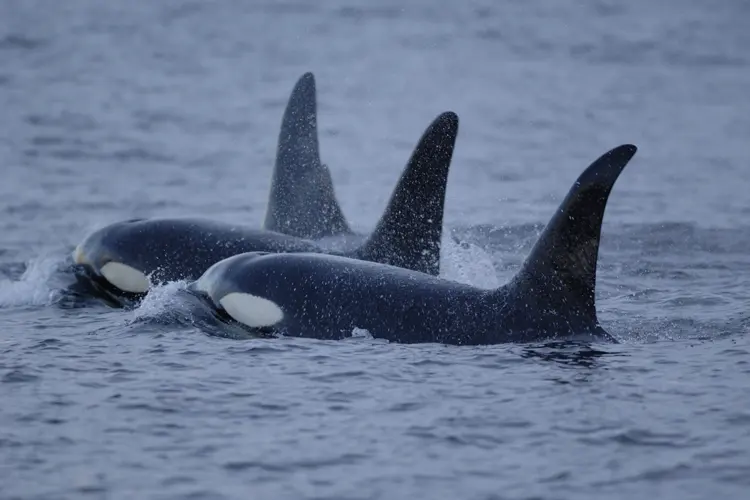
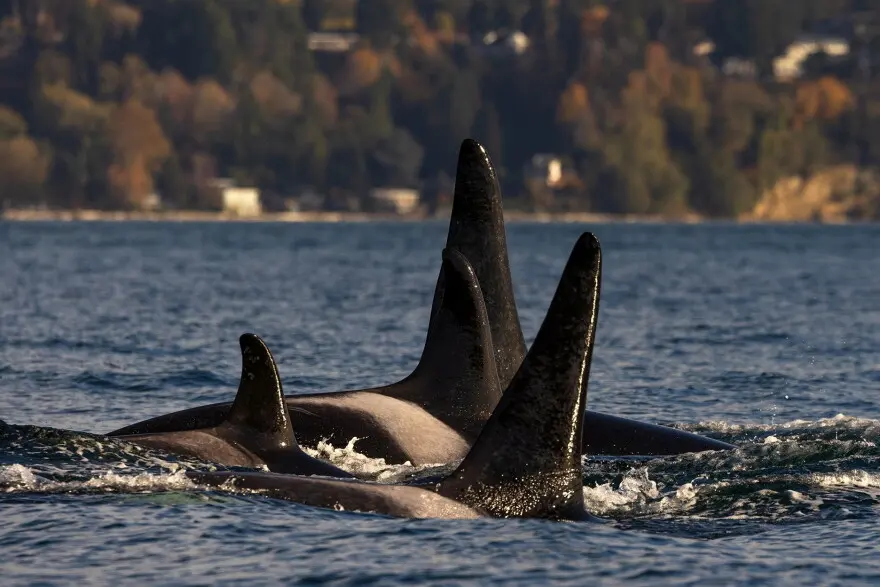
Researchers use a variety of non-invasive techniques to monitor the health and population size of vulnerable orca groups. Photo-identification is the most common method, as each individual orca has a unique dorsal fin shape and a distinct gray patch behind the fin, known as a saddle patch. By cataloging these markings, scientists can track individuals over decades to understand survival and birth rates.
Advanced technology has further refined these efforts. Researchers now utilize drones to capture high-resolution aerial images, allowing them to assess the body condition of whales without disturbing them. Additionally, passive acoustic monitoring involves placing underwater microphones in key habitats to record vocalizations. These recordings help identify which pods are present in an area and how they are utilizing their environment throughout the year.
- Capture high-quality photographs of dorsal fins and saddle patches.
- Utilize drones to monitor blubber thickness and overall physical health.
- Deploy hydrophones to record and analyze distinct pod dialects.
- Collect fecal samples from the water surface for hormonal analysis.
What is being done to protect them?
Conservation efforts focus on restoring the ecosystems that orcas depend on. In the United States and Canada, recovery plans for the Southern Resident orcas include strict regulations on salmon fishing to ensure enough food is available for the whales. Governments are also working to remove or modify dams that block salmon migration routes, as these structures are primary obstacles to the recovery of prey populations.
Legal protections also address the physical environment of the whales. Many regions have established "whale-watching" guidelines that mandate minimum distances for vessels to prevent disturbance. Some areas have even implemented "no-go" zones for commercial and recreational boats during critical feeding seasons. These measures aim to reduce stress on the whales, allowing them to focus their energy on foraging and raising their young in quieter waters.
Common mistakes when discussing orca conservation
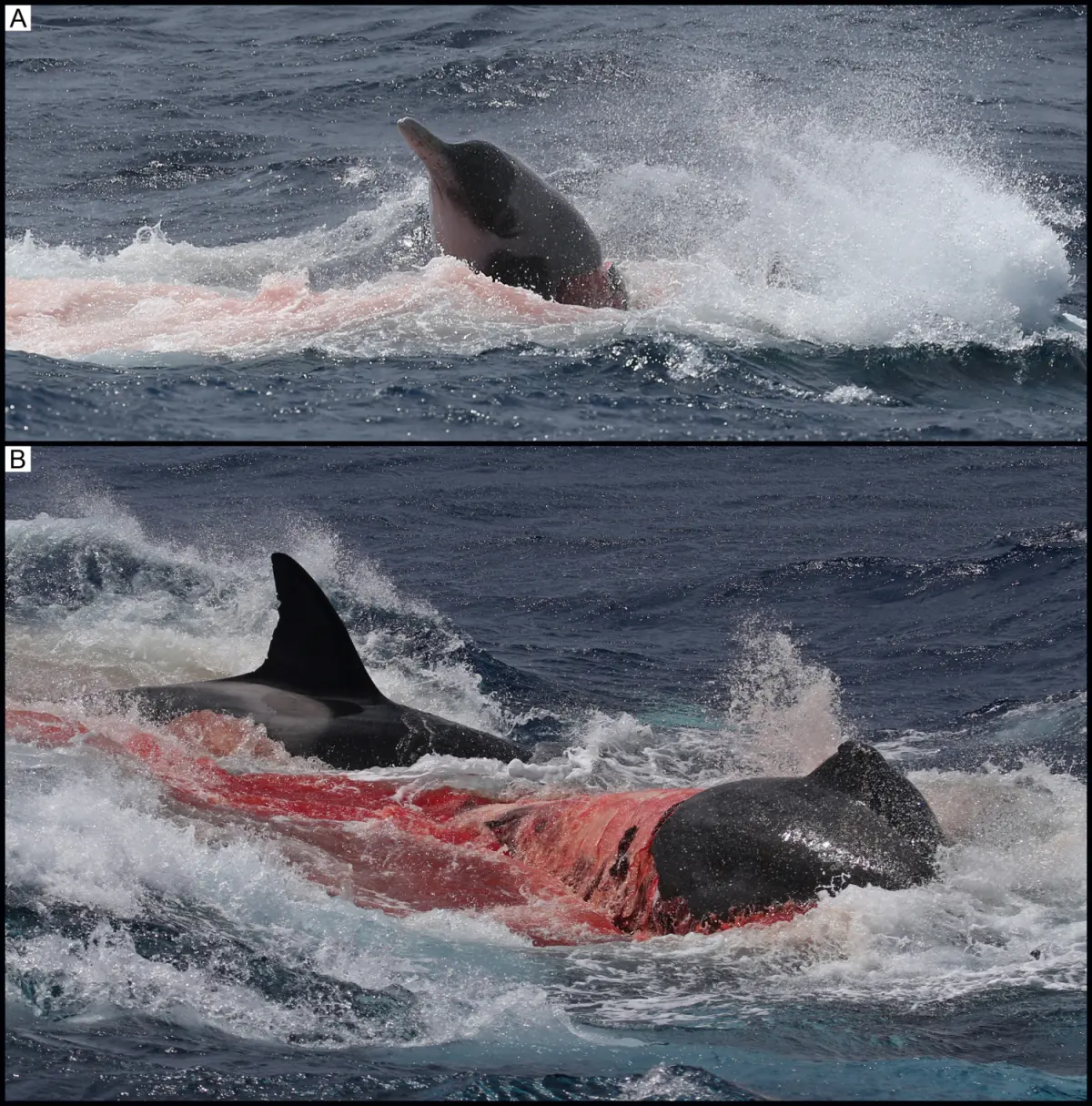
A frequent error is assuming that all orcas share the same dietary needs or social behaviors. People often generalize about the species, failing to recognize that "resident" orcas, which eat fish, are biologically and culturally distinct from "transient" orcas, which hunt marine mammals. Treating these groups as a single entity leads to misguided conservation policies that may not address the specific needs of a local population.
Another mistake is overestimating the speed at which these populations can recover. Orcas have long lifespans, reach sexual maturity late, and have long intervals between births. Even if food sources are restored and pollution is mitigated, it can take several generations for a population to rebound from a significant decline. Public awareness campaigns often ignore these biological realities, leading to frustration when immediate population growth is not observed after a new policy is enacted.
Key facts
- Orcas are not a single species but are currently classified as one species, Orcinus orca, with multiple distinct "ecotypes" worldwide.
- The Southern Resident orca population in the Pacific Northwest is listed as endangered under the U.S. Endangered Species Act.
- Global orca populations face severe threats from chemical pollutants, specifically PCBs, which accumulate in their blubber and impair reproduction.
- Noise pollution from shipping vessels interferes with the echolocation orcas use to hunt for salmon and communicate with their pods.
- Some orca populations are stable, while others, such as those in the Strait of Gibraltar, are critically declining due to habitat loss.
- To help conservation efforts, avoid whale-watching tours that do not strictly adhere to distance regulations or that chase pods.
The bottom line
Orcas are not universally endangered, but specific populations face critical threats from environmental degradation, pollution, and prey depletion. While some groups remain stable, others require urgent conservation intervention to survive. Protecting these apex predators involves addressing local water quality and ensuring sustainable fishing practices. Understanding the unique needs of different ecotypes is essential for effective global efforts to preserve these intelligent, highly social marine mammals.
People also ask
Do orcas ever attack humans in the wild?
There are no confirmed records of wild orcas killing humans. While they are apex predators, their interactions with people in the ocean are typically characterized by curiosity rather than aggression.
How long do orcas live in the wild?
Female orcas can live for 50 to 80 years, while males generally have a shorter lifespan of 30 to 50 years. These lifespans are comparable to those of human beings.
What do orcas eat?
Their diet varies by ecotype and location, ranging from Chinook salmon and herring to seals, sea lions, and even other whale species. Some populations are highly specialized and will only hunt one specific type of prey.
Read the full answer →Why are Southern Resident orcas struggling?
This specific group suffers from a lack of Chinook salmon, their primary food source, alongside high levels of water contamination. Their small population size makes them particularly vulnerable to environmental changes and disease.
Can you keep orcas in captivity?
While orcas have been kept in marine parks for decades, the practice is increasingly controversial due to the animals' complex social structures and high intelligence. Many countries have now banned the breeding or capture of orcas for entertainment.
How do orcas hunt together?
Orcas use sophisticated cooperative hunting techniques, such as creating waves to wash seals off ice floes or herding fish into tight "bait balls." These strategies are passed down through generations via social learning.
This answer was created with the help of AI research tools and reference sources. Spotted an error? Let us know — we correct mistakes quickly. See our editorial policy.