How many babies do otters have?
Short answer
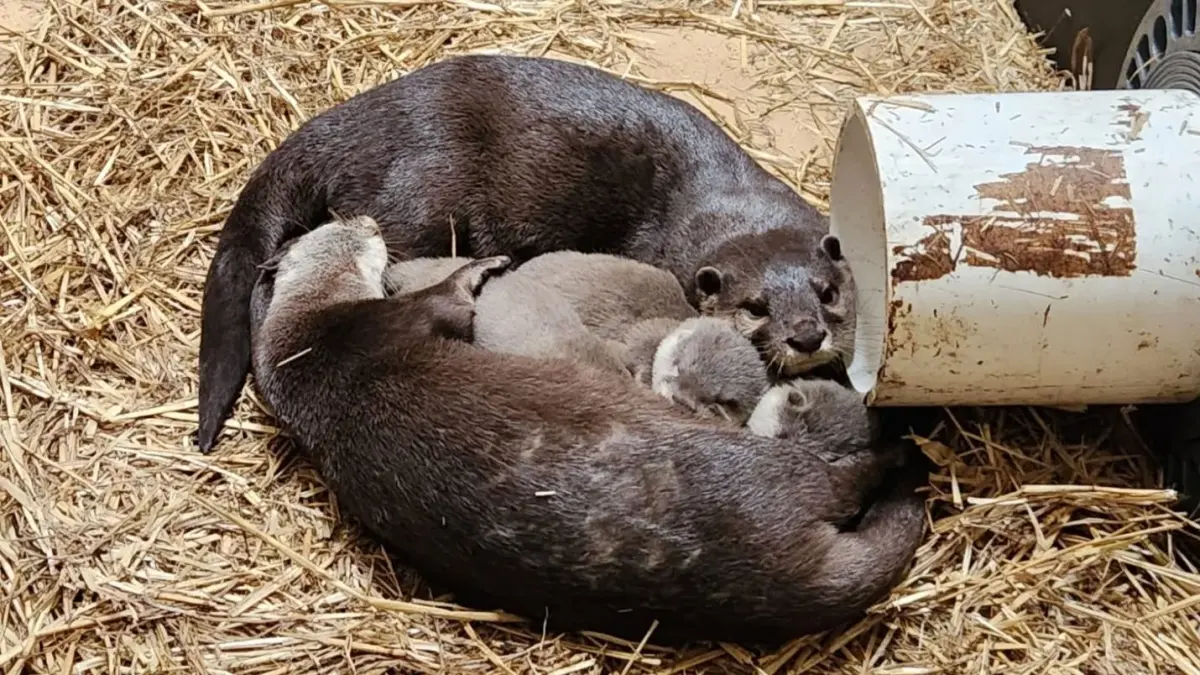
Otters typically give birth to one to three pups at a time, though some species may occasionally have up to five. Litter sizes vary significantly depending on the specific species and environmental conditions. Most otter mothers raise their young in dens or sheltered areas, providing intensive care for several months after birth.
On this page
How many pups do different otter species have?
The number of offspring varies across the 13 distinct species of otters found worldwide. While the average litter size remains small, environmental factors such as food availability and habitat quality influence reproductive success. Larger species, like the Giant Otter, often have slightly larger litters compared to the smaller, more solitary species.
Most otters follow a general pattern of producing small litters to ensure each pup receives adequate nutrition and protection. The following list outlines typical litter sizes for several well-known species:
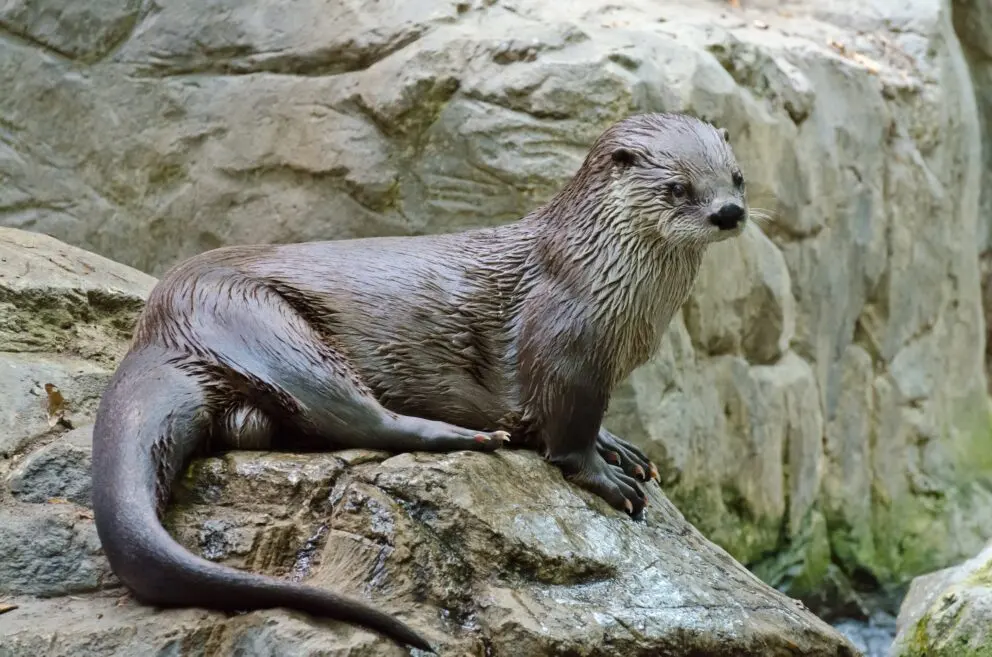
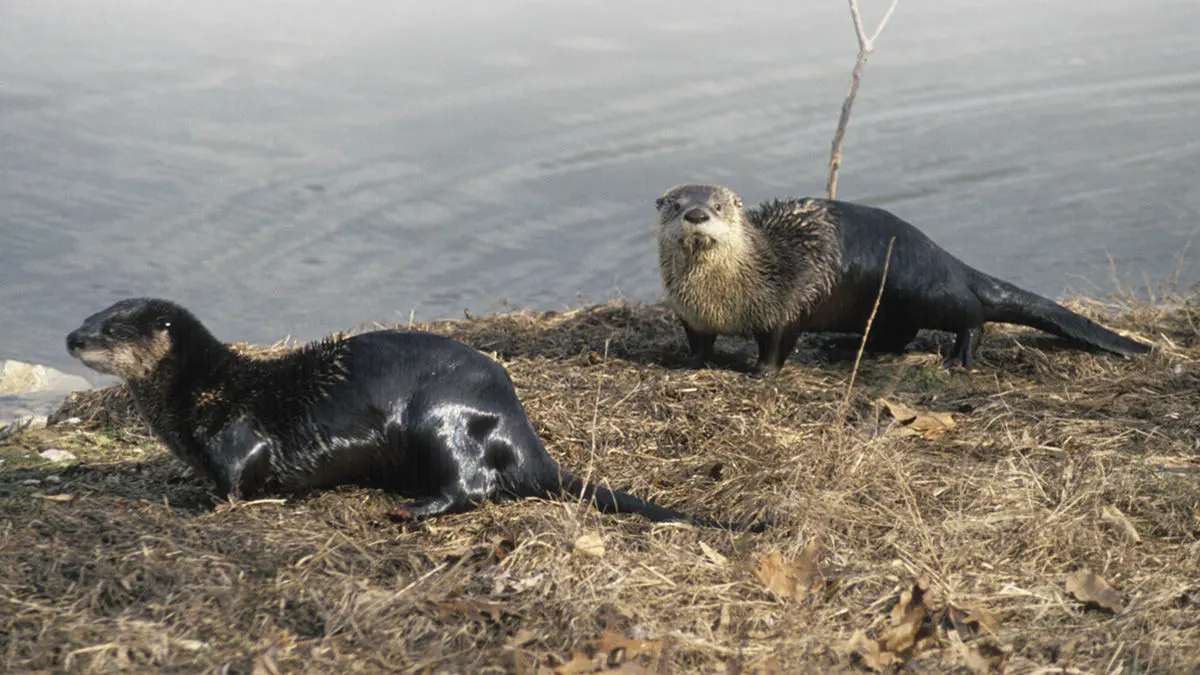
- North American River Otter: 1 to 3 pups
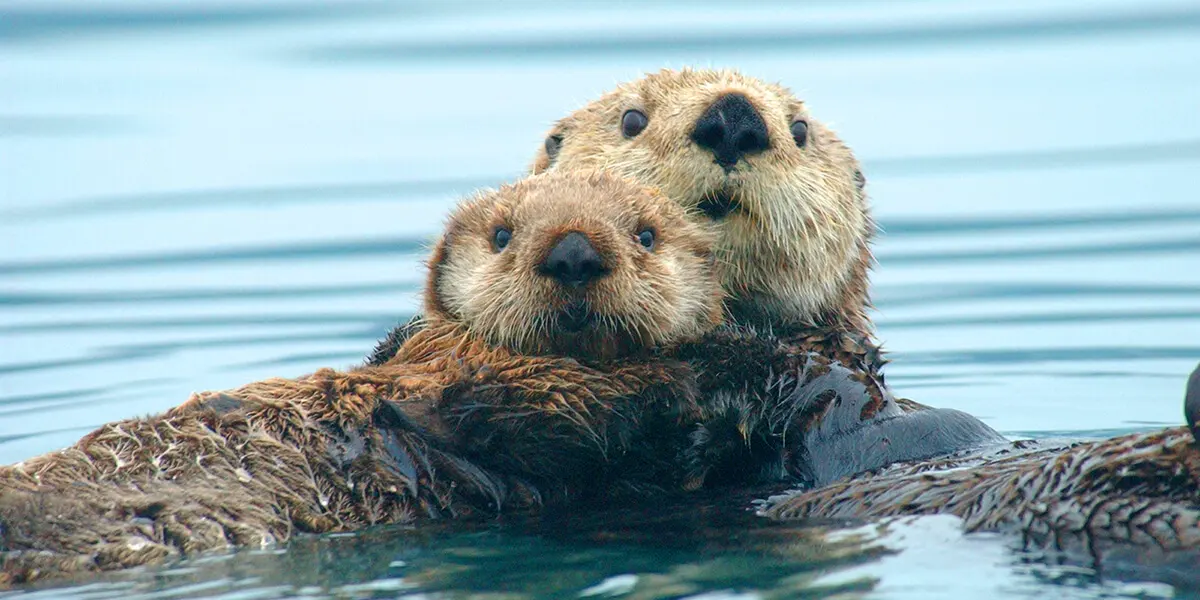
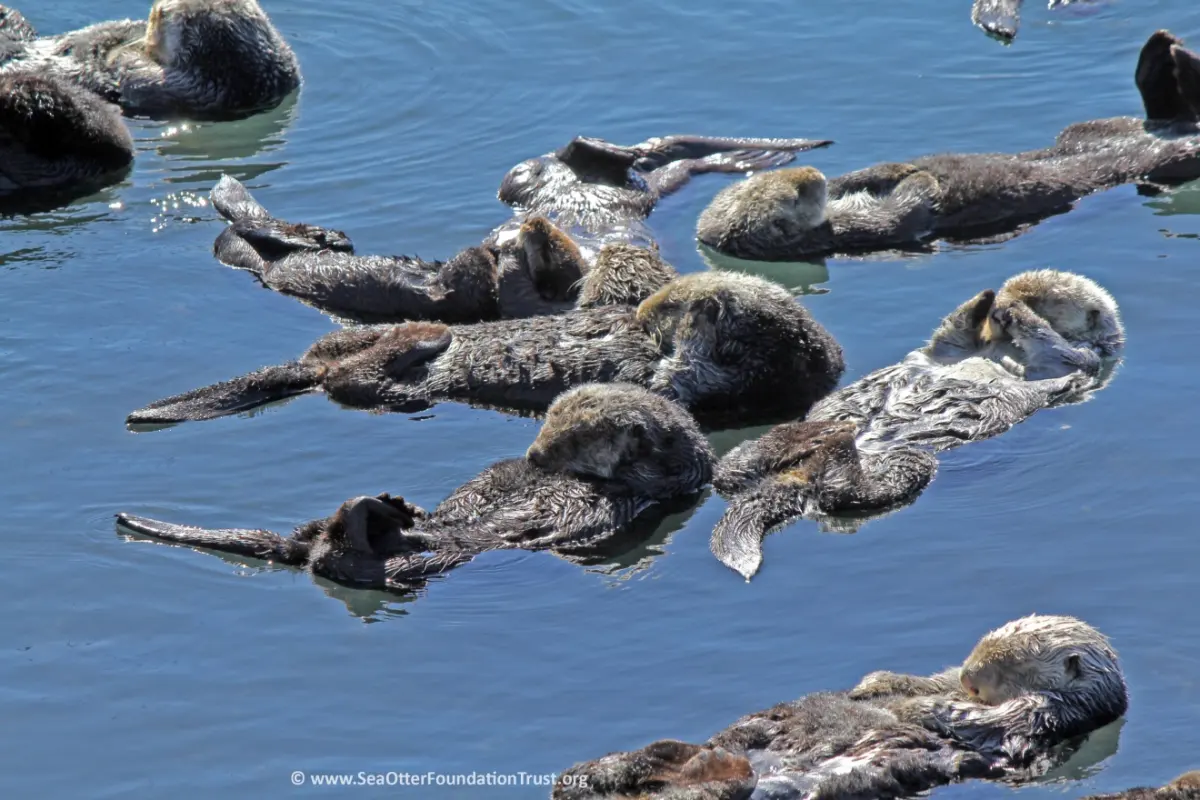
- Sea Otter: 1 pup, rarely 2
- Giant Otter: 1 to 5 pups
- Eurasian Otter: 1 to 3 pups
Regardless of the species, the mother is almost exclusively responsible for rearing the young. Because the pups are born helpless and blind, the mother must balance hunting for food with the constant need to guard the den. This evolutionary strategy favors quality of care over the quantity of offspring produced.
How long does it take for otter pups to grow up?
Otter pups undergo a rapid development process, transitioning from dependent infants to independent juveniles within a year. At birth, they are covered in fine fur but cannot see or move well. Within three to six weeks, they begin to open their eyes, and by two months, they start their first swimming lessons.
The timeline for maturation is structured to ensure survival in often harsh environments. Mothers teach their young essential life skills, including how to hunt, groom their fur, and navigate the water. The following milestones are common for most river otter species:
- Birth: Pups are born in a secluded den.
- 4-6 weeks: Pups begin to explore the den entrance.
- 8-10 weeks: Weaning begins as pups start eating solid food.
- 6-12 months: Pups reach independence and leave the mother.
Sea otters have a longer dependency period, often staying with their mothers for up to eight months. This extended period is necessary because sea otters must master complex foraging techniques to survive in the ocean.
Why do otter populations fluctuate?
Otter populations are highly sensitive to changes in their ecosystem, which directly impacts their reproductive rates. When food sources like fish, crustaceans, and mollusks are abundant, otters are more likely to produce healthy litters. Conversely, pollution, habitat destruction, and climate change can lead to lower birth rates and higher pup mortality.
Human activity remains the most significant threat to otter stability. Destruction of riparian zones—the areas along riverbanks—removes the essential cover otters need to build dens and hide their young from predators. Furthermore, chemical runoff can accumulate in the food chain, leading to reproductive health issues in adult otters. Conservation efforts focus on protecting these sensitive habitats to ensure that otters have the space and resources required to raise their pups safely. By maintaining clean water and undisturbed banks, environmental agencies help stabilize local populations and support natural birth cycles.
Common mistakes when observing otters in the wild
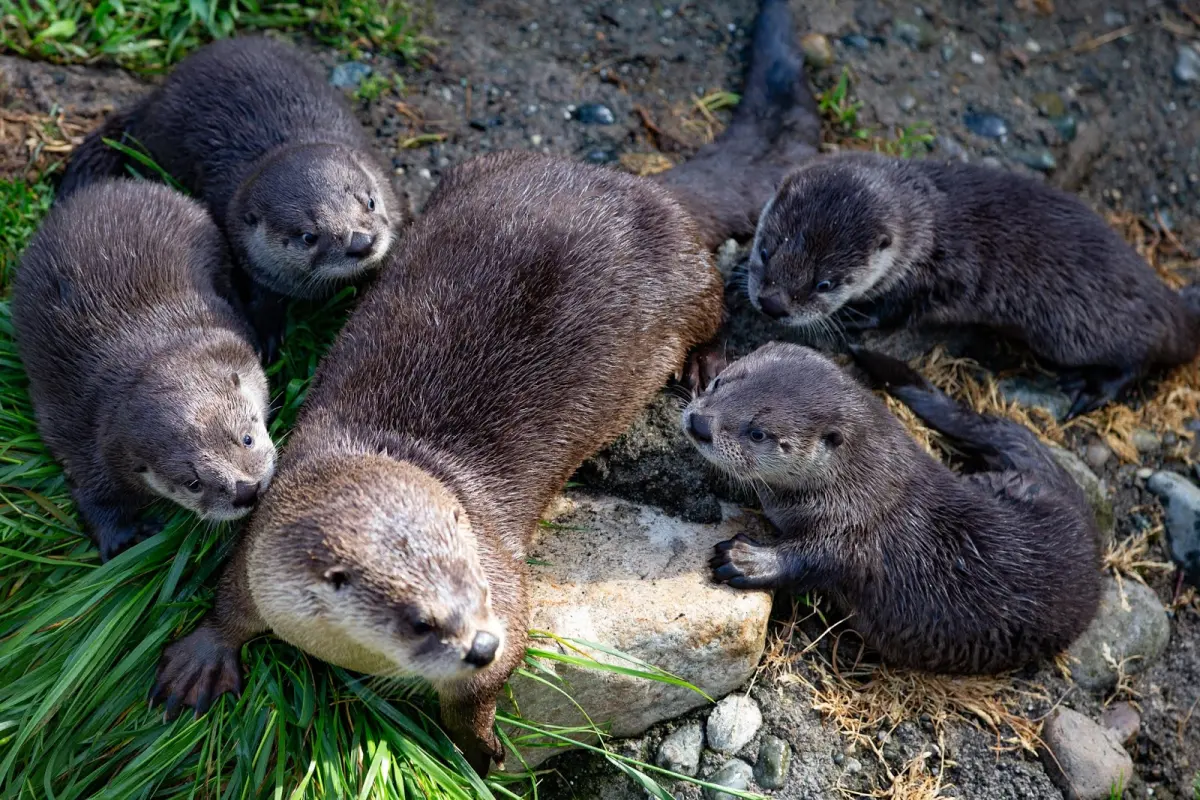
Many people inadvertently disturb otter families by getting too close to dens or nesting sites. A common mistake is assuming that a pup left alone on a bank has been abandoned by its mother. In reality, the mother is likely nearby hunting for food and will return shortly to care for her offspring.
Approaching an otter den is dangerous for both the humans and the animals involved. If a mother feels threatened, she may abandon the den entirely, leaving her pups vulnerable to predators or starvation. To observe otters responsibly, follow these guidelines:
- Maintain a distance of at least 100 yards using binoculars or a camera with a zoom lens.
- Keep noise levels low to avoid causing distress to the mother and pups.
- Never attempt to feed or touch an otter, as this can lead to disease transmission and behavioral changes.
- Stay on marked trails to avoid damaging the delicate vegetation surrounding the den.
How to support otter habitat conservation
Supporting the health of local otter populations requires a commitment to protecting the waterways they call home. You can start by participating in local river cleanup events, which remove plastic waste and debris that can entangle young otters. Reducing the use of lawn chemicals and pesticides also prevents toxic runoff from entering streams, keeping the water safe for the fish that otters rely on for survival.
Public awareness plays a vital role in the long-term survival of these animals. Supporting organizations that work to restore wetlands and enforce environmental regulations ensures that otters have the necessary space to breed and raise their young. By advocating for protected status for river corridors, you help maintain the biodiversity required for otters to thrive. Education is the most effective tool for conservation, as informed communities are more likely to support policies that prioritize clean, healthy ecosystems for all wildlife. Protecting these habitats is the most practical way to ensure that future generations can witness otters in their natural environment.
Key facts
- Most otter species give birth to a litter of one to three pups at a time.
- North American river otters typically produce a litter of two to three pups annually.
- Sea otters almost exclusively give birth to a single pup, as twins are rare and difficult for a mother to raise.
- Otter pups are born altricial, meaning they are blind, toothless, and entirely dependent on their mother for survival.
- Mothers provide intensive care for several months, teaching pups how to swim and hunt in the water.
- Avoid approaching wild otter dens, as mothers are highly protective and may abandon their young if they feel threatened by human presence.
The bottom line
Otters typically have small litters, usually consisting of one to three pups, reflecting the high level of parental investment required for their survival. Because pups are born helpless and require extensive training to master swimming and hunting, mothers dedicate months to their development. Understanding these reproductive habits highlights the vulnerability of otter populations and the importance of protecting their natural denning habitats from human interference.
People also ask
How long is the gestation period for an otter?
The gestation period varies significantly by species due to a process called delayed implantation. While sea otters have a gestation of about four to six months, river otters can have a total cycle lasting up to a year, though active fetal development is much shorter.
Do male otters help raise the pups?
In most otter species, the father does not participate in raising the young. The mother is solely responsible for feeding, grooming, and protecting the pups until they are independent.
At what age do otter pups start swimming
Pups typically begin their first swimming lessons around two months of age. The mother must physically guide them, as they are not born with the instinct to swim and must be taught how to navigate the water safely.
What do otter pups eat?
Pups rely entirely on their mother's milk for the first few months of life. As they grow, the mother introduces solid food like small fish, crustaceans, and mollusks to their diet.
How long do pups stay with their mother?
Depending on the species, young otters generally remain with their mother for six months to a year. During this time, they learn essential survival skills, including how to hunt and maintain their waterproof fur.
Are otter pups born in the water?
No, otters give birth on land in structures called holts or dens. These are often located in hollow logs, burrows, or dense vegetation to keep the pups warm and hidden from predators.
This answer was created with the help of AI research tools and reference sources. Spotted an error? Let us know — we correct mistakes quickly. See our editorial policy.