How many babies do seals have?
Short answer
Most seal species give birth to exactly one pup per year. While twinning is biologically possible in some pinnipeds, it is an extremely rare occurrence and rarely results in the survival of both offspring. Females typically invest all their energy into nursing a single pup to ensure its survival before weaning.
On this page
How often do seals give birth?
Seals are seasonal breeders that typically produce one offspring annually. This reproductive cycle is tightly synchronized with environmental factors, such as food availability and the timing of the molt. Most species, including the harbor seal and the grey seal, follow a predictable yearly schedule where mating occurs shortly after the pup is weaned.
Because gestation periods generally last between nine and eleven months, the timing of birth remains consistent across years. Some species, such as the northern fur seal, utilize a biological mechanism known as delayed implantation. This allows the fertilized egg to remain in a state of suspended development, ensuring that the pup is born at the most favorable time of year for survival.
Why do seals only have one pup?
The primary reason seals produce only one pup is the high energetic cost of lactation. Seal milk is exceptionally rich in fat, often containing over 50 percent fat content, which is necessary to help the pup gain weight rapidly. A female must mobilize her own fat reserves to produce this high-quality milk, which would be physically unsustainable if she were nursing two offspring simultaneously.
Furthermore, the environment in which seals raise their young dictates their reproductive strategy. Whether on ice floes or rocky beaches, the space and resources required to protect and feed a pup are limited. By focusing all maternal investment on a single individual, the mother maximizes the pup's chances of reaching a healthy weight before it must learn to hunt independently.
- High fat content in milk provides rapid energy for blubber development.
- Single-pup investment reduces the risk of maternal exhaustion.
- Limited space on breeding grounds favors individual attention over multiple births.
What happens during the weaning process?
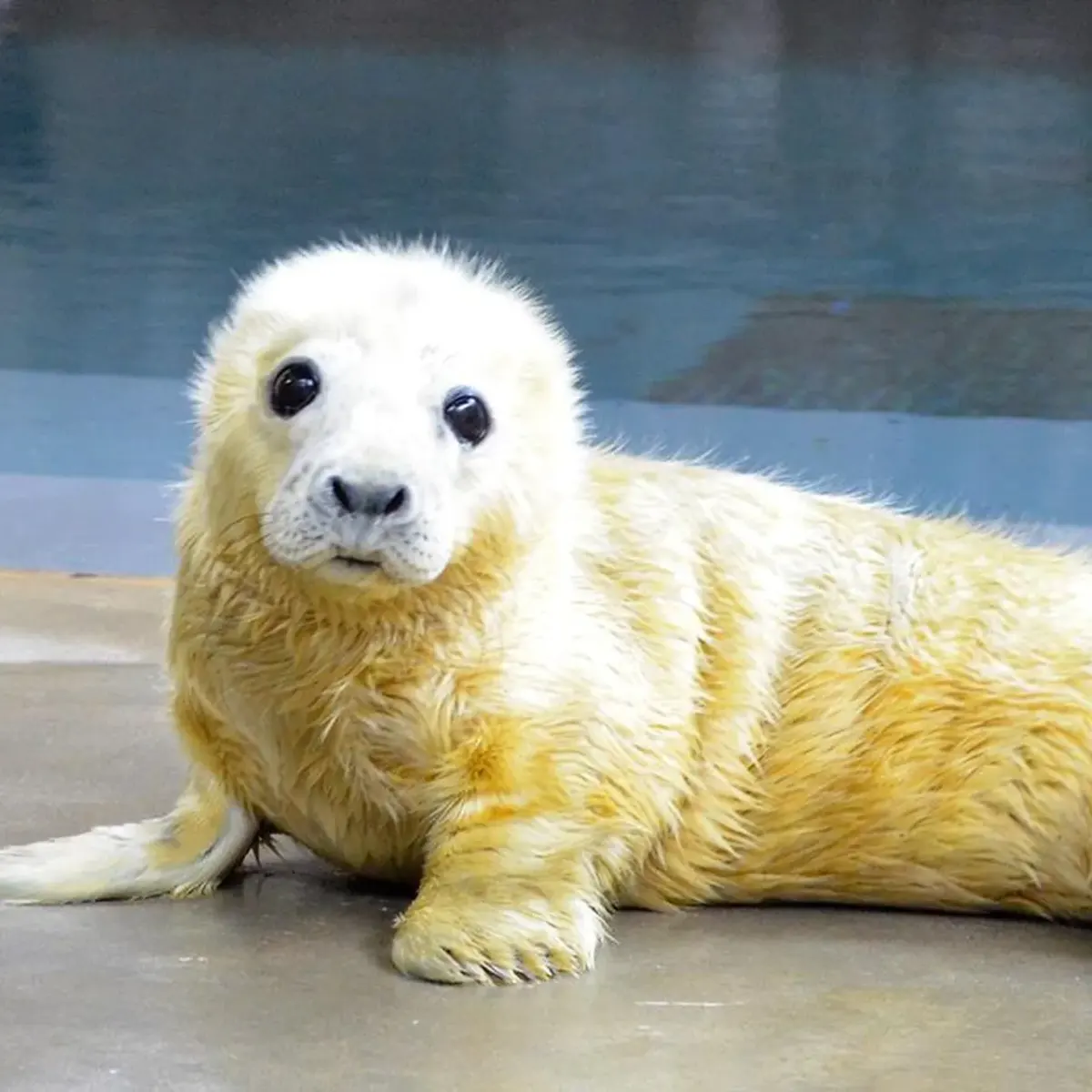
Weaning is a critical phase in a seal's life that varies significantly by species. Some seals, like the hooded seal, have one of the shortest nursing periods in the mammal world, lasting only four to five days. During this brief window, the pup consumes massive amounts of energy-dense milk to double its body weight before being left to fend for itself.
Other species, such as the monk seal, may nurse their pups for several months. Regardless of the duration, the weaning process follows a specific progression:
- The mother establishes a strong bond with the pup through vocalization and scent.
- The pup feeds exclusively on milk, rapidly building a protective layer of blubber.
- The mother gradually reduces nursing frequency as the pup begins to explore the water.
- The mother abandons the pup, leaving it to rely on its stored energy until it learns to hunt.
How can you identify a seal pup?
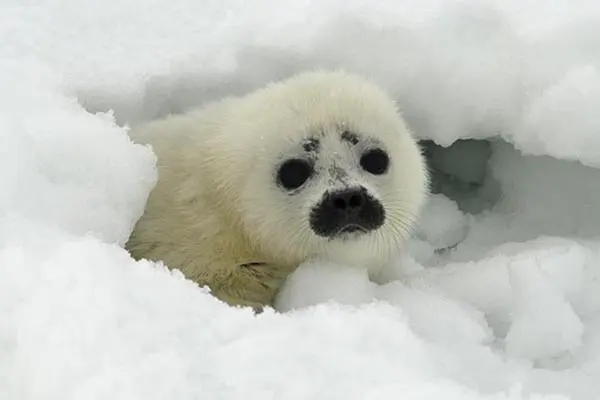
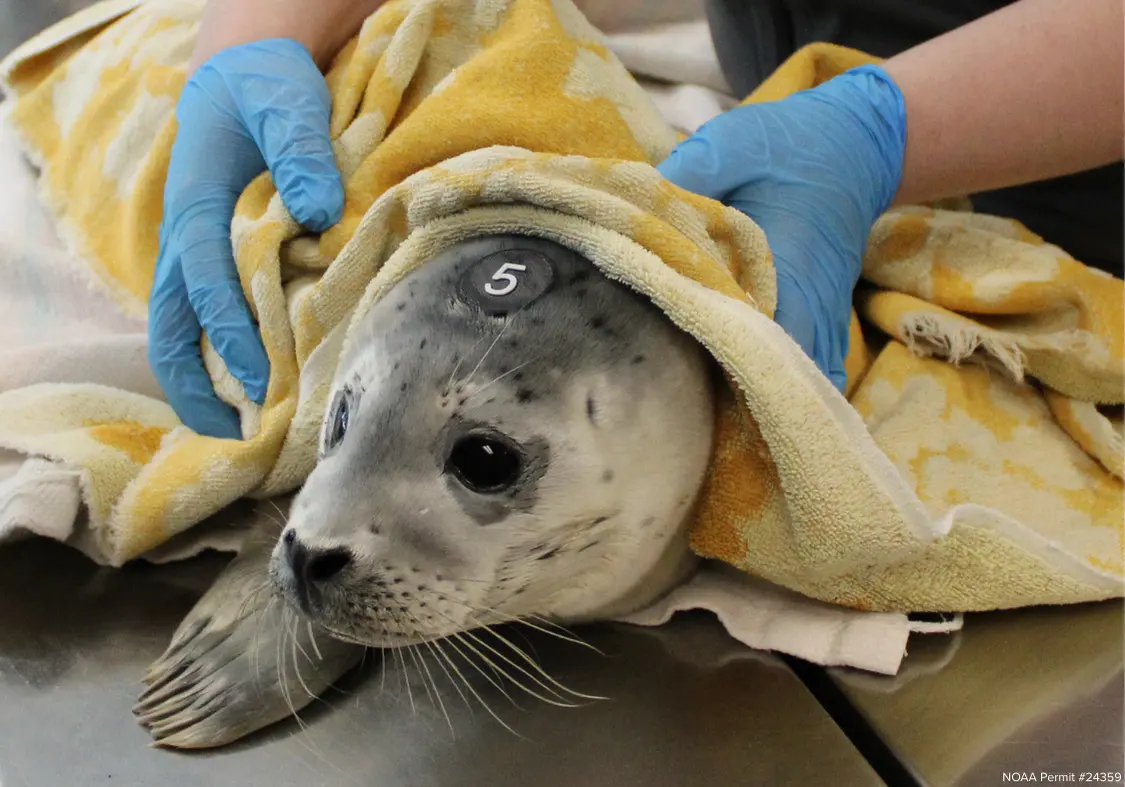
Identifying a seal pup in the wild requires careful observation, as they often look quite different from adults. Newborn pups are frequently covered in a soft, dense coat called lanugo, which is often white or silvery in color. This coat is designed to provide insulation on land or ice but is usually shed within the first few weeks of life as the pup develops its waterproof adult fur.
Common mistakes when observing seals include:
- Assuming a pup found alone on a beach has been abandoned, when the mother is likely nearby in the water.
- Getting too close, which can cause the mother to flee and potentially abandon the pup due to stress.
- Attempting to feed or touch the pup, which is illegal in many jurisdictions and can introduce harmful bacteria.
- Failing to respect the distance required by local wildlife regulations, which usually mandate staying at least 50 to 100 yards away.
What are the biggest threats to seal pups?
Seal pups face numerous challenges that impact their survival rates during their first year. Predation is a significant factor, with species like sharks, orcas, and polar bears targeting young seals that are still inexperienced in the water. Additionally, environmental changes, such as the melting of sea ice, can force mothers to give birth in less secure locations, increasing the risk of pup mortality.
Human activity also poses a major threat to seal populations. Entanglement in discarded fishing gear, plastic pollution, and disturbances from boat traffic can disrupt the delicate nursing period. To protect these animals, researchers emphasize the importance of maintaining habitat integrity and reducing ocean debris. By minimizing human interference during the breeding season, we can help ensure that these solitary pups have the best possible chance to grow into healthy, independent adults capable of thriving in the wild.
Key facts
- Most seal species give birth to only one pup per year.
- Twins are extremely rare in seals and often result in low survival rates for both pups.
- Female seals typically nurse their pups for a very short period, ranging from four days to six weeks depending on the species.
- Seal milk is exceptionally high in fat, sometimes exceeding 50 percent, which allows pups to gain weight rapidly.
- Pups are usually born on land or ice, though some species, such as the harbor seal, are capable of swimming shortly after birth.
- Avoid approaching seal pups on the beach, as mothers often leave them alone to forage and will abandon them if they feel threatened by human presence.
The bottom line
Seals are biologically programmed to invest heavily in a single offspring rather than producing large litters. By focusing all their energy on one pup, mothers ensure the young can pack on enough blubber to survive the harsh environment. If you encounter a pup in the wild, the most responsible action is to maintain a significant distance to allow the natural nursing process to continue uninterrupted.
People also ask
How long is the gestation period for a seal?
Most seals have a gestation period of approximately 11 months. This includes a process called delayed implantation, where the fertilized egg does not immediately attach to the uterus, ensuring the pup is born during the optimal season for survival.
Do male seals help raise the pups?
No, male seals do not participate in the rearing of their offspring. In most species, the mother provides all the care, while the males focus on defending territory or competing for mating opportunities.
How quickly do seal pups grow?
Because the nursing period is so short, pups grow at an incredible rate. For example, hooded seal pups can double their weight in just four days by consuming their mother's nutrient-dense milk.
Can seals give birth in the water?
While some species like the harbor seal can give birth in shallow water, most seals prefer stable platforms like ice floes or sandy beaches. Giving birth on solid ground or ice helps prevent the pup from drowning before it learns to manage its buoyancy.
What happens if a seal pup is found alone on a beach?
It is common for a mother seal to leave her pup on the shore while she hunts for food. If you see a pup alone, do not touch it, move it, or try to feed it, as it is likely not abandoned and the mother is nearby.
How do seals identify their own pups?
Seals use a combination of vocalizations and scent to recognize their specific pup among a large colony. This unique bond is crucial for the mother to ensure she is nursing her own offspring rather than another pup.
This answer was created with the help of AI research tools and reference sources. Spotted an error? Let us know — we correct mistakes quickly. See our editorial policy.