How many babies do koalas have?
Short answer
Koalas almost exclusively give birth to a single baby, known as a joey, at one time. Multiple births, such as twins, are extremely rare in the wild and often result in both infants failing to survive. Because of their slow reproductive rate, a female koala typically produces only one offspring per year.
On this page
How often do koalas reproduce?
Koalas have a low reproductive rate, which is a common trait among specialized marsupials. A healthy female usually reaches sexual maturity between two and three years of age. Once mature, she typically produces only one joey annually, provided environmental conditions are favorable and food sources like eucalyptus leaves are abundant. This slow pace is an adaptation to their low-energy diet.
Because they invest significant energy into nursing and protecting a single infant, they do not have the capacity to raise multiple offspring simultaneously. If a joey does not survive, a female may occasionally attempt to breed again within the same season, but this is not guaranteed. Their reproductive cycle is heavily influenced by the availability of high-quality habitat and the overall health of the population in their specific region.
What is the koala joey development process?
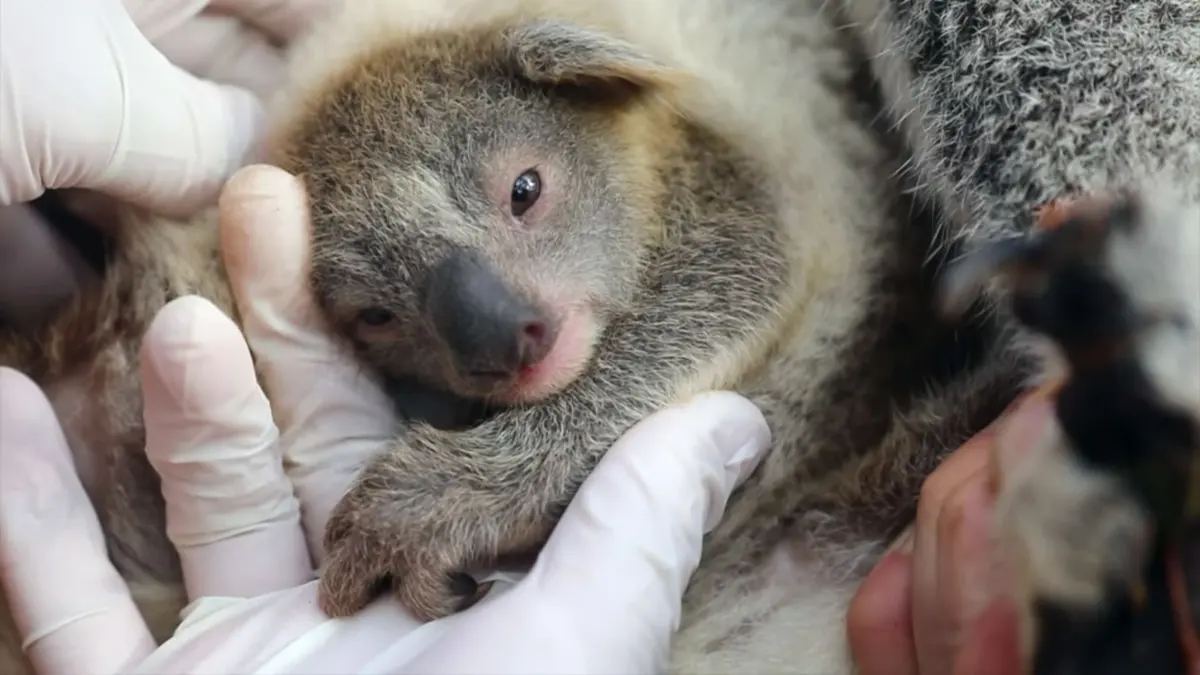
The development of a koala joey is a complex biological process that takes place largely outside the womb. After a short gestation period of approximately 35 days, the tiny, underdeveloped joey is born. It must then crawl unaided from the birth canal into the mother’s pouch, where it attaches to a teat to continue growing for several months.
- Birth: The joey is born hairless, blind, and roughly the size of a jellybean.
- Pouch life: The joey remains inside the pouch for about six to seven months, feeding on milk.
- Emergence: Once the joey grows fur and opens its eyes, it begins to poke its head out of the pouch.
- Back-riding: After leaving the pouch, the joey clings to the mother’s back for several more months until it becomes fully independent.
Why are multiple births so rare?
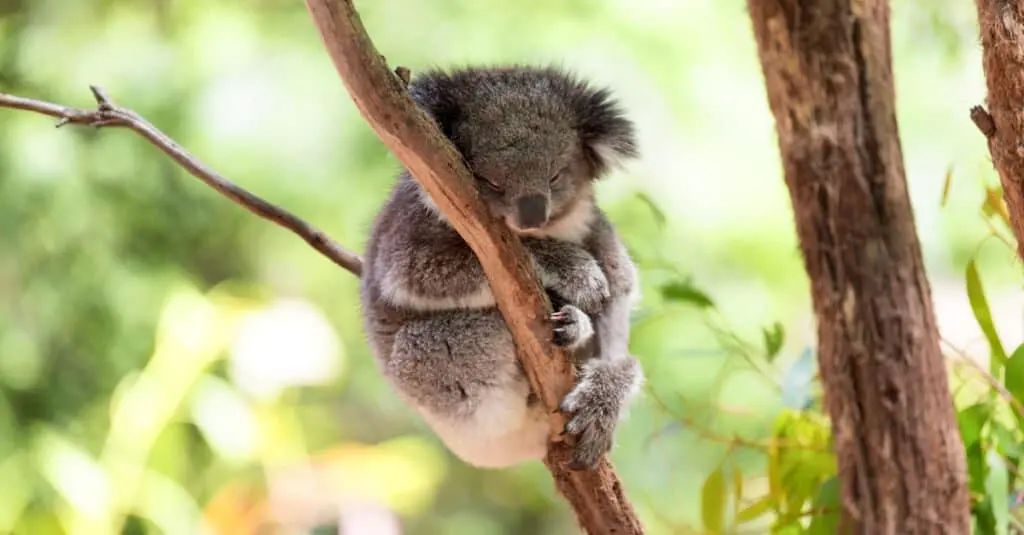
While many mammals frequently have litters, koalas are biologically structured to support only one infant. The mother’s pouch contains only two teats, but the physiological energy required to produce milk for two growing joeys is generally beyond the capacity of a female koala. Furthermore, the mother must carry the joey on her back once it outgrows the pouch, which would be physically taxing and dangerous for two growing youngsters.
In the rare instances where twins are born, the mother often struggles to provide enough nutrition for both. Because the joey requires a specific diet of "pap"—a specialized fecal substance produced by the mother—to transition to eucalyptus leaves, the logistics of feeding two offspring simultaneously are difficult. Consequently, most recorded cases of twins in the wild result in the survival of only one, or sometimes neither, of the joeys.
How do koalas care for their young?
Parental care in koalas is exclusively the responsibility of the mother. The father plays no role in the upbringing of the joey, and the mother must provide all protection, warmth, and sustenance. A critical stage in this care is the transition from milk to solid food, which is facilitated by the mother’s specialized digestive system.
- The mother produces pap, which contains essential microbes that allow the joey to digest toxic eucalyptus leaves.
- The mother keeps the joey close to her body to regulate its temperature during the early months.
- The mother teaches the joey how to navigate the canopy and select the most nutritious leaves.
- The mother protects the joey from predators like owls, eagles, and large reptiles by keeping it hidden against her fur.
Common mistakes when observing koalas
Many people mistakenly assume that seeing a small koala near a larger one means the mother has multiple joeys. In reality, a young koala may stay near its mother for up to a year, and a new joey might be born before the previous one has fully dispersed. This can lead to the false impression that a single mother is raising two joeys of the same age.
Another common error is approaching a mother and joey too closely in the wild. Stress can cause the mother to drop the joey or abandon it, which is fatal for the offspring. To avoid harming them, always observe from a respectful distance using binoculars rather than trying to get a close-up photograph. Never attempt to handle a joala, as they have sharp claws and can become aggressive if they feel their joey is threatened by human interference or loud, sudden movements.
Key facts
- Female koalas almost always give birth to only one baby, known as a joey, at a time.
- Twins are extremely rare in the wild and typically do not both survive due to the mother's limited milk supply.
- A newborn joey is about the size of a jellybean, weighing less than one gram.
- The joey remains inside the mother's pouch for approximately six to seven months after birth.
- After emerging from the pouch, the joey rides on its mother’s back for another six months.
- Avoid disturbing koalas in the wild, as stress can negatively impact their reproductive cycles and maternal care.
The bottom line
The koala is a slow-breeding marsupial that typically produces only one offspring per year. This low reproductive rate makes the species particularly vulnerable to environmental changes and habitat destruction. By understanding that joeys require over a year of dedicated maternal care to survive, we can better appreciate the importance of protecting their natural eucalyptus habitats to ensure the long-term viability of these unique Australian animals.
People also ask
How long is a koala's gestation period?
A koala's gestation period lasts only about 35 days. After this short time, the underdeveloped joey must crawl from the birth canal into the mother's pouch.
Do koalas have multiple breeding seasons?
Koalas typically have one breeding season per year, which occurs during the warmer months from August to February. During this time, males become more vocal and active in search of mates.
What do koalas eat after they leave the pouch?
Once a joey begins to emerge from the pouch, it first consumes a specialized substance called "pap," which is a form of maternal feces. This provides the joey with essential microbes needed to digest tough eucalyptus leaves.
How long does a joey stay with its mother?
A young koala usually stays with its mother for about 12 months in total. By the end of this period, the joey is fully weaned and ready to establish its own home range.
Are koalas considered endangered?
Yes, koalas are listed as endangered in many parts of Australia due to habitat loss, disease, and climate change. Conservation efforts focus on protecting their eucalyptus forest homes to ensure future generations.
Can you keep a koala as a pet?
No, it is illegal to keep koalas as pets. They are protected native wildlife that require specific diets and environments that cannot be replicated in a domestic setting.
This answer was created with the help of AI research tools and reference sources. Spotted an error? Let us know — we correct mistakes quickly. See our editorial policy.