How long do crows live?
Short answer
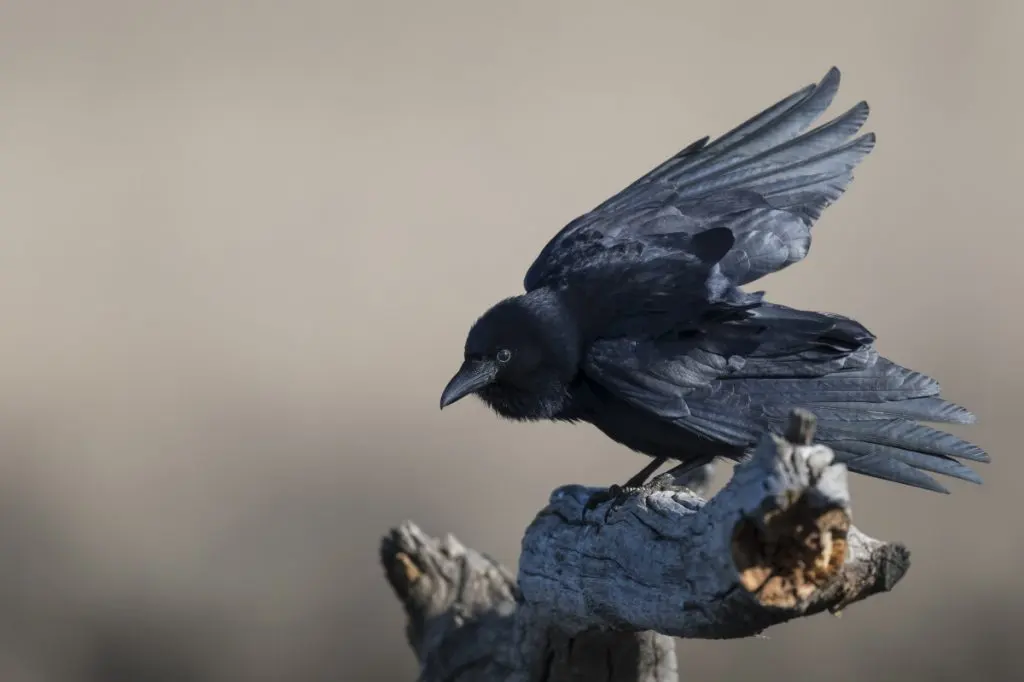
In the wild, American crows typically live between 7 and 8 years, though many individuals reach 10 to 15 years under favorable conditions. While captive crows have been documented living into their late twenties or early thirties, these instances are rare and usually occur in controlled environments with consistent nutrition and veterinary care.
On this page
How long do crows live in the wild?
The lifespan of a wild crow is heavily influenced by environmental pressures, predation, and disease. While the average life expectancy is often cited as 7 to 8 years, this figure is skewed by the high mortality rate of fledglings during their first year. Once a crow survives its initial year, its chances of reaching adulthood increase significantly.
Environmental factors play a critical role in determining longevity. Crows living in urban areas often face threats from traffic, domestic pets, and human-related hazards like pesticides. Conversely, rural crows may face higher risks from natural predators such as hawks, owls, and larger mammals. Despite these dangers, their high intelligence and social structure—living in family groups—help them avoid many common threats that would claim less observant species.
What factors affect crow lifespan?
Several biological and external variables dictate how long an individual bird survives. Genetics play a minor role, but the primary drivers are access to reliable food sources and the ability to maintain a stable territory. Crows are opportunistic omnivores, which allows them to adapt to changing food supplies, though this diet can sometimes lead to health issues if they rely too heavily on processed human waste.
Disease is another major factor, particularly West Nile virus, which has had a devastating impact on crow populations across North America since its arrival in 1999. Crows are highly susceptible to this virus, and outbreaks can cause localized population crashes. To understand the risks they face, consider these primary mortality factors:
- Predation by raptors, particularly during the nesting season.
- Exposure to environmental toxins, including lead and rodenticides.
- Collisions with vehicles, which account for a significant percentage of adult deaths.
- Viral infections that weaken the immune system and reduce foraging efficiency.
How do crows survive so long?
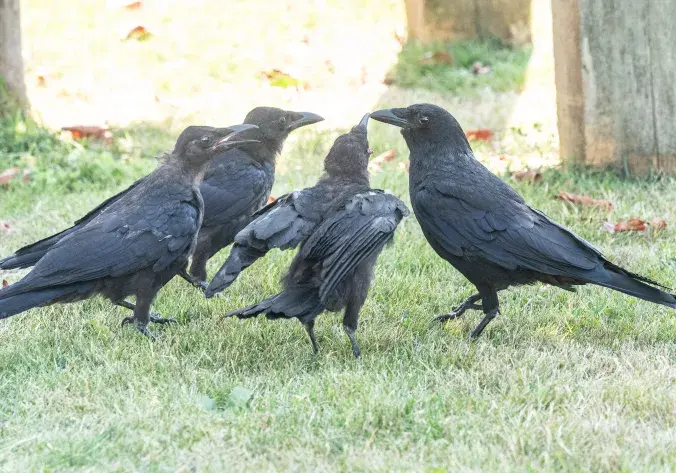
Crows possess a unique set of behavioral adaptations that contribute to their longevity. They are highly social creatures that communicate complex information to their kin, such as the location of food or the presence of a predator. This communal knowledge sharing protects the group and ensures that younger or weaker members learn survival strategies from elders.
Their cognitive abilities are among the most advanced in the avian world. Crows can recognize individual human faces, solve multi-step puzzles, and use tools to extract food from difficult locations. This problem-solving capacity allows them to bypass obstacles that would starve other birds. By maintaining a large, protective social network, they reduce the individual burden of vigilance, allowing more time for feeding and resting.
How to support crows in your backyard?
If you wish to observe crows in your garden, providing a safe environment is the best way to support their health. Consistency is key, as crows are creatures of habit that will return to reliable sources of food and water. However, it is important to avoid interfering with their natural behaviors or causing them to become overly dependent on human handouts.
Follow these steps to create a crow-friendly space:
- Provide a large, shallow birdbath that is cleaned regularly to prevent the spread of parasites.
- Offer high-protein foods like unsalted peanuts in the shell or suet during the harsh winter months.
- Keep your property free of toxic chemicals, such as lawn pesticides or rodent poisons that can harm birds.
- Maintain a respectful distance to ensure the birds do not lose their natural fear of humans, which is essential for their survival.
Common mistakes when observing crows
Many people unintentionally harm crows by attempting to treat them as pets or by feeding them inappropriate items. One of the most frequent errors is providing processed human food, such as bread, chips, or sugary snacks. These items lack the essential nutrients required for a crow's metabolic needs and can lead to developmental issues in young birds or long-term health decline in adults.
Another common mistake is attempting to "tame" wild crows by offering food directly from the hand. This behavior is dangerous for the bird because it encourages them to associate humans with food, making them vulnerable to people who may not have their best interests at heart. Furthermore, avoid leaving food out overnight, as this can attract unwanted pests like rats or raccoons, which may then compete with or prey upon the crows you intended to help. Always prioritize the bird's natural autonomy over your desire for close interaction.
Key facts
- In the wild, the average American crow typically lives between 7 and 8 years.
- Captive crows often live significantly longer, sometimes reaching 20 to 30 years due to consistent food and lack of predators.
- The oldest recorded wild American crow lived to be nearly 30 years old.
- Crows are highly social birds that rely on family groups for protection, which helps increase their survival rate.
- Avoid feeding crows processed human snacks like chips or bread, as these lack the nutrients required for a long, healthy life.
- Providing a clean, shallow birdbath in your yard can help local crows stay hydrated and maintain their feathers, supporting their overall health.
The bottom line
While the average wild crow lives about seven to eight years, their impressive intelligence and strong social bonds allow them to thrive in diverse environments. By providing a safe, natural habitat and avoiding processed foods, you can support the well-being of local crow populations. These resilient birds remain a fascinating example of how social cooperation and adaptability contribute to longevity in the avian world.
People also ask
Do crows mate for life?
Yes, American crows are generally monogamous and often remain with the same mate for many years. They work together to build nests, incubate eggs, and protect their territory from intruders.
How can you tell the age of a crow?
It is difficult to determine the exact age of an adult crow by sight alone. However, young crows have blue or gray eyes that turn dark brown or black as they mature.
Do crows have natural predators?
Crows face threats from hawks, owls, and eagles, especially when they are young or nesting. Snakes and raccoons also pose a danger by raiding crow nests for eggs or fledglings.
Why do crows gather in large groups?
Crows congregate in large groups, known as murders, primarily for safety and warmth during the winter months. These gatherings also allow them to share information about food sources and potential threats.
Are crows considered intelligent birds?
Crows are widely considered among the most intelligent birds in the world. They are capable of solving complex puzzles, using tools, and even recognizing individual human faces.
Do crows migrate?
Some crow populations migrate seasonally, while others remain in the same area year-round. Migration usually depends on the severity of the winter and the availability of food in their current territory.
This answer was created with the help of AI research tools and reference sources. Spotted an error? Let us know — we correct mistakes quickly. See our editorial policy.