What is a baby seal called?
Short answer
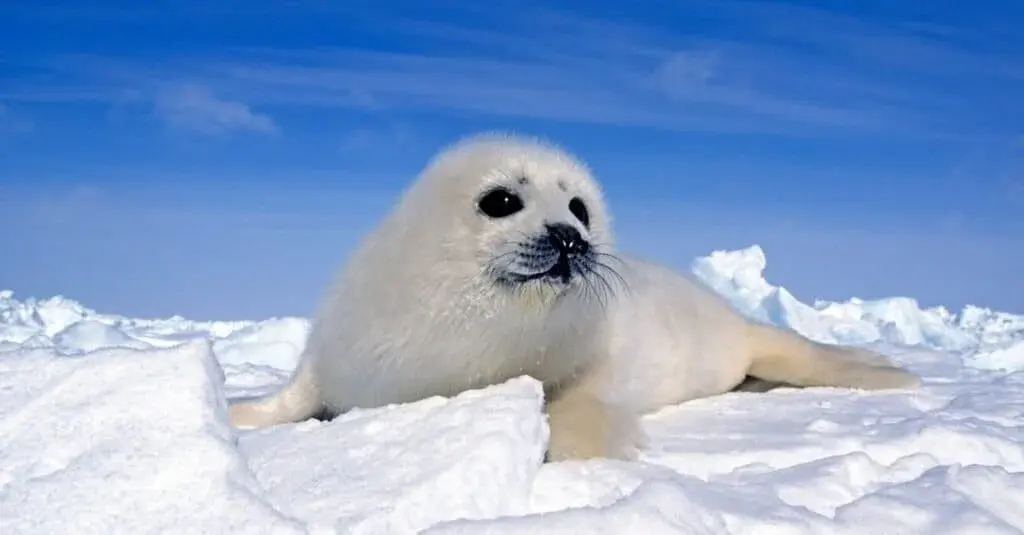
A baby seal is most commonly called a pup. While this term applies to the young of all seal species, specific names are often used for certain types, such as "whitecoat" for newborn harp seals. Regardless of the species, these young pinnipeds are dependent on their mothers for warmth and nutrition.
On this page
What is a baby seal called?
A baby seal is universally referred to as a pup. This term is standard across the scientific community and among wildlife enthusiasts when discussing any species within the pinniped family, which includes seals, sea lions, and walruses. While the general term is pup, regional or species-specific colloquialisms often emerge based on the animal's appearance or behavior during its earliest stages of life.
For example, the newborns of harp seals are famously known as whitecoats due to their dense, snowy-white fur. This specialized coat helps them camouflage against the Arctic ice, protecting them from predators while they gain the necessary blubber to survive in freezing waters. Other species may be referred to simply by their scientific family name until they reach maturity. Understanding these distinctions helps in identifying specific developmental stages in marine mammal populations.
How do baby seals develop?
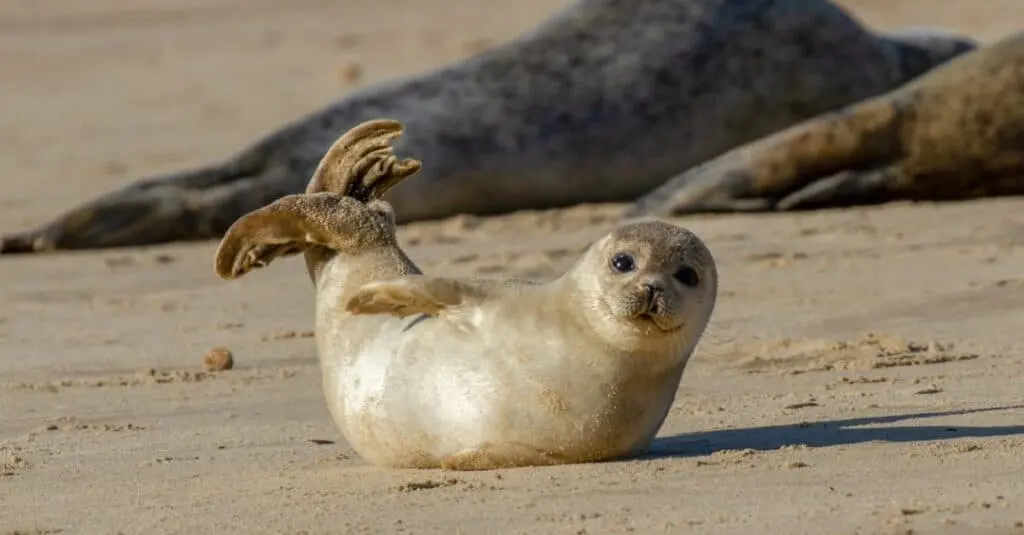
The development of a seal pup is a rapid process driven by the need for survival in harsh marine environments. Upon birth, most pups are born with a layer of insulating fur, though some species, like the hooded seal, shed their embryonic coat before or shortly after entering the world. Within a few weeks, the pup must transition from relying entirely on its mother’s high-fat milk to hunting for its own food.
The weaning process is notably quick compared to many other mammals. Depending on the species, this period can last anywhere from a few days to several months. During this time, the pup focuses on two primary goals:
- Building a thick layer of blubber for thermal regulation.
- Learning essential swimming and diving maneuvers.
- Developing the social skills required to interact with the colony.
As the pup gains weight, it prepares for the transition to independent life in the ocean. This phase is critical, as the pup must be physically prepared to handle the pressures of deep-sea foraging and the constant threat of predators like orcas and sharks.
Why do baby seals have white fur?
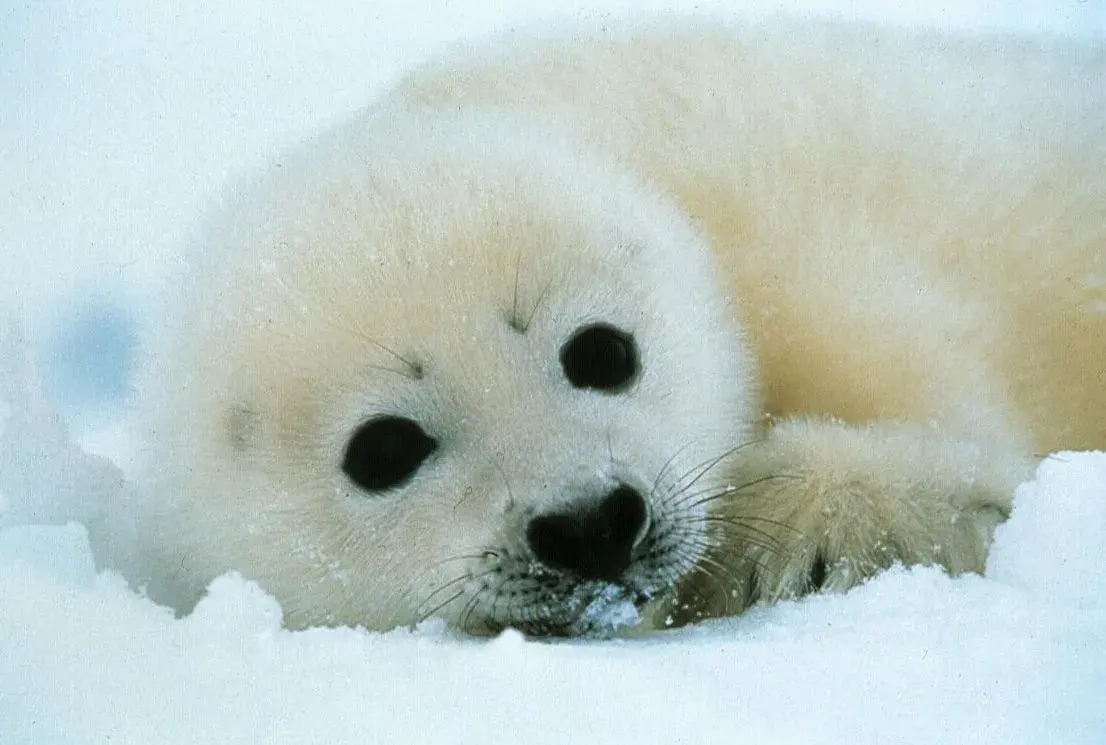
The iconic white fur seen on certain seal pups serves a vital biological function related to thermoregulation and survival. In the Arctic and Antarctic regions, the white color acts as a form of crypsis, allowing the pup to blend in seamlessly with the surrounding snow and ice. This camouflage is essential for avoiding detection by terrestrial predators such as polar bears or arctic foxes.
Beyond protection, the fur structure is designed to trap air, providing an extra layer of insulation against the biting cold. As the pup grows and begins to spend more time in the water, this natal coat is eventually molted and replaced by a sleeker, waterproof pelt. This transition is a significant milestone in the animal's life cycle. Failure to molt properly can lead to issues with buoyancy and temperature control, making the timing of this biological shift a key indicator of the pup's overall health and readiness for independent survival.
Common mistakes when observing seals
When encountering seals in the wild, observers must prioritize the safety of the animal over their own curiosity. A common mistake is approaching a pup that appears to be alone on a beach. In many cases, the mother is nearby in the water or has temporarily left to forage. Approaching or touching the pup can cause the mother to abandon it, which is often fatal for the young animal.
To ensure you are acting responsibly, follow these guidelines for safe wildlife observation:
- Maintain a distance of at least 100 yards, or use binoculars for a closer view.
- Keep dogs on a leash and away from the shoreline to prevent stress or injury.
- Never attempt to feed or move a pup, as this interferes with natural development.
- Report any injured or clearly distressed animals to local wildlife authorities rather than intervening yourself.
- Avoid making loud noises or sudden movements that might startle the animals.
How long does it take to reach maturity?
The path to adulthood varies significantly depending on the seal species. While some pups are independent within weeks, others may remain under maternal care for several months. Maturity is not merely about size; it involves reaching sexual maturity, which can take anywhere from three to seven years. During these intervening years, the young seal continues to refine its hunting techniques and social standing within the group.
Growth is fueled by the high-calorie diet provided during the nursing phase, which is rich in fats and proteins. Once weaned, the young seal must master the art of catching fish and crustaceans, a skill that requires significant practice and coordination. Survival rates during the first year of life are often low due to the challenges of finding food and avoiding predators. However, those that successfully navigate these early years often go on to live long lives, with some species reaching ages of 20 to 30 years in the wild.
Key facts
- A baby seal is most commonly referred to as a "pup."
- Some species, such as the harp seal, are specifically called "whitecoats" due to their thick, snowy-white fur.
- Newborn seals are born on land or ice, depending on the species, and are typically precocial, meaning they are mobile shortly after birth.
- Mothers identify their own pups through a unique scent and vocalization, which is crucial in crowded breeding colonies.
- Weaning periods vary significantly; hooded seal pups are weaned in as little as four days, while others may nurse for several weeks.
- Avoid approaching seal pups on the beach, as human presence can cause the mother to abandon the pup or lead to dangerous defensive behavior.
The bottom line
While the general term for a baby seal is a pup, specific species may have unique names like whitecoats. These animals are born with remarkable survival instincts, relying on high-fat milk for rapid growth. It is vital for observers to maintain a respectful distance from pups on the shore, as human interaction can inadvertently disrupt natural maternal care and threaten the long-term survival of the young seal.
People also ask
How long do seal pups stay with their mothers?
The duration depends on the species. Some species, like the hooded seal, have very short nursing periods of only a few days, while others, such as the harbor seal, may stay with their mothers for four to six weeks.
Do all baby seals have white fur?
No, only certain species, such as harp seals and hooded seals, are born with white lanugo fur. Many other species, including harbor and elephant seals, are born with darker, sleek coats that help them blend into their surroundings.
Can baby seals swim as soon as they are born?
Most seal pups are capable of swimming shortly after birth, though they are often hesitant at first. They must quickly learn to navigate the water to escape predators and follow their mothers.
What do mother seals feed their pups?
Mother seals provide their pups with extremely rich, high-fat milk. This milk allows the pup to gain weight rapidly, often doubling or tripling their body mass in just a few weeks.
What should I do if I find a seal pup alone on the beach?
If you see a pup alone, keep a significant distance and do not attempt to touch, feed, or move it. It is common for mothers to leave their pups on the shore while they hunt, and human interference can cause the mother to abandon the pup permanently.
How can you tell if a seal pup is in distress?
Signs of distress include visible injuries, lethargy, or signs of entanglement in fishing gear. If you observe these, contact local wildlife authorities or a professional marine mammal rescue organization rather than intervening yourself.
This answer was created with the help of AI research tools and reference sources. Spotted an error? Let us know — we correct mistakes quickly. See our editorial policy.