What is a baby goose called?
Short answer
A baby goose is called a gosling. This term applies to both male and female geese from the time they hatch until they reach maturity. While people sometimes mistakenly call them "geese chicks" or "baby ganders," the correct and widely accepted term in ornithology and common usage remains the gosling.
On this page
What is a gosling?
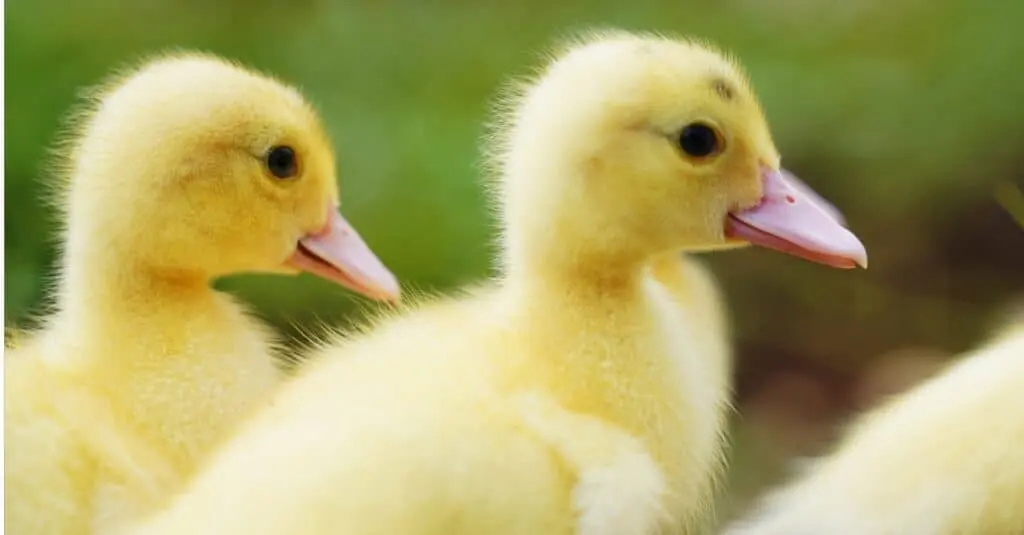
A gosling is a young goose that has recently hatched from an egg. These birds are precocial, meaning they are born in an advanced state and are capable of moving, swimming, and feeding themselves shortly after hatching. Unlike songbirds that remain in the nest for weeks, goslings follow their parents to water sources within 24 to 48 hours of emerging from the shell.
Physically, goslings are covered in soft, downy feathers that provide insulation against the elements. Their appearance changes rapidly as they grow, transitioning from a yellowish-gray fuzz to the more structured, waterproof plumage of an adult goose. During these first few months, they are highly dependent on the protection of their parents, who will aggressively defend the brood from potential predators such as foxes, hawks, or domestic dogs.
How do goslings grow and develop?
The development of a gosling is a rapid process driven by the need to reach flight capability before the onset of winter. During the first eight to ten weeks of life, a gosling increases its body mass significantly by foraging for grasses, aquatic plants, and seeds. By the end of this period, they develop their primary flight feathers, a stage often referred to as "fledging."
- Hatching: The gosling emerges from the egg using a specialized structure called an egg tooth.
- Imprinting: Within hours, the gosling identifies its parents and begins to follow them closely.
- Foraging: They learn to identify nutritious vegetation by watching the adult geese in their flock.
- Fledging: Around two months of age, the young goose gains the ability to fly.
Once they reach the fledgling stage, they are technically still juveniles but are no longer considered dependent goslings. They will remain with their family group throughout their first winter, learning migration routes and social behaviors essential for survival.
What do goslings eat?
Goslings are primarily herbivores, though they may occasionally consume small insects or crustaceans found in shallow water. Their diet consists mostly of tender grasses, sedges, and aquatic vegetation that is easy to digest. Because they are growing quickly, they spend the vast majority of their daylight hours grazing to meet their high caloric requirements.
- Fresh clover and lawn grasses
- Duckweed and other floating aquatic plants
- Seeds and grains found in shallow water
- Tender shoots of marsh plants
Providing supplemental food to wild goslings is generally discouraged by wildlife experts. Human food, such as bread, crackers, or popcorn, lacks the necessary nutrients for proper growth and can lead to a condition known as "angel wing." This deformity causes the wing feathers to grow abnormally, preventing the goose from ever being able to fly, which is a death sentence for a migratory bird.
Common mistakes when observing goslings
One of the most frequent errors people make is approaching a family of geese too closely. Adult geese are fiercely protective parents and may hiss, flap their wings, or charge at perceived threats to keep their goslings safe. Maintaining a distance of at least 30 feet is recommended to ensure the birds do not feel stressed or threatened by your presence.
Another common mistake is assuming that a gosling found alone is abandoned. In reality, the parents may be nearby, hidden in tall grass or submerged in the water. If you see a lone gosling, observe it from a distance for at least an hour before contacting a local wildlife rehabilitator. Interfering with a bird that is not truly orphaned can cause unnecessary stress and disrupt the natural bonding process between the parent and the young.
How to identify male and female goslings
Determining the sex of a gosling is notoriously difficult because they do not exhibit sexual dimorphism at a young age. Unlike some species where males and females have different colors, goslings of both sexes look identical. Even for experienced breeders, visual inspection is rarely enough to distinguish between a future gander and a future goose.
The most accurate method for determining sex is a process called "vent sexing," which should only be performed by a trained professional. This involves examining the cloaca of the bird to identify reproductive organs. For the average observer, the only way to know the sex is to wait until the bird reaches sexual maturity, usually after one or two years. At that point, behavioral differences become apparent, such as the gander’s tendency to stand guard while the female incubates the eggs.
Key facts
- A baby goose is officially called a gosling.
- Goslings are precocial, meaning they are born with down feathers and can walk and swim within 24 hours of hatching.
- Both male and female geese participate in raising goslings, with the female typically brooding them and the male standing guard.
- Goslings rely on their parents for protection from predators like foxes, hawks, and snapping turtles for several months.
- A group of goslings is often referred to as a brood or a gaggle when they are with their parents.
- To avoid imprinting issues, do not attempt to hand-rear wild goslings, as they may become unable to integrate into their natural social groups.
The bottom line
A gosling is the correct term for a young goose, a bird that is remarkably independent shortly after hatching. These resilient creatures rely on their parents for protection and guidance during their first few months of life. By understanding their natural development and dietary needs, observers can better appreciate the complex social structures and survival strategies that define the early life stages of these common waterfowl.
People also ask
How long does it take for a gosling to learn to fly?
Goslings typically begin to fly between 8 and 10 weeks of age. During this period, they grow their flight feathers and practice flapping their wings while running on water or land.
What do goslings eat in the wild?
They primarily consume grasses, aquatic plants, and small insects. As they grow, their diet shifts to include more grains, berries, and tougher vegetation found in their habitat.
How can you tell the sex of a gosling?
It is notoriously difficult to determine the sex of a gosling by sight alone. Professionals often use vent sexing or DNA testing to accurately identify whether a gosling is male or female.
Do goslings stay with their parents through the winter?
Yes, goslings usually remain with their parents throughout their first winter. They often migrate together and stay as a family unit until the following spring breeding season.
Are goslings born with teeth?
Goslings do not have true teeth, but they possess serrated edges on their beaks known as tomia. These structures help them grip and tear through tough blades of grass and aquatic vegetation.
Why do goslings follow their mother in a line?
This behavior is a survival mechanism called imprinting, which helps the goslings stay close to their primary caregiver. Following in a line minimizes the risk of stragglers being separated from the group and targeted by predators.
This answer was created with the help of AI research tools and reference sources. Spotted an error? Let us know — we correct mistakes quickly. See our editorial policy.