How long does the Grouse Grind take?
Short answer
Most hikers complete the Grouse Grind in 60 to 90 minutes. Elite athletes can finish the 2.9-kilometer trail in under 30 minutes, while casual hikers often take two hours or more. Your specific time depends on your physical fitness, trail congestion, and how frequently you stop to rest during the steep ascent.
On this page
How long does it take to hike the Grouse Grind?
The Grouse Grind is a 2.9-kilometer trail located on Grouse Mountain in North Vancouver, British Columbia. It features an elevation gain of 853 meters, earning it the nickname "Mother Nature’s Stairmaster." Because the trail consists of approximately 2,830 stairs, the duration is heavily influenced by your cardiovascular endurance and leg strength. While the average hiker takes about 90 minutes, there is no official time limit for completing the climb.
Hikers should track their progress using the quarter-markers installed along the route. These markers help you gauge your pace and manage your energy levels effectively. If you find yourself significantly behind your target time at the halfway point, you should adjust your intensity to avoid exhaustion. Remember that the final quarter of the hike is often the most challenging due to fatigue and the steepness of the terrain.
How to prepare for the Grouse Grind
Preparation is essential for a safe and successful ascent. Before attempting the hike, ensure you have appropriate footwear with good traction, as the wooden steps can become slippery when damp. It is also recommended to carry a small backpack with water and a light snack. Hydration is critical, especially on warm summer days when humidity levels on the mountain increase.
To improve your performance, consider the following training tips:
- Incorporate stair-climbing exercises into your weekly gym routine.
- Practice interval training to boost your aerobic capacity.
- Strengthen your core and glutes to handle the repetitive vertical movement.
- Break in your hiking shoes on shorter trails before tackling the Grind.
- Check the official Grouse Mountain website for trail closures or weather alerts.
Best time of day to hike the Grouse Grind
The trail is typically open from May through October, depending on snow conditions at the summit. Choosing the right time of day can significantly impact your experience and your finish time. Early mornings are generally the best time to hike, as the air is cooler and the trail is less crowded. Starting before 8:00 AM helps you avoid the heat of the day and the peak congestion that occurs in the afternoon.
If you choose to hike during the weekend, expect heavy foot traffic, which may force you to move at a slower, dictated pace. Weekday evenings are a popular alternative for locals, though you must ensure you have enough daylight to complete the hike safely. Always check the sunset time before departing, as the dense forest canopy makes the trail grow dark much faster than in open areas.
Common mistakes when hiking the Grouse Grind
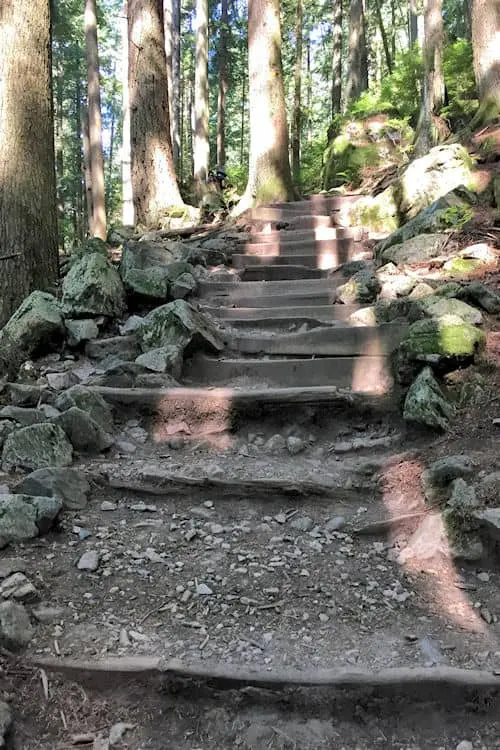
Many beginners underestimate the intensity of the Grind, leading to physical distress or injury. One of the most frequent errors is starting at a pace that is too fast. Because the first section is relatively accessible, hikers often burn through their energy reserves early, making the final, steeper sections nearly impossible to manage. Maintaining a sustainable, steady rhythm is far more effective than sprinting and stopping repeatedly.
Follow these steps to avoid common pitfalls during your ascent:
- Start slowly to allow your heart rate to adjust to the steep incline.
- Avoid stopping in the middle of the trail; step to the side to let faster hikers pass.
- Do not rely on the handrails for support, as they are often unstable or uneven.
- Keep your eyes on the path ahead to prevent tripping on uneven wooden logs.
- Carry a light jacket, as temperatures at the summit are often significantly lower than at the base.
Why the Grouse Grind is so difficult
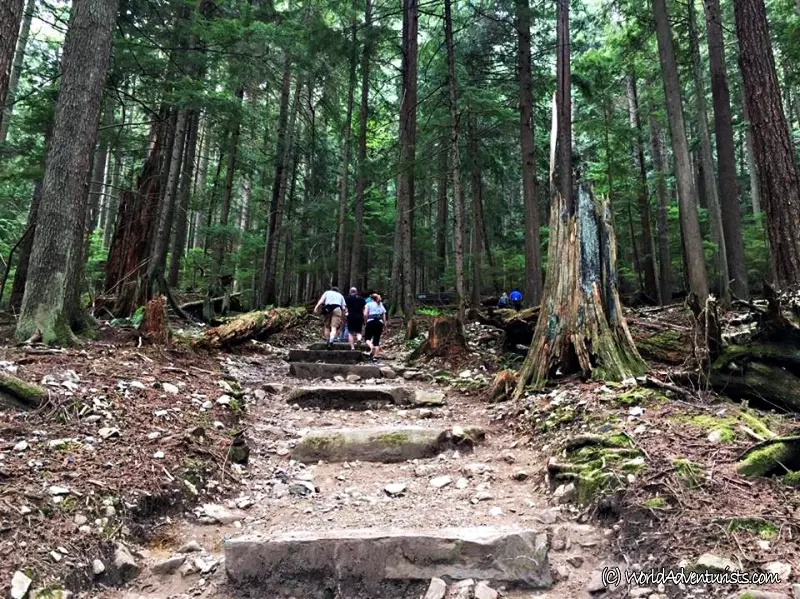
The difficulty of the Grouse Grind stems from its consistent, unrelenting grade. Unlike traditional mountain trails that feature switchbacks to manage elevation, the Grind goes straight up the mountain face. This constant vertical engagement puts immense pressure on your quadriceps, calves, and lungs. Even experienced hikers find the lack of flat recovery sections to be the primary challenge of the route.
Furthermore, the trail's popularity means you are often hiking in a line, which can disrupt your natural stride. If you are a slower hiker, being passed by trail runners can be discouraging, but it is important to stay focused on your own physical limits. By pacing yourself and respecting the mountain, you will eventually reach the summit, where you can take the Skyride gondola back down to the base. Completing the trail is a personal achievement that requires patience, preparation, and respect for the steep terrain.
Key facts
- The Grouse Grind is a 2.5-kilometer trail located on Grouse Mountain in North Vancouver, British Columbia.
- The trail features a vertical gain of 853 meters, climbing from 274 meters to 1,127 meters in elevation.
- Most hikers complete the trail in 60 to 90 minutes, though elite athletes can finish in under 30 minutes.
- The route consists of 2,830 stairs, making it a grueling cardiovascular workout often called "Mother Nature's Stairmaster."
- Hiking down the trail is strictly prohibited for safety reasons; visitors must take the Skyride gondola back down.
- Hikers should carry water and a phone, as the trail is steep, rugged, and requires a moderate to high fitness level.
The bottom line
The Grouse Grind is a challenging, iconic fitness climb that requires significant physical endurance to conquer its 2,830 stairs. While most hikers achieve their goal in under 90 minutes, the experience is more about personal pace than speed. Always prepare with proper footwear, hydration, and a plan for your descent via the gondola. Respect trail rules to ensure a safe and successful ascent of this mountain landmark.
People also ask
Is the Grouse Grind open year-round?
No, the trail typically closes in late autumn or early winter due to snow, ice, and hazardous conditions. It usually reopens in late spring once the trail has been cleared and deemed safe for public use.
Do I need to pay to hike the Grouse Grind?
Access to the trail itself is free, but you must purchase a ticket to ride the Skyride gondola down the mountain. If you choose to hike down via the BCMC trail, you do not need a ticket, but this path is equally challenging.
What should I wear for the hike?
Wear sturdy running shoes or light hiking boots with good traction, as the stairs can be slippery. Dress in moisture-wicking layers, as you will heat up quickly during the intense physical exertion.
Are dogs allowed on the Grouse Grind?
No, dogs are strictly prohibited on the Grouse Grind trail. This policy is in place to ensure hiker safety and to protect the local mountain environment.
Is the trail suitable for beginners?
While it is a popular public trail, it is physically demanding and not recommended for those with pre-existing heart or joint conditions. Beginners should start with easier local hikes to build the necessary stamina before attempting the Grind.
What is the best time of day to hike?
Early morning is ideal to avoid the midday heat and the largest crowds. Weekday evenings are also popular, but ensure you have enough daylight to complete the climb before sunset.
This answer was created with the help of AI research tools and reference sources. Spotted an error? Let us know — we correct mistakes quickly. See our editorial policy.