What is the tallest mountain in the world?
Short answer
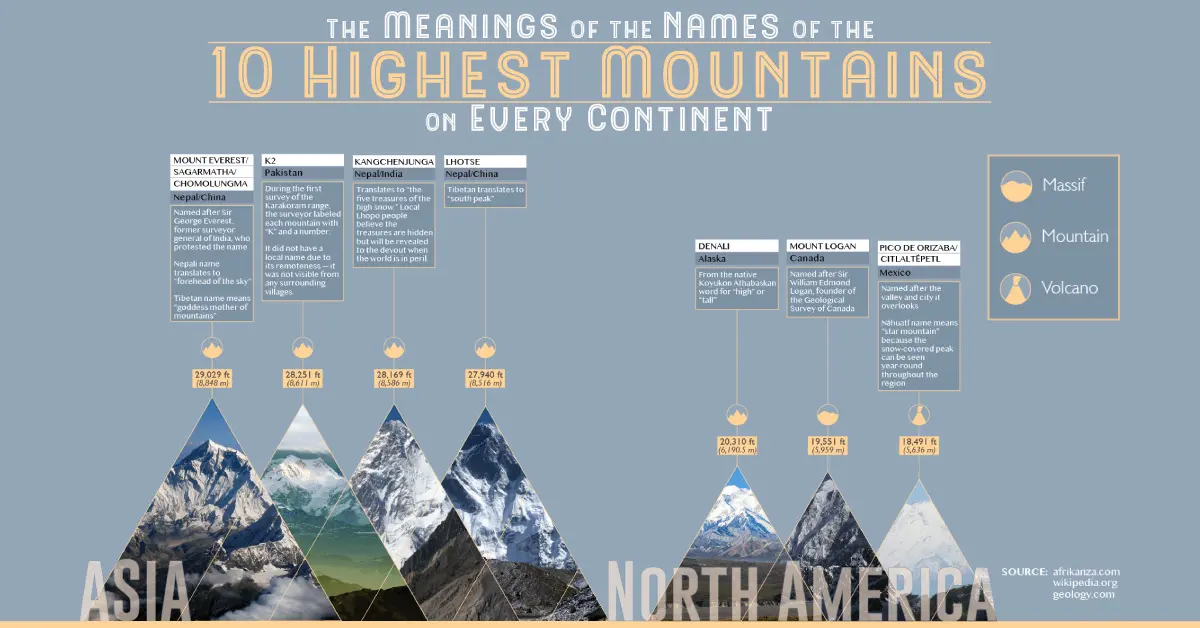
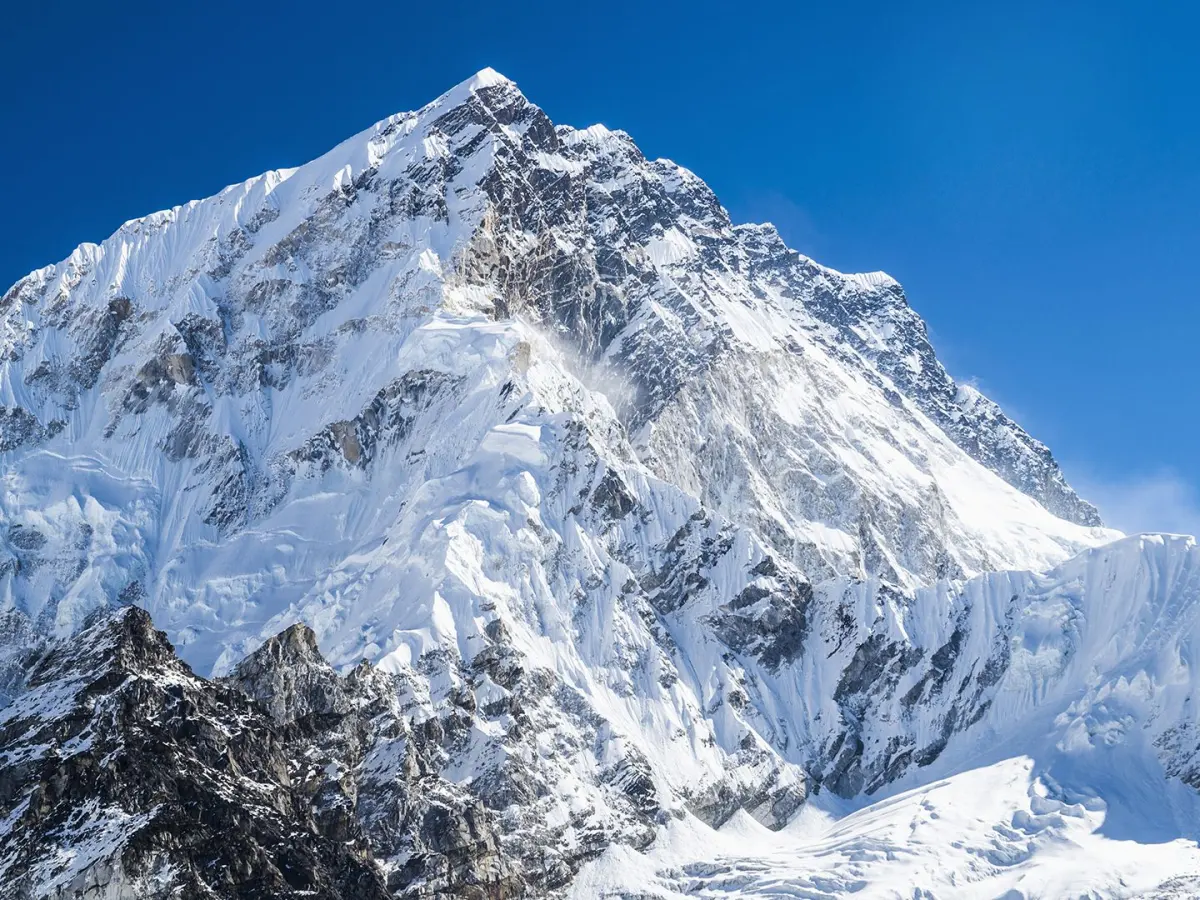
Mount Everest is the tallest mountain in the world when measured by elevation above sea level, reaching 29,032 feet (8,849 meters). Located in the Himalayas on the border between Nepal and China, it remains the ultimate goal for high-altitude mountaineers despite the extreme physical challenges posed by its thin atmosphere and volatile weather.
On this page
How is the height of a mountain measured?
Measuring a mountain's height depends entirely on the reference point used. The most common method, elevation above sea level, identifies Mount Everest as the tallest point on Earth. Scientists determine this by using a combination of GPS technology, satellite imagery, and historical surveying data to calculate the distance from the mean sea level to the peak.
However, other metrics provide different results depending on the criteria applied. If measuring from the base to the peak, Mauna Kea in Hawaii is technically taller than Everest. While its summit is only 13,803 feet above sea level, its base sits on the ocean floor, making its total vertical rise approximately 33,500 feet. Additionally, because the Earth bulges at the equator, Mount Chimborazo in Ecuador is the point on the planet closest to the stars, even though its elevation above sea level is significantly lower than Everest's.
What is the history of climbing Mount Everest?
The quest to reach the summit of Mount Everest began in the early 20th century, though early attempts were plagued by poor equipment and lack of oxygen. It was not until May 29, 1953, that Sir Edmund Hillary and Tenzing Norgay became the first confirmed individuals to stand on the summit. Their success marked a turning point in mountaineering history, proving that human endurance could overcome the "Death Zone" located above 26,000 feet.
Since that historic expedition, thousands of climbers have reached the top, though the mountain remains incredibly dangerous. Modern expeditions typically follow one of two primary routes:
- The South Col route from Nepal, which is the most popular and historically significant path.
- The North Ridge route from Tibet, which is often colder and more exposed to high-velocity winds.
- The West Ridge, which is rarely attempted due to its technical difficulty and extreme objective hazards.
How long does it take to climb Everest?
Climbing Mount Everest is a massive logistical undertaking that requires significant time for physical and mental preparation. A typical expedition lasts approximately two months. This duration is not spent climbing constantly; rather, it is necessary for acclimatization. The human body requires time to adjust to the decreasing oxygen levels at higher altitudes to prevent life-threatening conditions like altitude sickness.
The process generally follows a structured timeline:
- Arrival at Everest Base Camp, which takes about 10 to 14 days of trekking.
- Several weeks of "rotations," where climbers move up to higher camps and return to lower ones to build red blood cells.
- The final summit push, which usually takes four to five days from the base camp to the top and back.
- A descent that must be executed quickly to avoid exhaustion and the depletion of oxygen supplies.
Common mistakes when planning an expedition
The most dangerous mistake a climber can make is underestimating the severity of the mountain's environment. Many individuals attempt to scale Everest without sufficient high-altitude experience, leading to poor decision-making when conditions deteriorate. Relying solely on a guide service without verifying their safety record or equipment standards is another frequent error. Climbers must ensure they are physically conditioned for months before arriving, focusing on cardiovascular endurance and strength training.
Another common pitfall is the failure to respect the "turnaround time." Many climbers become fixated on the summit and ignore the clock, continuing their ascent even when they should be heading back to ensure they reach a safe camp before dark. This often leads to running out of supplemental oxygen or becoming trapped in a storm. Always prioritize the descent over the summit, as the majority of accidents occur during the return trip when climbers are already physically and mentally depleted.
Why does the weather change so quickly?
Mount Everest is located in a region where the jet stream frequently dips, creating winds that can exceed 100 miles per hour. These winds can strip away tents, cause severe frostbite, and make climbing impossible. Because of the mountain's immense height, it essentially pierces the upper atmosphere, meaning it is subject to weather patterns that do not affect lower-altitude regions. Even on clear days, the temperature can drop well below negative 40 degrees Fahrenheit.
Predicting the weather on Everest is notoriously difficult, which is why most successful summit attempts are confined to a narrow window in May. During this time, the monsoon season has not yet arrived, and the jet stream often shifts slightly, creating a brief period of calmer winds. Climbers must remain patient and wait for these specific windows, as attempting to climb during a storm is almost universally fatal. Understanding these meteorological constraints is the most critical factor in ensuring a safe and successful journey to the top of the world.
Key facts
- Mount Everest is the highest mountain above sea level, reaching an elevation of 29,032 feet (8,849 meters).
- Mauna Kea in Hawaii is technically the tallest mountain from base to peak, measuring over 33,500 feet, though much of it is underwater.
- Mount Chimborazo in Ecuador has the peak farthest from the Earth's center due to the equatorial bulge.
- The summit of Mount Everest sits on the border between Nepal and China in the Himalayas.
- Climbers often use supplemental oxygen above 26,000 feet, known as the "Death Zone," to survive the thin atmosphere.
- Avoid underestimating the weather; high-altitude winds on Everest can exceed 100 miles per hour, making ascent windows very narrow.
The bottom line
While Mount Everest holds the title for the highest elevation above sea level, the definition of "tallest" depends on how you measure. Whether calculating from sea level, base to peak, or distance from the Earth's center, these geological giants represent the extremes of our planet. Understanding these distinctions helps clarify why different mountains claim unique records in the fields of geography and mountaineering science today.
People also ask
How long does it take to climb Mount Everest?
A typical expedition lasts about two months, including the time required for travel to base camp and necessary acclimatization. Climbers spend weeks adjusting to the altitude before attempting the final push to the summit.
Is Mount Everest still getting taller?
Yes, tectonic activity continues to push the Himalayas upward at a rate of approximately 4 millimeters per year. This growth is partially offset by erosion and gravity, which pull the mountain down over time.
Can anyone climb Mount Everest?
While technically possible for experienced mountaineers, it requires years of high-altitude training, significant physical conditioning, and substantial financial investment. Most climbers must hire professional guides and Sherpas to navigate the complex terrain and logistical challenges.
What is the biggest danger when climbing Everest?
The most significant risks include altitude sickness, unpredictable avalanches, and extreme weather shifts. The lack of oxygen at high altitudes impairs judgment, making even simple tasks dangerous for exhausted climbers.
Who were the first people to reach the summit?
Sir Edmund Hillary of New Zealand and Tenzing Norgay, a Sherpa of Nepal, were the first confirmed individuals to reach the summit. They achieved this historic feat on May 29, 1953.
Why do climbers leave trash on the mountain?
The extreme conditions and physical exhaustion make it difficult for climbers to carry heavy gear back down. While cleanup efforts are ongoing, the high volume of visitors has historically led to significant waste accumulation at higher camps.
This answer was created with the help of AI research tools and reference sources. Spotted an error? Let us know — we correct mistakes quickly. See our editorial policy.