How long do dogs live?
Short answer
Most dogs live between 10 and 13 years, though lifespans vary significantly based on breed, size, and genetics. Smaller breeds often live into their mid-teens, while giant breeds frequently have shorter lifespans of 7 to 10 years. Proper nutrition, regular veterinary care, and consistent exercise are the most critical factors in longevity.

On this page
How long do different dog breeds live?
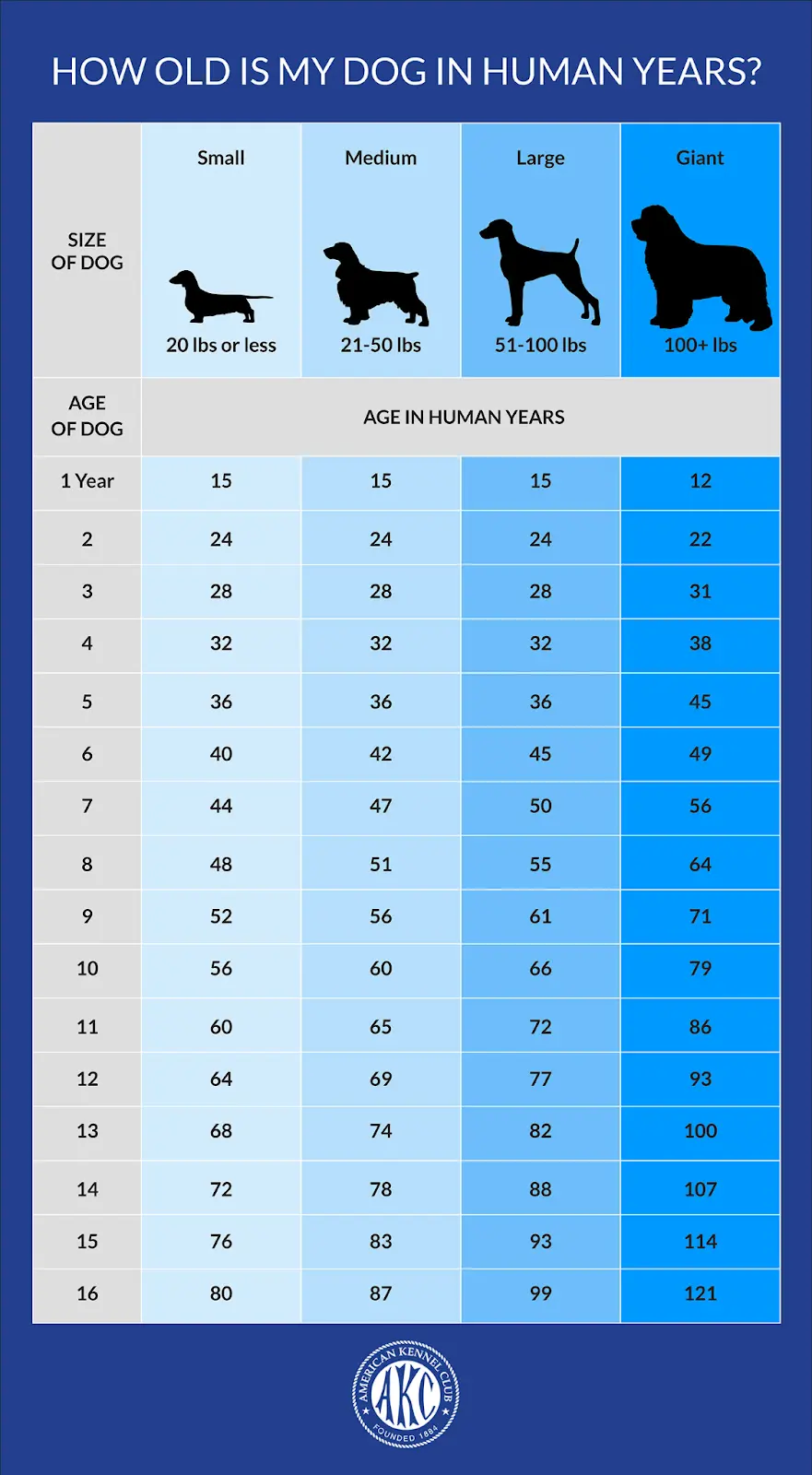
The lifespan of a dog is strongly correlated with its size and genetic heritage. Generally, smaller dogs like Chihuahuas or Toy Poodles enjoy longer lives, often reaching 15 to 17 years. Conversely, larger breeds such as Great Danes or Saint Bernards typically have shorter lifespans, often ranging from 7 to 10 years. This inverse relationship between size and longevity is a unique biological phenomenon in the canine world.
Breed-specific health predispositions also play a significant role in determining how long a dog will live. Purebred dogs are often susceptible to inherited conditions that can impact their overall health and life expectancy. For example, some breeds are prone to cardiac issues, while others may face risks related to joint health or respiratory complications. Understanding your dog’s breed profile is essential for anticipating potential health challenges before they become life-threatening.
- Small breeds: 12–17 years
- Medium breeds: 10–13 years
- Large breeds: 8–12 years
- Giant breeds: 7–10 years
Why do some dogs live longer than others?
Genetics provide the baseline for a dog's lifespan, but environmental factors often dictate whether a dog reaches its full potential. A dog’s environment includes its living conditions, exposure to toxins, and the quality of care provided by its owners. Dogs that live indoors, receive consistent mental stimulation, and maintain a healthy body weight are statistically more likely to live longer than those that do not.
Lifestyle choices also influence the aging process significantly. Dogs that have access to regular, age-appropriate exercise maintain better cardiovascular health and muscle tone, which supports their skeletal structure as they age. Additionally, spaying or neutering has been shown to reduce the risk of certain reproductive cancers, effectively extending the lifespan of many dogs. By controlling these variables, owners can create an environment that promotes longevity and minimizes the impact of aging.
How to increase your dog's life expectancy
Providing high-quality care is the most effective way to extend your pet’s life. Preventive medicine is the cornerstone of longevity, as it allows veterinarians to catch chronic conditions like kidney disease or diabetes in their early, manageable stages. Consistency in daily routines, including feeding schedules and exercise, helps reduce stress and keeps the dog's biological systems functioning optimally.
- Schedule annual or bi-annual veterinary wellness exams to monitor health trends.
- Maintain a strict weight management plan to prevent obesity-related complications.
- Provide high-quality, nutritionally balanced food appropriate for your dog’s life stage.
- Keep up to date with core vaccinations and parasite prevention, such as heartworm and flea medication.
- Offer regular mental enrichment, such as puzzle toys or training, to keep the brain sharp.
Common mistakes when caring for aging dogs
One of the most frequent errors owners make is assuming that a dog’s slowing pace is simply "old age" rather than a sign of a treatable condition. Many owners overlook subtle changes, such as a slight limp or a decrease in appetite, which can be early indicators of arthritis or dental disease. Ignoring these signs can lead to unnecessary suffering and a shortened lifespan.
Another common mistake is failing to adjust a dog's diet as it enters its senior years. Older dogs have slower metabolisms and different nutritional requirements compared to puppies or active adults. Continuing to feed a high-calorie diet can lead to obesity, which puts immense strain on an aging heart and joints. Owners should consult their veterinarian to transition to senior-specific formulas that support cognitive function and joint health.
Best ways to monitor your dog's health
Monitoring your dog requires a proactive approach that combines daily observation with professional medical guidance. You should become familiar with your dog's "normal"—their baseline energy levels, breathing patterns, and bathroom habits. When you notice a deviation from this norm, it is important to document the changes and consult a professional. Early intervention is almost always more successful and less invasive than treating advanced illness.
- Check your dog's teeth regularly for signs of tartar buildup or gum inflammation.
- Monitor for unexplained lumps or bumps during grooming sessions.
- Observe changes in water consumption or urination frequency, as these can indicate metabolic issues.
- Watch for changes in behavior, such as increased anxiety or confusion, which may indicate cognitive decline.
By staying vigilant and maintaining a strong relationship with your veterinarian, you can ensure that your dog lives a comfortable, healthy life for as long as possible.
Key facts
- Small dog breeds, such as Chihuahuas, often live 15 to 17 years, significantly longer than giant breeds.
- Giant breeds like Great Danes typically have shorter lifespans, often ranging from 7 to 10 years.
- Maintaining a healthy weight is the single most effective way to extend a dog’s life by reducing strain on joints and organs.
- Regular dental cleanings prevent periodontal disease, which can lead to systemic infections affecting the heart and kidneys.
- Spaying or neutering your pet can reduce the risk of certain reproductive cancers and curb roaming behaviors that lead to accidents.
- Annual wellness exams allow veterinarians to detect chronic conditions like diabetes or kidney disease before they become life-threatening.
The bottom line
While genetics play a major role in a dog's lifespan, proactive care remains the most powerful tool for owners. By prioritizing a balanced diet, consistent weight management, and regular veterinary screenings, you can significantly improve your pet's quality of life. Understanding your specific breed's needs and addressing health issues early ensures that your canine companion stays active, comfortable, and happy for as many years as possible.
People also ask
Do mixed-breed dogs live longer than purebred dogs?
Generally, mixed-breed dogs often live longer due to "hybrid vigor," which reduces the likelihood of inheriting breed-specific genetic disorders. However, individual health, diet, and lifestyle remain the most significant factors in determining longevity regardless of lineage.
At what age is a dog considered a senior
Dogs are typically classified as seniors when they reach the last 25 percent of their expected lifespan. For small breeds, this usually occurs around age 10 or 11, while giant breeds may be considered seniors as early as age 6 or 7.
How can I tell if my dog is overweight?
You should be able to feel your dog’s ribs easily without pressing hard and see a visible waistline when looking from above. If you cannot feel the ribs or notice a sagging abdomen, consult your veterinarian to establish a safe weight-loss plan.
Does exercise help a dog live longer?
Yes, consistent physical activity keeps a dog's heart strong, maintains muscle mass, and prevents obesity-related illnesses. Tailor the intensity of exercise to your dog's age and breed to avoid overexertion or injury.
Why do smaller dogs live longer than larger dogs?
Scientists believe the rapid growth rates of large breeds may contribute to earlier cellular aging and a higher susceptibility to age-related diseases. Smaller dogs age at a slower biological pace, allowing them to maintain organ function for more years.
What are the most common signs of aging in dogs?
Common signs include cloudiness in the eyes, graying fur around the muzzle, reduced stamina, and difficulty navigating stairs. You may also notice changes in appetite or increased sensitivity to temperature fluctuations.
This answer was created with the help of AI research tools and reference sources. Spotted an error? Let us know — we correct mistakes quickly. See our editorial policy.