Where do river otters live?
Short answer
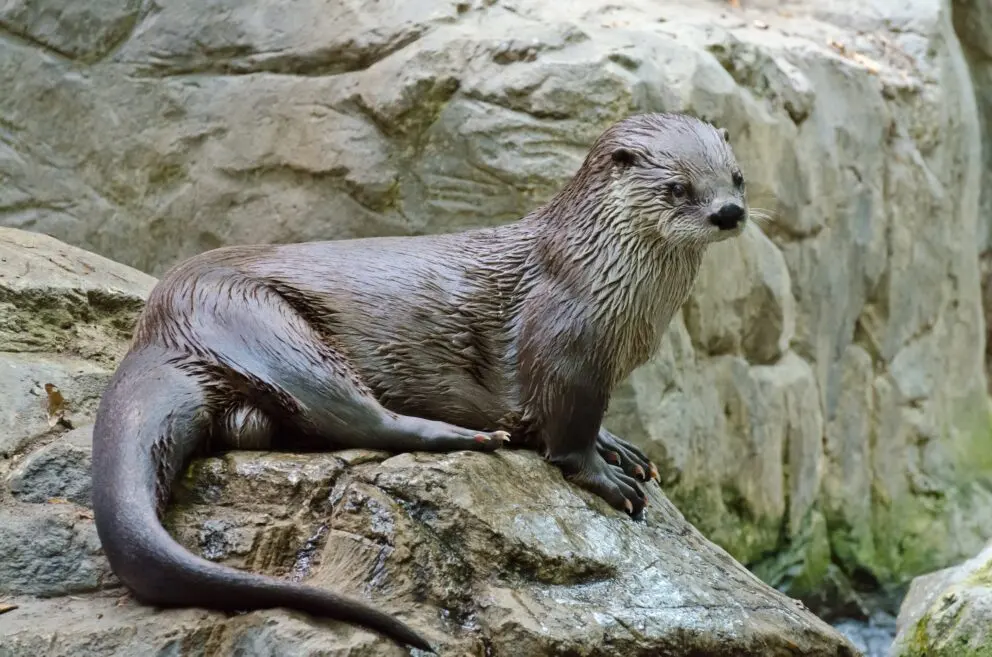
North American river otters live throughout most of the United States and Canada, inhabiting diverse freshwater and coastal environments. They thrive in rivers, lakes, ponds, marshes, and estuaries. While they prefer areas with abundant prey and stable shorelines, they are highly adaptable animals capable of traveling long distances across varied terrain.
On this page
Where do river otters live in the wild?
North American river otters are widely distributed across the continent, occupying nearly every major waterway system from the Arctic coast to the Gulf of Mexico. They are semi-aquatic mammals, meaning they require both land and water to survive. You will typically find them in permanent bodies of water that provide sufficient food sources, such as fish, crustaceans, and amphibians. Their range encompasses diverse ecosystems, including boreal forests, temperate rainforests, and expansive river deltas.
While they are highly adaptable, they generally prefer habitats with stable, vegetated shorelines. These areas offer essential protection from predators and provide natural denning sites. They are not strictly limited to freshwater; they also inhabit brackish estuaries and sheltered coastal areas where they can hunt for marine prey. Their presence in a specific location is often dependent on the health of the local fish population and the quality of the water, as they are sensitive to high levels of pollution.
How to identify river otter habitats
Identifying a potential river otter home requires looking for specific environmental cues near the water's edge. Otters are social and active animals that leave behind distinct traces of their presence. When searching for their habitats, look for the following indicators:
- Mud slides or "slides" on steep banks where otters have repeatedly entered the water.
- Latrine sites, which are communal areas where otters deposit spraint, often found on logs or rocky points.
- Den entrances, which are usually located under tree roots, in hollow logs, or abandoned beaver lodges.
- Worn trails leading from the water into dense vegetation or forest cover.
These signs indicate that the area is being actively used by a family group or an individual. Because they are mobile, they may rotate between several different denning sites within their home range to avoid over-hunting a specific area or to escape localized disturbances.
Why river otters choose specific locations
River otters select their territories based on three primary factors: food availability, water quality, and structural complexity. They are opportunistic predators that consume a wide variety of prey, so they gravitate toward areas with high biodiversity. A healthy ecosystem with plenty of fish, crawfish, and frogs is a strong indicator of a suitable otter habitat. They also require clean water to maintain their fur, which must remain insulated and waterproof to survive cold temperatures.
Structural complexity is equally important. They need places to hide, rest, and raise their young. Fallen trees, rock crevices, and dense thickets provide the necessary cover to keep them safe from terrestrial predators like coyotes or bobcats. Furthermore, they often utilize structures built by other animals, such as beaver dams or lodges. By living near these sites, they benefit from the deep, still water that beavers create, which often holds a higher density of fish than fast-moving streams.
Common mistakes when looking for otters
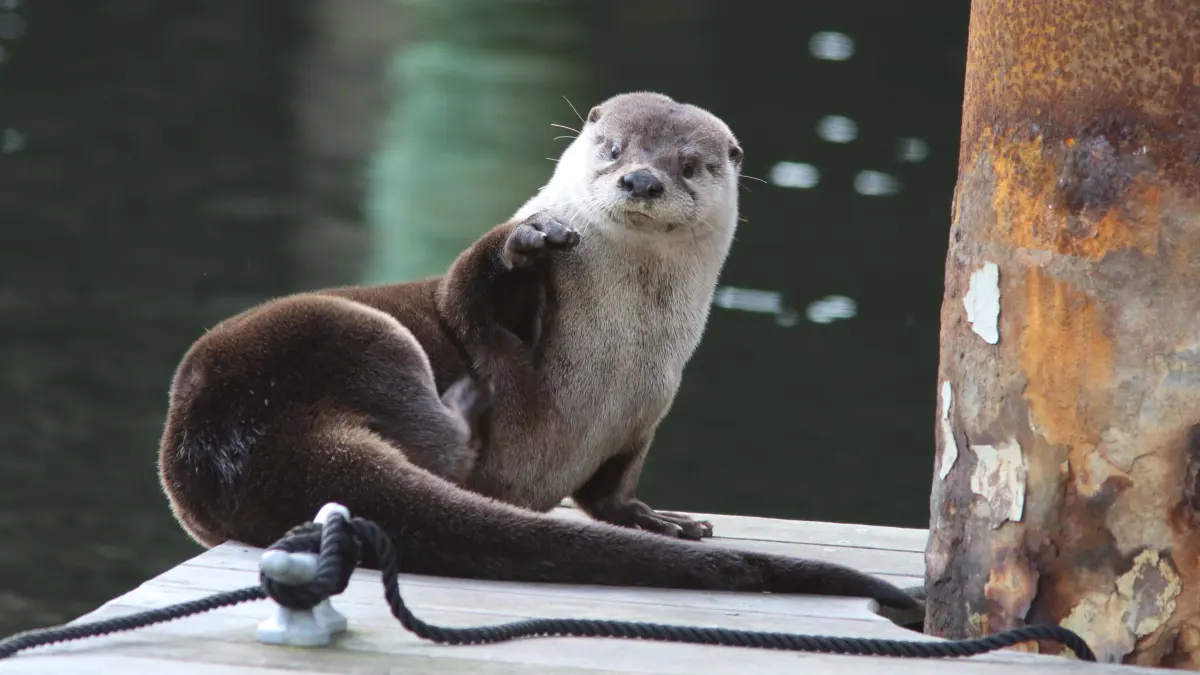
Many observers struggle to spot river otters because they look in the wrong places or behave in ways that drive the animals away. One common mistake is assuming that otters only live in pristine, remote wilderness. In reality, they are remarkably tolerant of human presence and can be found in suburban ponds or city riverfronts if the water quality is sufficient. Do not overlook smaller, quieter waterways that might seem too insignificant to support a large mammal.
Another error is failing to consider the time of day or season. Otters are most active during dawn and dusk, though they can be seen during the day in quiet areas. If you are searching for them, follow these guidelines:
- Maintain a distance of at least 50 feet to avoid startling them.
- Use binoculars to scan the shoreline rather than walking directly along the bank.
- Stay downwind to prevent your scent from alerting them to your presence.
- Remain quiet and still for at least 20 minutes to allow the local wildlife to settle.
How to protect river otter environments
Protecting river otter populations begins with maintaining the health of the watersheds they inhabit. Because they are at the top of the aquatic food chain, they are "indicator species," meaning their health reflects the overall state of the environment. If you live near a waterway, you can help by reducing the use of pesticides and fertilizers that can runoff into the water and degrade the habitat. Preserving natural shoreline vegetation is also critical, as it prevents erosion and provides the cover otters need for their dens.
Community involvement is another effective way to support these animals. Many local conservation groups organize river cleanup events to remove trash and debris that can entangle otters or pollute their hunting grounds. By advocating for the protection of wetlands and supporting policies that limit industrial discharge into rivers, you contribute to a sustainable future for these charismatic mammals. Ensuring that these habitats remain connected and undisturbed is the best way to guarantee that river otters continue to thrive in their natural range for generations to come.
Key facts
- North American river otters inhabit diverse freshwater and coastal environments, including rivers, lakes, marshes, and estuaries.
- These animals require high-quality water sources with abundant prey, such as fish, crustaceans, and amphibians.
- They maintain multiple den sites, often repurposing abandoned burrows from beavers, muskrats, or groundhogs.
- River otters are highly sensitive to water pollution and serve as key biological indicators of ecosystem health.
- To spot them, look for "slides"—smooth, worn-down paths on muddy or snowy riverbanks used for travel and play.
- Avoid approaching otters in the wild, as they are territorial and can become aggressive if they feel threatened or cornered.
The bottom line
River otters are highly adaptable, semi-aquatic mammals found throughout diverse North American waterways, from inland lakes to coastal estuaries. They rely on clean environments with abundant prey and secure denning sites. While they are social and playful, they remain wild animals that require undisturbed habitats. Protecting water quality is essential for their survival, as these charismatic predators serve as vital indicators of a healthy, functioning ecosystem.
People also ask
Do river otters live in saltwater?
While they prefer freshwater, North American river otters are semi-aquatic and frequently inhabit brackish estuaries and coastal marine environments. They possess specialized glands that help them process salt, allowing them to hunt in near-shore ocean waters.
How large is a river otter's home range?
A single otter may patrol a home range spanning 5 to 20 miles of waterway, depending on food availability. Males typically maintain larger territories than females, especially during the breeding season.
Are river otters social animals?
Yes, they are highly social and often live in family groups consisting of a mother and her offspring. They communicate through a complex series of chirps, whistles, and grunts to maintain group cohesion.
Do river otters migrate?
They do not migrate in the traditional sense but will travel long distances overland to find better food sources or new territory. If a local water source dries up or becomes polluted, they will relocate to a more suitable habitat.
Can river otters live in urban areas?
They are surprisingly adaptable and can thrive in urban waterways if the water is clean and fish populations are stable. However, they require secluded, undisturbed areas along the banks to den and raise their young.
How do river otters stay warm in cold water?
They possess an extremely dense, water-repellent fur coat that traps a layer of air against their skin. This insulation, combined with a thick layer of subcutaneous fat, allows them to remain active in freezing temperatures.
This answer was created with the help of AI research tools and reference sources. Spotted an error? Let us know — we correct mistakes quickly. See our editorial policy.