What is a baby otter called?
Short answer
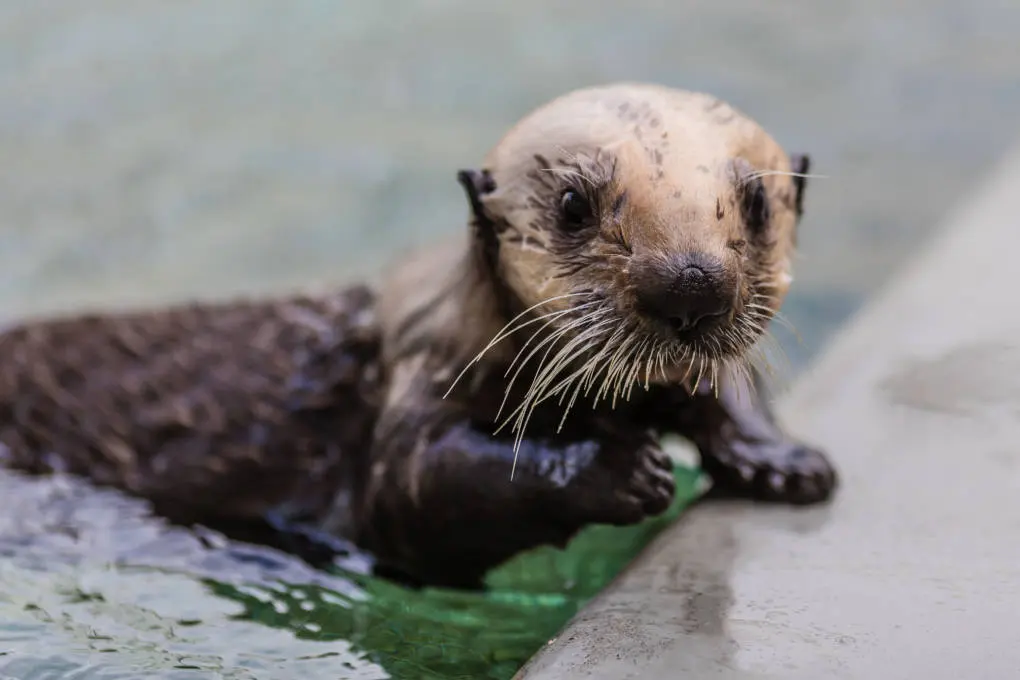
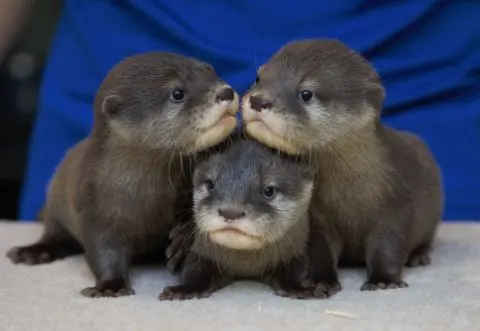
A baby otter is called a pup. In some regions, they are also referred to as kittens or whelps. These terms apply to all thirteen species of otters found globally. Born in a den or a floating raft of kelp, a pup relies entirely on its mother for survival during its early development.
On this page
What is a baby otter called?
A baby otter is officially known as a pup. While "pup" is the most common and widely accepted term among biologists and wildlife experts, you may occasionally hear them called kittens or whelps. These terms are used interchangeably across the various species, ranging from the small Asian small-clawed otter to the massive giant otter of the Amazon. Regardless of the specific species, the term pup remains the standard nomenclature in scientific literature and conservation efforts.
The terminology used for baby otters is consistent with many other members of the Mustelidae family, which includes weasels, badgers, and ferrets. Because these animals share similar reproductive and developmental traits, the term pup is used to describe their offspring across these related groups. Understanding these basic terms helps enthusiasts and researchers communicate clearly when discussing the life cycles of these aquatic mammals.
How long does it take for a pup to swim?
One of the most fascinating aspects of an otter pup’s life is its initial inability to swim. Unlike adult otters, which are master swimmers, pups are born with a coat of fur that is not yet waterproof. Because of this, they must be taught how to swim by their mothers. This process typically begins when the pup is between two and three months old.
The transition from land-bound pup to aquatic swimmer involves several careful stages:
- The mother introduces the pup to shallow water near the den entrance.
- She carries the pup on her back or holds it securely while floating.
- The pup practices paddling movements while supervised by the adult.
- Once the pup gains confidence, it begins to dive and hunt for small prey.
Training is essential because a pup that enters deep water too early risks exhaustion or drowning. The mother’s guidance ensures the pup builds the necessary muscle strength and buoyancy control to navigate currents safely.
What do baby otters eat?
A pup’s diet changes significantly as it matures, starting exclusively with its mother's milk. For the first few months of life, the pup is entirely dependent on nursing. During this time, the mother consumes large amounts of fish and crustaceans to produce enough milk to support the rapid growth of her offspring. This period is critical for the pup to develop the fat reserves needed for thermoregulation in cold water.
As the pup reaches the weaning stage, the mother begins to introduce solid food. This transition is a gradual process that involves the following steps:
- The mother brings small, soft pieces of fish to the den.
- She encourages the pup to chew and swallow the food while still nursing.
- The pup begins to accompany the mother on short foraging trips.
- The pup observes the mother’s hunting techniques to learn how to capture its own prey.
Common mistakes to avoid when observing this process include interfering with the mother’s feeding routine or attempting to provide human food. Human food is often nutritionally inappropriate and can cause severe digestive distress or long-term health problems for the developing animal.
Why do otters live in dens?
Otters utilize dens to provide a safe, climate-controlled environment for their pups. These structures, often called holts, are typically located along riverbanks or coastlines. A well-constructed holt offers protection from predators such as coyotes, bears, and birds of prey. The den also serves as a dry sanctuary where the pup can sleep and groom its fur, which is vital for maintaining the insulation properties required for life in the water.
The location of the den is chosen with extreme care to prevent flooding. Otters often repurpose abandoned burrows created by other animals, such as beavers or muskrats, or they dig their own tunnels into stable soil. By keeping the den hidden under dense vegetation or tree roots, the mother ensures that the pup remains undetected by potential threats. This structural security is the foundation of the pup’s early survival and development.
Common mistakes when observing wild otters
When you are fortunate enough to encounter a mother and her pup in the wild, the most important rule is to maintain a significant distance. Many observers mistakenly believe that approaching the animals will allow for a better photograph or a closer look, but this behavior causes immense stress. A mother otter is fiercely protective and may abandon her den or move her pup to a less safe location if she feels threatened by human presence.
To ensure the safety of the animals, follow these guidelines:
- Always use binoculars or a camera with a telephoto lens to view them from afar.
- Keep dogs on a leash and away from riverbanks where dens might be hidden.
- Remain quiet and avoid sudden movements that could startle the mother.
- Never attempt to touch or feed a pup, even if it appears to be alone.
If you find a pup that appears truly abandoned, do not intervene yourself. Contact local wildlife rehabilitation experts who have the training and equipment to assess the situation properly. Attempting to rescue a pup without professional guidance often results in accidental harm or the permanent separation of the pup from its mother. Professional intervention is the only way to ensure the animal receives the appropriate care it needs to survive in the wild.
Key facts
- A baby otter is officially called a pup.
- Pups are born in a den, which is often referred to as a holt.
- Newborn otters are born with their eyes closed and rely entirely on their mothers for warmth.
- It takes about 30 to 40 days for a pup's eyes to open for the first time.
- Young otters do not instinctively know how to swim and must be taught by their mothers.
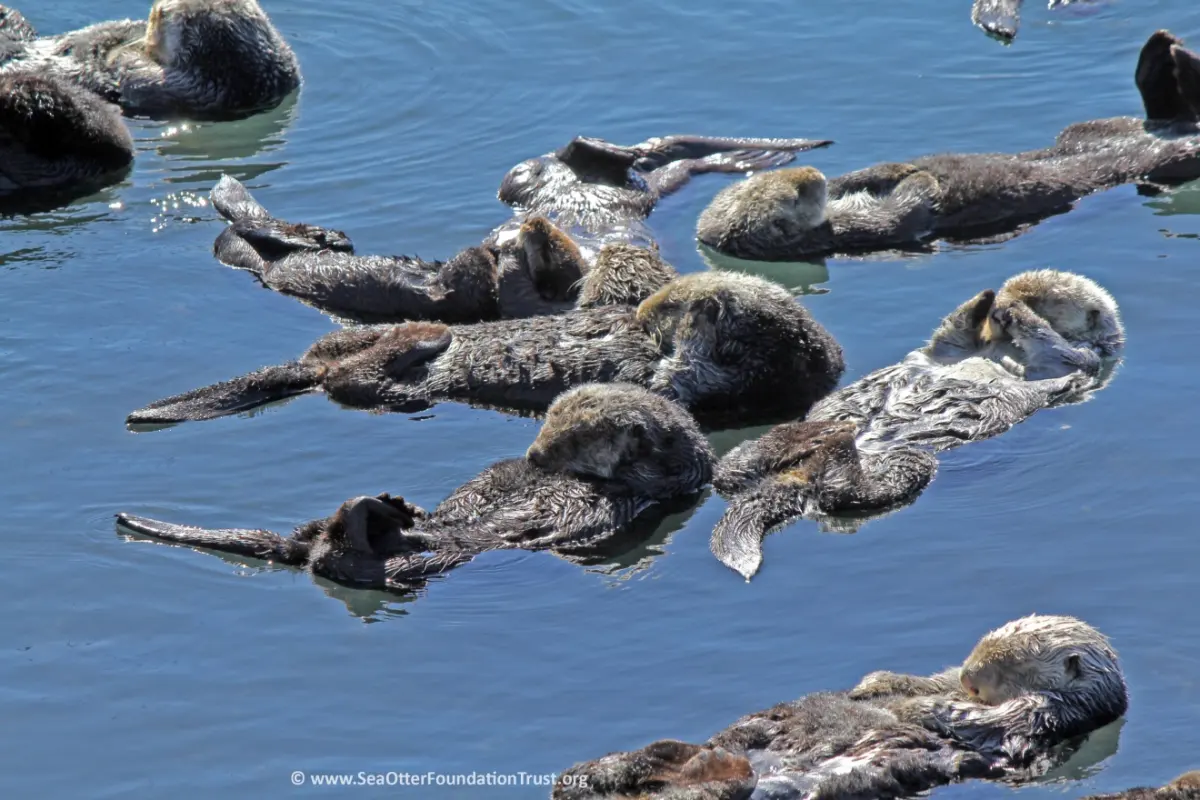
- A group of otters on land is called a romp, while a group in the water is called a raft.
The bottom line
A baby otter is known as a pup, a term that reflects its status as a dependent member of the family. These animals require significant maternal care, including lessons on swimming and hunting, before they can survive alone. Understanding their development cycle helps observers respect their natural habitats, ensuring these playful creatures continue to thrive in their wild environments across the globe for many generations to come.
People also ask
How long do otter pups stay with their mothers?
Otter pups typically remain with their mothers for about 6 to 12 months. During this period, the mother teaches them how to hunt, groom, and navigate their aquatic environment.
Do male otters help raise the pups?
In most otter species, the male does not participate in raising the young. The female is solely responsible for protecting, feeding, and training the pups until they are independent.
At what age do otter pups start swimming
Most otter pups begin their first swimming lessons when they are about two months old. The mother often carries them into the water on her back to help them gain confidence.
What do otter pups eat?
Pups start their lives nursing on their mother's milk. As they grow, the mother introduces them to solid foods like small fish, crustaceans, and amphibians.
Are otter pups born in the water?
No, otters give birth on land inside a secure den or holt. This protects the vulnerable pups from predators and harsh weather conditions during their first few weeks of life.
How can you tell if a baby otter is in distress?
A pup that is vocalizing loudly, wandering alone, or appears lethargic may be in distress. If you encounter a pup in this state, do not touch it; contact a local wildlife rehabilitation center immediately for professional guidance.
This answer was created with the help of AI research tools and reference sources. Spotted an error? Let us know — we correct mistakes quickly. See our editorial policy.