What is Portugal known for?
Short answer
Portugal is celebrated for its rich maritime history, iconic Fado music, and distinctive architectural heritage, particularly the intricate azulejo tiles. It is globally recognized for producing high-quality cork, Port wine, and fresh seafood. The country offers a blend of Mediterranean climate, dramatic Atlantic coastlines, and a deep-rooted, hospitable cultural tradition.
On this page
What is Portugal famous for culturally?
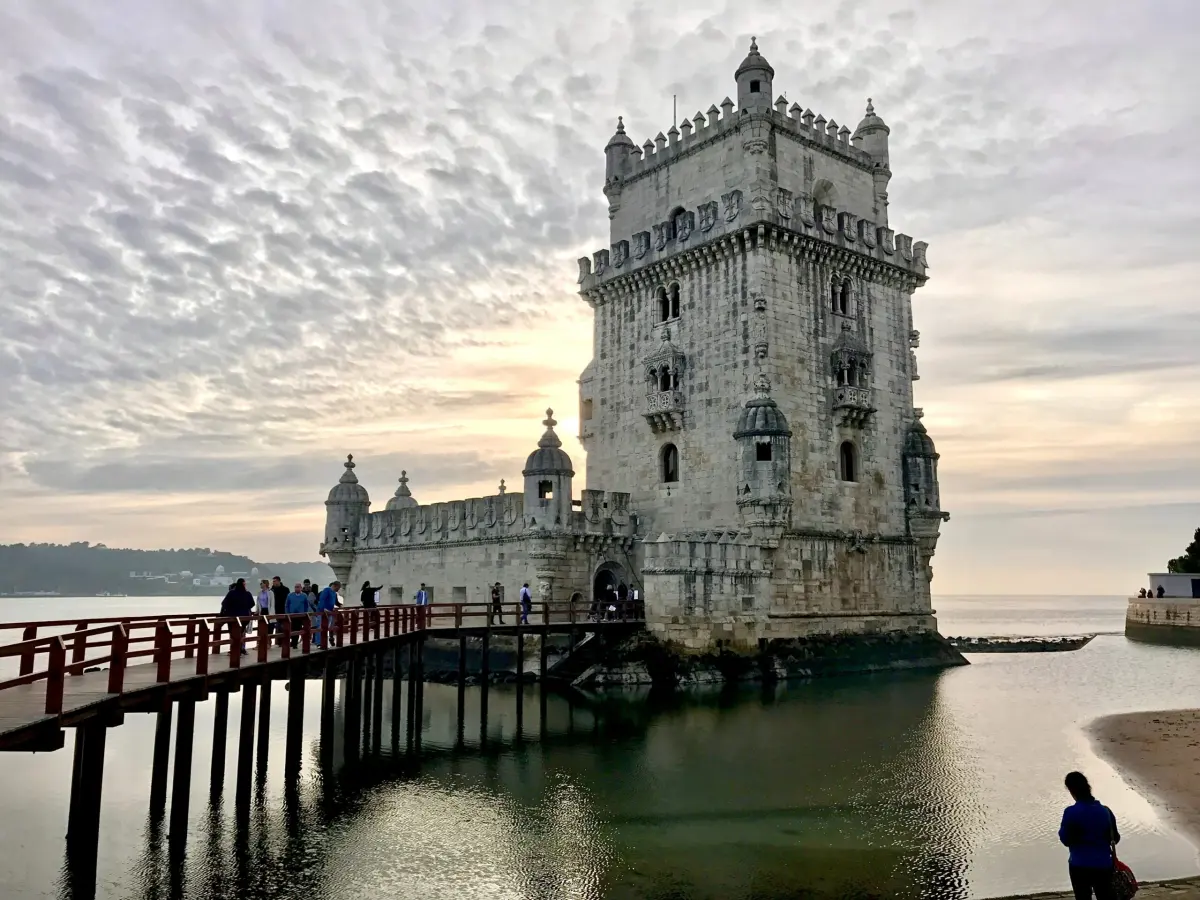
Portugal is defined by its profound connection to the sea and a history shaped by the Age of Discovery. This legacy is preserved in the Manueline architectural style, characterized by maritime motifs like ropes and armillary spheres, visible in landmarks such as the Jerónimos Monastery in Lisbon. Beyond architecture, the nation is the birthplace of Fado, a soul-stirring musical genre recognized by UNESCO. Fado is typically performed in intimate settings, featuring a lone singer accompanied by a Portuguese guitar, expressing "saudade," a unique term for deep, nostalgic longing.
The country is also world-renowned for its traditional azulejos, or hand-painted ceramic tiles. These tiles adorn everything from palace facades to subway stations, depicting historical events or geometric patterns. Visitors often find these tiles in:
- The National Tile Museum in Lisbon.
- The São Bento Railway Station in Porto.
- The exterior walls of the Chapel of Souls.
These artistic expressions remain central to the Portuguese identity, blending Moorish influences with European aesthetics to create a visual language that is distinctly Iberian.
Best regions to visit in Portugal
Portugal offers diverse landscapes ranging from the rugged northern mountains to the sun-drenched southern coast. The Douro Valley, the world’s oldest demarcated wine region, is a UNESCO World Heritage site famous for its terraced vineyards and river cruises. In contrast, the Algarve region in the south is prized for its golden limestone cliffs, hidden sea caves, and expansive sandy beaches. Central Portugal houses historic university towns like Coimbra and the medieval walled village of Óbidos, which offer a quieter, more traditional experience compared to the bustling urban centers.
For travelers planning a route, consider these popular destinations:
- Lisbon: The hilly, coastal capital known for its yellow trams and Belém pastries.
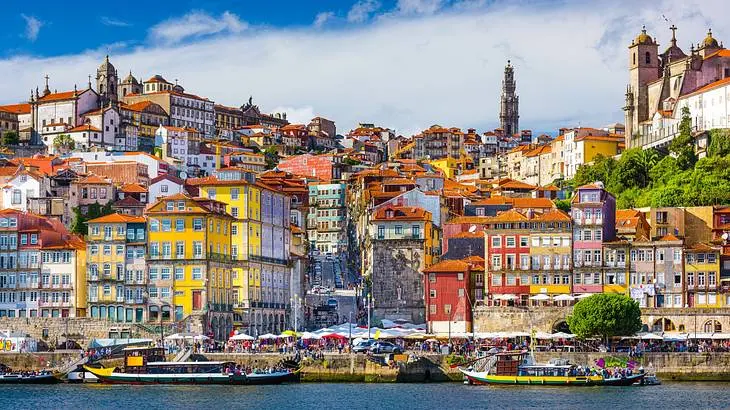
- Porto: A northern city famous for its riverside Ribeira district and historic wine cellars.
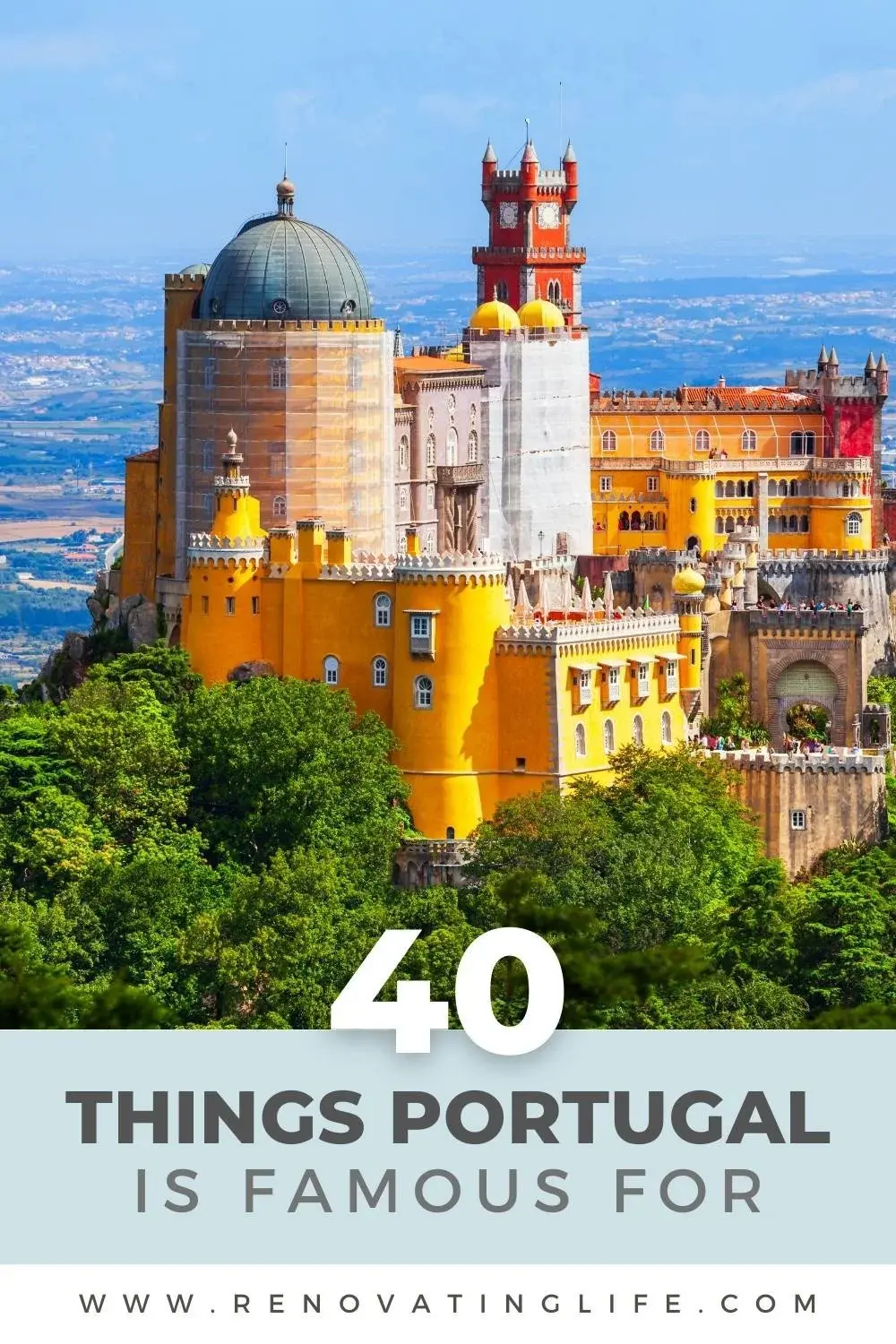
- Sintra: A forested mountain town filled with colorful, romanticist palaces and castles.
- Madeira: An autonomous archipelago known for its dramatic volcanic peaks and lush botanical gardens.
Each region maintains its own distinct culinary traditions and local festivals, ensuring that every area provides a unique perspective on Portuguese life.
How to enjoy authentic Portuguese food
Portuguese cuisine is deeply rooted in fresh, Atlantic-sourced ingredients and simple, high-quality preparation. The most iconic staple is "bacalhau," or salted cod, which locals claim can be prepared in 365 different ways. Another essential experience is eating "pastéis de nata," a creamy egg custard tart dusted with cinnamon. These pastries are best enjoyed warm from the oven at traditional bakeries, particularly in the Belém district of Lisbon, where the original recipe was crafted by monks in the 19th century.
When dining out, keep these tips in mind to ensure an authentic experience:
- Always ask for the "prato do dia" (dish of the day) for the freshest local ingredients.
- Look for "tascas," which are small, family-run restaurants that offer home-cooked meals at affordable prices.
- Be aware that appetizers like olives, bread, and cheese placed on your table are not free; you will be charged for what you consume.
By embracing these local customs, diners can enjoy the true flavors of the Atlantic, from grilled sardines in the summer to hearty "caldo verde" soup in the winter.
Common mistakes when visiting Portugal
Many travelers underestimate the physical demands of exploring Portuguese cities, which are famously hilly and paved with uneven "calçada portuguesa" cobblestones. Wearing improper footwear is a frequent error that leads to discomfort or injury on the slippery, polished stones. Another common mistake is assuming that the country is a small, uniform destination. While the distances between major cities are relatively short, the terrain varies significantly, and public transport schedules in rural areas can be infrequent. Relying solely on trains may limit your ability to reach remote, picturesque villages.
To avoid these pitfalls, follow these practical steps:
- Pack comfortable, flat shoes with good grip to navigate the steep, slick city streets.
- Rent a car if you intend to explore the interior or the coastal regions of the Alentejo.
- Learn a few basic Portuguese phrases, as locals appreciate the effort even if they speak excellent English.
- Plan for the "siesta" culture in smaller towns, where businesses may close for a few hours in the afternoon.
Being mindful of these logistical factors allows for a smoother, more enjoyable journey across the diverse Portuguese landscape.
Why Portugal is a leader in cork production
Portugal is the world’s largest producer of cork, accounting for approximately 50 percent of the global supply. This industry is centered in the Alentejo region, where vast forests of cork oak trees thrive. The process is highly sustainable, as the bark is harvested by hand every nine years without harming the tree, allowing it to regenerate. This industry has evolved from merely producing wine stoppers to creating innovative, eco-friendly products such as fashion accessories, flooring, and even insulation for the aerospace industry.
The sustainability of the cork industry is a point of national pride and economic importance. Because the trees are protected by law, the forests act as significant carbon sinks and support unique biodiversity. Visitors can often tour cork processing facilities to witness the traditional, labor-intensive harvesting methods that have remained largely unchanged for centuries. Supporting this industry is a practical way for travelers to engage with the country’s commitment to environmental stewardship while taking home a durable, authentic piece of Portuguese craftsmanship that represents the intersection of tradition and modern innovation.
Key facts
- Portugal is the world’s largest producer of cork, supplying approximately 50 percent of the global market.
- Fado is a traditional genre of melancholic folk music, recognized by UNESCO as Intangible Cultural Heritage.
- The country is home to the oldest bookstore in the world, Bertrand Bookstore in Lisbon, which opened in 1732.
- When visiting, always validate your ticket on public transport; failing to do so can result in immediate fines from inspectors.
- Tipping is not mandatory in Portugal, but leaving a few coins or rounding up the bill is appreciated for good service.
- Pastel de nata, a famous egg custard tart, is best enjoyed warm with a dusting of cinnamon and powdered sugar.
The bottom line
Portugal offers a unique blend of historic charm, maritime heritage, and modern Mediterranean living. From the soulful sounds of Fado and the exquisite culinary tradition of the pastel de nata to its scenic coastline and ancient architecture, the country provides a rich cultural experience. By respecting local customs, utilizing the reliable train network, and embracing the relaxed pace of life, travelers can fully enjoy this vibrant nation.
People also ask
What is the best time of year to visit Portugal?
The best time to visit is during the shoulder seasons of spring (April to June) and autumn (September to October). During these months, the weather is mild and pleasant, and you avoid the intense heat and heavy crowds of the peak summer season.
Is it easy to travel around Portugal without a car?
Portugal has an excellent rail network, CP (Comboios de Portugal), which connects major cities like Lisbon, Porto, and Faro efficiently. While rural areas may require a rental car, urban centers are highly walkable and well-served by metro and tram systems.
Do most people in Portugal speak English?
English is widely spoken in tourist areas, hotels, and major cities, as it is a core subject in Portuguese schools. However, learning a few basic phrases like "obrigado" (thank you) is considered polite and is highly appreciated by locals.
What is the currency used in Portugal?
Portugal uses the euro (€), having replaced the Portuguese escudo in 2002. Most businesses accept major credit and debit cards, though carrying a small amount of cash is useful for small cafes or local markets.
Is tap water safe to drink in Portugal?
Yes, tap water throughout Portugal is safe, clean, and meets high European Union quality standards. You can save money and reduce plastic waste by carrying a reusable bottle and refilling it at public fountains or faucets.
What are the traditional dining hours in Portugal?
Lunch is typically served between 12:30 PM and 3:00 PM, while dinner usually begins after 8:00 PM. Many restaurants close between these meal times, so plan your dining schedule accordingly to avoid arriving during kitchen breaks.
This answer was created with the help of AI research tools and reference sources. Spotted an error? Let us know — we correct mistakes quickly. See our editorial policy.