What is India known for?
Short answer
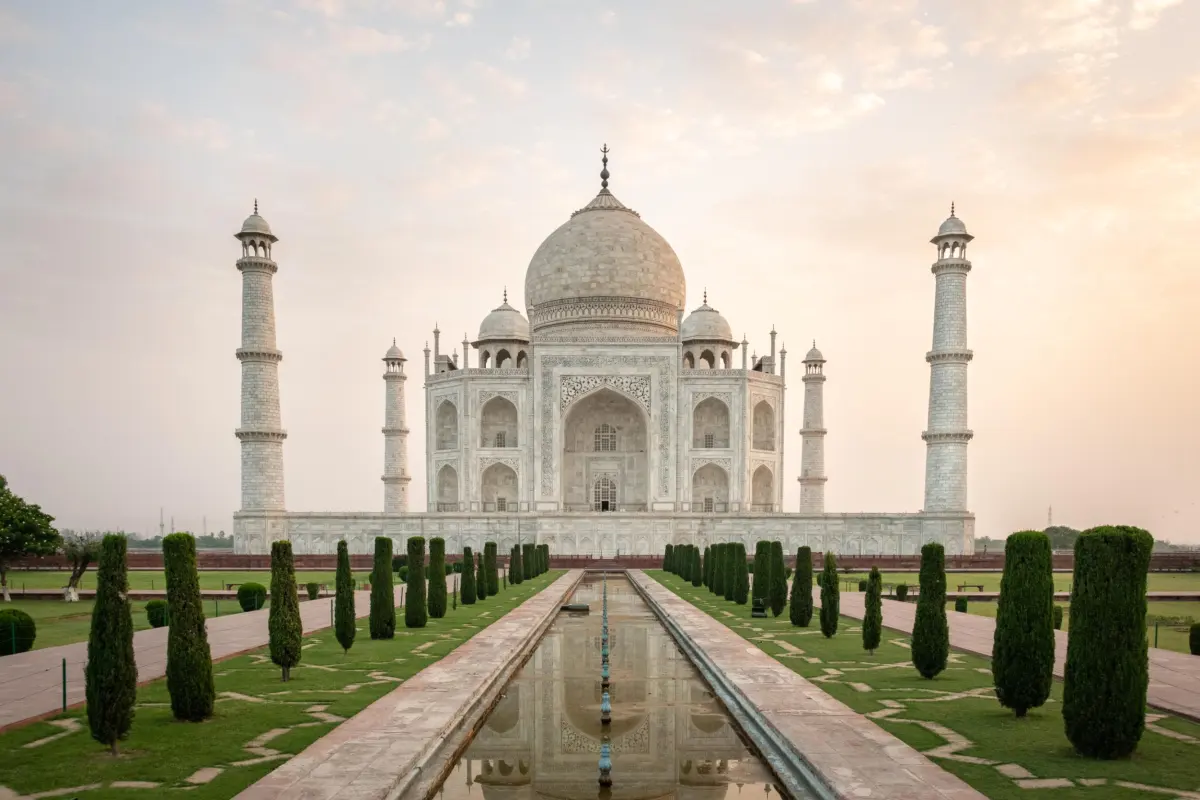
India is globally recognized for its profound cultural heritage, immense demographic scale, and rapid economic modernization. It is the world’s most populous nation, celebrated for its diverse culinary traditions, architectural marvels like the Taj Mahal, and its pivotal role in the global technology, software services, and pharmaceutical manufacturing industries today.
On this page
What are the most famous cultural landmarks in India?
India’s cultural landscape is defined by thousands of years of history, manifesting in iconic monuments and spiritual centers. The Taj Mahal in Agra remains the country’s most recognizable symbol, commissioned in 1632 by Emperor Shah Jahan as a mausoleum for his wife. Beyond this marble masterpiece, the country hosts a vast array of UNESCO World Heritage sites that reflect its architectural evolution.
Visitors often prioritize these major historical sites:
- The Taj Mahal: A pinnacle of Mughal architecture located in Uttar Pradesh.
- The Red Fort: A massive sandstone fortification in Delhi that served as the main residence of Mughal emperors.
- Hampi: The sprawling ruins of the Vijayanagara Empire in Karnataka, featuring intricate stone carvings.
- The Sun Temple at Konark: A 13th-century architectural wonder designed as a massive chariot.
- Varanasi: One of the world’s oldest continuously inhabited cities, famous for its sacred ghats along the Ganges River.
These sites offer a glimpse into the artistic ingenuity of ancient Indian dynasties. Whether exploring the rock-cut caves of Ajanta and Ellora or the vibrant palaces of Rajasthan, travelers find that Indian architecture is deeply intertwined with religious and royal history.
How does Indian cuisine vary by region?
Indian food is renowned for its complex use of spices, herbs, and regional cooking techniques. While international menus often focus on Northern staples like butter chicken or naan, the culinary reality is highly localized. Southern Indian cuisine frequently utilizes rice, coconut, and lentils, whereas Northern regions rely more heavily on wheat-based breads and dairy-rich gravies.
Key regional staples include:
- North: Tandoori cooking, rich curries, and breads like roti or paratha.
- South: Dosa (fermented crepe), idli (steamed rice cakes), and spicy sambar.
- East: Fish-based dishes and delicate mustard-infused preparations.
- West: Street food favorites like pav bhaji and savory snacks known as chaat.
A common mistake for beginners is assuming all Indian food is uniformly spicy. Heat levels vary drastically depending on the region and the specific dish. To experience authentic flavors, look for regional specialties rather than generic "curry" houses. Always sample local street food from stalls with high turnover to ensure freshness.
Why is India a global leader in technology and services?
India has established itself as the "back office of the world," primarily due to its massive pool of English-speaking, technically skilled professionals. Since the economic liberalization of 1991, the country has become a powerhouse for information technology (IT) services, software development, and business process outsourcing. Cities like Bengaluru, often called the Silicon Valley of India, anchor this ecosystem.
The sector is supported by a robust network of educational institutions, most notably the Indian Institutes of Technology (IITs). These schools produce thousands of engineers annually, many of whom move into leadership roles at global corporations. Beyond software, India is a dominant force in the pharmaceutical industry. It is the largest provider of generic drugs globally, supplying affordable medication to both developing and developed nations. This focus on high-tech services and manufacturing continues to drive India’s GDP growth and its integration into the global economy.

What should travelers know before visiting India?
Navigating India requires preparation, as the country is vast and sensory-rich. The most common mistake travelers make is attempting to see too much in a short time. India is geographically immense, and transit between major cities can be time-consuming. It is better to focus on a specific region—such as the Golden Triangle of Delhi, Agra, and Jaipur—to minimize travel fatigue.
Practical tips for a smooth trip:
- Visa requirements: Most international travelers must secure an e-visa online before departure.
- Health: Drink only bottled or purified water and avoid ice in drinks to prevent stomach issues.
- Transport: Use reputable ride-hailing apps or pre-paid taxi counters at airports to avoid overcharging.
- Etiquette: Dress modestly when visiting religious sites, covering shoulders and knees.
- Connectivity: Purchase a local SIM card at the airport for reliable data access.
By respecting local customs and planning logistics in advance, visitors can navigate the country’s bustling urban environments and serene rural landscapes with much greater ease.
How does India influence global spirituality and wellness?
India is the birthplace of four major world religions: Hinduism, Buddhism, Jainism, and Sikhism. This spiritual legacy has profoundly shaped the country’s social fabric and its global export of wellness practices. Today, India is recognized worldwide as the primary destination for authentic yoga and meditation training. Millions of people travel to centers in Rishikesh and Mysore to study under traditional masters.
Ayurveda, an ancient system of medicine originating in India, is also gaining international prominence. It emphasizes a holistic approach to health, focusing on the balance between body, mind, and spirit through diet, herbal treatments, and lifestyle adjustments. Whether through the practice of yoga, the study of philosophy, or the pursuit of Ayurvedic wellness, India’s influence on modern health trends remains immense. This deep-rooted tradition continues to attract those seeking a more mindful approach to life, cementing India’s reputation as a sanctuary for spiritual seekers and wellness enthusiasts from every corner of the globe.
Key facts
- India is the world's most populous nation, home to more than 1.4 billion people as of 2026.
- The country is the birthplace of four major world religions: Hinduism, Buddhism, Jainism, and Sikhism.
- The Taj Mahal in Agra, commissioned in 1632 by Emperor Shah Jahan, is one of the New Seven Wonders of the World.
- India operates the world's largest democratic system, with over 900 million eligible voters participating in national elections.
- The Indian economy is the fifth-largest globally by nominal GDP, driven significantly by the information technology and services sectors.
- When visiting, always remove your shoes before entering a temple or a private home to show proper cultural respect.
The bottom line
India is a vibrant, multifaceted nation defined by its immense population, ancient spiritual heritage, and rapidly expanding modern economy. From the architectural grandeur of its historical monuments to the vast diversity of its regional languages and culinary traditions, the country offers a unique blend of tradition and progress. Understanding local customs and logistical nuances is essential for anyone looking to engage meaningfully with this global powerhouse.
People also ask
What is the official language of India?
India has no single national language, but Hindi and English serve as the official languages of the central government. The Constitution recognizes 22 scheduled languages, reflecting the country's immense linguistic diversity.
What is the best time of year to visit India?
The ideal time to travel is between October and March when the weather is cool and dry across most of the country. Avoid the peak summer months of April through June, as temperatures in many regions frequently exceed 40°C (104°F).
Is it safe to drink tap water in India?
You should never drink tap water in India, as it is often contaminated with bacteria that can cause severe illness. Always stick to bottled water from reputable brands or use a high-quality portable water purification system.
What is the currency used in India?
The official currency is the Indian Rupee (INR). While digital payments like UPI are widely accepted in urban areas, it is practical to carry some cash for smaller vendors and rural markets.
What are some common etiquette mistakes to avoid?
Avoid using your left hand for eating or handing items to others, as it is traditionally considered unclean. Additionally, dress modestly by covering your shoulders and knees when visiting religious sites.
How diverse is Indian cuisine?
Indian cuisine varies dramatically by region, ranging from the spice-heavy curries of the north to the coconut-based dishes of the south. Vegetarianism is widely practiced, making India one of the easiest places in the world to find high-quality meat-free meals.
This answer was created with the help of AI research tools and reference sources. Spotted an error? Let us know — we correct mistakes quickly. See our editorial policy.