What are the benefits of birdwatching?
Short answer
Birdwatching improves mental well-being by fostering mindfulness and reducing stress through connection with nature. It encourages physical activity, sharpens observational skills, and contributes to citizen science efforts. Whether practiced in urban parks or wild forests, this accessible hobby provides a lifelong opportunity for learning, patience, and appreciation of global biodiversity.
On this page
Why is birdwatching good for your health?
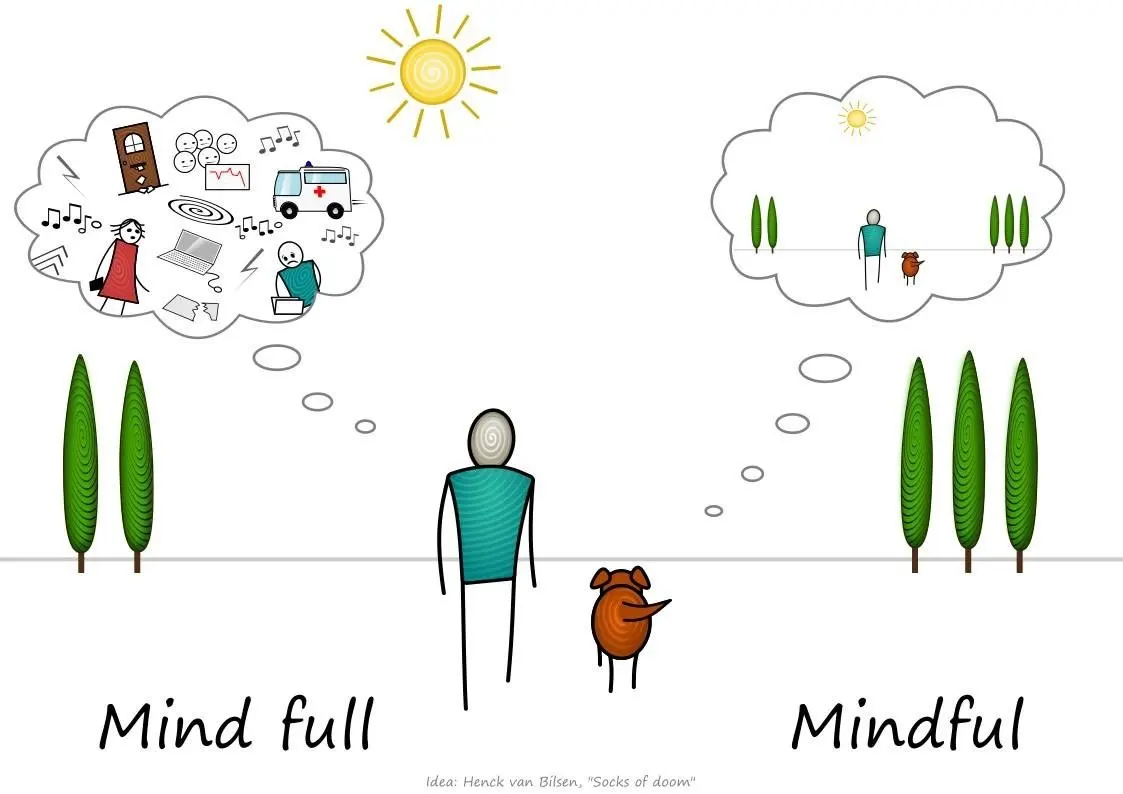
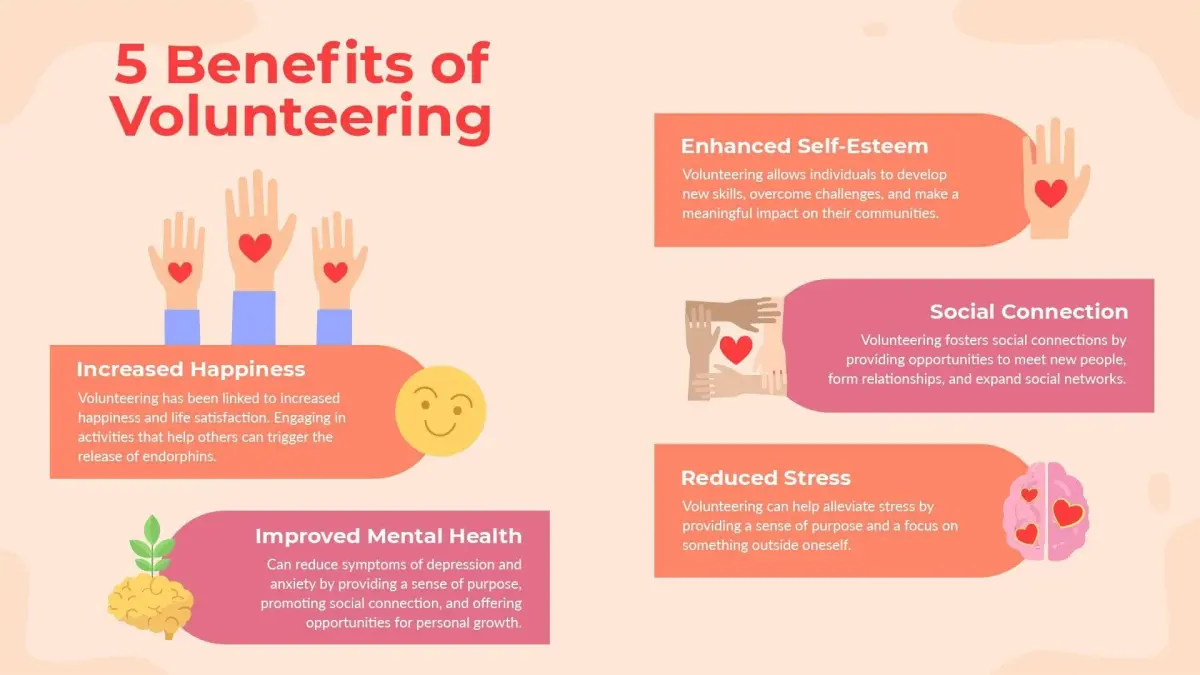
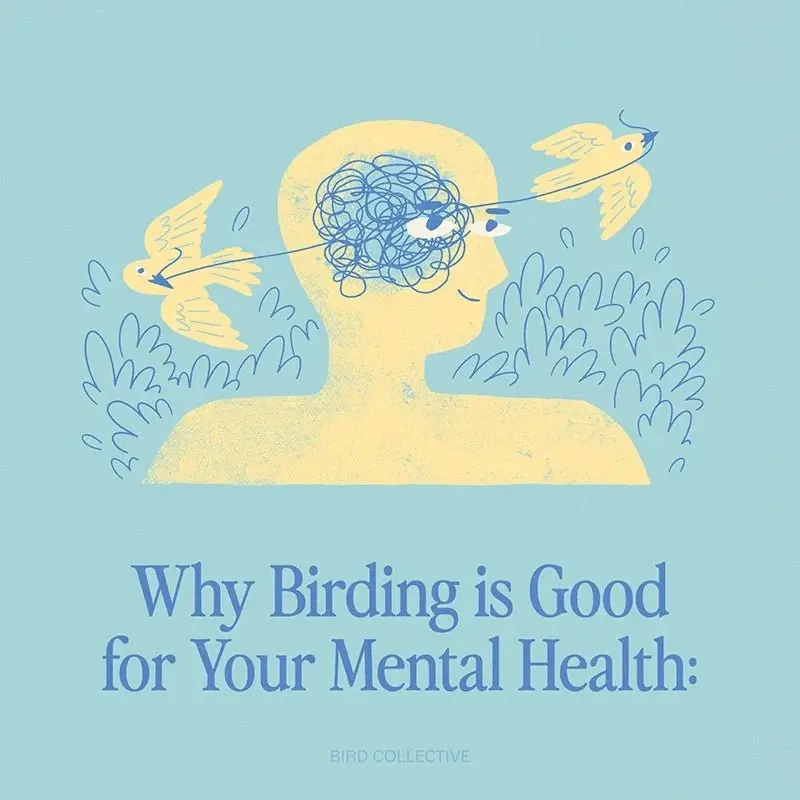
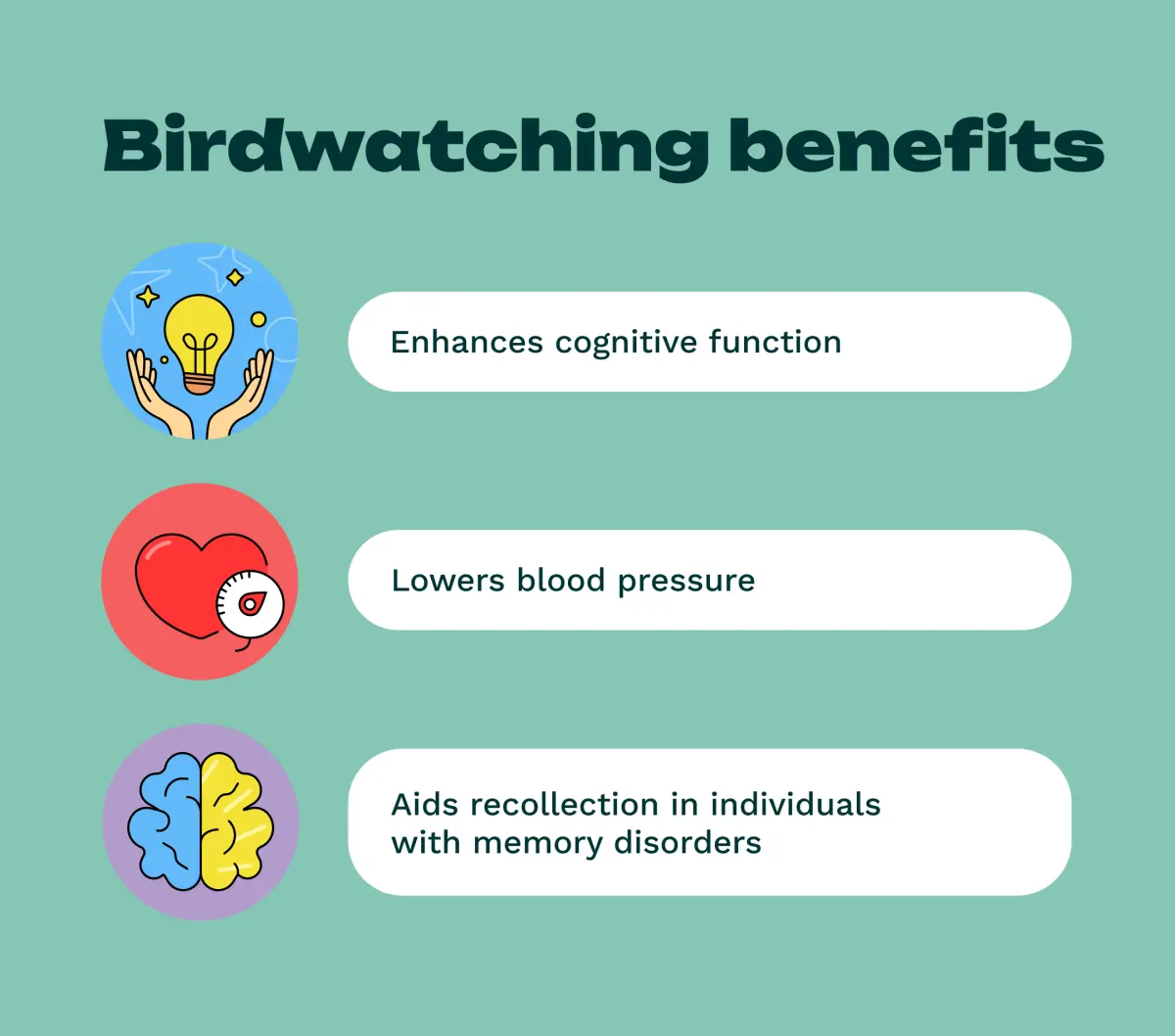
Engaging with nature through birdwatching has been scientifically linked to lower levels of cortisol, the body’s primary stress hormone. Spending time in green spaces, a practice often called "forest bathing," helps regulate heart rate and blood pressure. The meditative act of scanning trees and waiting for movement encourages a state of mindfulness that pulls the brain away from daily anxieties and digital distractions.
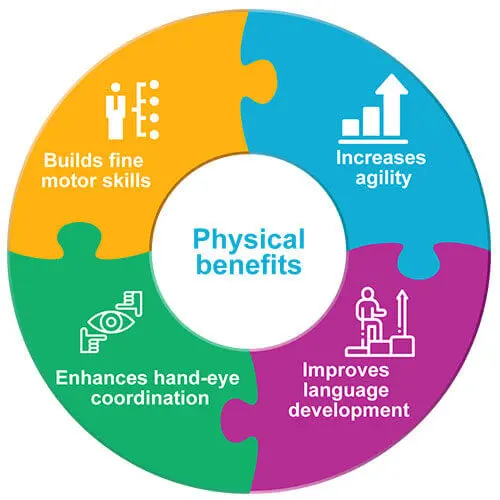
Beyond mental health, birdwatching is a low-impact physical activity that keeps the body moving. Enthusiasts often walk several miles over uneven terrain, which improves cardiovascular health and joint mobility. The cognitive demands of identifying species by color, size, and song also keep the mind sharp. By focusing on intricate details, birders exercise their visual processing and memory, which can help maintain cognitive function as they age.
How to get started with birdwatching
You do not need expensive equipment to begin observing birds. Start by visiting a local park or simply observing the birds that visit your backyard or windowsill. Many beginners find success by focusing on common species first, such as robins, sparrows, or cardinals, before attempting to identify more elusive or migratory birds.
- Purchase a basic pair of 8x42 binoculars, which offer a balanced magnification and field of view.
- Download a reliable identification app like Merlin Bird ID or carry a regional field guide.
- Keep a notebook to record the date, location, and species you observe to track your progress.
- Join a local Audubon Society chapter or birding club to learn from experienced mentors.
- Practice listening to bird calls, as many birds are heard long before they are seen.
Best tools for beginner birders
While binoculars are the primary tool, your choice of gear can significantly impact your experience. For beginners, look for binoculars that are waterproof and fog-proof to handle various weather conditions. Avoid overly powerful magnification, such as 12x or higher, as these are difficult to hold steady without a tripod and offer a narrower field of view, making it harder to track fast-moving birds.
- Binoculars: 8x42 models provide the best balance of brightness and stability.
- Field Guide: Choose one specific to your country or state for accurate identification.
- Clothing: Wear neutral, earth-toned colors to blend into the environment and avoid startling birds.
- Notebook: A pocket-sized journal helps you document behaviors and plumage patterns.
- Camera: Optional, but useful for verifying sightings later, especially for rare species.
Common mistakes when birdwatching
A frequent error among novices is moving too quickly through a habitat. Birds are sensitive to sudden motions and loud noises, which can cause them to flee before you have a chance to observe them. Instead, walk slowly and stop frequently to scan the canopy and underbrush. Patience is the most important skill in a birder’s toolkit, as the best sightings often occur after standing still for ten or fifteen minutes.
Another common mistake is relying solely on visual identification. Many birds look similar, but their vocalizations are distinct and unique. If you ignore the sounds around you, you will miss a large percentage of the birds present in an area. Additionally, avoid wearing bright colors like white or neon, as these stand out against natural backgrounds and can alert birds to your presence from a significant distance.
How to contribute to bird conservation
Birdwatching is more than a personal hobby; it is a vital tool for environmental conservation. By logging your sightings on platforms like eBird, you provide researchers with real-time data on bird populations and migration patterns. This information helps scientists track how climate change and habitat loss affect different species, allowing for more effective protection strategies and land management policies.
You can further support bird populations by creating a bird-friendly environment in your own yard. Planting native shrubs and trees provides essential food sources and nesting sites for local species. Providing a clean water source, such as a birdbath, is also highly effective during dry months. By participating in annual events like the Great Backyard Bird Count, you become part of a global network dedicated to preserving avian diversity for future generations.
Key facts
- Birdwatching, often called birding, is the world's most popular nature-based hobby, with an estimated 45 million participants in the United States alone.
- Studies published in the journal BioScience suggest that viewing birds in natural settings significantly reduces stress, anxiety, and depression.
- Beginners should start by learning the "field marks" of common local species, such as wing bars, eye rings, and bill shape, rather than focusing on color alone.
- A standard pair of 8x42 binoculars is widely considered the best entry-level equipment, as it offers a balance of magnification and light-gathering capability.
- Using a digital app like Merlin Bird ID allows users to identify species by uploading photos or recording bird songs in real-time.
- Avoid the common mistake of wearing bright colors; wearing earth tones helps you blend into the environment and prevents startling birds.
The bottom line
Birdwatching is a scientifically backed pursuit that fosters mental well-being and a deeper connection to the natural world. By utilizing simple tools like binoculars and identification apps, anyone can transform a casual walk into an engaging exploration of biodiversity. Whether in a local park or a remote forest, observing birds encourages patience and mindfulness, turning a quiet hobby into a vital contribution to global conservation efforts.
People also ask
Do I need expensive equipment to start birdwatching?
No, you can begin with just your eyes and a free smartphone app. While binoculars improve the experience, they are not strictly necessary for observing birds in your own backyard or local park.
What is the best time of day to go birding?
The early morning, specifically the first few hours after sunrise, is the most productive time. Birds are most active and vocal during this period as they forage for food.
How can I attract more birds to my yard?
Provide a consistent source of fresh water, such as a birdbath, and native plants that offer seeds or berries. Keeping feeders clean and filled with high-quality seed also encourages frequent visits.
Is birdwatching a sedentary activity?
It can range from stationary observation to vigorous hiking. Many birders cover several miles on foot while searching for specific species in diverse habitats like forests or wetlands.
What should I do if I see a bird I cannot identify?
Focus on its size, shape, and behavior rather than just its color. Note where you saw it and use a field guide or identification app to compare your observations against known local species.
How does birdwatching contribute to scientific research?
Citizen science projects like eBird allow birders to upload their sightings to a global database. This data helps ornithologists track migration patterns, population trends, and the impacts of climate change.
This answer was created with the help of AI research tools and reference sources. Spotted an error? Let us know — we correct mistakes quickly. See our editorial policy.