How big do zebras get?
Short answer
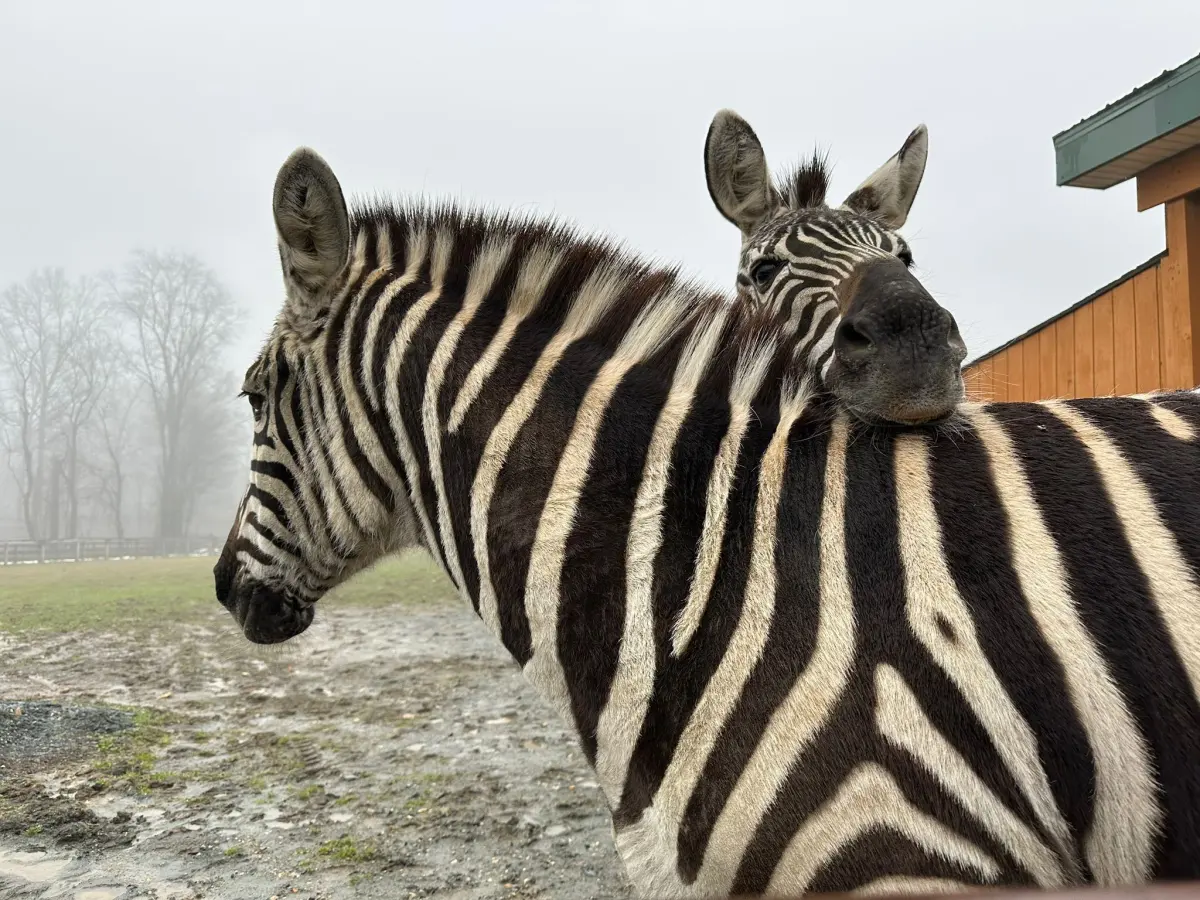
Zebras vary in size depending on the species, but most adults stand between 4 and 5 feet tall at the shoulder. They typically weigh between 500 and 900 pounds. The Grevy’s zebra is the largest and heaviest, while the plains zebra is generally smaller and more compact in its overall physical build.
On this page
How big are the different zebra species?
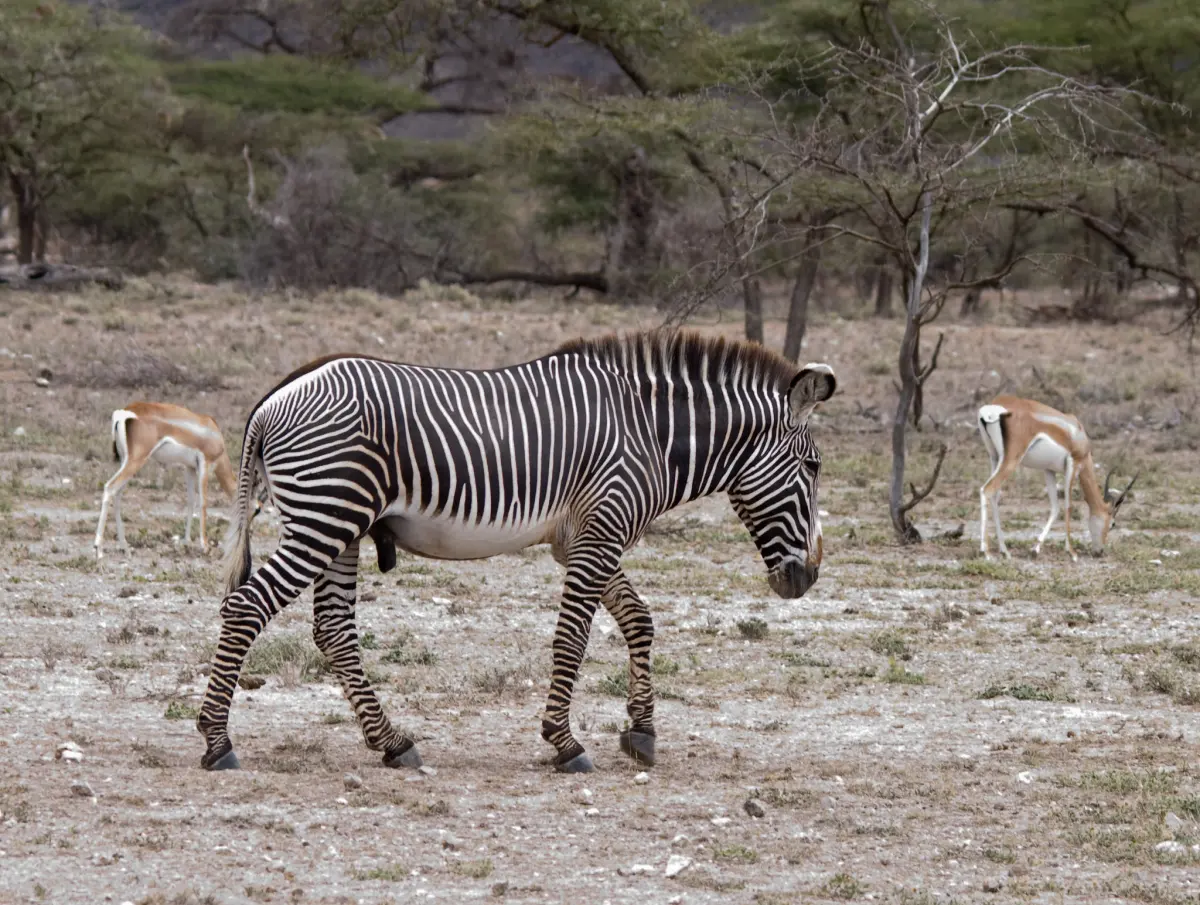
There are three distinct species of zebra, and each possesses unique physical dimensions. The Grevy’s zebra is the largest, often reaching weights of 770 to 990 pounds and standing up to 5 feet at the shoulder. In contrast, the plains zebra—the most common variety—usually weighs between 500 and 850 pounds and stands roughly 4 to 4.5 feet tall. The mountain zebra falls in the middle, typically weighing between 530 and 820 pounds.
These size differences are adaptations to their specific environments. Larger species like the Grevy’s zebra inhabit arid regions where they must travel long distances to find water and food, requiring a more robust frame. Smaller species often reside in grasslands where agility and speed are more critical for evading predators. Understanding these variations helps researchers track population health and habitat suitability across the African continent.
How do you measure a zebra's height?
Measuring a wild animal requires specific techniques to ensure accuracy without disturbing the subject. Scientists typically measure height at the withers, which is the ridge between the shoulder blades. This provides a consistent baseline because the head and neck positions of a zebra can change significantly depending on whether they are grazing or alert.
- Locate the highest point of the shoulder blades while the animal is standing on level ground.
- Use remote laser rangefinders or photogrammetry to calculate the distance from the ground to that point.
- Record the measurement in both centimeters and inches for standard biological documentation.
- Avoid attempting to approach the animal directly, as this causes stress and alters their natural posture.
Common mistakes include measuring to the top of the head or the ears, which leads to highly inconsistent data. Always ensure the animal is standing squarely on all four legs before taking any measurements.
Why do zebras grow to this size?
The size of a zebra is primarily dictated by the need for survival in a predator-rich environment. Being large enough to defend themselves against smaller predators while remaining agile enough to escape lions and hyenas is a delicate evolutionary balance. Their mass allows them to possess significant muscle power, which is essential for the long-distance running required to traverse the savanna.
Furthermore, their size influences their social structure and dietary habits. Larger animals generally have a slower metabolism and can process lower-quality forage more efficiently than smaller herbivores. This allows zebras to thrive on the tough, fibrous grasses that dominate their habitat. Their physical stature also plays a role in herd dynamics, as larger, more mature males often compete for dominance to secure mating rights and protect the group from external threats.
How fast do zebras grow from birth?
Zebra foals are remarkably precocious, meaning they are highly developed at birth. A newborn foal typically weighs between 60 and 80 pounds and is capable of standing and walking within an hour of delivery. This rapid development is a vital survival mechanism, as it allows the foal to keep pace with the herd during migrations.
- Birth weight: 60–80 pounds.
- First month: Rapid weight gain as the foal begins grazing alongside nursing.
- First year: The foal reaches approximately 75% of its adult height.
- Maturity: Most zebras reach their full physical size between three and five years of age.
Growth is most rapid during the first six months of life, fueled by the mother's milk and increasing consumption of grasses. Providing the foal with adequate nutrition during this period is essential for reaching its full genetic potential. Stunted growth in the wild is often a sign of poor environmental conditions or early illness.
Common mistakes when estimating zebra size
One frequent error is failing to account for the animal's gender. In many zebra populations, males are slightly larger and heavier than females, a phenomenon known as sexual dimorphism. If you assume all zebras in a herd are the same size, your data will be skewed. Always look for signs of maturity, such as the thickness of the neck and the overall muscular definition, to differentiate between individuals.
Another mistake is ignoring the impact of seasonal changes on weight. Zebras can lose a significant amount of mass during the dry season when food and water are scarce. A healthy zebra at the end of the rainy season will look much larger and more robust than the same animal after several months of drought. When observing these animals, consider the time of year to ensure your assessment of their physical health and size is accurate. Using these simple guidelines will help you better understand the physical development of these iconic striped equids.
Key facts
- Plains zebras, the most common species, typically stand about 4 to 5 feet tall at the shoulder.
- Adult zebras generally weigh between 500 and 900 pounds depending on the specific subspecies.
- Grevy’s zebras are the largest of the three species, often reaching weights of up to 990 pounds.
- Mountain zebras are the smallest variety, usually weighing between 450 and 800 pounds.
- Males are generally slightly larger and heavier than females within the same zebra population.
- When observing zebras in the wild, maintain a distance of at least 100 yards to avoid stressing these powerful animals.
The bottom line
Zebras are robust equids that vary in size based on their species, with the Grevy’s zebra being the largest and the mountain zebra the smallest. Generally reaching up to 900 pounds and standing 5 feet tall, these animals are powerful creatures adapted for life on the savanna. Understanding their size and wild nature is essential for maintaining safety and respecting their role in the ecosystem.
People also ask
How long do zebras live in the wild?
Zebras typically live between 20 and 30 years in their natural habitat. Factors such as predation by lions and hyenas, as well as environmental conditions, influence their overall lifespan.
Are zebras aggressive toward humans?
Yes, zebras can be highly aggressive and are known to bite or kick when they feel threatened. They are wild animals that have never been truly domesticated and should never be approached on foot.
How fast can a zebra run?
A zebra can reach top speeds of approximately 40 to 45 miles per hour. This speed is a critical survival mechanism used to outrun predators across the African savanna.
Do all zebras have the same stripe pattern?
No, every zebra has a unique stripe pattern that functions much like a human fingerprint. Researchers use these individual markings to identify and track specific animals in the wild.
What do zebras eat to maintain their size?
Zebras are herbivores that primarily graze on various types of grasses. They spend the majority of their day eating to sustain their large body mass and energy levels.
Can zebras be ridden like horses?
While zebras are related to horses, they are not suitable for riding due to their unpredictable temperament and physical build. Their backs are not structured to support the weight of a rider comfortably.
This answer was created with the help of AI research tools and reference sources. Spotted an error? Let us know — we correct mistakes quickly. See our editorial policy.