How big do elephants get?
Short answer
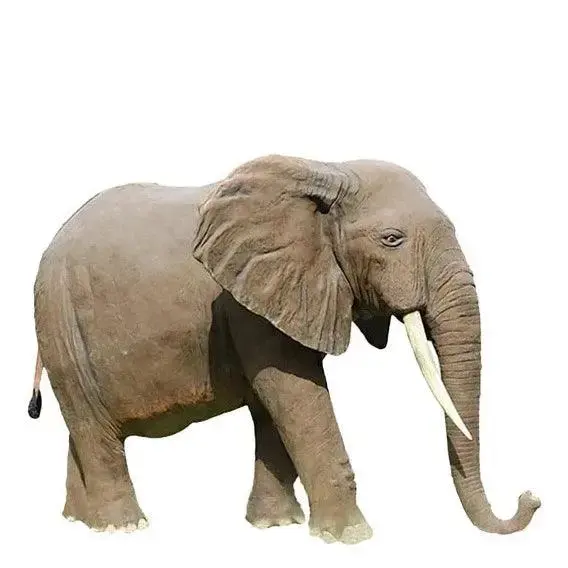
Elephants are the largest living land animals, with sizes varying by species. African bush elephants are the biggest, reaching up to 13 feet in height and weighing 13,000 pounds. Asian elephants and African forest elephants are smaller, typically standing 8 to 10 feet tall and weighing between 6,000 and 11,000 pounds.
On this page
How big do different elephant species get?
There are three distinct species of elephants, each with varying physical dimensions. The African bush elephant (Loxodonta africana) is the largest, with males often reaching 10 to 13 feet at the shoulder. These massive creatures can weigh as much as 13,000 pounds, making them the undisputed giants of the savanna.
In contrast, the African forest elephant and the Asian elephant are more modest in size. Asian elephants generally stand between 8 and 10 feet tall and weigh up to 11,000 pounds. The African forest elephant is the smallest of the three, rarely exceeding 8 feet in height. Understanding these differences is essential for identifying species in the wild or in conservation settings.
- African bush elephant: 10–13 feet tall; 10,000–13,000 pounds.
- Asian elephant: 8–10 feet tall; 6,000–11,000 pounds.
- African forest elephant: Up to 8 feet tall; 4,000–8,000 pounds.
How do elephants reach such massive sizes?
An elephant’s size is the result of millions of years of evolutionary adaptation to its environment. Their massive skeletal structure is designed to support immense weight, with thick, pillar-like legs that act as columns to distribute their bulk evenly. This bone density allows them to sustain their frame while moving across diverse African and Asian landscapes.
Diet plays a critical role in maintaining this size, as elephants must consume vast quantities of vegetation to fuel their bodies. An adult elephant can eat up to 300 pounds of food in a single day, including grasses, bark, roots, and fruit. This constant intake of nutrients supports their slow metabolism and massive growth patterns, which continue well into their adult lives.
How do you accurately measure an elephant?
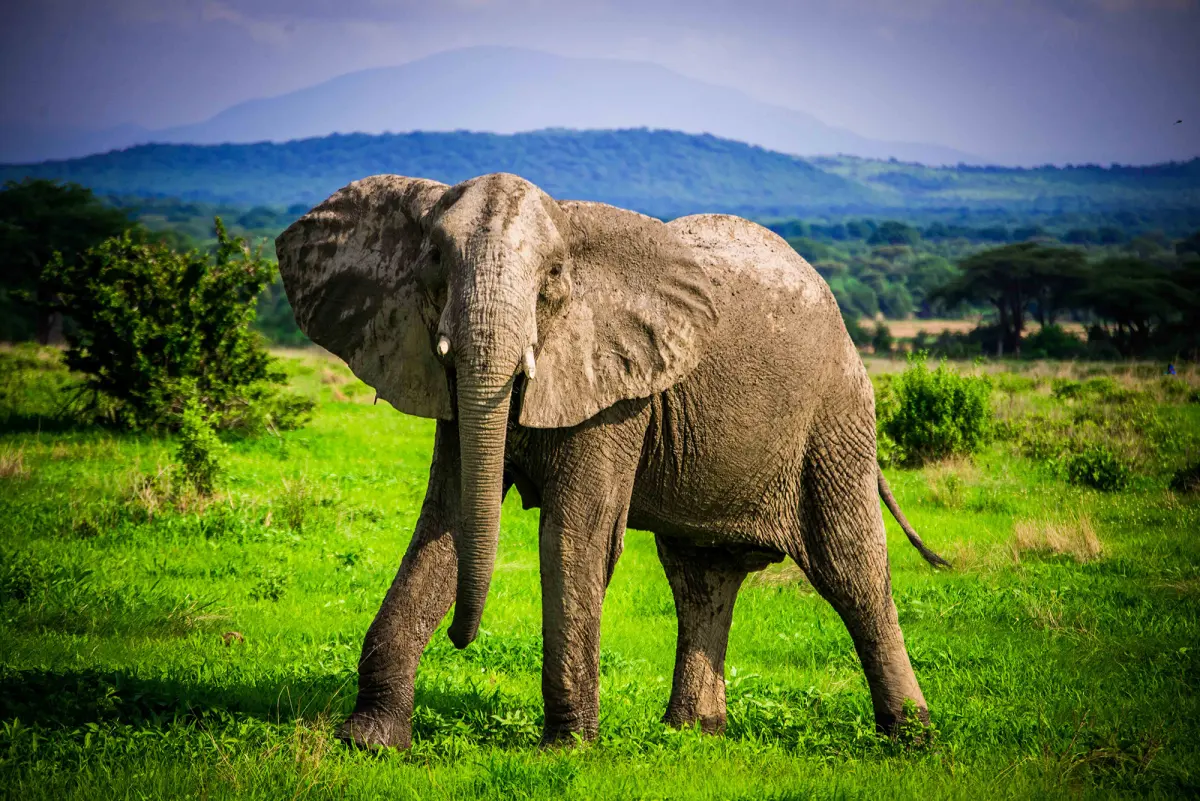
Measuring an elephant in the wild requires non-invasive techniques to ensure the safety of both the researcher and the animal. Scientists typically use photogrammetry, which involves taking high-resolution photographs from a fixed distance. By using a known reference point in the frame, such as a vehicle or a marker, researchers can calculate the animal's height and length with high precision.
If you are attempting to estimate an elephant's size, follow these professional guidelines:
- Maintain a safe distance of at least 100 yards to avoid stressing the animal.
- Use a laser rangefinder to establish the exact distance between you and the elephant.
- Capture images from a side-on profile to ensure the shoulder height is clearly visible.
- Apply trigonometric formulas to convert the pixel measurements into real-world units.
What are common mistakes when estimating elephant size?
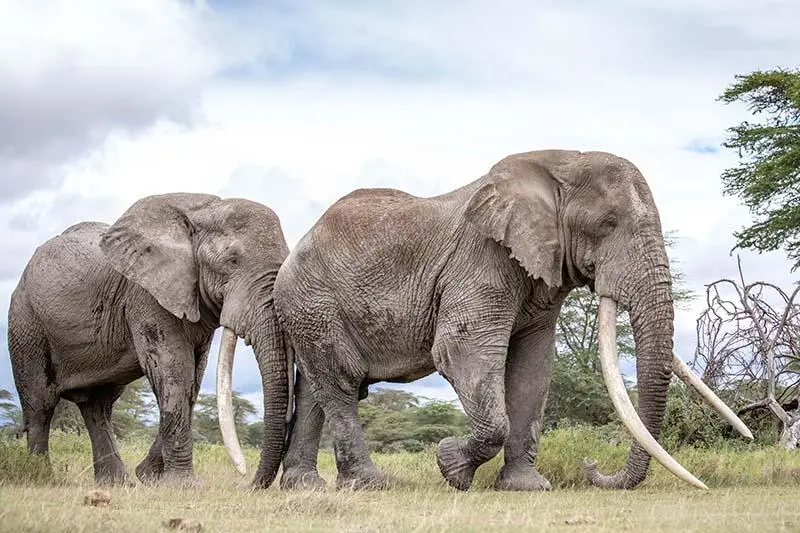
One of the most frequent errors people make is misjudging the scale of an elephant due to the animal's immense presence. Because they are so large, observers often overestimate their height by several feet. It is easy to be intimidated by their bulk, which frequently leads to inaccurate visual guesses that do not align with biological reality.
Another common mistake is failing to account for the angle of the terrain. If an elephant is standing on an incline, its shoulder height may appear significantly higher or lower than it actually is. Always look for flat ground when observing or photographing an animal for size comparison. Ignoring the perspective of the observer relative to the animal's position will almost always result in a flawed estimation.
How does age affect the growth of an elephant?
Elephants exhibit indeterminate growth, meaning they continue to grow throughout their entire lives, albeit at a much slower rate once they reach maturity. A calf is born weighing roughly 200 to 250 pounds and standing about three feet tall. During the first few years, growth is rapid, driven by the high nutritional value of mother's milk and early foraging.
As they transition into adulthood, the growth curve flattens, but they do not stop developing entirely. Male elephants, or bulls, continue to gain muscle mass and skeletal density well into their middle age. This prolonged growth phase is a key factor in why older bulls are significantly larger than younger adults. Monitoring these growth patterns helps wildlife biologists assess the overall health and demographic stability of elephant populations across the globe.
Key facts
- The African bush elephant is the world's largest land animal, with males reaching up to 13 feet in height at the shoulder.
- Adult male African bush elephants typically weigh between 10,000 and 13,000 pounds, though some have exceeded 20,000 pounds.
- Asian elephants are slightly smaller, generally standing about 9 to 10 feet tall and weighing between 6,000 and 11,000 pounds.
- Female elephants are significantly smaller than males, often weighing about half as much as their male counterparts.
- When observing elephants in the wild, always maintain a distance of at least 100 yards to avoid triggering defensive behavior.
- Never attempt to feed or approach a calf, as protective mothers are highly aggressive and can easily overturn vehicles.
The bottom line
Elephants are the titans of the animal kingdom, with the African bush elephant holding the title for the largest land mammal. While their massive size is impressive, it requires a constant intake of food and water to maintain. Understanding their physical scale is essential for respecting their space in the wild, as their strength and protective instincts make them formidable creatures that demand human caution.
People also ask
How much does an elephant eat in a single day?
An adult elephant consumes between 300 and 400 pounds of vegetation daily. They spend up to 18 hours each day grazing on grasses, bark, roots, and fruit.
How long do elephants live?
In the wild, elephants typically live for 60 to 70 years. Their lifespan is largely determined by the health of their teeth, which allow them to process food effectively.
Why are African elephants larger than Asian elephants?
Evolutionary adaptations to their specific environments have resulted in size differences. African elephants have evolved to traverse vast, open savannas, while Asian elephants are adapted for dense forest habitats.
Do elephants have natural predators?
Adult elephants have no natural predators due to their immense size and strength. However, lion prides may occasionally target vulnerable calves if they become separated from the herd.
How fast can an elephant run?
Despite their massive weight, elephants can reach speeds of up to 25 miles per hour in short bursts. They are surprisingly agile and can navigate uneven terrain with ease.
How much water does an elephant drink?
A healthy adult elephant can drink up to 50 gallons of water in a single day. During dry seasons, they use their trunks to dig into dry riverbeds to reach underground water sources.
This answer was created with the help of AI research tools and reference sources. Spotted an error? Let us know — we correct mistakes quickly. See our editorial policy.