What do bats eat?
Short answer
Bats consume a diverse range of food sources depending on their species. While most bats are insectivores, others feed on fruit, nectar, pollen, fish, or blood. This varied diet makes them essential to global ecosystems, as they act as primary pollinators, seed dispersers, and natural pest controllers for agricultural crops worldwide.
On this page
What do most bats eat?
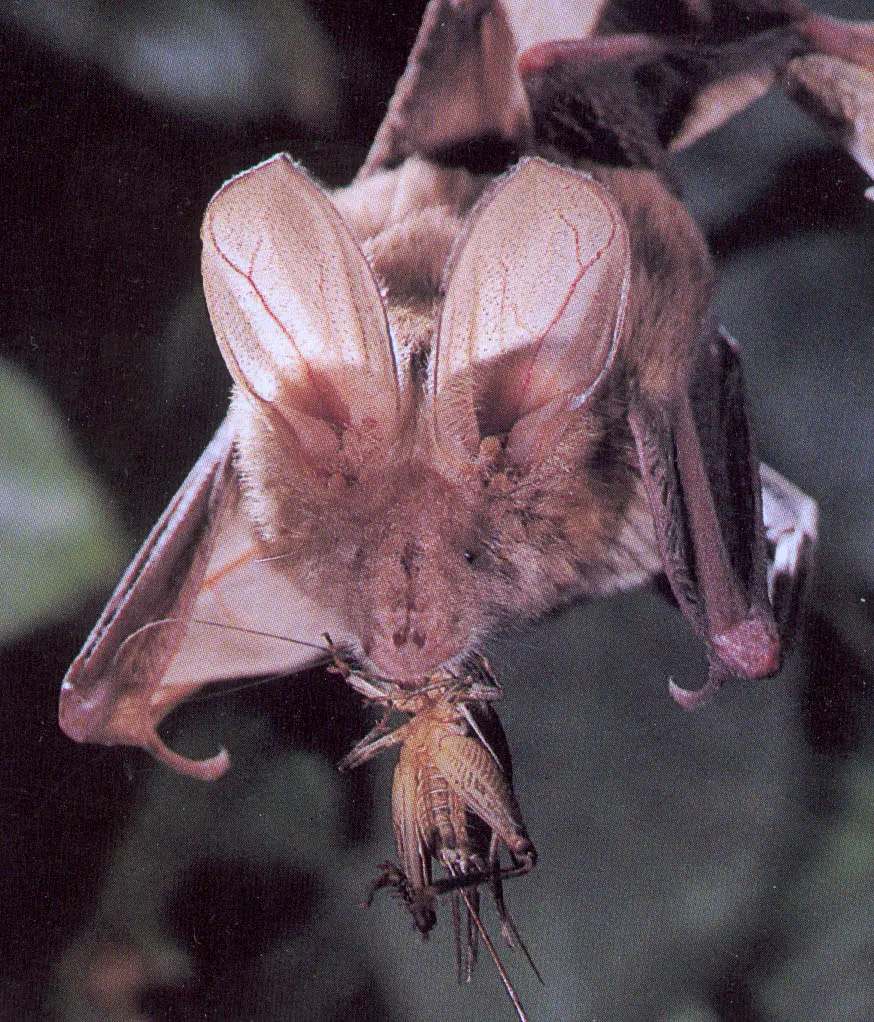
The vast majority of the world’s 1,400-plus bat species are insectivores. These bats play a critical role in controlling insect populations, consuming massive quantities of moths, beetles, mosquitoes, and flies every night. A single little brown bat can catch up to 1,000 mosquito-sized insects in just one hour, providing a natural form of pest management that benefits both human health and agricultural productivity.
Insectivorous bats utilize echolocation to navigate the darkness and pinpoint their prey with high precision. They often hunt on the wing, using their tail membranes or wingtips to scoop insects out of the air before consuming them. Some common prey items for these bats include:
- Mosquitoes and midges
- Agricultural pests like corn earworm moths
- Beetles and leafhoppers
- Wasps and flying ants
These bats are highly efficient hunters, often consuming their own body weight in insects each evening. By keeping insect populations in check, they help reduce the need for chemical pesticides in farming regions.
How do fruit and nectar bats feed?
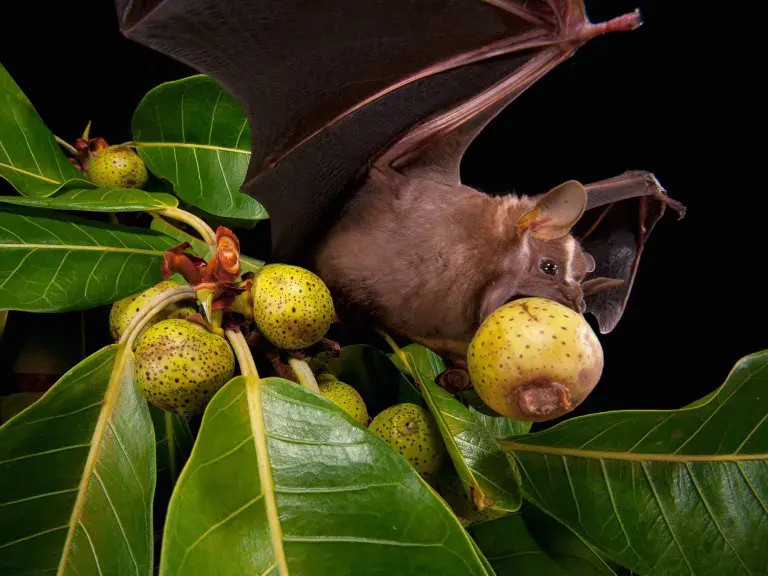
Frugivorous and nectarivorous bats, often referred to as "flying foxes" or "fruit bats," occupy a different ecological niche. These bats primarily inhabit tropical and subtropical regions, where they feed on the juices and pulp of various fruits, as well as the nectar and pollen of night-blooming flowers. They are vital for forest regeneration because they disperse seeds through their droppings as they fly across large distances.
Feeding strategies for these species vary based on the anatomy of their snouts and tongues. Nectar-feeding bats often possess elongated snouts and long, brush-tipped tongues designed to reach deep into floral tubes. Fruit-eating bats typically have strong jaws and teeth capable of crushing firm fruit to extract nutrient-rich juices. Their role as pollinators is indispensable for many plants, including:
- Agave, which requires bat pollination for seed production
- Wild bananas and mangoes
- Baobab trees
- Durian and guava
Without these bats, many tropical ecosystems would struggle to reproduce, as they are often the only pollinators capable of reaching specific plant species.
Which bats eat fish, frogs, or blood?
While most bats stick to insects or plants, a small number of species have evolved unique dietary specializations. The greater bulldog bat is perhaps the most famous example of a piscivorous, or fish-eating, bat. These bats use echolocation to detect ripples on the water's surface caused by small fish, then use their long, sharp claws to snatch their prey from the water while flying low.
Other specialized diets include:
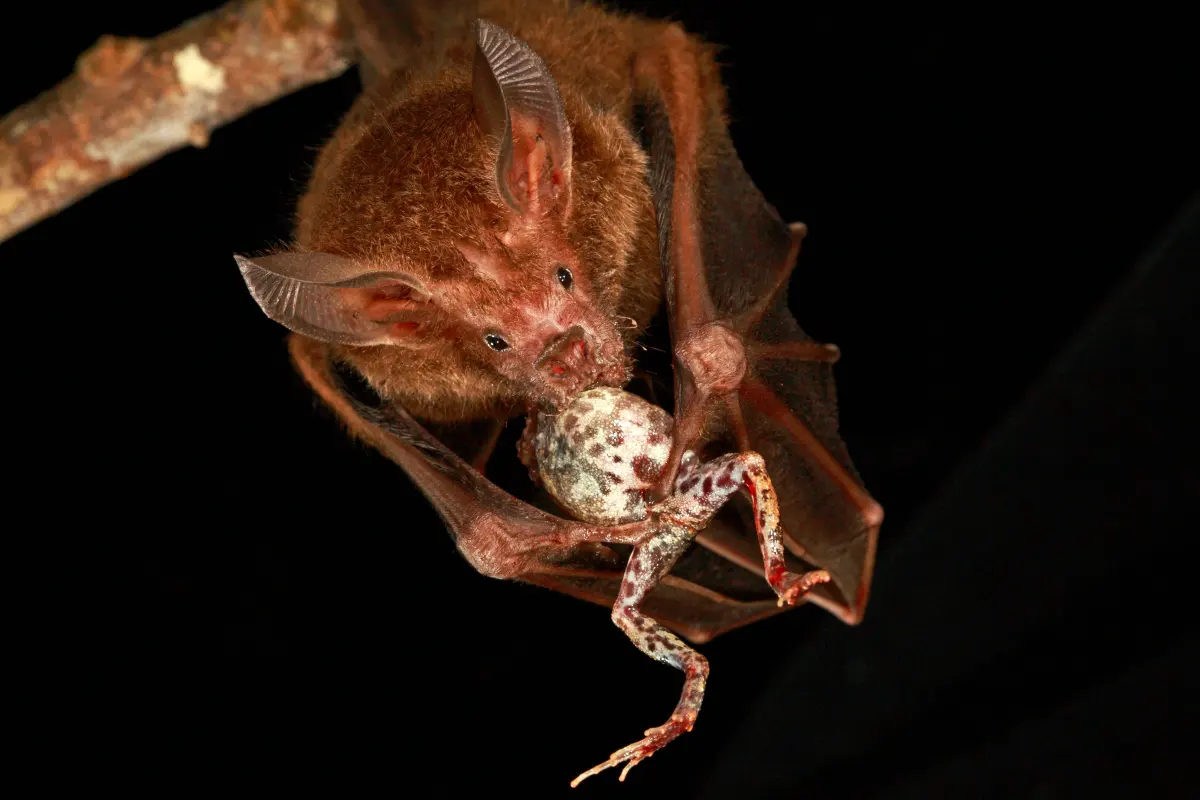
- Carnivorous bats: Species like the spectral bat hunt small vertebrates, including lizards, frogs, birds, and even other smaller bats.
- Sanguinivorous bats: The three species of vampire bats are the only mammals that feed exclusively on blood. They typically target livestock, making a small incision with their razor-sharp teeth and lapping up the blood without causing significant harm to the host.
These specialized feeding habits demonstrate the remarkable evolutionary flexibility of bats, allowing them to thrive in environments where traditional food sources might be scarce or highly competitive.
Common mistakes when feeding bats
It is a common misconception that humans should provide food for bats in their backyards. Attempting to feed bats is dangerous for both the animal and the person involved. Bats are wild animals that possess highly specialized hunting skills; they do not recognize human-provided food as sustenance. Furthermore, bats can carry zoonotic diseases, and handling them without professional training or proper protective equipment is a significant safety risk.
Common mistakes to avoid include:
- Trying to hand-feed bats with fruit, insects, or sugar water.
- Using bait to lure bats closer for photography or observation.
- Attempting to rehabilitate injured bats without a permit or veterinary supervision.
- Providing artificial nesting boxes filled with food sources, which can attract predators instead of bats.
If you encounter a bat that appears injured or orphaned, the best course of action is to contact a local wildlife rehabilitation center. Experts there have the knowledge to provide appropriate care without habituating the animal to humans.
How to support bats naturally
Instead of feeding bats, you can support them by creating a habitat that encourages them to hunt and roost naturally. By fostering a healthy environment, you provide the resources they need to thrive on their own. This involves managing your landscape to attract the natural prey they prefer and protecting the areas where they sleep during the day.
Follow these steps to make your property more bat-friendly:
- Plant night-blooming flowers to attract moths and other nocturnal insects.
- Eliminate the use of pesticides, which kill the insects that bats rely on for survival.
- Install a bat house in a high, sunny location to provide a safe daytime roosting site.
- Maintain a water source, such as a pond or a birdbath, as bats need to drink while flying.
By focusing on habitat conservation rather than direct feeding, you ensure that bats remain healthy, wild, and capable of performing their essential ecological services for years to come.
Key facts
- About 70% of all bat species are insectivores, consuming vast quantities of beetles, moths, and mosquitoes.
- A single little brown bat can catch up to 1,000 mosquito-sized insects in just one hour of hunting.
- Nectar-feeding bats, such as the tube-lipped nectar bat, use long tongues to pollinate plants like agave and saguaro cacti.
- Fruit bats, or "flying foxes," act as essential seed dispersers, helping to regenerate tropical rainforests by dropping seeds across large areas.
- Some specialized bats, including the fringe-lipped bat, hunt small frogs by listening for the specific mating calls of male prey.
- Avoid using pesticides in your garden if you want to attract bats, as they rely on a healthy population of insects for survival.
The bottom line
Bats are ecologically vital creatures with diverse diets ranging from insects and fruit to nectar and small vertebrates. By acting as natural pest controllers, pollinators, and seed dispersers, they support the health of global ecosystems. Understanding their specific dietary needs highlights why protecting their natural habitats is essential. Providing a pesticide-free environment is the most practical way to support these beneficial mammals in your own backyard.
People also ask
Do any bats drink blood?
Only three species out of more than 1,400, known as vampire bats, feed on blood. They primarily target livestock, using heat sensors to find a spot on the skin before making a tiny incision.
How do bats find their food in the dark?
Most bats use echolocation, emitting high-frequency sound pulses that bounce off objects to create a sonic map. This allows them to detect, track, and capture fast-moving insects with extreme precision.
Can bats eat birdseed or human food?
Bats are not scavengers and do not eat birdseed, bread, or household scraps. They are highly specialized predators or foragers that require live prey, nectar, or fresh fruit to thrive.
Do bats eat their own weight in food?
Many insectivorous bats consume between 50% and 100% of their body weight in insects every single night. This high metabolic demand makes them incredibly effective at controlling pest populations in agricultural areas.
Are fruit bats dangerous to humans?
Fruit bats are generally harmless to humans and play a critical role in ecosystems by spreading seeds. They do not attack people, though they should never be handled, as any wild animal may bite if it feels threatened.
Do bats hibernate during the winter?
In colder climates, many bats hibernate to survive the winter when their food sources disappear. They enter a state of torpor, lowering their heart rate and body temperature to conserve energy until spring.
This answer was created with the help of AI research tools and reference sources. Spotted an error? Let us know — we correct mistakes quickly. See our editorial policy.