How do you grow tomatoes?
Short answer
Growing tomatoes requires full sun, fertile soil, and consistent moisture. Start seeds indoors six weeks before the last frost or purchase healthy transplants. Plant them deeply, provide sturdy support structures, and ensure regular watering at the base. With proper care, most varieties yield a bountiful harvest within 60 to 90 days.
On this page
How to choose the best tomato varieties
Selecting the right tomato depends on your climate, available space, and intended use. Tomatoes are generally categorized as either determinate or indeterminate. Determinate varieties grow to a fixed size and ripen their fruit over a short window, making them ideal for canning or small garden containers. Indeterminate varieties continue growing and producing fruit throughout the entire season until the first frost, requiring more vertical support.
When choosing a variety, consider the days to maturity listed on the seed packet or plant tag. If you live in a region with a short growing season, look for "early season" varieties that mature in 60 days or less. Beginners should often start with disease-resistant hybrids, which are specifically bred to withstand common issues like verticillium wilt or fusarium wilt.
- Cherry tomatoes: High yield, fast-growing, perfect for snacking.
- Beefsteak tomatoes: Large, meaty fruits ideal for slicing and sandwiches.
- Roma tomatoes: Dense, low-moisture fruits excellent for sauces and pastes.
- Heirloom varieties: Renowned for unique flavors and colors, though often more delicate.
How to prepare soil and plant tomatoes
Tomatoes thrive in nutrient-rich, well-draining soil with a pH between 6.2 and 6.8. Before planting, incorporate several inches of organic matter, such as compost or aged manure, into the top foot of soil. This improves drainage and provides the slow-release nutrients necessary for healthy root development. Choose a location that receives at least six to eight hours of direct sunlight daily.
Planting technique is critical for strong root systems. Remove the bottom sets of leaves from your transplant and bury the stem up to the top two sets of leaves. Tomatoes have the unique ability to grow adventitious roots along any part of the stem buried underground. This deeper planting method creates a more extensive root network, which helps the plant better withstand drought and wind.
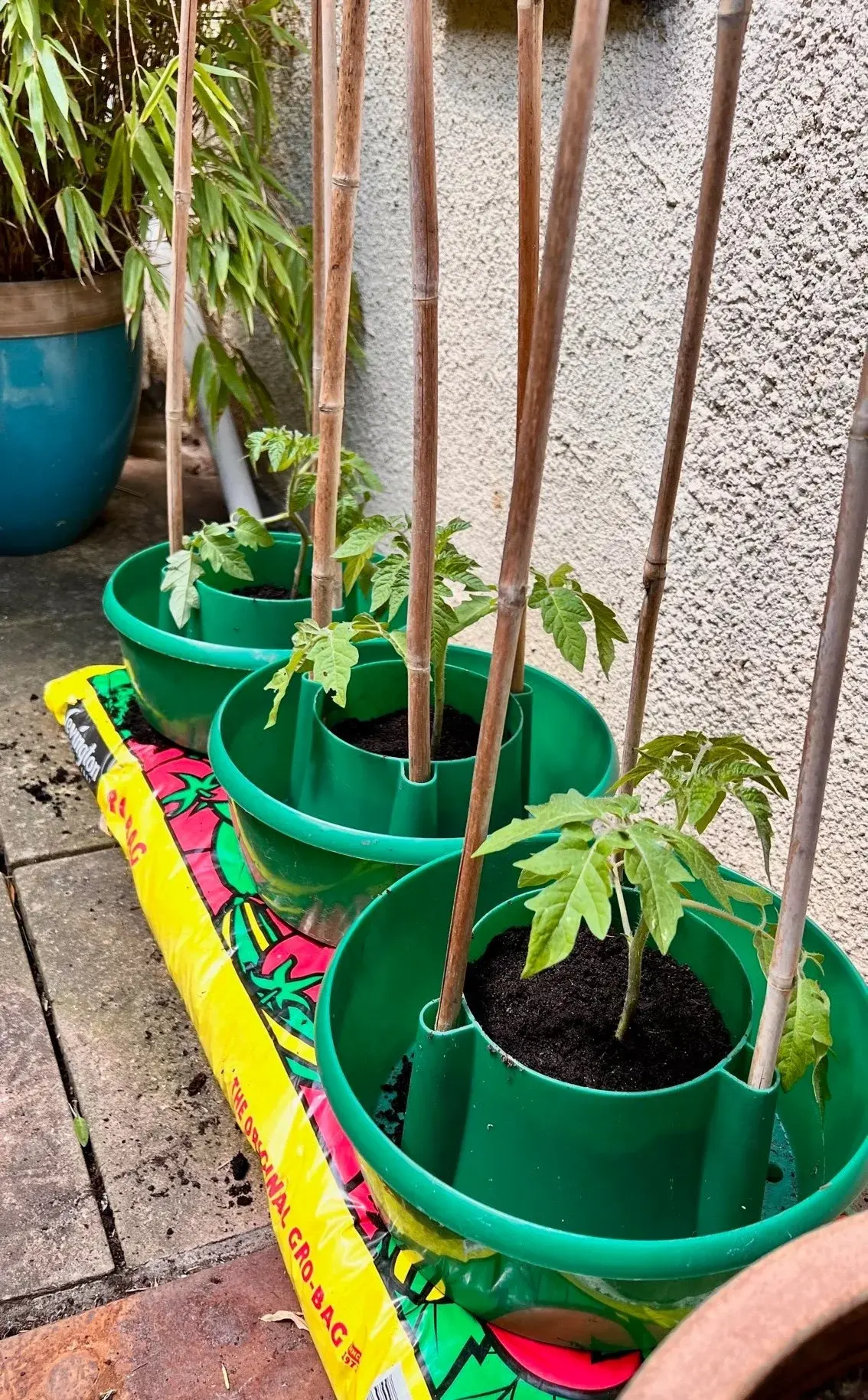
- Dig a hole deep enough to bury two-thirds of the plant's stem.
- Mix a handful of balanced fertilizer or bone meal into the bottom of the hole.
- Place the plant in the hole and fill with soil, firming it gently.
- Water thoroughly immediately after planting to settle the soil around the roots.
How to care for tomatoes throughout the season
Consistent moisture is the most important factor in preventing common fruit problems. Aim to provide about one to two inches of water per week, focusing the stream at the base of the plant to keep the foliage dry. Wet leaves can encourage fungal diseases, so avoid overhead watering. Applying a two-inch layer of organic mulch, such as straw or shredded leaves, helps retain soil moisture and suppresses weeds.
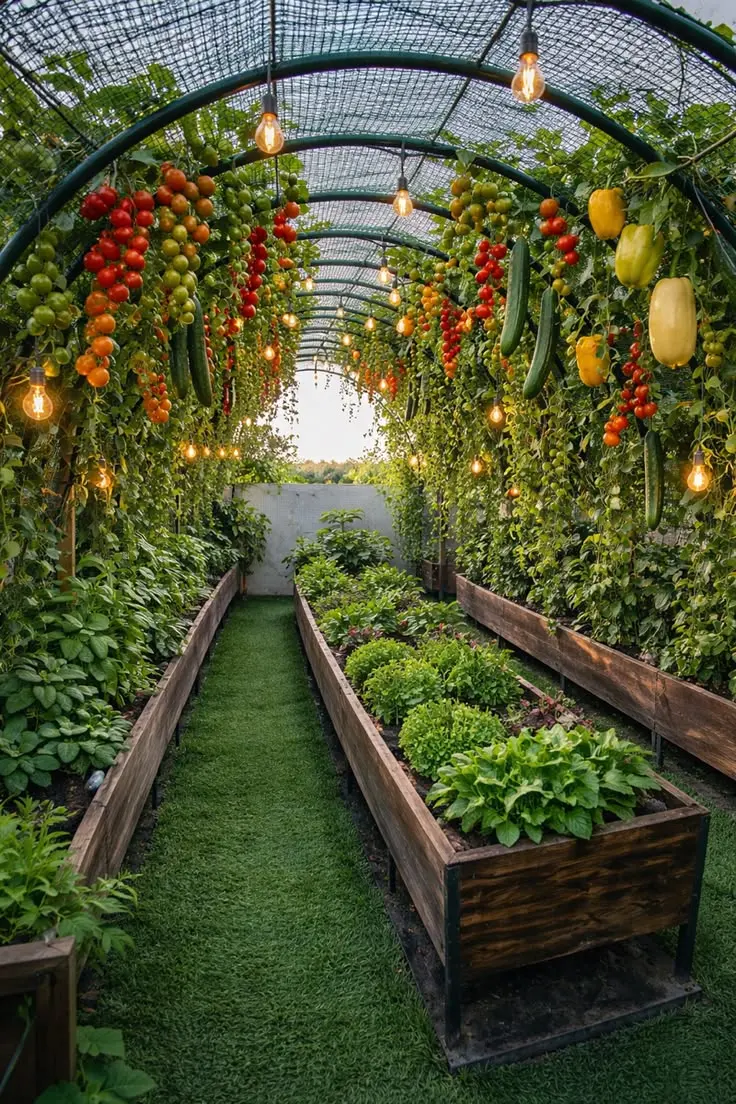
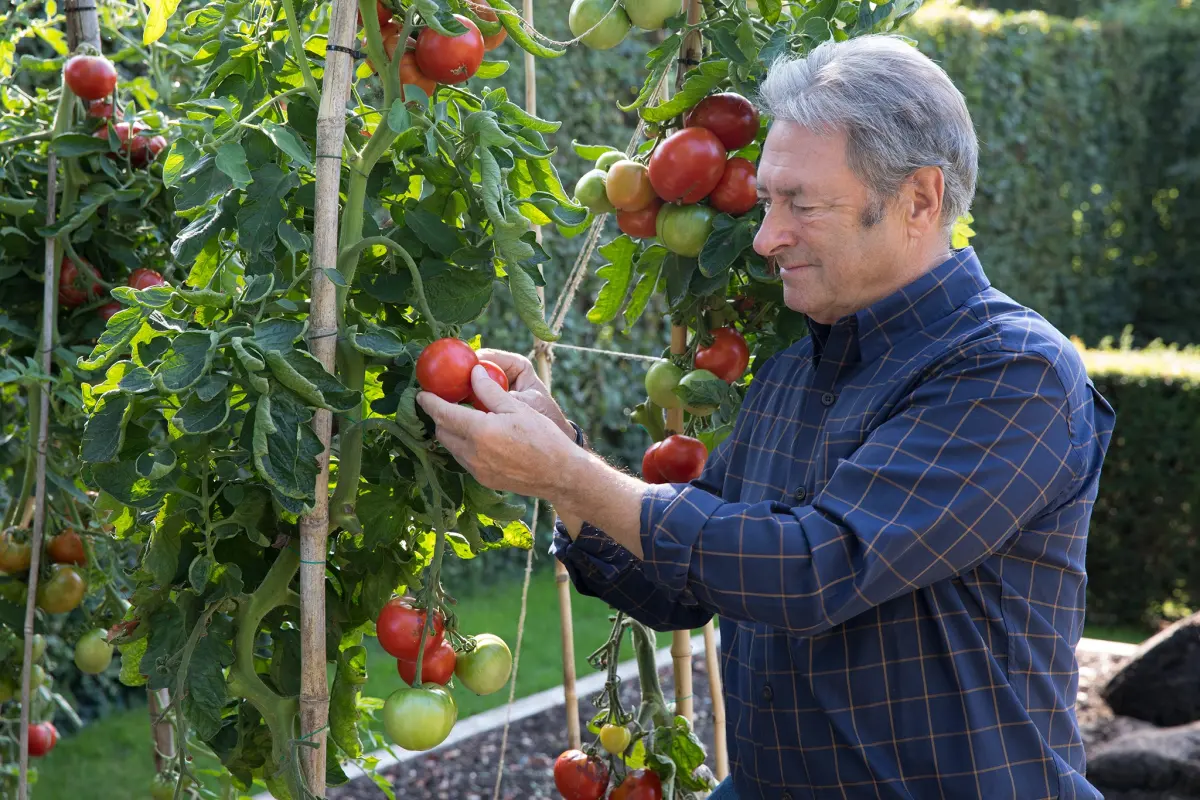
Support your plants early to prevent them from sprawling on the ground, which increases the risk of rot and pests. Use stakes, wire cages, or trellises to keep the vines upright and off the soil. As indeterminate varieties grow, you may need to prune "suckers"—the small shoots that emerge in the crotch between the main stem and a branch—to improve airflow and focus the plant's energy on fruit production.
- Apply a liquid fertilizer once the first fruits appear to boost production.
- Monitor for pests like tomato hornworms, which can be picked off by hand.
- Remove any yellowing or diseased lower leaves to prevent the spread of blight.
Why blossom end rot and other problems happen
Blossom end rot is a common frustration characterized by a dark, leathery patch on the bottom of the fruit. It is typically caused by a calcium deficiency, which is often triggered by irregular watering rather than a lack of calcium in the soil. When a plant experiences a cycle of extreme dry spells followed by heavy soaking, it cannot transport calcium efficiently to the developing fruit. Maintaining consistent soil moisture is the best preventative measure.
Cracking or splitting of the fruit skin usually occurs after a heavy rain following a dry period. The interior of the tomato grows faster than the skin can expand, causing it to burst. While these fruits are still edible, they should be harvested promptly to prevent fermentation or insect damage. Proper mulching and steady irrigation schedules help mitigate these fluctuations, ensuring the fruit skin remains supple and resistant to rapid expansion.
Common mistakes when growing tomatoes
One of the most frequent errors is planting too early in the spring. Tomatoes are warm-season crops that suffer damage if exposed to temperatures below 50 degrees Fahrenheit. Wait until the soil has warmed and all danger of frost has passed before moving plants outdoors. Planting too early often results in stunted growth or plants that never fully recover from the initial cold shock.
Another mistake is overcrowding the garden bed. Tomatoes need significant airflow to prevent fungal diseases like early blight. If plants are spaced too closely, humidity builds up between the leaves, creating a perfect environment for pathogens. Ensure you provide at least 24 to 36 inches of space between plants. Finally, avoid using nitrogen-heavy fertilizers once the plant begins to flower. Excessive nitrogen encourages lush, leafy growth at the expense of fruit development, leading to large, green plants with very few tomatoes to harvest.
Key facts
- Tomatoes require at least 6 to 8 hours of direct sunlight daily for optimal fruit production.
- Plant seedlings deep, burying up to two-thirds of the stem, to encourage a robust root system.
- Space plants 24 to 36 inches apart to ensure adequate airflow and prevent fungal diseases.
- Maintain consistent soil moisture by watering at the base of the plant to avoid wetting the foliage.
- Apply a balanced fertilizer or compost at planting time, then supplement with a low-nitrogen formula once fruit sets.
- Harvest tomatoes when they reach their full color and feel slightly soft to the touch for peak flavor.
The bottom line
Growing successful tomatoes requires a combination of full sun, consistent hydration, and proper spacing to prevent disease. By burying stems deep and removing suckers, you encourage stronger growth and better yields. Monitor your plants for moisture levels and pests regularly throughout the season. With patience and attention to these fundamental horticultural practices, you can enjoy a bountiful harvest of flavorful, homegrown tomatoes from your own garden.
People also ask
Why are the bottom leaves of my tomato plant turning yellow?
This is often caused by underwatering, nutrient deficiencies, or early blight. Ensure you are watering consistently at the base and consider applying a layer of mulch to prevent soil-borne pathogens from splashing onto the lower leaves.
Should I prune my tomato plants?
Pruning is highly recommended for indeterminate varieties to improve air circulation and focus the plant's energy on fruit production. Remove the "suckers," which are the small shoots that grow in the V-shaped joint between the main stem and a branch.
How do I know if my tomatoes need more water?
Check the soil moisture by inserting your finger about two inches deep; if it feels dry, it is time to water. Wilting leaves during the heat of the day are another common indicator that the plant is struggling to keep up with transpiration.
Can I grow tomatoes in containers?
Yes, but choose "determinate" or "bush" varieties specifically bred for pots. Ensure the container has drainage holes and holds at least five gallons of soil to provide enough room for the root system to thrive.
What causes blossom end rot on tomatoes?
This condition is typically caused by a calcium deficiency triggered by irregular watering patterns. Maintain consistent soil moisture levels to help the plant effectively transport calcium from the soil into the developing fruit.
When is the best time to plant tomatoes?
Plant tomatoes outdoors only after the danger of frost has passed and night temperatures consistently stay above 50°F (10°C). Planting too early in cold soil will stunt growth and delay the harvest significantly.
This answer was created with the help of AI research tools and reference sources. Spotted an error? Let us know — we correct mistakes quickly. See our editorial policy.